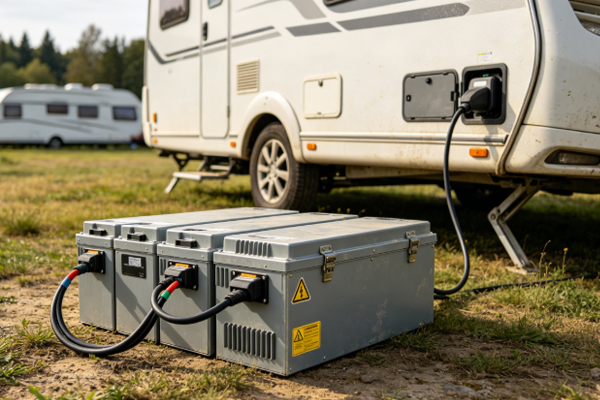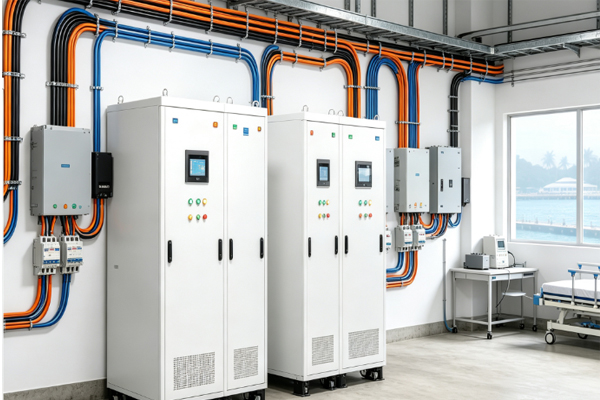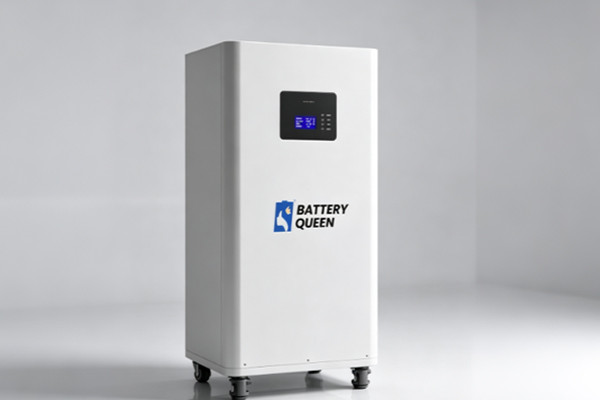
24V LiFePO4 battery packs are widely used in RV energy storage, solar power generation systems, low-speed vehicles, marine equipment, communication backup power supplies, and industrial equipment power supply applications due to their long cycle life, stable discharge performance, lighter weight, and convenient maintenance. During installation, the battery pack not only requires correct wiring connections but also needs to be properly planned according to the usage environment, equipment power requirements, and installation space. If the installation method is inappropriate, it may affect battery performance or even prevent the battery from operating normally. A 24V LiFePO4 battery pack is usually composed of multiple cells connected in series and is equipped with a BMS battery management system to monitor voltage, current, temperature, and protect battery operation.
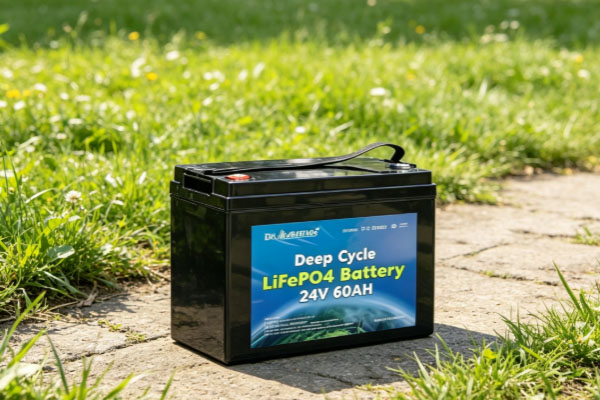
During installation, factors such as battery fixing methods, wiring connections, charging and discharging equipment models, and environmental conditions need to be considered. In addition, different application scenarios have different installation requirements. Proper installation of a 24V LiFePO4 battery pack can help maintain stable output and improve reliability during use. Before installation, it is necessary to understand the battery specifications, confirm whether the equipment requirements match, and complete the connections according to installation standards. After installation, basic inspections should also be performed to confirm that the voltage, charging and discharging functions, and BMS status are normal before putting the battery into official operation.
Confirm Battery Parameters Before Installation
Check Whether Voltage and Capacity Match
Before installing a 24V LiFePO4 battery pack, it is necessary to confirm whether the battery voltage meets the equipment requirements. Different devices have different requirements for supply voltage and capacity. If the battery specifications do not match the equipment, problems such as failure to start, insufficient operating time, or long-term high-load operation of the battery may occur.
Confirm Charging and Discharging Equipment Compatibility
A 24V LiFePO4 battery pack needs to be paired with suitable chargers, inverters, and control equipment. Different types of batteries have different charging parameters. Using incompatible equipment may reduce charging efficiency or affect the long-term operating condition of the battery. Before installation, check the charger output voltage, current range, and equipment specifications to ensure that the relevant parameters meet LiFePO4 battery requirements. At the same time, confirm the operating voltage of the inverter or load equipment to avoid abnormal operation after connection.
Choose a Suitable Installation Location
Maintain a Ventilated and Dry Environment
A 24V LiFePO4 battery pack generates a certain amount of heat during operation. The installation location should maintain good air circulation and avoid long-term placement in high-temperature enclosed spaces. If installed inside an RV, energy storage cabinet, or equipment box, sufficient space should be reserved to prevent objects around the battery from affecting heat dissipation. The installation location should also be kept away from water sources to prevent moisture from affecting the condition of terminals and wiring.
Reduce Vibration and External Impact
For 24V battery packs installed in mobile equipment such as vehicles and boats, proper fixing measures are required. Long-term vibration may cause the battery mounting structure to loosen and may also lead to wear on connection interfaces. During installation, dedicated mounting brackets or shock-absorbing materials can be used to keep the battery stable. Do not place the battery in locations where it can easily move, preventing collisions during operation.
Properly Connect Battery Wiring
Four Connection Points Require Special Attention
Positive and negative terminals: During installation, confirm the correct positive and negative terminal direction. Reverse connection may damage equipment or activate the protection system.
Connection cable specifications: Select an appropriate cable size according to the maximum output current of the battery. Cables that are too thin may increase heat generation and affect power supply stability.
Terminal tightening: Check whether the screws are properly tightened to prevent poor contact caused by looseness during long-term operation.
Fuse installation: Install an appropriate fuse according to equipment requirements. In the event of abnormal current, it can help reduce the risk of wiring damage.
Pay Attention to Wiring Layout
After the battery pack installation is completed, the wiring should not be excessively bent or pulled. Longer cables should be properly organized and kept away from sharp objects. For high-power equipment applications, it is recommended to shorten the distance between the battery and the load to reduce line loss and improve equipment operating efficiency.
Perform Inspection and Testing After Installation
Confirm BMS Operating Status
After installation, check whether the BMS is working properly. Some battery packs support intelligent monitoring functions, allowing users to view individual cell voltage, battery temperature, current, remaining capacity, and other data. If the BMS displays abnormal conditions, such as large differences in cell voltage, abnormal temperature, or protection warnings, the wiring method and battery condition should be checked promptly.
Check Charging and Discharging Functions
After installation, it is not recommended to immediately connect all load equipment for operation. Basic testing should be performed first to confirm that the battery can charge and discharge normally. During testing, observe battery voltage changes, wiring temperature, and equipment operation. If obvious cable heating, frequent equipment shutdowns, or charging failures occur, the installation should be checked again.
Frequently Asked Questions
Q: Can a 24V LiFePO4 battery directly replace an original lead-acid battery?
A: It cannot be simply determined whether it can be replaced directly. Although both batteries may have the same voltage level, there are differences in charging methods, discharge characteristics, and equipment compatibility requirements. Before replacement, confirm whether the charger, controller, and load equipment are suitable for LiFePO4 batteries.
Q: Why Is There No Output After the Battery Installation Is Completed?
A: Check the battery switch, positive and negative connections, fuse protection, and BMS status. Some battery packs may enter a protection state during transportation or installation and need to be activated or restored according to the product instructions.
Q: Can a 24V Battery Pack Be Installed Outdoors?
A: It depends on the battery protection rating and operating environment. If the battery is installed outdoors for a long time, waterproofing, sun protection, and temperature protection measures should be taken to prevent rain, high temperatures, and low temperatures from affecting battery performance.
Q: Does Space Need to Be Reserved Around the Battery During Installation?
A: Yes. Proper space helps with heat dissipation and future inspection and maintenance, and also makes it easier to check wiring connections. An overly crowded installation environment may increase maintenance difficulty.
When installing a 24V LiFePO4 battery pack, it is necessary to confirm battery parameters in advance, select an appropriate installation location, connect wiring correctly, and perform testing after installation. Every installation detail can affect the future operating condition of the battery pack, especially in long-term applications such as energy storage systems, vehicles, and industrial equipment. Proper installation can reduce the occurrence of failures. During use, regularly check battery connection conditions, BMS data, and wiring status. If abnormal voltage, loose interfaces, increased temperature, or unstable equipment power supply is detected, inspection and troubleshooting should be carried out promptly. Through standardized installation and proper maintenance, a 24V LiFePO4 battery pack can maintain stable output, fully utilize its cycle life and power supply performance, and provide continuous and reliable power support for various application equipment.