LTO batteries, also known as Lithium Titanate batteries, are attracting increasing attention in energy storage, industrial equipment, backup power systems, AGVs, electric transportation, and other applications. Compared with conventional lithium batteries, one of the biggest advantages of LTO batteries is their long cycle life. However, the actual service life of a battery depends on much more than its chemistry. Charging and discharging frequency, operating temperature, depth of discharge, BMS management, and daily usage patterns can all affect battery lifespan. Understanding these factors can help businesses and users select a more suitable LTO battery solution.
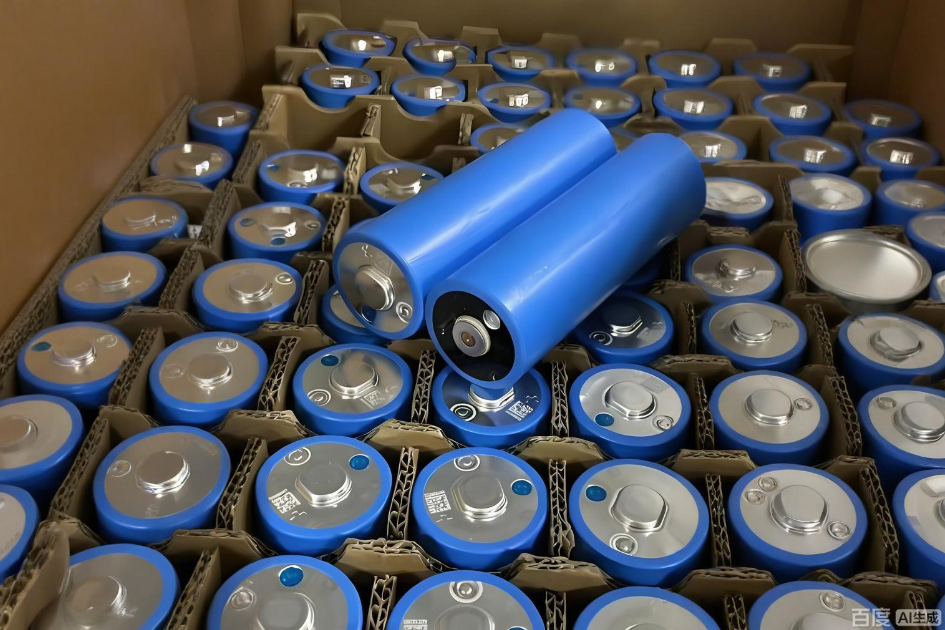
How Long Is the Service Life of an LTO Battery?
Cycle Life Is an Important Indicator
When evaluating LTO battery lifespan, cycle life is one of the most important specifications to consider. One complete cycle generally refers to charging and discharging an amount of energy equivalent to 100% of the battery’s rated capacity.
Lithium titanate has a relatively stable structure during repeated charging and discharging. This allows LTO batteries to withstand a large number of charge-discharge cycles.
However, the cycle life of different LTO battery products can vary. Actual performance depends on factors such as charging and discharging rates, operating temperature, and depth of discharge. Therefore, when comparing LTO batteries, users should pay attention to the test conditions behind the cycle-life specification rather than focusing only on the stated number of cycles.
Actual Service Years Depend on Usage
How many years an LTO battery can actually be used depends largely on the application. If a battery completes one full charge-discharge cycle every day, it will accumulate approximately 365 cycles per year. If it cycles several times a day, the total number of cycles will accumulate much faster.
On the other hand, batteries used mainly as backup power may remain on standby for long periods and experience relatively few cycles. In this case, factors such as temperature, SOC management, and battery maintenance can have a greater impact on long-term performance.
Key Factors That Affect LTO Battery Lifespan
Charging and Discharging Frequency
The number of charge-discharge cycles is one of the key factors affecting battery life. Frequent cycling means that the battery undergoes more electrochemical activity, so operating conditions should be carefully managed over the long term.
Fortunately, LTO batteries are particularly suitable for high-frequency charging and discharging. For energy storage systems, AGVs, and industrial equipment that operate several times a day, their long cycle life can provide a significant advantage.
Depth of Discharge
Depth of Discharge (DOD) also affects the actual lifespan of an LTO battery. Simply put, repeatedly using the battery from nearly full capacity down to an extremely low level generally places more stress on the battery than operating within a moderate SOC range.
When the application allows, controlling DOD appropriately can help extend overall battery life.
For example, in a backup power system, there may be no need to repeatedly discharge the battery deeply just to maximize available capacity. Maintaining a suitable SOC operating range can help reduce long-term battery stress.
Operating Temperature
Temperature is an important factor for virtually all battery technologies. Excessively high operating temperatures can accelerate battery aging, while very low temperatures can affect charging and discharging performance.
LTO batteries generally have good low-temperature performance, but this does not mean temperature management can be ignored. Proper heat dissipation remains important when the battery operates in high-temperature environments.
For outdoor energy storage systems, communication base stations, and industrial equipment, the actual installation environment should be considered when designing the thermal management system.
How Does the BMS Affect LTO Battery Lifespan?
Protection Against Overcharging and Over-Discharging
The BMS is an essential component of an LTO battery system. It monitors battery voltage, current, and temperature in real time and provides protection according to predefined parameters.
If a battery is continuously exposed to overcharging or excessive discharge, additional stress may be placed on the cells. A properly matched BMS helps keep the battery operating within an appropriate range.
Cell Balancing Also Matters
For an LTO battery pack consisting of multiple cells, consistency between individual cells can affect the overall performance of the pack.
A BMS can monitor individual cell voltages and perform balancing operations to reduce voltage differences between cells, helping the battery pack maintain more stable operation.
Charging Methods Can Also Affect Battery Life
Fast Charging Does Not Mean Unlimited Charging
LTO batteries are known for their fast-charging capability, which is one of their advantages over some other battery technologies. However, fast charging still needs to remain within the voltage, current, and temperature limits specified for the battery.
If the charging system parameters do not match the battery specifications, long-term battery life may be affected even when using LTO technology.
Therefore, when configuring charging equipment, businesses should follow the rated charging current and maximum charging rate recommended by the battery manufacturer.
Choose an Appropriate Charging Strategy
For LTO battery systems designed for long-term operation, a suitable charging strategy is more important than simply pursuing the fastest possible charging speed.
If the equipment has sufficient charging time available, a relatively moderate charging method can be selected according to actual requirements. This can help balance charging efficiency and battery lifespan.
Battery Quality and Manufacturing Also Matter
Cell Consistency Affects Overall Performance
Even when the same lithium titanate technology is used, LTO batteries produced by different manufacturers may have different performance levels.
Cell materials, manufacturing processes, consistency control, welding quality, and battery pack design can all affect the reliability of the final product. Therefore, when purchasing LTO batteries, businesses should consider suppliers with stable manufacturing capabilities and reliable quality control systems.
Battery Pack Design Should Not Be Overlooked
The lifespan of an LTO battery is not determined solely by the individual cells. The design of the entire battery pack also plays an important role.
Proper thermal management, electrical connections, protection systems, and BMS configuration can all contribute to stable and reliable battery operation.
How Can You Extend the Service Life of an LTO Battery?
Maintain an Appropriate SOC Range
Avoiding long periods at extremely high or extremely low SOC levels can help reduce long-term battery stress. The appropriate SOC range should be determined according to the specific battery model and the manufacturer’s recommendations.
Check Battery Condition Regularly
For long-term applications such as industrial energy storage and backup power systems, battery voltage, temperature, capacity, and BMS status should be checked regularly.
If abnormal cell voltage or unusually high temperatures are detected, the system should be inspected promptly.
Avoid Unnecessary High-Temperature Operation
When installing an LTO battery, avoid exposing it to excessively high temperatures for extended periods. The battery cabinet or equipment should also provide adequate ventilation and heat dissipation.
Lithium titanate technology offers excellent cycle-life potential, but the actual service life depends on cell quality, charging and discharging frequency, DOD, operating temperature, charging methods, BMS management, and overall system design.
For applications requiring frequent cycling, fast charging, long-term operation, or low-temperature performance, LTO batteries can offer significant technical advantages.
When selecting an LTO battery, businesses should look beyond the question of how many years the battery can last. It is equally important to evaluate cycle-life test data, operating conditions, charging and discharging requirements, BMS functions, and complete system specifications.
By choosing an LTO battery that matches the application and adopting appropriate charging, discharging, and maintenance strategies, users can maximize the advantages of lithium titanate technology, including long service life, stable performance, and reliable operation.