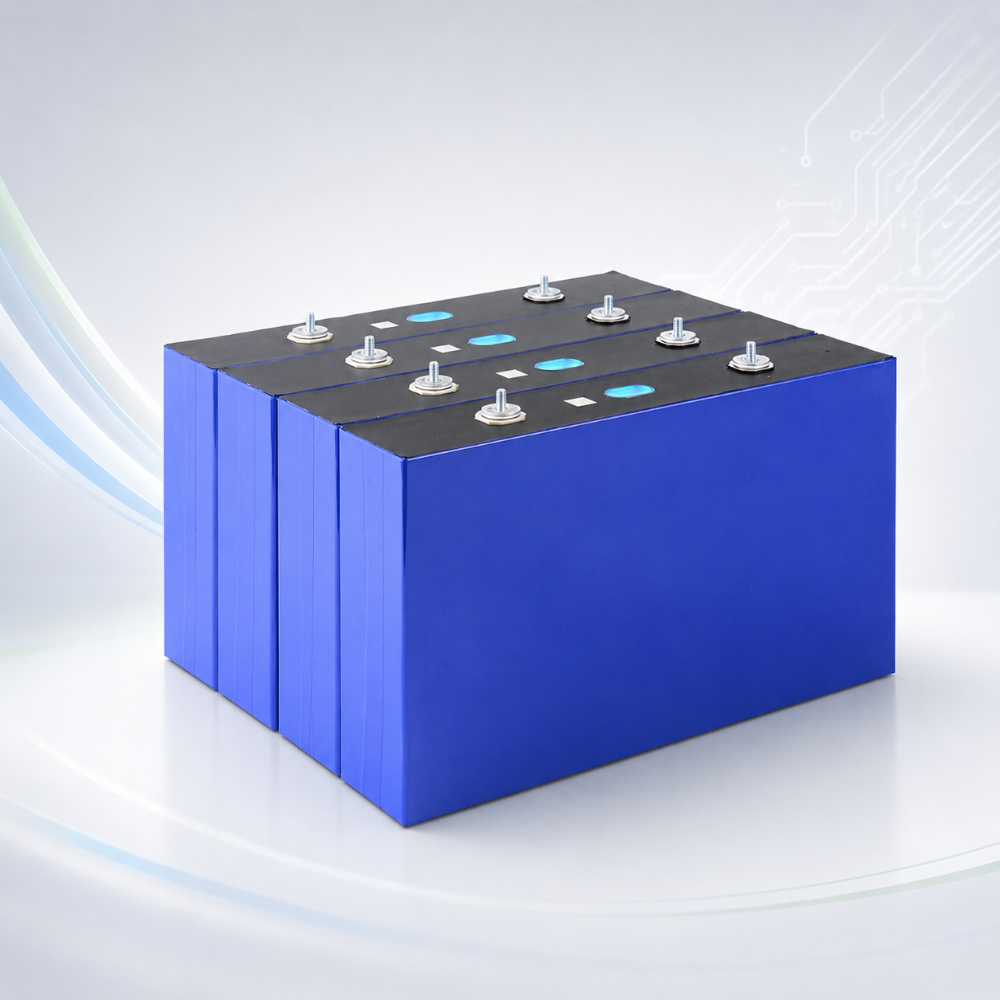
As household electricity demand continues to grow, solar photovoltaic systems, energy storage batteries, and intelligent energy management equipment are becoming increasingly common in residential energy systems. A home energy storage system can store electricity when the grid is operating normally and provide power at night, during cloudy weather, or during power outages. It can also work with time-of-use electricity pricing to reduce long-term electricity costs. For home energy storage systems using lithium iron phosphate (LiFePO4) batteries, a properly designed configuration can balance safety, storage capacity, power supply reliability, and future expansion. Different homes have different rooftop solar capacities, daily electricity consumption, backup requirements, and electrical loads, so the energy storage system should be selected according to actual household needs. By matching the right battery capacity, inverter power, solar panels, and energy management equipment, homeowners can create a more stable and efficient residential energy supply system.
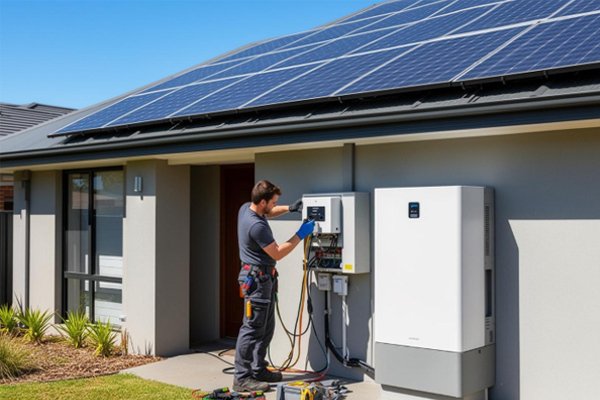
Configure Battery Capacity According to Household Electricity Demand
The capacity of a home energy storage system should be selected according to daily electricity consumption, nighttime energy demand, and the expected backup duration during power outages. For an average home, if the system is mainly used for lighting, refrigerators, televisions, networking equipment, and other basic appliances, a battery capacity of around 5kWh to 10kWh may be sufficient. If the household uses air conditioners, electric water heaters, induction cookers, and other high-power appliances, a larger battery capacity and a higher-power inverter may be required. For homes that already have rooftop solar panels, battery capacity should also be considered in relation to daily solar generation to prevent excess solar power from being generated without sufficient storage capacity. Home energy storage is not simply about choosing the largest possible battery. Instead, the battery capacity should be appropriately matched with household loads, solar generation, and the expected backup duration. Modular LiFePO4 batteries provide greater flexibility because homeowners can select a basic capacity based on current electricity demand and expand the system in the future as household consumption increases, reducing upgrade costs.
Common Home Energy Storage System Configurations
Home energy storage systems can use different combinations according to household energy requirements. The appropriate configuration should be selected based on solar availability, electricity consumption habits, and backup power requirements.
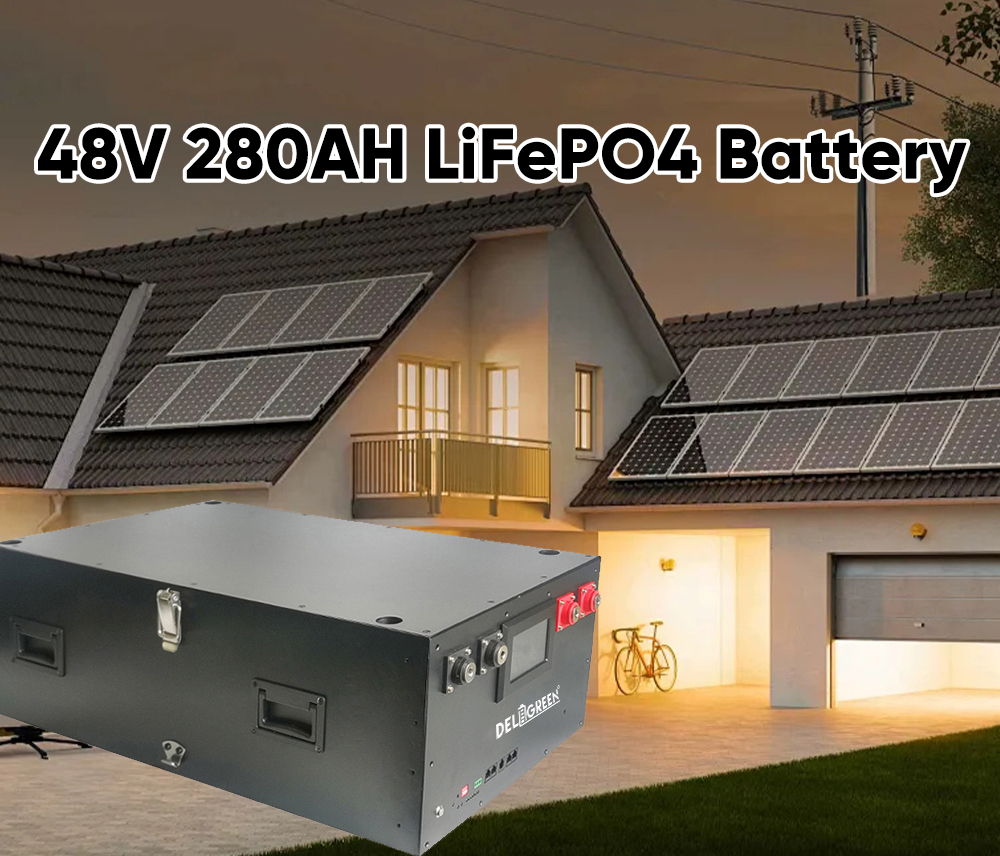
- Solar + Energy Storage Integrated System:Solar panels generate electricity during the day. Household loads use solar power first, while excess electricity is stored in LiFePO4 batteries for use at night. This configuration is suitable for homes with rooftop solar systems that want to increase solar self-consumption.
- Energy Storage Battery + Hybrid Inverter System:A hybrid inverter can connect solar panels, the grid, energy storage batteries, and household loads while intelligently managing energy distribution. When solar generation is insufficient, electricity can be supplied by the grid. When solar generation is sufficient, the system can prioritize household loads and charge the battery with surplus energy.
- Energy Storage + Backup Power System:For households where power outage protection is the primary requirement, a LiFePO4 battery, energy storage inverter, and backup-load distribution system can be configured together. During a grid outage, the system can provide continuous electricity to essential loads such as lighting, refrigerators, networking equipment, and security systems.
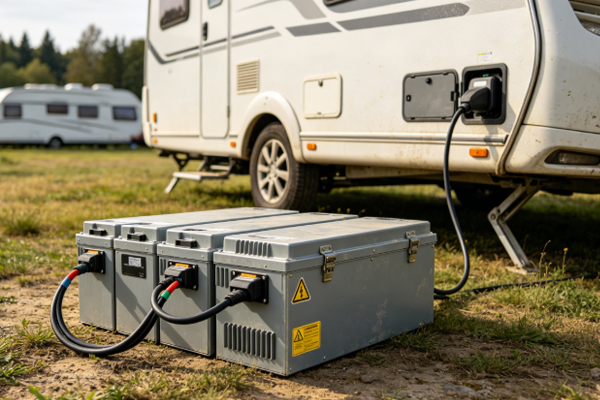
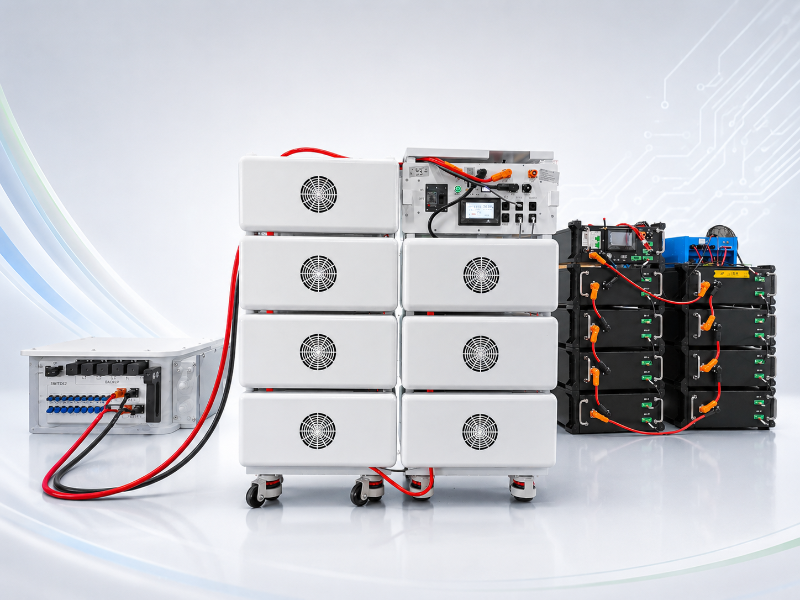
- Multi-Battery Parallel Expansion System:Large homes and high-load residences can use multiple energy storage batteries connected in parallel to increase total storage capacity. This configuration provides greater flexibility for future expansion and makes it easier to add solar panels or accommodate additional household appliances.
A properly selected home energy storage configuration allows batteries, solar panels, and inverters to work together efficiently while supporting energy savings, backup power, and intelligent energy management.
How to Properly Match the Home Energy Storage Inverter and Battery
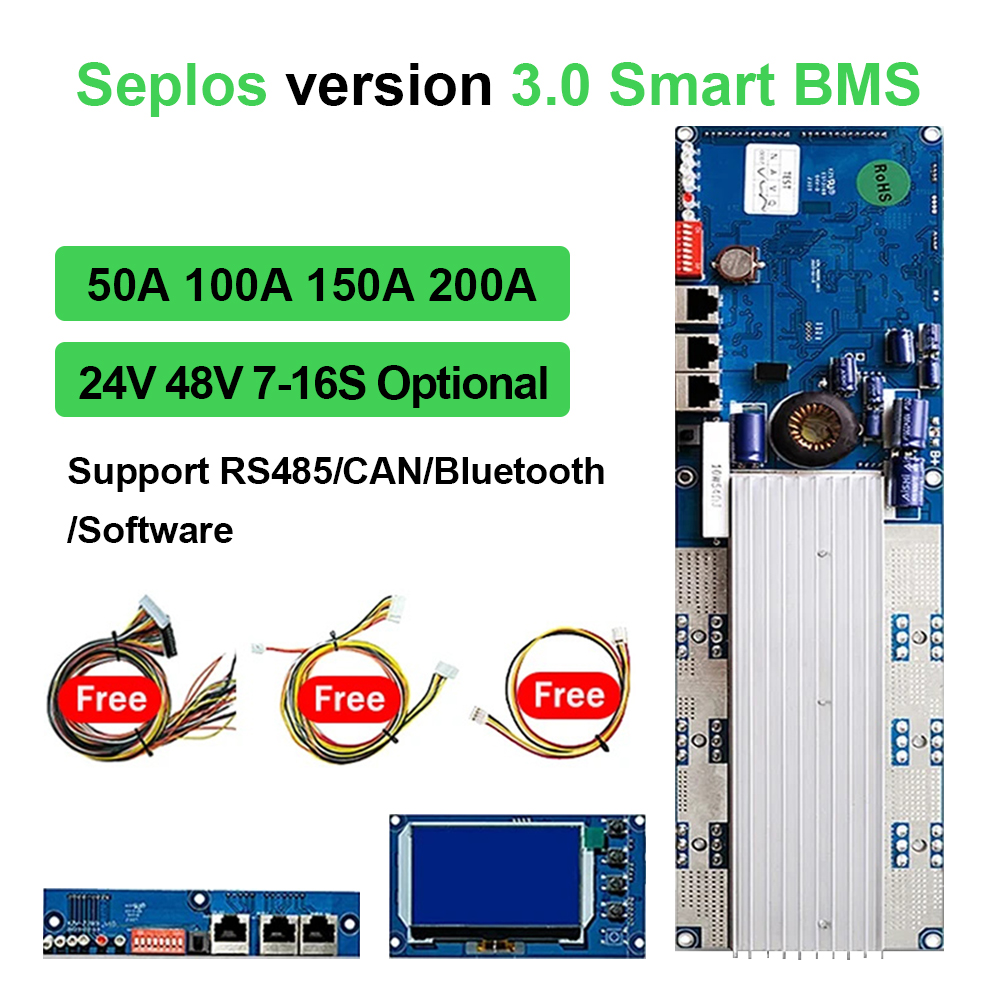
The inverter is a key component of a home energy storage system. It handles power conversion, energy management, and electricity supply to household loads. When selecting an inverter, its rated voltage, maximum charging and discharging current, and output power should be matched with the energy storage battery and household loads. If the inverter has insufficient power, it may not be able to support multiple high-power appliances such as air conditioners, electric water heaters, and water pumps at the same time. An inverter that is significantly oversized may increase system costs unnecessarily. When using LiFePO4 batteries, it is also important to confirm communication compatibility between the battery BMS and inverter. Communication protocols such as CAN or RS485 allow the devices to exchange information about voltage, current, temperature, and state of charge, enabling more accurate charging and discharging control. For homes requiring backup power, an energy storage inverter with EPS or Backup output functionality is recommended so that the system can quickly switch to backup power when the grid becomes unavailable. Proper battery and inverter matching improves conversion efficiency, system stability, and operating safety.
What Energy Storage Configurations Are Suitable for Different Homes?
Home energy storage systems can be used in a variety of residential environments. Different configurations can be selected according to household lifestyle, grid conditions, and energy management goals.
- Energy-Saving Configuration for Average Homes:For homes with moderate daily electricity consumption, a 5kWh to 10kWh LiFePO4 battery can be paired with a hybrid inverter and rooftop solar system. Solar power can be used during the day, while stored electricity can be used at night to increase solar self-consumption.
- High-Capacity Configuration for Large Homes:Villas and large residential properties often have more air conditioners, electric water heaters, kitchen appliances, and smart home equipment. These homes can use 10kWh to 30kWh or larger energy storage batteries together with high-power inverters to support larger household loads.
- Backup Power Configuration:For households with high requirements for power reliability, essential equipment such as refrigerators, lighting, networking systems, security devices, and critical appliances can be connected to a dedicated backup circuit. The LiFePO4 battery capacity can then be selected according to the expected outage duration.
- Off-Grid Solar Energy Configuration:In areas with limited grid coverage or where independent power supply is required, solar panels, LiFePO4 batteries, and an off-grid inverter can form an independent energy system. Solar power supplies household loads and charges the battery during the day, while stored energy provides electricity at night.
Selecting the right energy storage mode according to actual household requirements can improve energy utilization while allowing the storage system to provide more practical support for everyday residential electricity needs.
How to Build a Stable and Reliable Home Energy Storage System
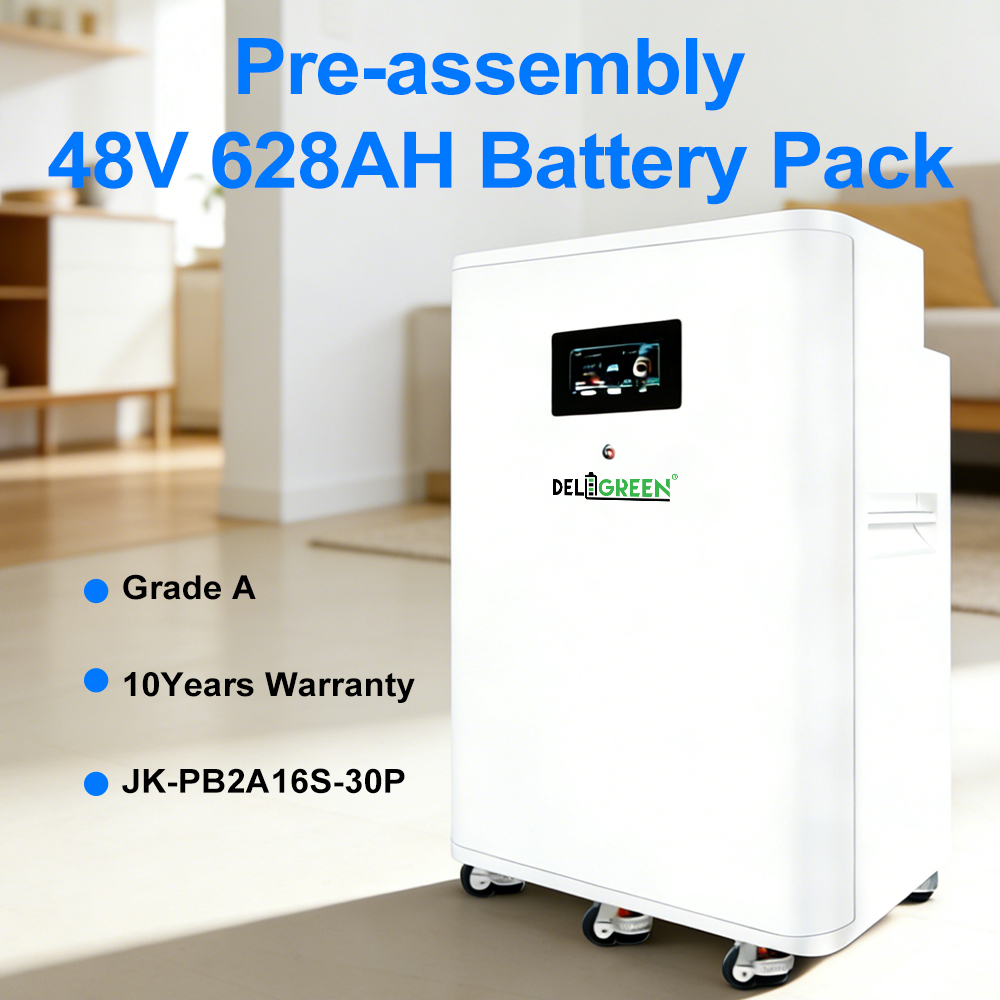
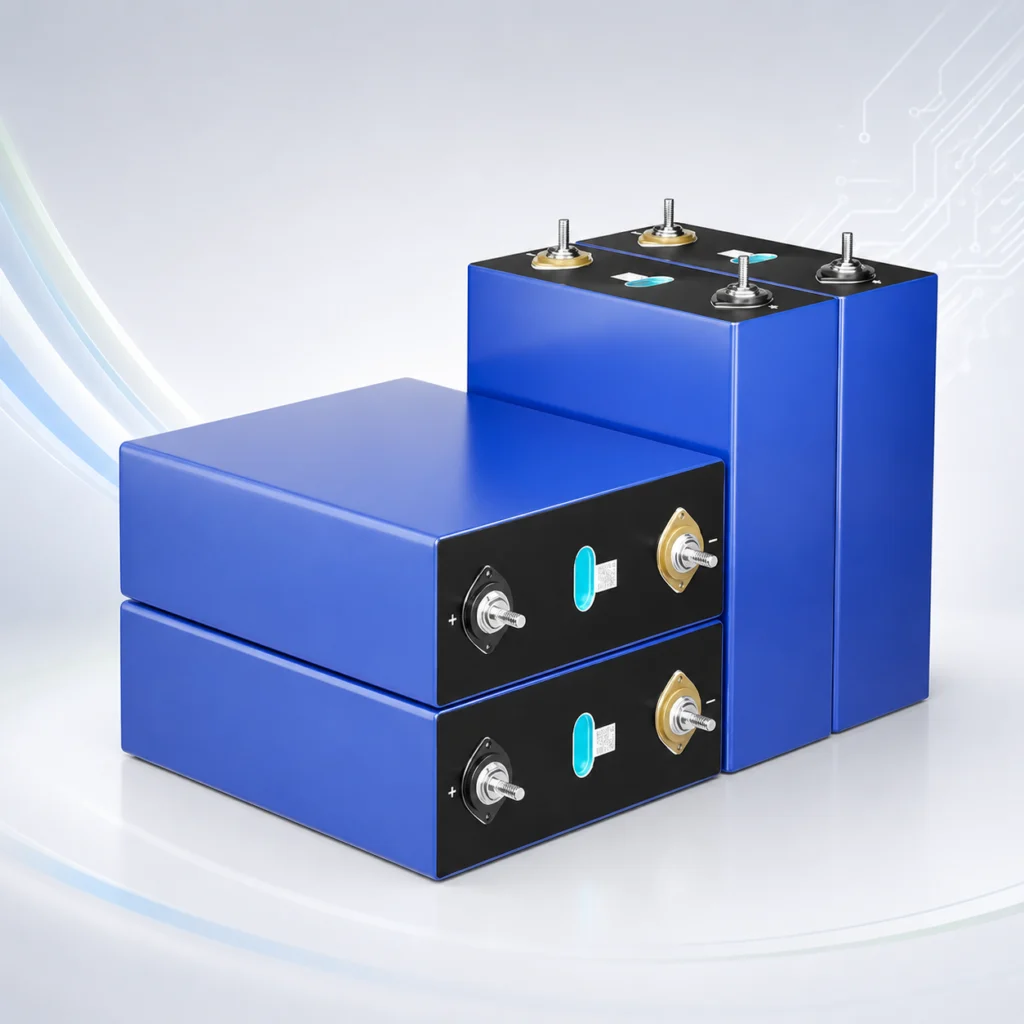
Building a home energy storage system requires more than selecting battery capacity and inverter power. Battery cell quality, BMS protection, installation conditions, system compatibility, and future maintenance should also be considered. LiFePO4 batteries offer a long cycle life and good thermal stability, making them suitable for long-term residential charging and discharging applications. High-quality batteries typically use Grade A cells and undergo strict capacity, consistency, and safety testing. Combined with an intelligent BMS, they can continuously monitor battery voltage, current, temperature, and state of charge while providing protection against overcharging, over-discharging, overcurrent, short circuits, and abnormal temperatures. During installation, the battery should be placed in a dry, well-ventilated, and accessible location. For wall-mounted batteries, the load-bearing capacity of the wall and the stability of the mounting structure should also be confirmed. For solar energy storage systems, the solar panels, inverter, battery, and household distribution system should be properly compatible. Choosing modular energy storage batteries makes it possible to gradually increase capacity as household electricity demand grows. By properly configuring LiFePO4 batteries, energy storage inverters, solar panels, and intelligent energy management equipment, homeowners can build a system that combines daily energy savings, backup power, and long-term energy management while providing stable, efficient, and sustainable energy support for residential applications.