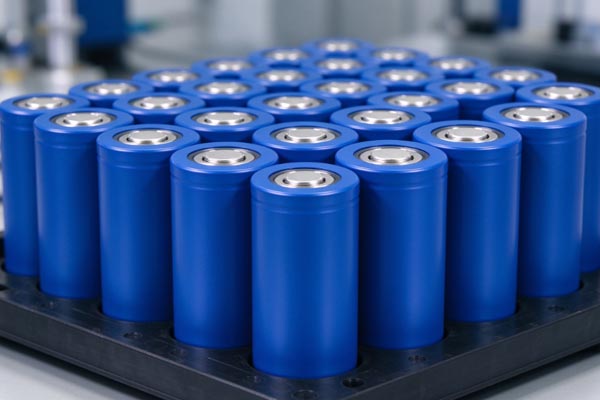
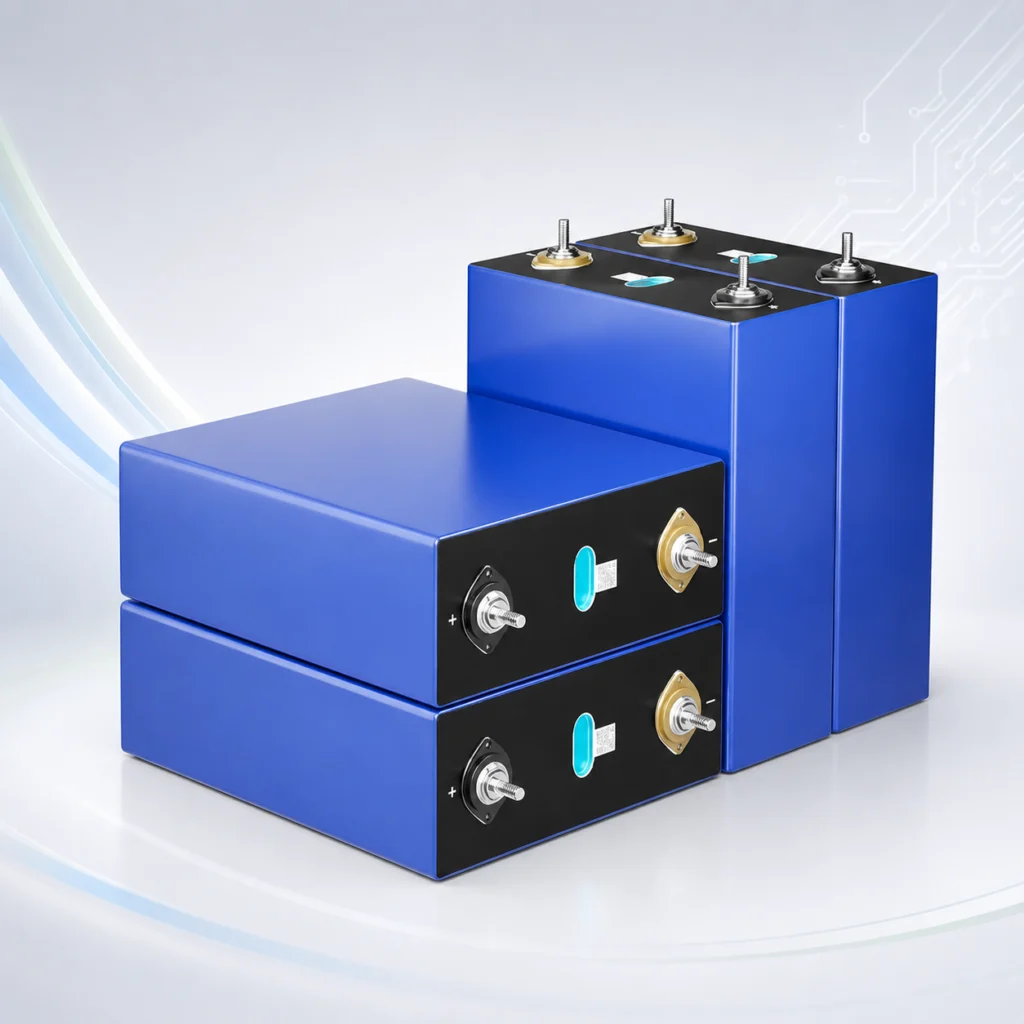
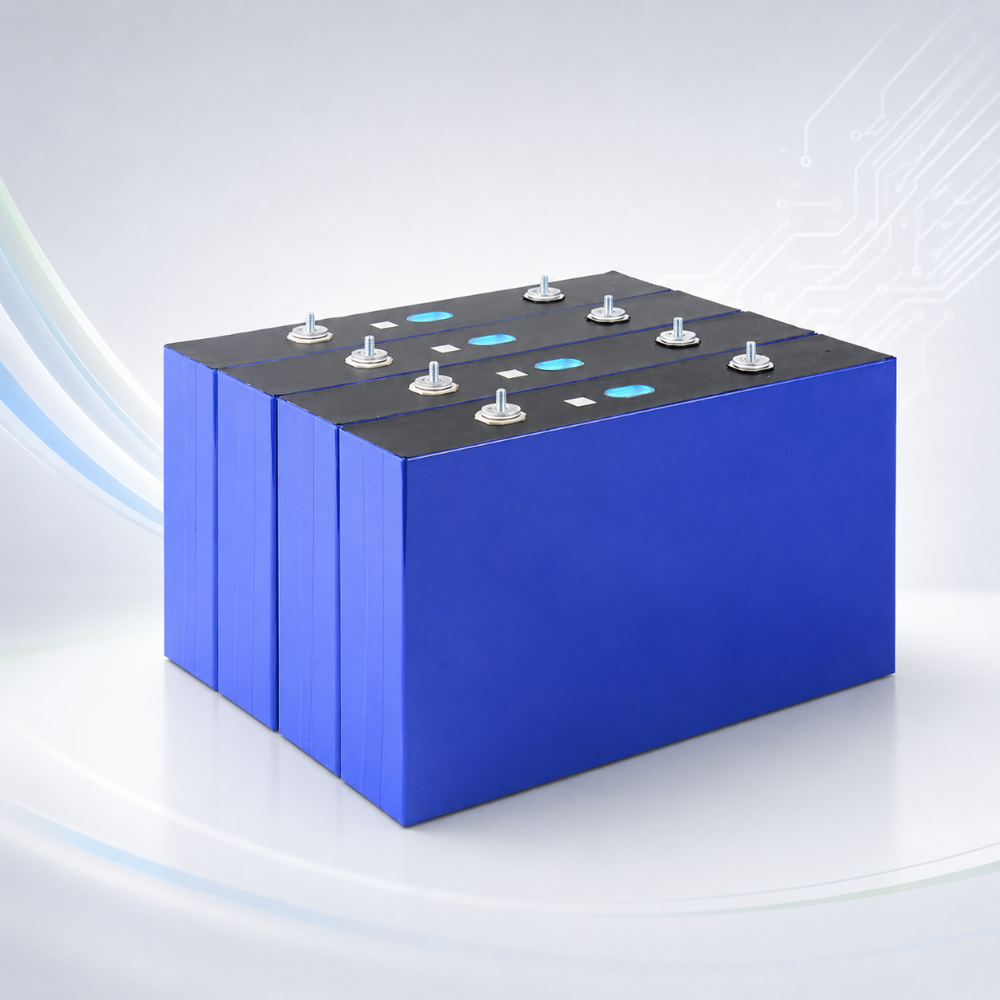
280Ah LiFePO4 cells are widely used in modern energy storage systems. They offer large capacity, long cycle life, stable performance, and flexible battery pack configurations. As demand for residential, commercial, and renewable energy storage continues to grow, 280Ah cells are becoming a popular choice for different storage applications. When combined with a suitable BMS and inverter, they can support backup power, solar energy storage, and continuous electricity supply. Understanding their common applications helps buyers select the right battery solution for their projects.
Are 280Ah LiFePO4 Cells Suitable for Large Energy Storage Systems?
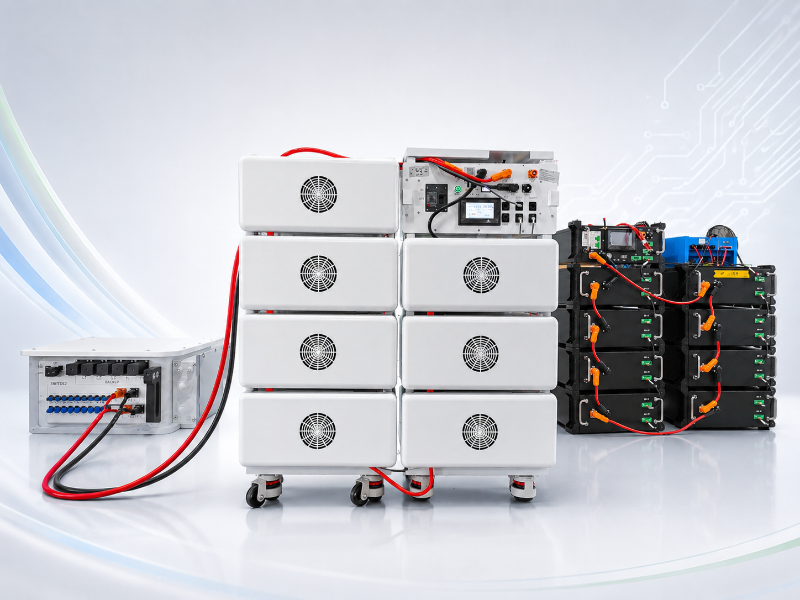
280Ah LiFePO4 cells have a relatively large capacity, making them suitable for energy storage systems that require substantial electricity storage. Multiple cells can be connected in series or parallel to build battery packs with different voltage and capacity configurations. These packs can be integrated into large energy storage cabinets, battery containers, and stationary storage equipment. In solar and wind power projects, energy storage systems save excess electricity generated during peak production periods and release it when renewable energy generation is insufficient. This helps improve energy utilization. For long-term stationary storage, cell consistency, batch quality, system voltage, charging and discharging rates, and thermal management should all be considered.
What Are the Uses of 280Ah Cells in Commercial and Industrial Energy Storage?
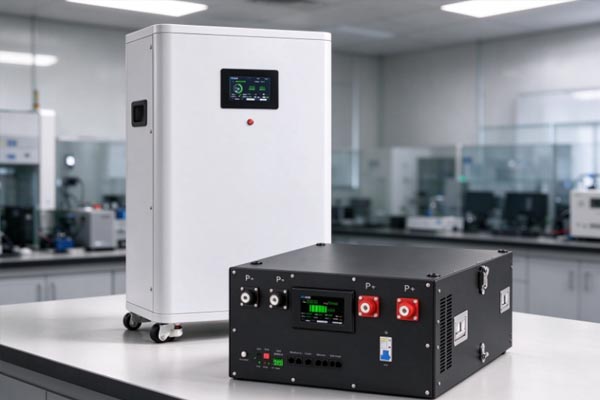
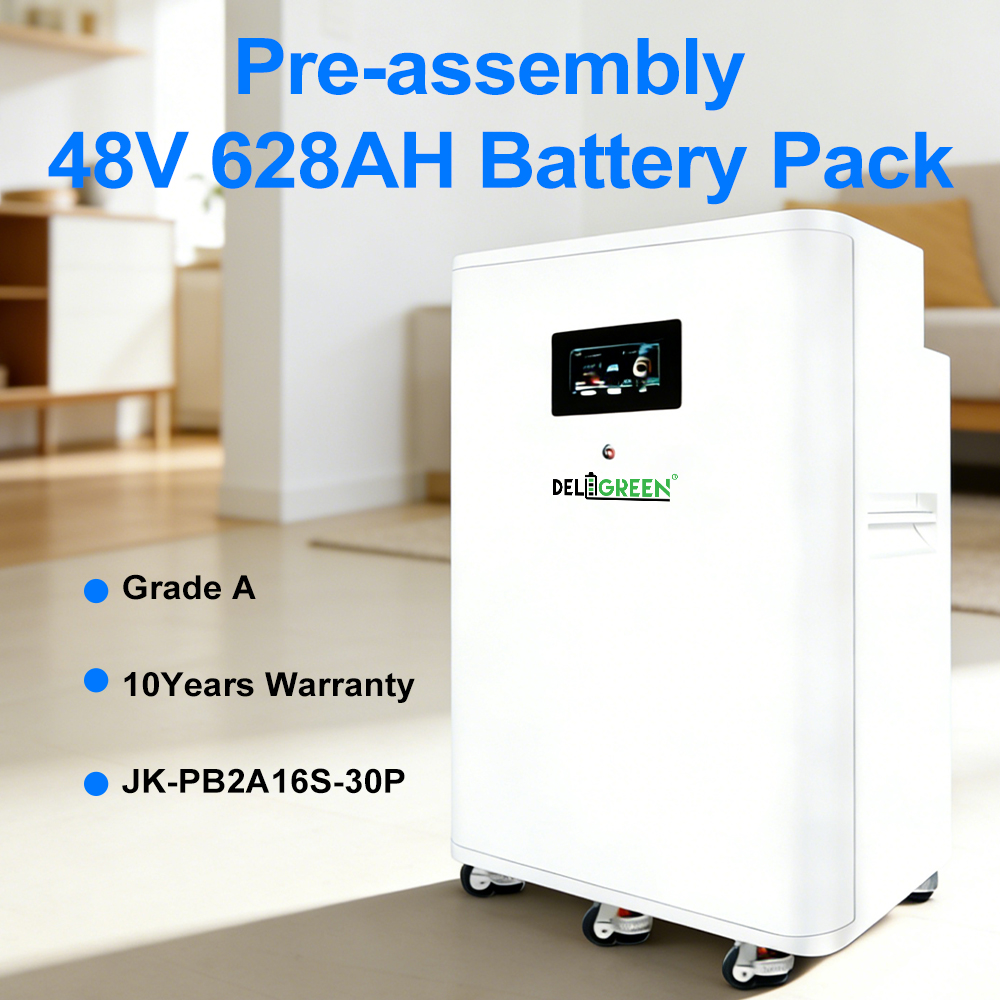
Factories, warehouses, commercial buildings, and industrial parks often have high electricity demands. Some facilities also need backup power and better energy management during peak consumption periods. 280Ah LiFePO4 cells can be integrated into commercial and industrial energy storage cabinets to store electricity from off-peak periods or solar systems and supply power when needed. When connected to an energy management system, they can help businesses optimize electricity usage and provide backup power for essential equipment.
Common applications include:
- Factory energy storage: Helps optimize electricity use for production equipment.
- Commercial buildings: Supports lighting, air conditioning, and selected essential equipment.
- Industrial parks: Works with solar power systems to improve renewable energy utilization.
- Backup power: Supplies electricity to critical loads during grid outages when properly configured.
Before purchasing, businesses should evaluate load power, backup duration, and daily charging and discharging frequency. The modular design of 280Ah cells allows battery packs to be configured according to project requirements.
Are 280Ah LiFePO4 Cells Suitable for Solar Energy Storage?
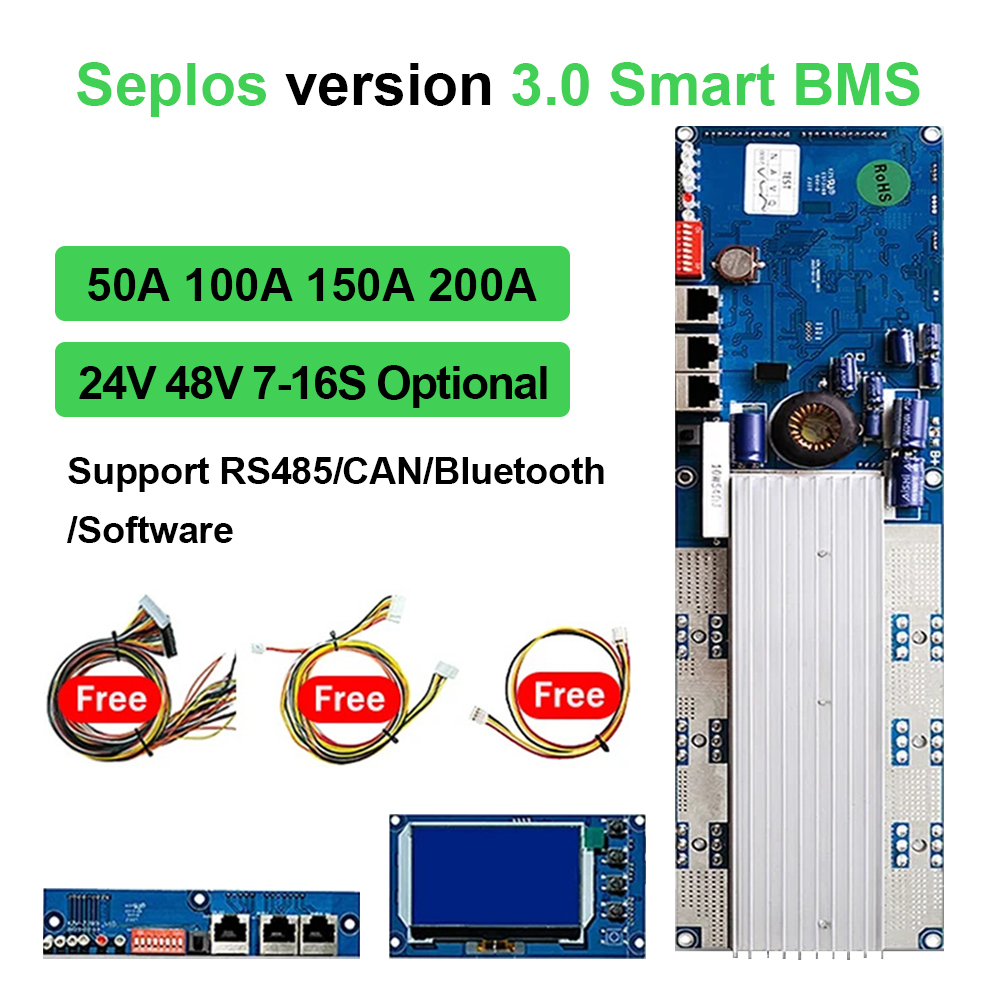
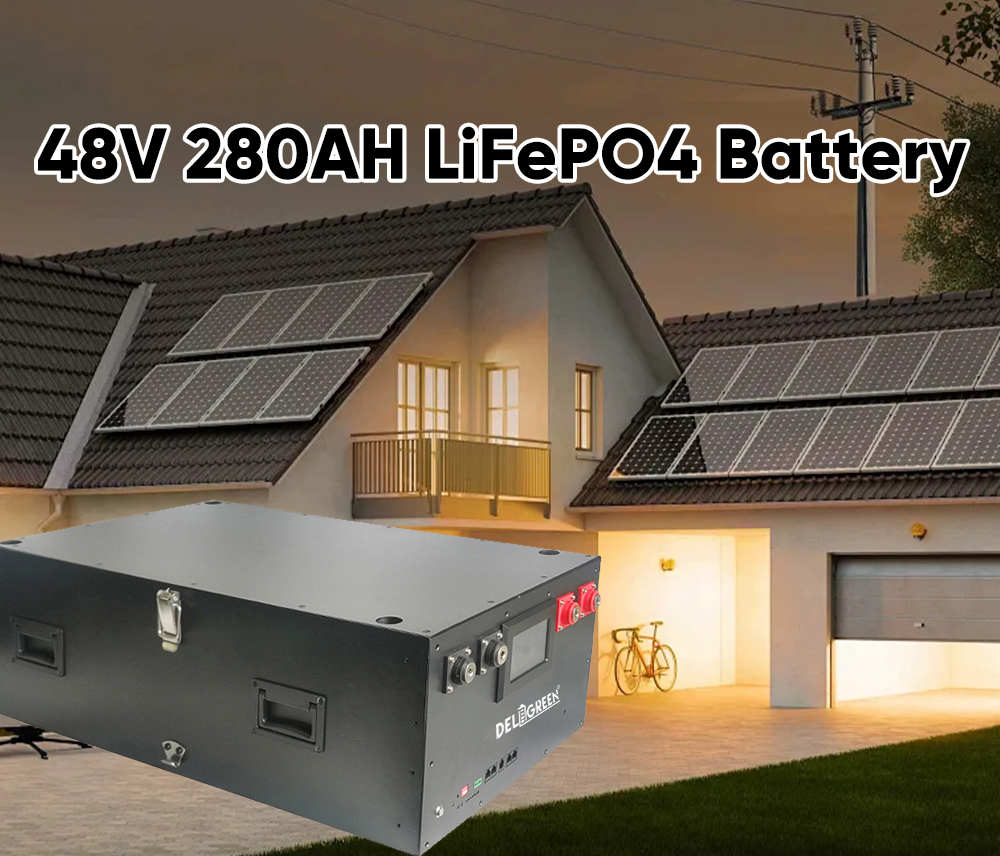
280Ah LiFePO4 cells are suitable for large solar energy storage projects and can also be used in some small and medium-sized photovoltaic systems, depending on the design. Solar power generation changes throughout the day. During periods of high production, batteries can store unused electricity. At night or during cloudy weather, the stored energy can supply homes, commercial buildings, and independent power systems. Compared with smaller-capacity cells, 280Ah cells may reduce the number of individual cells required for a given storage capacity. However, the final battery configuration depends on system voltage and design requirements. A compatible solar inverter, charge controller, and BMS are essential. Temperature monitoring and overcharge and over-discharge protection should also be included. For off-grid solar systems, battery capacity should be planned according to local sunlight conditions, load requirements, and consecutive cloudy days.
What Other Equipment Can Use 280Ah LiFePO4 Cells?
In addition to large energy storage cabinets and solar systems, 280Ah LiFePO4 cells can be used in communication backup power, microgrids, independent power facilities, and selected mobile energy storage systems. Communication base stations need a reliable electricity supply to keep equipment operating. Battery packs can provide backup power during grid failures. Remote monitoring stations, data collection equipment, and independent workstations can also use battery packs to store electricity from solar panels or other power sources.
Common applications include:
- Communication base stations: Provide backup electricity for communication equipment.
- Microgrid systems: Store energy generated by solar, wind, and other power sources.
- Independent power facilities: Supply electricity to remote monitoring and communication equipment.
- Mobile energy storage: Support selected large portable power systems, depending on weight, size, and discharge requirements.
These applications often require reliable performance and good environmental adaptability. Check the operating temperature range, continuous discharge capability, cycle life, and installation requirements before purchasing.
What Should You Consider When Buying 280Ah LiFePO4 Cells?
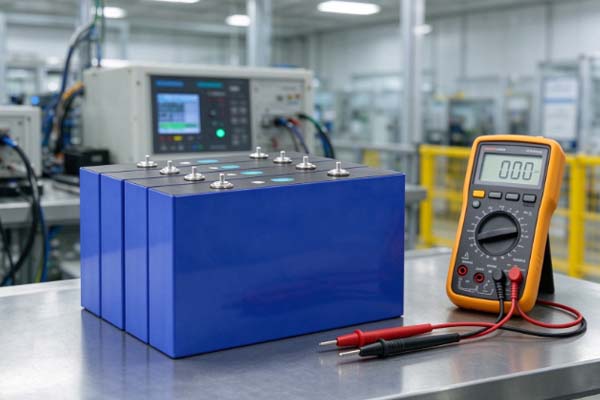
When purchasing 280Ah LiFePO4 cells, capacity alone is not enough to determine product suitability. Check the rated voltage, internal resistance consistency, cycle life, charging and discharging rates, and safety protection features. For large energy storage projects, pay attention to capacity testing standards, production batch management, and quality traceability. These factors help maintain consistency among cells in the same battery pack. The complete system should also include a compatible BMS, temperature monitoring, and appropriate thermal management equipment. If you need a customized energy storage solution, provide the supplier with your target capacity, system voltage, installation space, operating environment, and charging requirements. Supplier testing capabilities, technical support, delivery reliability, and after-sales service are also important. Choosing reliable 280Ah LiFePO4 cells with clear specifications and customization support can improve the stability and long-term value of an energy storage system.