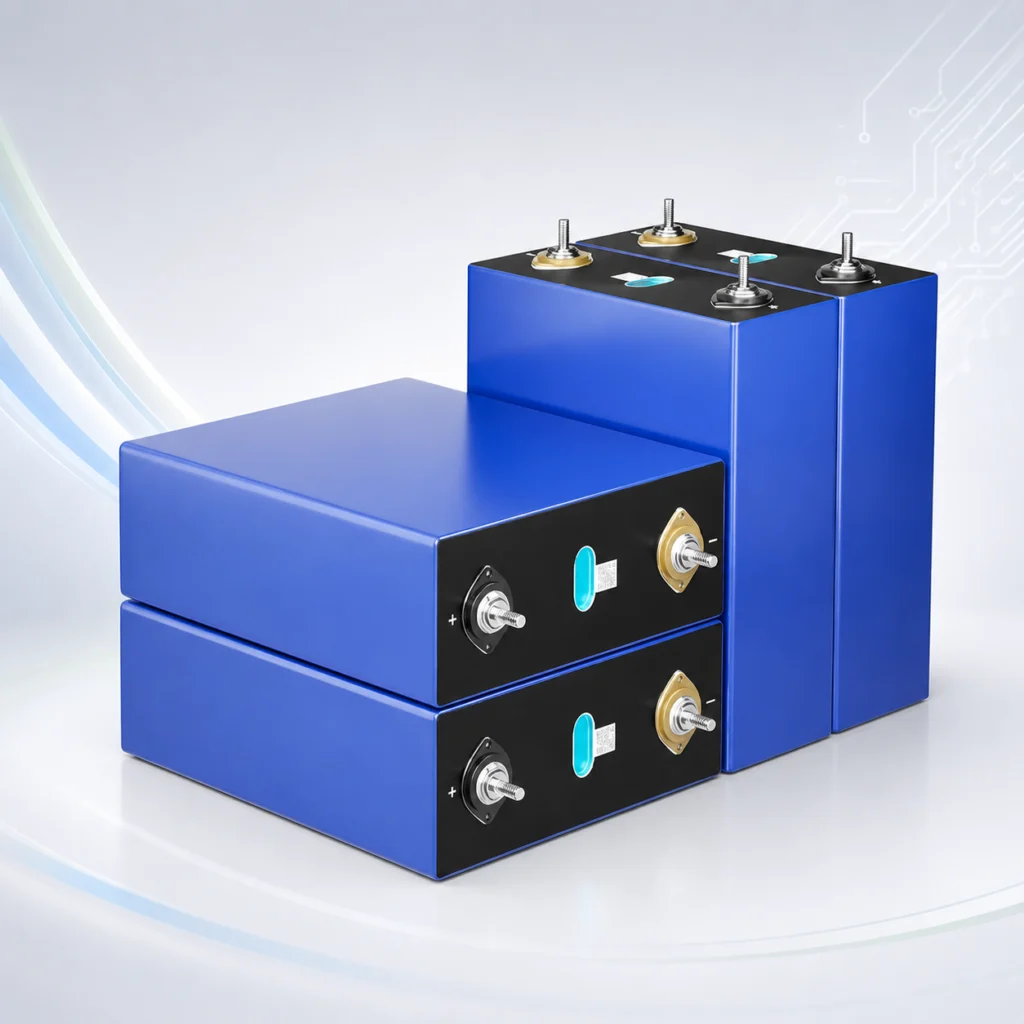
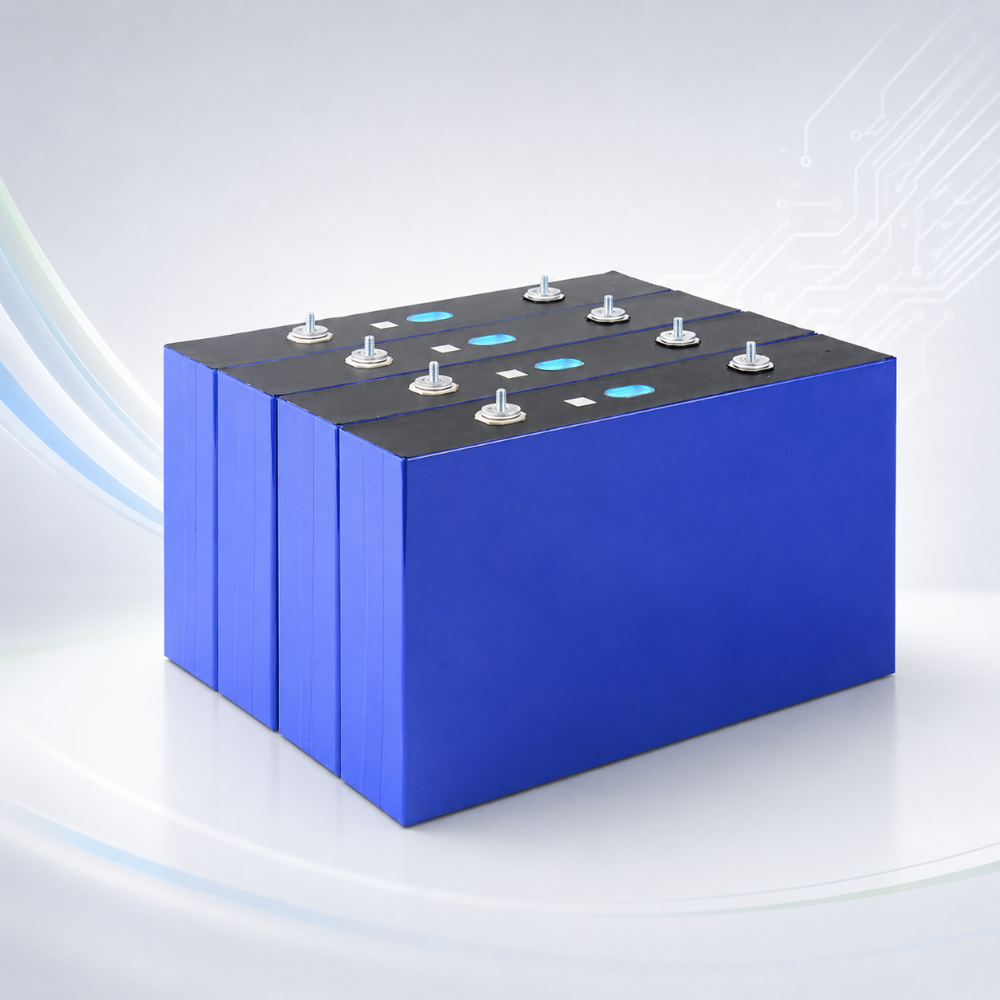
Battery pack production involves several stages, including cell screening, material preparation, connection processing, assembly, and finished product testing. Delays or rework at any stage can affect delivery schedules. For battery pack manufacturers, improving efficiency requires optimizing workflow arrangements, equipment usage, and quality management rather than simply speeding up assembly. Properly allocating personnel and equipment while reducing repetitive operations and material waste can shorten production cycles while maintaining consistent product quality.
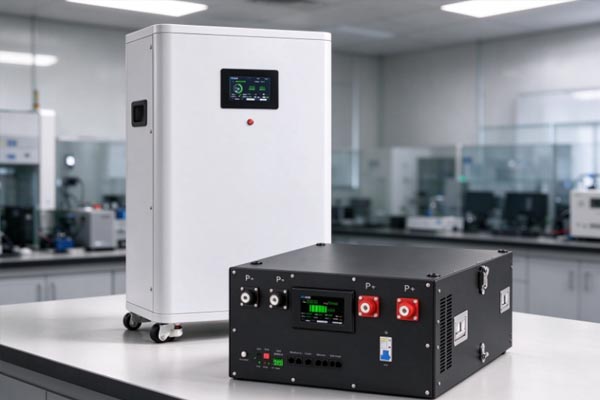
Optimize Battery Cell Screening and Material Preparation
Proper material preparation before production can reduce waiting times and material replacement during assembly.
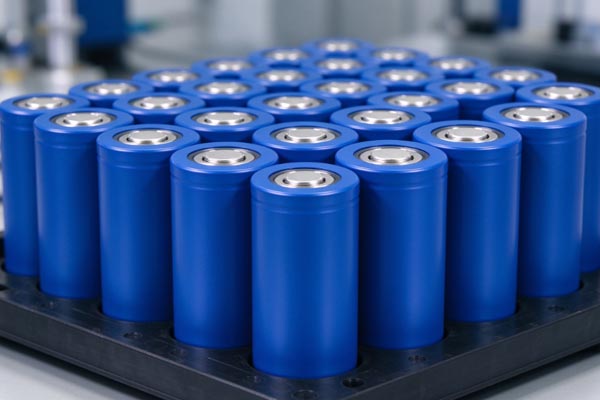
- Standardize Battery Cell Screening Criteria: Check cell models, capacities, open-circuit voltages, and internal resistances according to design requirements. Complete cell matching in advance to reduce assembly rework.
- Prepare Connection Materials in Advance: Prepare busbars, wires, terminals, and insulation accessories according to production quantities. Confirm their specifications before use.
- Organize Materials by Category: Store battery cells and accessories of different models and batches in separate areas, with their specifications and quantities clearly labeled for easy access.
Thorough preparation helps reduce production downtime and maintain workflow continuity.
Improve Battery Pack Assembly Efficiency
The assembly process should follow standardized operating procedures, with the sequence of cell positioning, busbar installation, wiring, and protective component installation arranged according to the battery pack structure. For products with identical dimensions, suitable fixtures can be used to secure battery cells and connection components, reducing manual adjustment time. Production workstations should also be divided into functional areas to ensure smooth coordination between material preparation, connection processing, and final assembly while avoiding repeated handling of semi-finished products. Standardized assembly procedures help reduce operational errors and improve the production efficiency of each battery pack.
Improve Production Equipment and Process Management
Equipment operating conditions and processing quality can affect production schedules, making routine management essential.
- Maintain Equipment Regularly: Inspect welding equipment, testing instruments, and assembly tools. Address abnormalities promptly to reduce downtime caused by equipment failures.
- Optimize Connection Processes: Determine processing parameters according to the connection materials and battery cell structure to reduce rework caused by cold solder joints, weak connections, and other defects.
- Arrange Production Batches Reasonably: Group products with identical specifications or similar structures for production to reduce the frequency of equipment adjustments and fixture changes.
Maintaining stable equipment operation and processing procedures helps reduce the likelihood of production interruptions.
Improve Quality Inspection and Production Management
Quality inspections should cover critical production stages and finished product conditions to prevent defects from carrying over into subsequent processes.
- Introduce In-Process Inspections: Conduct inspections after cell matching, connection processing, and wiring assembly to identify connection and insulation issues promptly.
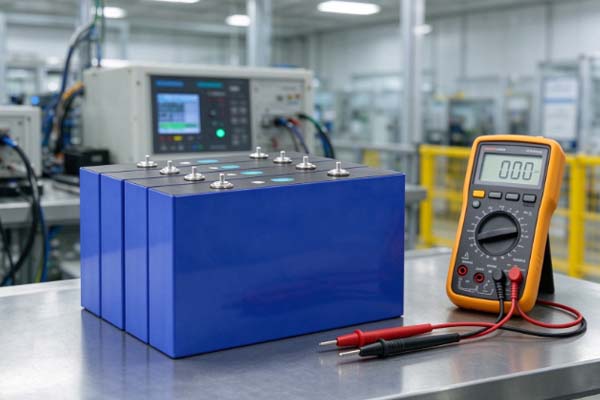
- Strengthen Electrical and BMS Testing: Perform insulation resistance and dielectric withstand voltage tests according to product requirements. Check BMS program configuration, communication, sampling, and protection functions.
- Improve Finished Product Inspection: Check battery pack voltage, charging and discharging performance, and external structure. Battery packs with sealing requirements should also undergo appropriate airtightness or sealing tests.
- Record Production Data: Organize records of material consumption, process duration, equipment abnormalities, and rework to identify stages with lower production efficiency.
Conducting inspections throughout production helps resolve problems promptly and reduces the need for finished product rework.
Improving battery pack production efficiency requires smooth coordination between material supply, assembly operations, equipment operation, and quality inspection. Manufacturers can prioritize processes with long waiting times or frequent rework based on actual production conditions, then gradually improve operating standards and workstation arrangements. For battery packs with different structures, necessary electrical and sealing tests should be retained. Safety inspections should never be reduced simply to increase production output. Continuous improvements across production processes can shorten delivery cycles, control manufacturing costs, and maintain consistent product quality.