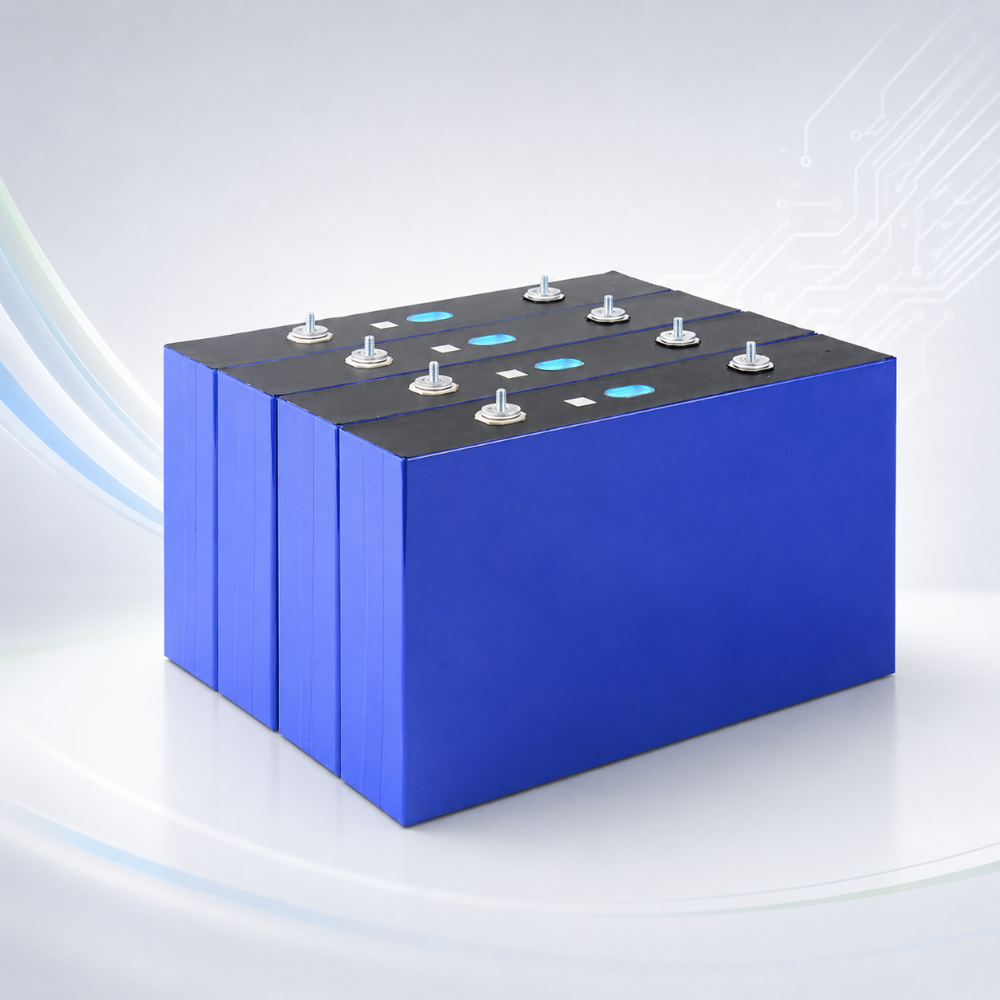
LiFePO4 batteries are widely used in home energy storage, solar systems, RV power supplies, industrial backup power, and portable energy storage devices. When choosing a battery, voltage and capacity are two important specifications. Voltage determines whether the battery is compatible with an inverter and electrical equipment, while capacity affects how much energy it can store and how long it can supply power. An incorrect configuration may cause compatibility problems, insufficient backup time, or excessive battery load. Understanding how to match voltage and capacity helps you choose the right energy storage solution.
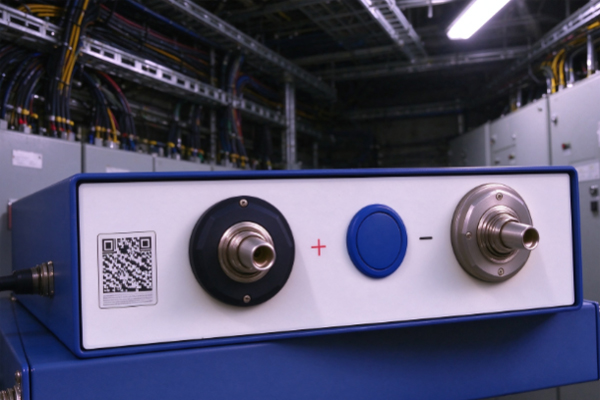
What Is the Difference Between Battery Voltage and Capacity?
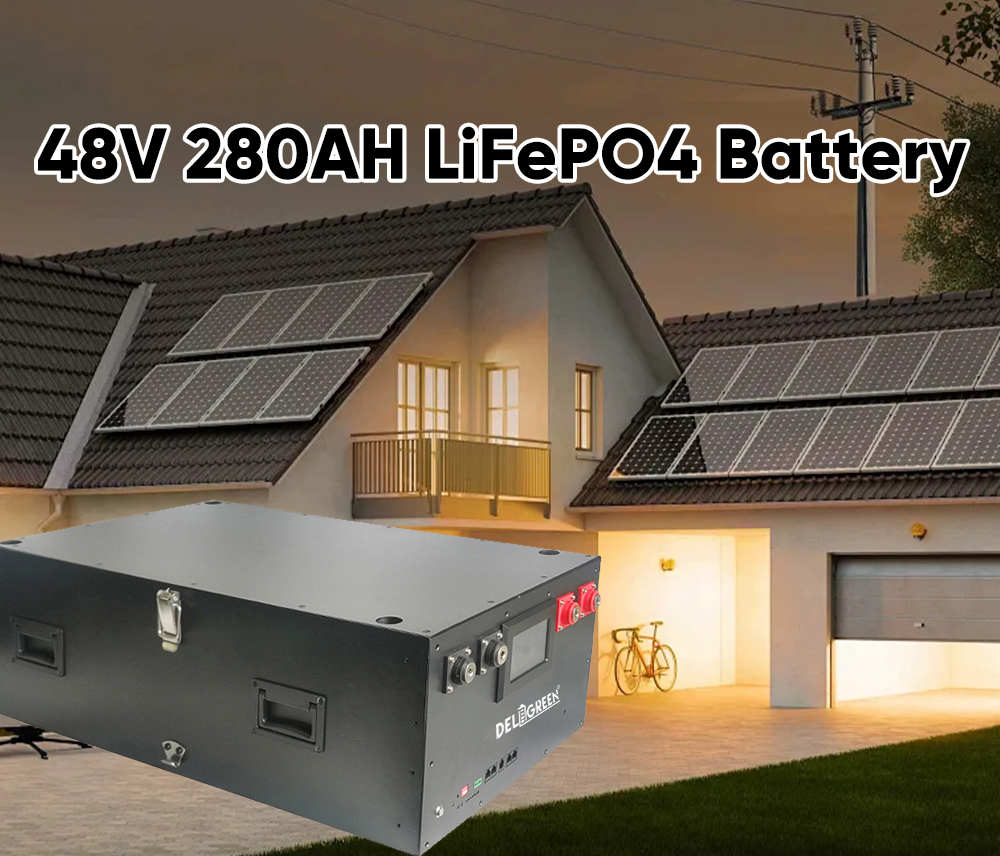
Voltage and capacity represent different battery specifications. Voltage is measured in volts (V). Common LiFePO4 battery ratings include 12.8V, 25.6V, and 51.2V, which indicate different nominal voltage levels. Capacity is measured in amp-hours (Ah), with common options including 50Ah, 100Ah, 200Ah, and 280Ah. At the same voltage, a battery with higher capacity can generally store more energy and provide power for longer. At the same capacity, different voltage ratings result in different total energy storage. When purchasing, consider both specifications along with equipment input voltage, load power, and operating time. For home and solar storage systems, also check the inverter’s battery voltage range to ensure compatibility.
How Do You Choose Battery Voltage Based on Equipment Requirements?
When selecting battery voltage, check the voltage requirements of your electrical equipment or inverter. Different devices have specific input voltage requirements. An incompatible battery may prevent equipment from operating correctly or cause electrical problems.
Common battery options include:
- 12.8V batteries: Suitable for some RVs, boats, small solar systems, and low-voltage backup power.
- 25.6V batteries: Commonly used in medium-sized storage systems, some RV setups, and off-grid applications.
- 51.2V batteries: Suitable for residential storage, commercial and industrial storage cabinets, and larger solar systems.
After selecting the voltage, check the inverter input range, charger output parameters, and connection requirements. For systems with higher power demands or longer operating hours, choosing a suitable voltage can help reduce current and cable losses. Always follow the equipment manual and the battery manufacturer’s specifications.
How Do You Choose the Right LiFePO4 Battery Capacity?
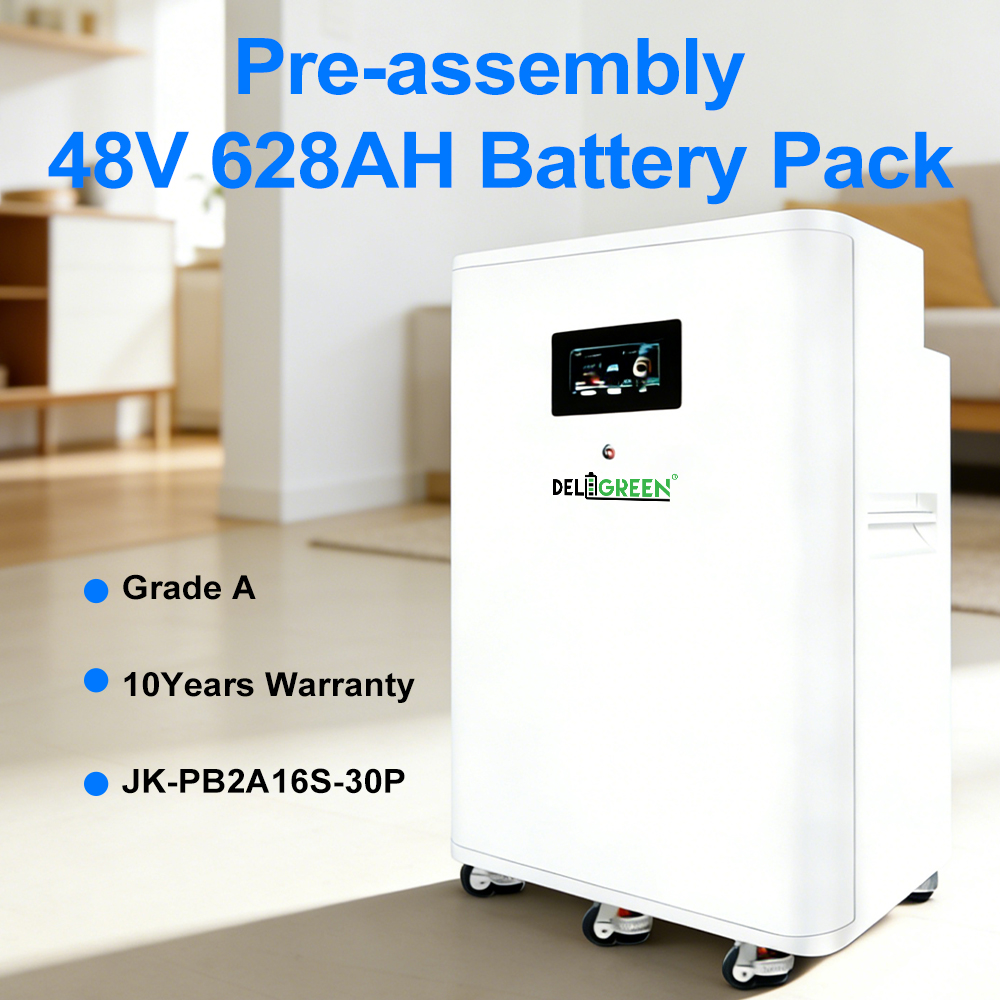
Battery capacity directly affects how long a storage system can supply power. Before choosing a battery, list the connected appliances, their rated power, daily operating hours, and required backup time. A 100Ah battery may suit some home backup systems, RVs, and small solar applications. A 200Ah battery can provide longer operating time for certain off-grid and mobile power systems. Batteries rated at 280Ah or higher are commonly used in large storage cabinets and commercial or industrial projects. Actual capacity requirements also depend on depth of discharge, continuous discharge current, and inverter efficiency. If several devices need to operate simultaneously or for extended periods, consider a larger battery or expand the battery bank when permitted by the manufacturer. Providing sufficient capacity can reduce frequent deep discharging and support stable battery operation.
What Specifications Should You Check When Matching Battery Voltage and Capacity?
After determining voltage and capacity, check the battery’s charging and discharging performance and the specifications of connected equipment. In home storage, off-grid solar, and commercial energy storage systems, the battery usually works with an inverter, charger, controller, and BMS.
Important specifications include:
- Rated voltage: Make sure it matches the inverter and equipment input requirements.
- Rated capacity: Choose a suitable Ah rating based on load and backup time.
- Continuous discharge current: Confirm that the battery can meet the equipment’s operating current requirements.
- Charging parameters: Check that the charger and solar controller support LiFePO4 batteries.
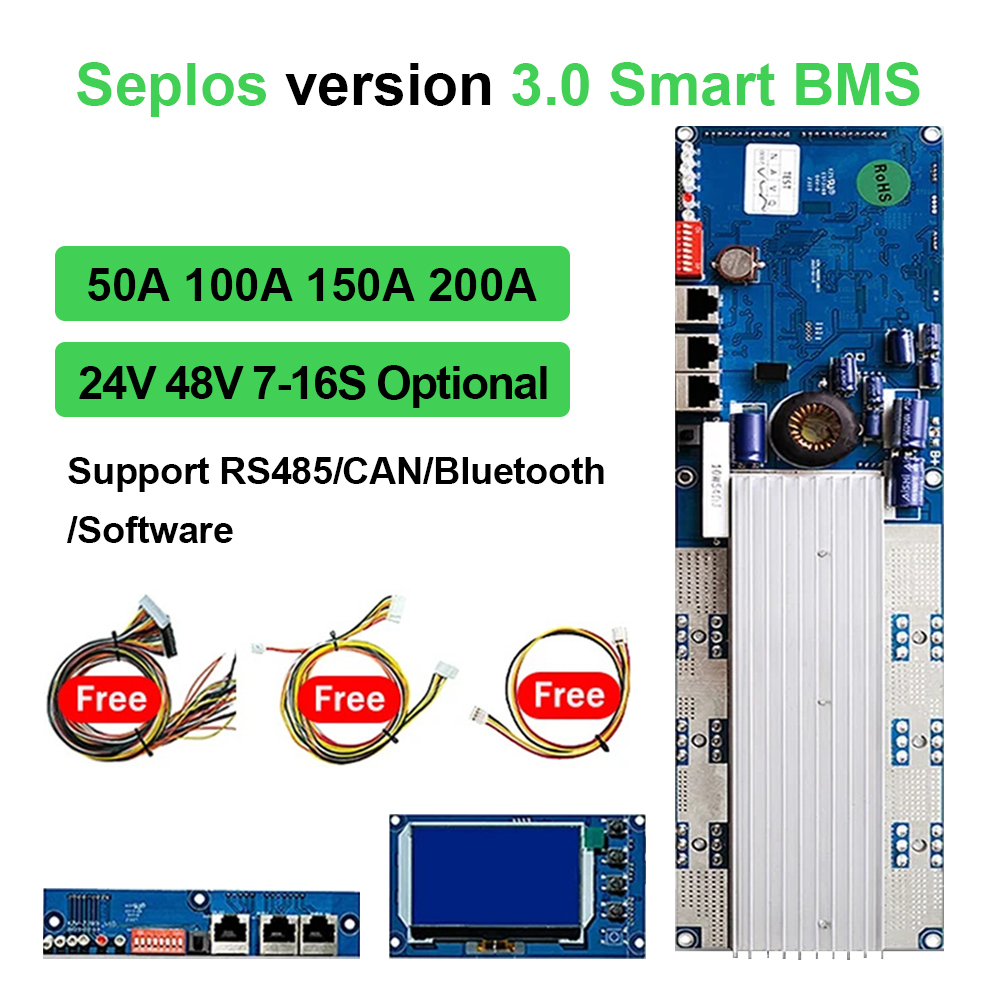
- BMS protection: Look for overcharge, over-discharge, overcurrent, short-circuit, and temperature protection.
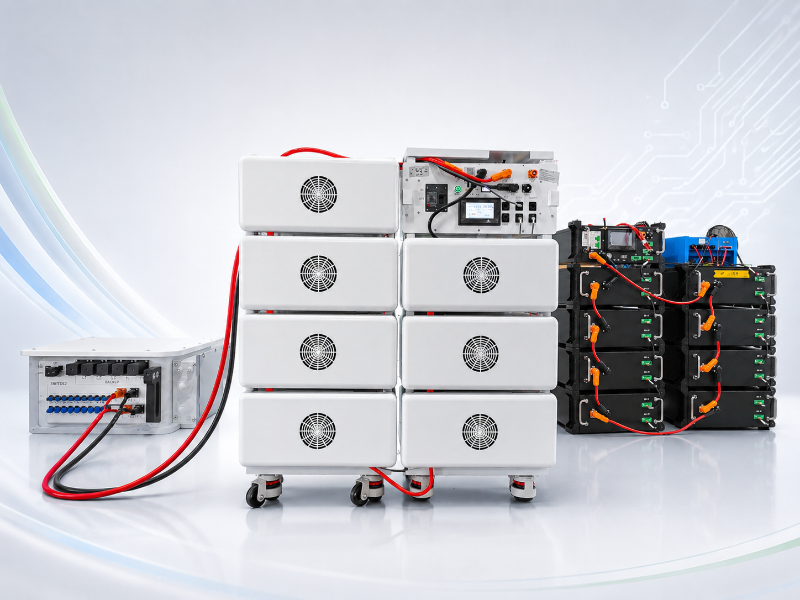
If multiple batteries are connected in series or parallel, follow the manufacturer’s instructions. Confirm that the battery models, voltage, capacity, and condition meet the connection requirements. Avoid mixing batteries with different specifications without manufacturer approval. Proper configuration improves system compatibility and operating stability.
How Do You Choose the Right LiFePO4 Battery Configuration?
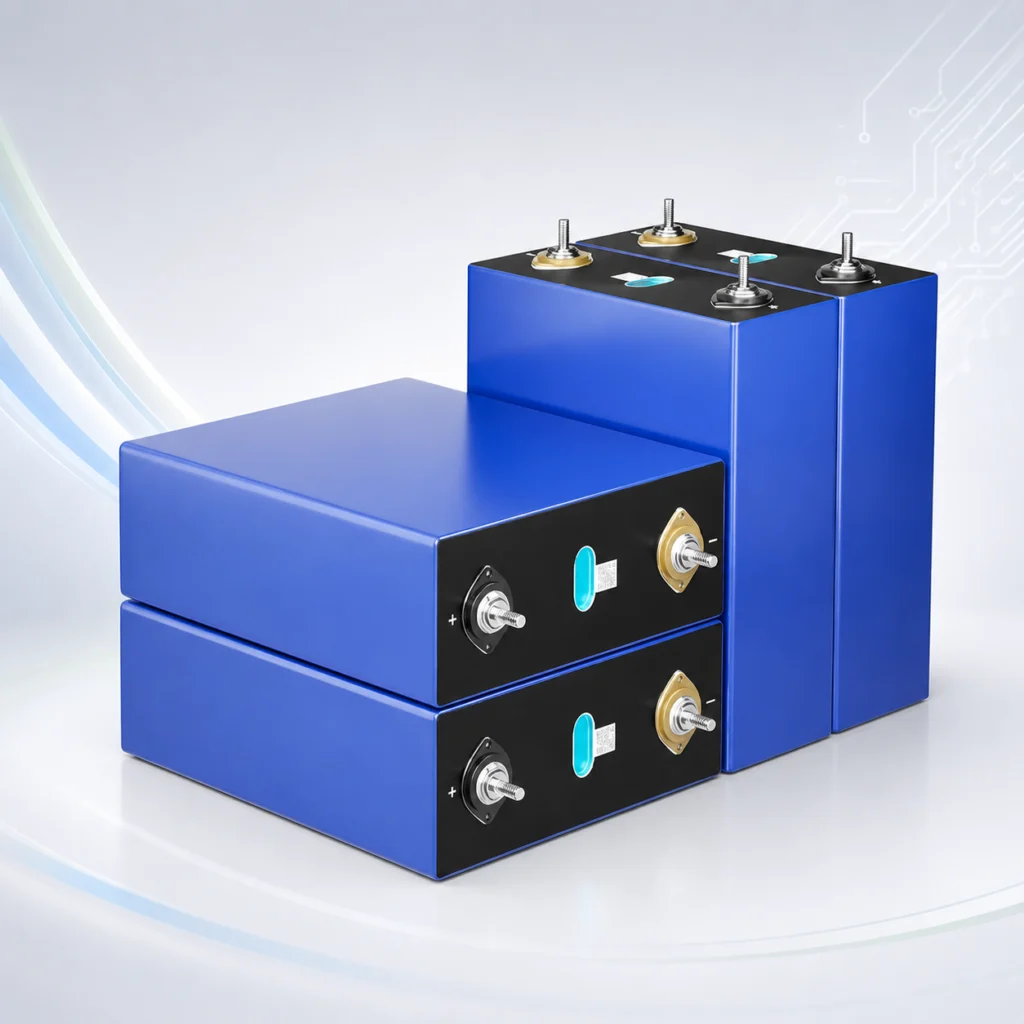
The right battery configuration depends on the intended application. Home energy storage users should consider inverter voltage, daily electricity consumption, and backup time. RV owners should focus on installation space, battery weight, equipment power, and charging methods. Commercial and industrial projects need to evaluate load requirements, operating hours, expansion plans, and system monitoring functions. For solar storage systems, check compatibility between the solar panels, MPPT controller, and battery. When purchasing, provide the supplier with your equipment model, target voltage, required capacity, and operating environment. You should also review cell quality, cycle life, BMS functions, warranty coverage, and technical support. Choosing a reliable LiFePO4 battery with clear specifications and customization options helps build a safe and stable energy storage system for long-term use.