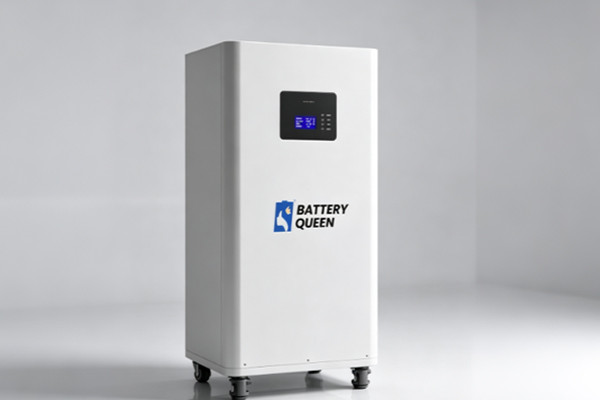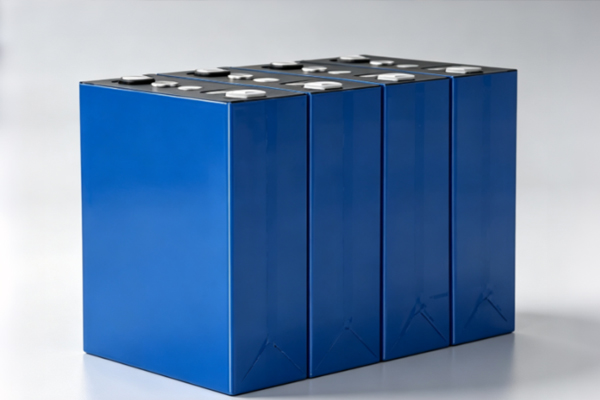
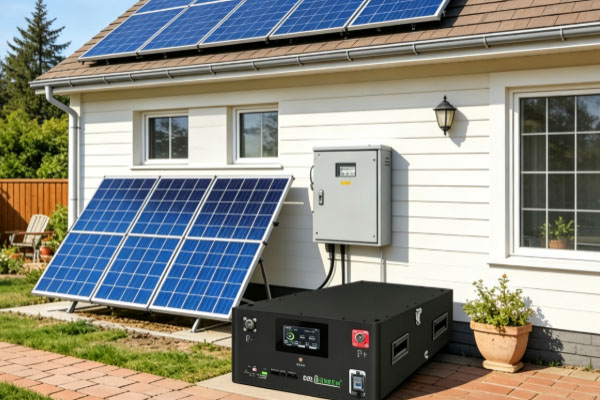
As residential photovoltaic (PV) power generation systems become increasingly popular, more homes are using rooftop solar panels to generate electricity. PV power generation has clear time-dependent characteristics. Power generation is higher when sunlight is sufficient during the day, while household lighting, air conditioners, refrigerators, water heaters, and other appliances still require continuous electricity at night. If the electricity generated by the PV system cannot be used immediately, it needs to be fed into the grid or handled through other methods. With a residential energy storage lithium battery, excess electricity generated during the day can be stored and used at night, on cloudy days, or during grid failures, creating a more stable connection between PV generation and household electricity consumption. A residential solar energy storage system generally consists of PV modules, a hybrid energy storage inverter, an energy storage lithium battery, BMS, an electricity meter, and household loads. Lithium iron phosphate batteries offer good safety, cycling capability, and suitability for long-term energy storage, making them widely used in residential energy storage systems. Current residential energy storage products are also increasingly adopting wall-mounted, floor-standing, stacked, and modular designs, allowing flexible configuration according to residential space and actual electricity requirements.
Why Residential PV Systems Need Energy Storage Batteries
Store Excess Solar Energy Generated During the Day
The power generation period of a residential PV system does not always match the household electricity consumption period. During the day, when family members are away at work or school, household electricity consumption may be relatively low, while rooftop PV panels continue generating electricity. An energy storage battery can store electricity that is not temporarily needed. In the evening and at night, PV generation gradually decreases while household electricity demand may increase significantly. The energy storage battery can supply electricity to household loads through the inverter. This operating method can reduce dependence on grid electricity and improve the utilization of PV-generated electricity within the home. Existing residential solar-plus-storage solutions commonly adopt the operating mode of “PV power supply during the day + excess electricity storage + battery power supply at night.”
Reduce Electricity Purchases During Peak Hours
Residential electricity prices vary by region, and some markets also implement peak and off-peak electricity pricing. Households can use solar energy generated during the day to charge the energy storage battery and release stored electricity at night or during periods with higher electricity prices.
| Household Electricity PeriodPV System StatusEnergy Storage Battery Status | ||
| Morning | PV generation gradually increases | Electricity can be prioritized for household use |
| Noon | High power generation | Excess electricity is charged into the battery |
| Evening | PV generation decreases | Battery begins discharging |
| Night | Little or no PV generation | Energy storage battery continues supplying power |
| During Power Outages | PV or grid power is unavailable | Provides power for backup loads |
This configuration allows solar energy generated during the day to be utilized more effectively and provides greater flexibility in household electricity consumption.
Provide Backup Power During Power Outages
Residential energy storage is not only used to reduce daily electricity costs but can also serve as a backup power source. When the grid experiences an abnormality, the system can supply power to predefined backup loads, such as refrigerators, lighting, network equipment, monitoring equipment, and selected essential outlets. It should be noted that the actual backup power duration depends on battery capacity, equipment power consumption, and the number of household loads. Therefore, energy storage battery capacity should not be determined solely by PV installed capacity. Actual daily household electricity consumption must also be considered during system design.
How Lithium Iron Phosphate Batteries Are Used for Residential Energy Storage
Safety and Stability Are Important Foundations for Residential Energy Storage
Residential energy storage equipment is generally installed near the home and needs to undergo long-term charging and discharging. Therefore, cell safety, BMS protection, and overall structural design are highly important. Lithium iron phosphate (LiFePO4) batteries have stable material characteristics and are suitable for long-term cycling energy storage. Through proper cell configuration and BMS management, battery voltage, current, temperature, and other operating conditions can be monitored, allowing timely protection when abnormal conditions occur. Energy storage batteries need to be considered as a complete solution, including cell selection, series-parallel configuration, BMS, battery enclosure, connectors, wiring harnesses, and thermal management design.
Design Battery Capacity According to Household Requirements
Common residential energy storage battery capacities can gradually increase from several kWh. The required capacity should be calculated based on daily household electricity consumption, PV installed capacity, nighttime electricity consumption, and required backup duration during power outages. For example, if a household has high PV generation during the day and mainly uses lighting, refrigerators, network equipment, and selected appliances at night, a smaller-capacity energy storage battery may be sufficient. If the home has multiple air conditioners, electric water heaters, water pumps, or electric vehicle charging requirements, higher energy storage capacity and continuous output capability will be required.
Common configurations can follow the ideas below:
| Usage RequirementsEnergy Storage ConfigurationMain Applications | ||
| Basic household electricity | Starting from around 5kWh | Lighting, refrigerators, networks, etc. |
| Higher nighttime electricity consumption | Around 10kWh | Household nighttime loads |
| Zoned backup | 10–20kWh | Essential appliances and backup circuits |
| Whole-home energy storage | 20kWh and above | High-capacity household electricity use |
| Future expansion | Modular batteries | Increase capacity according to electricity consumption |
The actual specifications also need to be determined based on the inverter, voltage platform, continuous power, and local grid-connection requirements.
Modular Design Facilitates Future Expansion
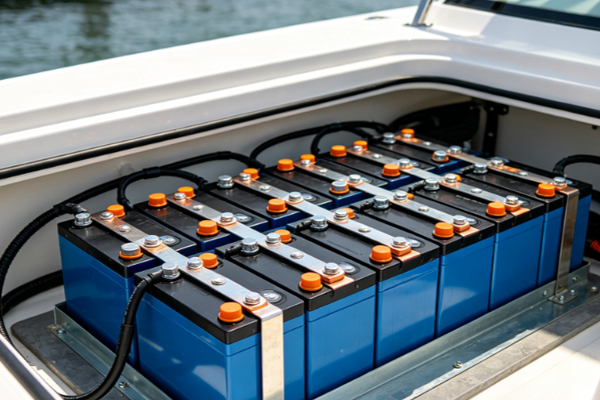
Household electricity requirements may change as air conditioners, heat pumps, EV charging equipment, and other loads are added. Therefore, energy storage batteries can adopt a modular design. Users can install the basic capacity according to their initial budget and add battery modules later when the system allows expansion. Wall-mounted, stacked, and rack-mounted batteries can all be used for residential energy storage. Different structures are suitable for different installation environments. Product design needs to consider battery capacity, installation space, maintenance convenience, and protection requirements. Modular expansion has already become widely used in residential energy storage products.
System Configuration of Residential PV Energy Storage Batteries
PV Modules Generate Electricity
Rooftop solar panels convert solar energy into electricity. The generated electricity can directly supply household loads, while excess electricity can be stored in the energy storage battery. The quantity and power of PV modules need to be planned according to roof area, local sunlight conditions, annual household electricity consumption, and target power generation. PV capacity and battery capacity do not need to be exactly the same. A reasonable combination can reduce initial investment while ensuring that the energy storage equipment has sufficient charging power available.
The Inverter Handles Power Conversion
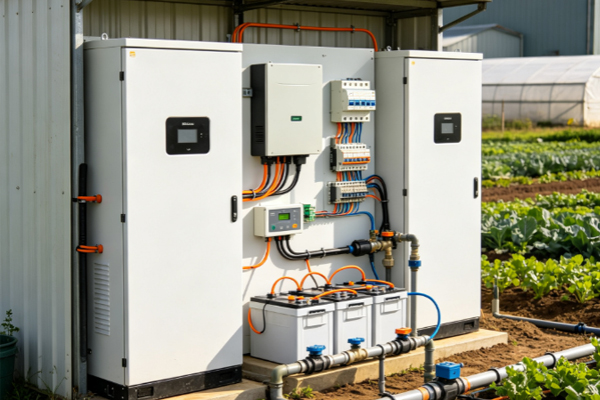
The inverter in a residential energy storage system handles power conversion and distribution between PV modules, batteries, household loads, and the grid. A hybrid inverter can adjust power flow according to system conditions, allowing PV power to supply household loads first, then charge the battery, or allowing the battery to supply household loads at night. When selecting a battery, it is necessary to confirm the battery’s rated voltage, maximum charging and discharging current, communication method, and battery protocols supported by the inverter to avoid communication or power control problems after installation.
The BMS Manages Battery Status
The BMS is an important component of an energy storage lithium battery. It monitors the operating status of the battery pack and performs protection against overcharging, over-discharging, overcurrent, abnormal temperature, and other conditions according to preset parameters. Since residential energy storage systems need to operate for long periods, the BMS should not only monitor individual charging and discharging cycles but also record battery operating conditions to provide data support for subsequent maintenance and fault diagnosis.
Residential energy storage lithium batteries generally have the following structure:
PV Modules → Hybrid Inverter → Household Loads
PV Modules → Energy Storage Battery → BMS → Inverter → Household Loads
Grid → Inverter → Household Loads / Energy Storage Battery
Coordination between these devices can form a complete residential PV energy storage power supply solution.
Customization and Application of Residential Energy Storage Lithium Batteries
Design Battery Structures According to Residential Space
Residential installation environments vary, so battery enclosures can adopt wall-mounted, floor-standing, or stacked structures according to available space. Compact designs can be considered for homes with limited space, while larger modular solutions can be used when sufficient equipment room space is available. Battery enclosures also need to consider requirements such as dust protection, water resistance, heat dissipation, and installation fixation. If the battery is installed in a garage, storage room, or outdoor area, the corresponding protection design should be selected according to local environmental conditions.
Provide Different Voltages and Capacities for Target Markets
Residential grid standards, certification requirements, inverter brands, and installation methods vary between countries and regions. Therefore, export-oriented residential energy storage batteries should not be limited to one universal specification. Voltage, capacity, communication protocol, connection method, and relevant compliance documentation need to be confirmed according to the target market. For OEM/ODM projects, battery packs can be designed according to the customer’s product structure, including cell quantity, capacity, voltage platform, BMS, connectors, wiring harnesses, battery enclosure, and labels.
Provide Complete Services from Cells to Battery Packs
Reliable operation of residential PV energy storage batteries depends on stable cell quality and a complete production and testing process. During battery pack production, cell inspection, capacity grading and matching, welding connections, BMS installation, insulation testing, charge and discharge testing, and finished product inspection need to be performed. For export projects, corresponding transportation and product documentation also needs to be prepared according to the target market. This includes applicable battery model access certificates, transport test summaries, safety data sheets, and compliance reports, helping buyers complete product introduction and market preparation.
Frequently Asked Questions
Q: Does every residential PV system need an energy storage battery?
A: Not every home needs to install energy storage. If household electricity consumption is high during the day and PV generation can be directly consumed, the need for energy storage may be relatively low. If the goal is to increase solar self-consumption, reduce nighttime electricity purchases, or provide backup power during outages, adding an energy storage battery is more suitable.
Q: What are the advantages of using lithium iron phosphate batteries for residential energy storage?
A: Lithium iron phosphate batteries are suitable for long-term charging and discharging applications. They offer good safety performance and cycling capability and can be managed through a BMS, making them widely used in residential energy storage.
Q: Can additional batteries be added later?
A: Modular energy storage systems are generally more convenient to expand. However, additional batteries need to meet the voltage, capacity, BMS communication, and inverter requirements of the existing system. Therefore, it is recommended to reserve sufficient expansion capacity during the initial design stage.
Make Solar Energy a Practical Source of Household Power
After a home installs a PV system, electricity generated during the day may not be used immediately, creating a mismatch between power generation and electricity consumption periods. The role of an energy storage battery is to store this electricity first and release it when needed. When solar energy is sufficient during the day, the battery can be charged. After the household returns home at night, the stored electricity can be used. During a power outage, the system can also provide backup power for important equipment such as refrigerators, lighting, and network devices according to the configured backup loads.
Lithium iron phosphate batteries offer good safety and long-term cycling capability. Combined with a BMS, inverter, and properly designed battery structure, they can form a more stable residential PV energy storage system. We provide OEM/ODM services for lithium iron phosphate cells, battery packs, BMS, and energy storage systems, with battery solutions designed according to actual household electricity requirements. Contact our team via WhatsApp +86 15074995718 or email info@deligreen.net, and submit your required storage capacity, target market, and product requirements to obtain project-specific battery configuration and customization support.