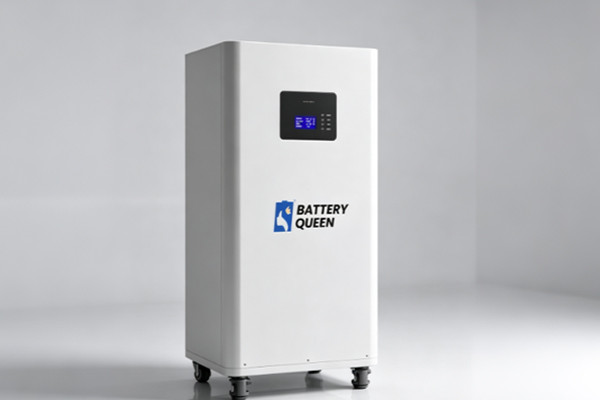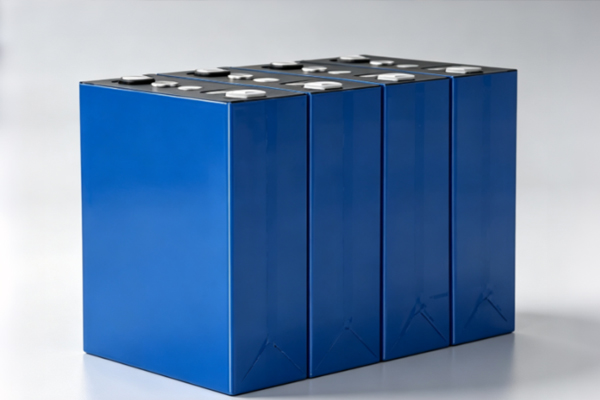
Electric concrete vibrators are commonly used vibration equipment in concrete construction. They mainly remove air from inside the concrete through high-frequency vibration, making the concrete denser and reducing construction problems such as honeycombs and voids. Traditional corded vibrators need to be connected to a power source. During long-distance construction, in complex building environments, or when performing mobile operations, power cords can cause inconvenience when carrying the equipment and limit the operating range. With the development of cordless power tools, lithium battery-powered concrete vibrators are gradually being used in construction, road construction, floor construction, foundation engineering, and maintenance projects. The battery is an important component of a cordless vibrator. The vibration motor requires a relatively high instantaneous current when starting, while the battery also needs to maintain stable output during continuous operation. Therefore, the battery needs to provide sufficient voltage and capacity while also having good discharge performance, cycle performance, and safety protection. Lithium iron phosphate batteries feature a long cycle life, good thermal stability, and high safety performance, making them suitable for electric construction equipment that requires long-term repeated use.
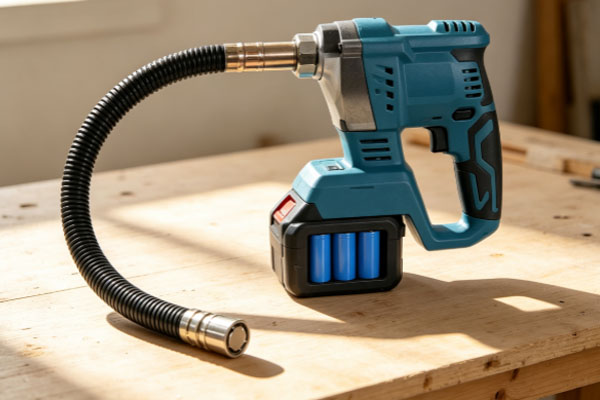
Basic Requirements for Lithium Batteries Used in Electric Concrete Vibrators
Operating Load Determines Battery Output
Concrete vibrators usually require a relatively high current during startup. After the motor enters a stable operating state, it continues to consume electrical energy. If the battery output capability is insufficient, the equipment may experience startup difficulties, reduced vibration force, or shorter operating time. Therefore, battery design should not focus only on capacity. Voltage, current, cell configuration, internal battery resistance, and BMS protection parameters all need to be coordinated with the vibrator motor. The required voltage and operating current can be calculated based on the equipment’s rated power, operating time, and usage frequency, followed by determining the number of cells connected in series and parallel. For example, when the equipment uses a 48V power platform, the battery pack capacity can be designed according to the actual motor power, operating time, and usage frequency. Increasing capacity can extend the operating time per charge, but it also increases the weight and size of the battery.
Battery Capacity Affects Continuous Operating Time
Construction sites usually require continuous vibration work for a certain period of time, so battery capacity directly affects the operating time after a single charge. A larger battery capacity is not always better. If the capacity is too small, the equipment needs to be frequently replaced or recharged; if the capacity is too large, the overall equipment weight may increase, affecting carrying and operation by construction personnel. The actual design also needs to consider motor efficiency, load changes, available battery capacity, and ambient temperature.
| Key Lithium Battery Design Considerations for Vibrators | |
| Short-term construction | Appropriate capacity and control of overall equipment weight |
| Long-term continuous construction | Increase battery capacity and continuous discharge capability |
| Frequent startup | Focus on instantaneous output current |
| Outdoor construction | Strengthen battery protection and connection reliability |
| Frequent repeated use | Focus on cycle life and cell consistency |
Construction Environment Requires Battery Stability
Construction environments for concrete are significantly different from ordinary indoor power tool environments. Equipment may come into contact with cement dust, moisture, slurry, and significant mechanical vibration. The battery housing, connectors, wiring harnesses, and internal fixing structures all need to account for these operating conditions. The battery pack should not focus only on the cells themselves. The fixing method and protective structure also need to be designed according to the overall equipment structure. Proper cell arrangement, insulation treatment, wiring harness fixation, and housing design can reduce the impact of long-term vibration on the battery.
How Lithium Iron Phosphate Batteries Are Used in Concrete Vibrators
Cell Configuration Needs to Be Determined According to Equipment Specifications
Lithium iron phosphate cells have good cycle performance and thermal stability and can be used in electric construction equipment. The specific number of cells connected in series and parallel needs to be determined according to the vibrator’s operating voltage, power, continuous current, and installation space. For example, for 48V-class equipment, a battery pack can commonly use a 16-series lithium iron phosphate cell configuration, with a full-charge voltage of approximately 58.4V. If the equipment requires a higher or lower operating voltage, the number of cells connected in series needs to be redesigned. Capacity can be adjusted through the number of cells connected in parallel. This can change the battery capacity while also improving the continuous output capability of the battery pack. During battery pack design, the parameters of the motor controller, switch, connector, and charger also need to be checked to ensure consistency throughout the power supply chain.
BMS Provides Battery Operating Protection
The BMS is an important protection component in a lithium battery pack. When a concrete vibrator is operating, the battery experiences continuous discharge, changes in startup current, and frequent switching. Therefore, the BMS needs to be configured according to the actual battery pack parameters.
Common protection functions include:
- Overcharge protection
- Over-discharge protection
- Overcurrent protection
- Short-circuit protection
- Temperature monitoring
- Cell balancing
BMS parameters need to be adjusted based on the cell specifications, number of cells connected in series, equipment operating current, and charger parameters. If the equipment needs to monitor battery status, communication functions such as CAN or RS485 can also be added according to product requirements to read data such as voltage, current, temperature, and remaining battery capacity.
Structural Design Determines Whether the Battery Is Easy to Install
The battery space of construction equipment is usually limited. The battery pack needs to fit into a designated position and connect with the motor control system. Therefore, the external dimensions of the battery are also important factors to confirm during customization. For example, the battery can be designed in a rectangular, elongated, or other customized shape according to the equipment structure, with mounting holes, connection wires, plugs, and switch positions reserved. If a removable battery structure is used, special attention should be paid to the number of plug-in and unplugging cycles, locking method, and connector fixation. After installation, the battery should not experience significant movement during continuous equipment vibration, as this may affect connection stability.
Custom Lithium Battery Design Process for Concrete Vibrators
Confirming Equipment Parameters
Battery customization usually starts with confirming the vibrator’s voltage, power, rated current, peak current, operating time, and installation dimensions. If an existing battery is available, its label, dimensions, and interface information can also be provided to facilitate redesign.
The following basic parameters are recommended:
| Main Parameters to Confirm | |
| Equipment rated voltage | Determine the number of cells connected in series |
| Motor power | Estimate operating current |
| Continuous operating time | Determine battery capacity |
| Peak current | Determine discharge capability and BMS specifications |
| Battery compartment dimensions | Determine battery dimensions |
| Charger parameters | Confirm charging voltage and current |
| Interface type | Confirm the connection method between the battery and equipment |
| Operating environment | Determine housing and protection design |
After these data are confirmed, cell selection, series-parallel configuration, BMS configuration, and structural design can be carried out, reducing repeated modifications at later stages.
Sample Testing Needs to Cover Actual Operating Conditions
After the battery sample is completed, static capacity testing alone is not sufficient. The battery should also be installed in the actual concrete vibrator for operating tests. During testing, startup performance, continuous operating time, battery temperature rise, output stability, and BMS protection status can be observed. If the equipment needs to operate continuously for a long period, repeated charge and discharge tests can also be conducted to check performance changes after multiple uses. For construction equipment, mechanical vibration is also an important testing factor. Whether the battery fixing structure, connection wires, and plugs remain stable after continuous vibration needs to be confirmed through actual testing.
Mass Production Requires Consistency in Cells and Assembly
After the battery pack enters mass production, cell selection, welding, BMS installation, wiring harness processing, and finished product inspection all need to follow consistent standards. Cell consistency affects the overall performance of the battery pack, so necessary cell testing and matching should be carried out during production. Finished products also need to be checked for voltage, capacity, protection functions, insulation condition, and connection structure. For export products, corresponding battery documentation should be prepared according to the target market and transportation requirements, such as certificates applicable to the battery model, transport test summaries, safety data sheets, and relevant compliance documents.
Battery Solution Selection for Different Construction Requirements
Small Portable Concrete Vibrators
Small vibrators usually place greater emphasis on lightweight design and portability. Battery capacity should not be increased without considering actual requirements. An appropriate capacity can be selected based on the operating time per use while controlling the weight of the battery pack. If the construction period is short, a moderately sized removable battery can be used, allowing construction personnel to carry spare batteries for rotation and reducing waiting time for charging.
Medium- and High-Power Concrete Vibrators
Medium- and high-power equipment requires higher continuous discharge capability. Battery pack design needs to consider cell specifications, series-parallel configuration, and continuous BMS current. If the motor has a high startup current, the peak output capability of the battery also needs to be confirmed. Increasing capacity alone cannot solve all power supply issues. Cell discharge performance and BMS current parameters are equally important.
Equipment for Long-Term Construction
Long-term construction places greater emphasis on battery capacity, cycle life, and thermal management. Properly increasing battery capacity can reduce the number of charging cycles, but it also increases weight. Therefore, cells with higher energy density can be used, and the internal battery space can be rearranged according to the equipment structure. If the equipment supports battery replacement, multiple batteries can be used in rotation to improve the continuity of on-site operations.
Frequently Asked Questions
Can an electric concrete vibrator use a lithium iron phosphate battery?
Yes. Lithium iron phosphate batteries have good cycle life and thermal stability and are suitable for electric construction equipment that requires repeated charging and discharging. During actual use, the battery pack needs to be designed according to the vibrator’s rated voltage, current, and motor power.
What battery capacity should be used for a 48V concrete vibrator?
Capacity cannot be determined based on 48V alone. The equipment power and expected continuous operating time also need to be known. For example, even with the same 48V rating, different concrete vibrators may have significantly different power consumption. The required Wh can be calculated based on equipment power and target operating time, followed by determining the Ah capacity.
Does a larger battery capacity mean a longer operating time for the concrete vibrator?
When other conditions are basically the same, increasing capacity can generally extend operating time. However, battery weight, size, and cost will also increase. Therefore, an appropriate capacity should be selected according to the actual construction time.
Can the battery be customized according to the dimensions of the vibrator’s battery compartment?
Yes. The lithium battery pack can be customized according to the equipment’s internal space, including dimensions, interfaces, wiring length, and fixing method. After providing the battery compartment dimensions and equipment parameters, the corresponding battery structure can be designed.
Professional Lithium Iron Phosphate Battery Manufacturer
We specialize in the R&D, production, and sales of lithium iron phosphate battery cells, battery packs, BMS, and energy storage systems. Customized battery solutions can be provided according to the voltage, power, operating time, and installation space of electric concrete vibrators, with OEM/ODM services also available. From cell selection and battery structure design to BMS configuration and finished product inspection, production and quality control are carried out according to product requirements. For global markets, we can provide applicable battery model certificates, transport test summaries, safety data sheets, and compliance reports. We provide global buyers with reliable lithium iron phosphate batteries, battery packs, DIY battery boxes, BMS accessories, and scalable energy storage solutions.
If you are developing a cordless concrete vibrator or need to replace an existing battery, you can provide the equipment voltage, power, battery dimensions, and expected operating time. Our team can further confirm the battery solution based on the actual parameters.
WhatsApp: +86 15074995718
Email: info@deligreen.net