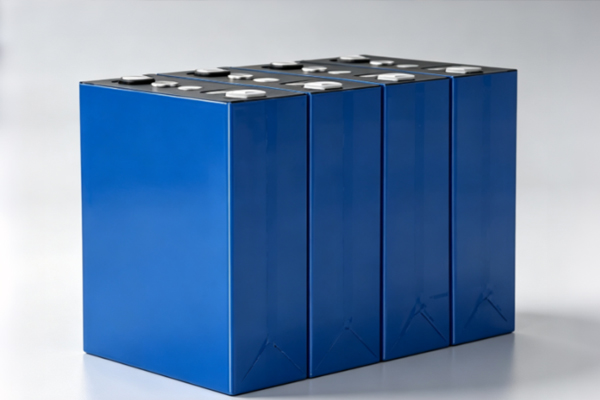
As hotel buildings become larger and their service facilities continue to expand, guest rooms, dining areas, conference centers, laundry rooms, parking facilities, central air conditioning, and other equipment place higher demands on electricity supply. Although traditional centralized power supply can meet basic electricity requirements, large hotels, multi-building hotels, and integrated resorts may experience challenges such as long power supply distances, concentrated local loads, and limited energy scheduling flexibility. A distributed energy storage system addresses these challenges by deploying LiFePO4 battery storage units in different electricity-consuming areas and combining energy storage, load regulation, and backup power into a flexible hotel energy management system.
A distributed energy storage system can be configured according to the hotel’s building layout, electrical equipment distribution, and operating schedules. Independent storage units can be installed for guest room buildings, dining areas, equipment rooms, parking facilities, and other locations according to actual requirements. These units can then be monitored and coordinated through an energy management system. LiFePO4 batteries offer good cycling capability, relatively high thermal stability, and convenient maintenance characteristics, making them suitable for hotel applications such as peak-load management, photovoltaic energy storage, and backup power for critical equipment.
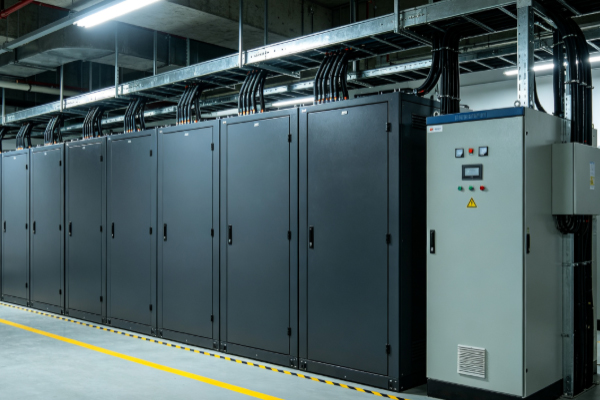
Advantages and Configuration Methods of Distributed Energy Storage Systems for Hotels
Hotel electricity consumption varies significantly between different areas. Guest room electricity demand is affected by occupancy rates and daily schedules, dining areas may experience concentrated loads during business hours, while central air conditioning and hot water systems may operate for extended periods. A distributed energy storage system can position storage equipment close to specific loads, combining LiFePO4 batteries with PCS, BMS, EMS, and distribution equipment to provide more flexible power scheduling. A suitable design needs to consider battery capacity, system power, operating safety, installation space, and future expansion requirements.
Key Advantages of Distributed Energy Storage Systems for Hotels
A distributed energy storage system is not simply an increase in battery capacity. It establishes a zoned energy storage and centralized management structure based on the electricity consumption characteristics of different hotel areas. By scheduling battery charging and discharging appropriately, hotels can store electricity during low-load or lower-cost periods and release energy when electricity demand increases.
The key advantages include:
- More flexible zoned power supply: Storage units can be configured for guest room buildings, dining areas, conference centers, and equipment zones according to their individual load characteristics.
- Reduced local load pressure: Energy storage equipment can provide supplementary power when air conditioning, kitchen equipment, or hot water systems operate simultaneously.
- Improved photovoltaic energy utilization: When photovoltaic systems are installed, surplus solar power generated during the daytime can be stored for nighttime or low-sunlight periods.
- Phased system construction: Hotels can install an initial storage capacity based on current electricity demand and add modules as the number of rooms and facilities increases.
- Support for critical equipment: When system capacity and design conditions permit, stored energy can support network equipment, access control systems, surveillance equipment, emergency lighting, and other critical loads.
- Improved energy monitoring: An EMS platform can display electricity consumption, battery status, and equipment alarms for different areas, helping managers understand energy usage.
These characteristics make distributed energy storage suitable for multi-building hotels and commercial properties with dispersed electricity loads, while also creating a foundation for future energy management upgrades.
How to Use Distributed Energy Storage Systems in Hotels
Before using a distributed energy storage system, the hotel should evaluate its electrical equipment in each area, including the number of guest rooms, central air-conditioning capacity, kitchen operating hours, hot water system loads, conference schedules, and public-area electricity requirements. Designers should classify ordinary and critical loads and determine the rated capacity, output power, installation location, and backup duration of each storage unit. For buildings located far apart, the electrical distribution lines, voltage levels, communication methods, and maintenance conditions should also be evaluated.
After commissioning, the EMS can be configured with charging schedules, discharge periods, SOC limits, and load priorities. The storage batteries can charge when electricity prices are lower or when the hotel’s overall load is relatively low. When restaurants, conferences, or air-conditioning systems increase electricity demand, the storage system can release energy according to preset strategies. Managers should regularly check battery temperature, charging and discharging current, SOC, communication status, and alarm records. Different storage units should maintain coordinated communication and operating strategies to prevent local overloads or uneven energy distribution.
Reference Configuration Table for Hotel Distributed Energy Storage Systems
Hotel building size, equipment power, and load distribution all influence the configuration of the energy storage system. The following table can be used as a preliminary reference during project planning. Specific parameters should be determined based on site surveys and actual load data.
| Hotel Application Area | Storage Configuration | Supporting Equipment | Main Application | Design Focus |
| Guest room building | Modular LiFePO4 batteries | BMS, PCS, EMS, distribution equipment | Guest room and common-area load regulation | Consider occupancy rates and floor-level load changes |
| Dining area | Medium-capacity storage unit | PCS, thermal management equipment, monitoring system | Kitchen and restaurant peak-load support | Consider equipment starting power and operating periods |
| Conference center | Flexible expandable storage system | BMS, PCS, intelligent distribution cabinet | Load support during conferences and events | Adapt to concentrated and temporary electricity demand |
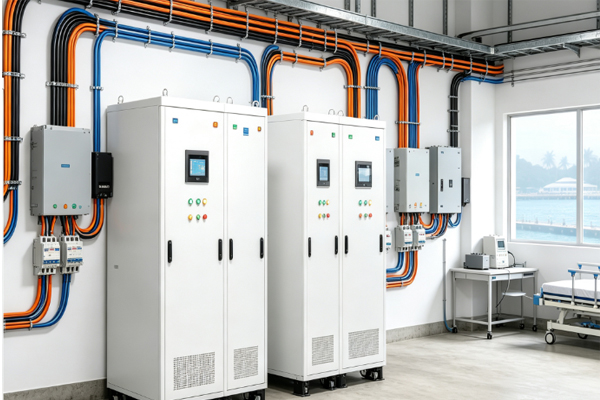
| Hotel equipment room | High-reliability storage equipment | Battery cabinet, protection devices, monitoring platform | Backup power for critical equipment | Define load priorities and backup duration |
| Multi-building hotel | Zoned storage with centralized management | Multiple battery cabinets, EMS, communication network | Energy scheduling between buildings | Coordinate communication, distribution, and control |
| Hotel with photovoltaic system | Expandable LiFePO4 storage system | PV modules, PCS, EMS | Solar energy storage and utilization | Match PV generation with hotel load patterns |
Through zoned deployment and centralized management, hotels can adjust the operating strategies of individual storage units according to actual operating conditions and avoid significant mismatches between system configuration and real electricity demand.
Application Scenarios and Intelligent Functions of Distributed Energy Storage Systems for Hotels
Distributed energy storage systems are suitable for hotels with dispersed electricity-consuming locations, significant load fluctuations, and backup power requirements. Different areas can have their own operating schedules based on business hours, equipment importance, and energy consumption patterns. Compared with a single large energy storage system, a distributed solution emphasizes matching each storage unit with nearby loads while using communication networks and an energy management platform for centralized monitoring, strategy control, and operating records.
Energy Storage Applications in Guest Room Floors and Public Service Areas
Electricity demand on guest room floors is affected by occupancy rates, seasonal temperatures, and guest activity schedules. At night, electricity consumption in some public areas may decline, while room lighting, air conditioning, network equipment, and hot water facilities may continue operating. Storage equipment can provide supplementary power according to floor-level load changes while maintaining a necessary energy reserve through SOC management. For hotels with several guest room buildings, independent storage units can be configured according to each building’s load and distribution structure and then coordinated through the EMS.
Reception desks, access control systems, surveillance equipment, network rooms, and emergency lighting generally require a high level of power continuity. During system design, their rated power, starting characteristics, and required backup duration should be clearly identified. Compatibility between the energy storage system, UPS equipment, backup generators, and automatic transfer equipment should also be verified. Distributed energy storage can provide power support for designated areas, but the actual emergency power capability depends on battery capacity, PCS performance, electrical distribution structure, and the transfer strategy.
Distributed Power Supply for Dining, Conferences, and High-Power Equipment
Hotel dining areas often experience high electricity demand during breakfast, lunch, dinner, and large banquet events. Induction cookers, ovens, dishwashers, refrigeration equipment, and exhaust systems in the kitchen may operate simultaneously, creating substantial short-term power demand. Conference centers may also experience concentrated loads when lighting, audio systems, projectors, air conditioning, and stage equipment start operating together. A distributed energy storage system can schedule charging in advance based on historical electricity consumption data and provide supplementary power during appropriate periods.
For high-power equipment such as central air conditioners, water pumps, elevators, and kitchen machinery, system design needs to verify the continuous output power, peak power capability of the PCS, and load capacity of the distribution equipment. Hotels can combine scheduled equipment startup, tiered power supply, and operating-time management to reduce temporary pressure caused by simultaneous equipment startup. Energy storage equipment should not be expected to handle all load regulation independently. It should coordinate with the hotel’s existing electrical distribution system, equipment control system, and safety protection equipment.
Core Functions of Hotel Distributed Energy Storage Systems
Hotel distributed energy storage systems need battery monitoring, energy scheduling, zoned control, communication management, and safety protection functions. Coordinated operation between these components improves system visibility and daily management efficiency.
- Zoned energy scheduling: The EMS schedules charging and discharging according to electricity demand in different buildings, floors, or functional areas.
- Battery condition monitoring: The BMS continuously monitors cell voltage, battery temperature, current, SOC, and other operating data.
- Load priority control: Stored energy is allocated according to equipment importance, with appropriate capacity reserved for critical loads.
- Photovoltaic coordination: When supported by the system architecture, PV generation is coordinated with hotel loads and energy storage equipment.
- Remote communication: Monitoring platforms provide access to operating conditions, energy flows, and alarm information for different storage units.
- Abnormal condition protection: The system identifies and protects against abnormal voltage, temperature, current, communication, and insulation conditions.
- Operating data recording: Charging and discharging records, power changes, equipment alarms, and maintenance information are stored for future operation and maintenance.
These functions help hotels establish a unified energy monitoring system, allowing managers to identify equipment status changes and adjust energy storage strategies according to actual loads. Intelligent management does not replace manual inspections, and regular maintenance and safety checks should still be performed according to equipment requirements.
Performance Requirements and Maintenance Design of Hotel Distributed Energy Storage Systems
A distributed energy storage system usually contains several battery units. Overall system performance depends not only on LiFePO4 battery capacity but also on PCS conversion efficiency, BMS control capability, communication stability, thermal management, and distribution protection. Hotel projects should select appropriate battery models and system power according to the load characteristics of different areas while ensuring that every storage unit operates within its specified environmental and electrical limits.
Performance Matching Requirements for LiFePO4 Batteries
The battery capacity of a hotel distributed energy storage system should be selected according to load power, storage duration, charging and discharging frequency, and backup requirements. For daily peak-load management, attention should be given to battery cycling conditions, depth of discharge, and overall system efficiency. For backup power applications, the hotel should confirm how long the battery can continuously supply the required power under the specified load conditions. The rated PCS power should match the corresponding area load, while equipment such as elevators, air-conditioning compressors, and kitchen machinery may require additional consideration of peak power demand caused by starting currents.
Different storage units may operate under different installation conditions. Equipment rooms in guest buildings, underground equipment rooms, and independent energy stations should be equipped with suitable temperature monitoring, ventilation, fire protection, and electrical protection measures according to site requirements. Adequate maintenance space should be provided around battery cabinets, while communication and power cables should be installed according to the system design. The BMS should be compatible with the PCS and EMS to ensure that battery status information can be transmitted accurately and promptly. This helps reduce the risk of operating problems caused by communication failures or inappropriate parameter settings.
Expansion and Daily Maintenance of Distributed Energy Storage Systems
Hotel operations may change as guest rooms are added, dining facilities are upgraded, or conference services expand. A distributed energy storage solution can initially be built around critical loads while reserving interfaces for additional battery cabinets, photovoltaic equipment, or other energy facilities. During expansion, the voltage specifications, capacity range, communication protocols, operating status, and system compatibility of new and existing battery modules must be verified. Batteries should not be connected in parallel simply because they have similar capacity ratings.
Daily maintenance should include standardized inspection records covering battery temperature, SOC changes, charging and discharging power, communication status, alarm information, and distribution equipment. Staff should also inspect connectors, cables, thermal management equipment, and protection devices to confirm that they remain in normal operating condition. Long-term operating storage units should receive professional inspections according to the manufacturer’s recommendations. If abnormal temperatures, unusual noise, communication interruptions, or voltage deviations are detected, appropriate measures should be taken promptly. Standardized maintenance procedures can help reduce operational risks and extend the effective service life of energy storage equipment.
A hotel distributed energy storage system uses LiFePO4 batteries as its core and combines zoned energy storage, load scheduling, photovoltaic coordination, backup power, and intelligent monitoring. It is suitable for guest room buildings, dining areas, conference centers, equipment rooms, and multi-building hotels. Project design should take into account the hotel’s building structure, electricity consumption profile, equipment power, installation conditions, and future expansion plans when determining battery capacity, PCS power, control strategies, and safety protection measures. With appropriate configuration and continuous maintenance, distributed energy storage systems can provide hotels with a more flexible solution for energy management and power support.