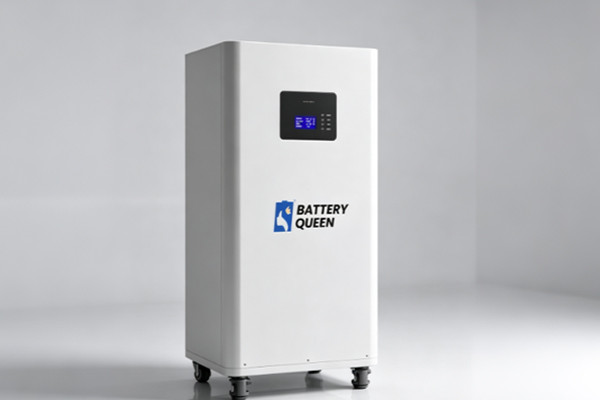
Energy storage, short-distance transportation, and backup power projects have increasingly specific requirements for battery technology, and focusing only on capacity is no longer sufficient for practical procurement needs. Sodium-ion battery packs are gradually entering certain new energy applications due to their abundant sodium resources and relatively good low-temperature adaptability. For enterprise customers, understanding cell performance, pack configuration, management systems, and application directions helps determine whether this type of product can meet specific project requirements.
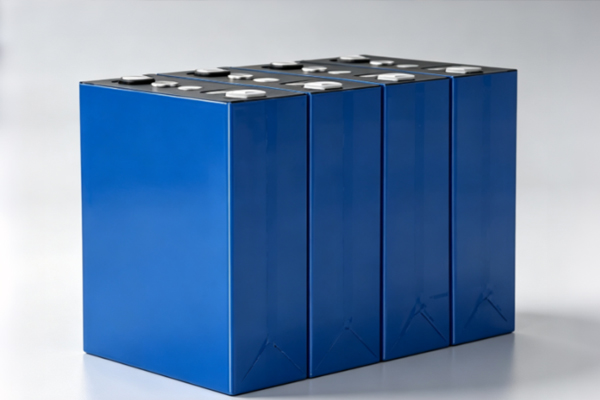
What Are the Performance Characteristics of Sodium-Ion Battery Packs?
The specific performance of sodium-ion battery packs depends on the cell chemistry, pack configuration, and operating conditions. Practical evaluation needs to be based on the actual operating environment of the project.
Stronger Low-Temperature Adaptability
Low-temperature operating capability is one characteristic that has attracted attention to sodium-ion batteries, making them suitable for certain cold regions and outdoor equipment.
- They can maintain relatively stable discharge capability at lower temperatures.
- They can be used in energy storage equipment, low-speed vehicles, and certain industrial equipment in cold regions.
- Combined with an appropriate thermal management solution, they can improve operating conditions in low-temperature environments.
Good low-temperature adaptability can reduce the impact of cold environments on power supply stability.
Energy Density Needs to Be Evaluated Based on Equipment Conditions
Energy density directly affects the weight, volume, and range of a battery pack, making it an important parameter to calculate during project design.
- The current energy density of sodium-ion batteries is generally lower than that of advanced lithium-ion batteries.
- For weight-sensitive equipment, the total battery pack weight and installation space need to be carefully calculated.
- Fixed energy storage and short-distance transportation projects can configure capacity according to actual requirements.
Reasonable evaluation of energy density helps find a suitable configuration that balances range, weight, and installation space.
What Are the System Design Characteristics of Sodium-Ion Battery Packs?
After cells are combined, electrical connections, the BMS, and structural systems are also required for unified management to form a complete battery pack.
The Battery Pack Requires a Suitable BMS
The BMS collects and manages battery pack operating data and provides unified monitoring of multiple cells.
- Collects parameters such as individual cell voltage, total voltage, current, and temperature.
- Performs status monitoring and balancing management for series-connected cells.
- Provides overcharge, over-discharge, overcurrent, and temperature protection according to abnormal conditions.
- Provides status data such as SOC and SOH according to equipment requirements.
A comprehensive BMS improves coordinated management between cells and also facilitates subsequent fault analysis.
PACK Structure Needs to Balance Space and Protection
The pack structure directly affects installation efficiency, mechanical stability, and future maintenance conditions.
- Optimizes cell arrangement according to the internal space of the equipment.
- Strengthens fixing structures according to operating conditions such as vibration and impact.
- Reserves appropriate space for wiring harnesses, connectors, the BMS, and maintenance components.
A reasonable structural layout can reduce installation conflicts and improve the engineering adaptability of the battery pack.
Thermal Management Needs to Match Actual Operating Conditions
Battery packs generate heat during charging and discharging, so temperature management needs to cover the entire cell group and key connection areas. During design, heat conduction and dissipation paths should be planned based on cell arrangement density, continuous power, ambient temperature, and installation space. Fixed energy storage, vehicles, and industrial equipment have different operating conditions, so thermal management solutions also need to be adjusted accordingly. Proper temperature distribution control can improve the operating stability of battery packs during continuous operation.
What Applications Are Sodium-Ion Battery Packs Suitable For?
The technical characteristics of sodium-ion battery packs allow them to cover projects with specific requirements for low-temperature adaptability, cost structure, and continuous power supply capability.
Energy Storage Equipment
Energy storage projects typically require long-term operation and place greater emphasis on cycle capability, system cost, and environmental adaptability.
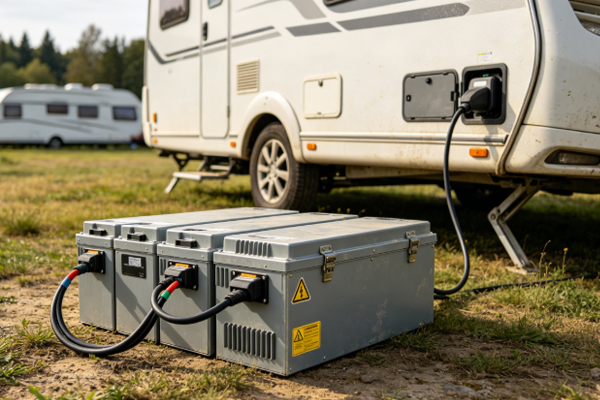
- Residential and small-scale energy storage systems can configure capacity according to actual loads.
- Commercial and industrial energy storage can plan battery capacity based on electricity demand.
- Fixed energy storage projects are relatively less sensitive to battery weight.
Sodium-ion batteries have application potential in fixed energy storage, but project implementation still needs to consider system lifespan, efficiency, and overall cost.
Two-Wheelers, Three-Wheelers, and Low-Speed Vehicles
The battery requirements of short-distance transportation vehicles generally focus on balancing capacity, weight, cost, and environmental adaptability.
- Electric two-wheelers can configure appropriate capacity according to available vehicle space.
- Electric three-wheelers can adjust battery specifications based on payload and transportation distance.
- Some low-speed vehicles can utilize their low-temperature performance characteristics to improve the user experience in cold regions.
The operating conditions of these vehicles are relatively clear, making it easier to configure the battery according to routes and loads.
Industrial and Backup Power Equipment
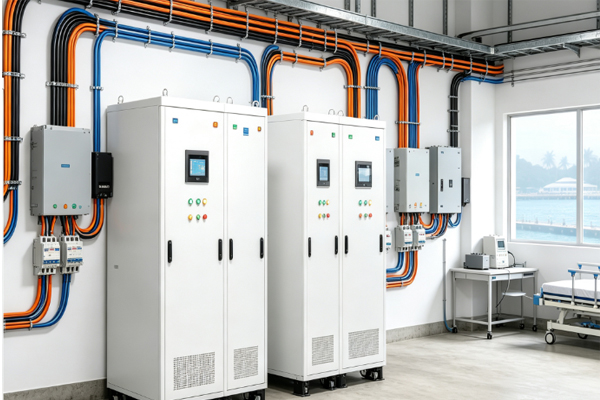
Industrial equipment and backup power systems place greater emphasis on continuous power supply and long-term operating stability. Communication backup power systems, UPS systems, automation equipment, and certain industrial vehicles can all be designed with sodium-ion battery packs according to power requirements. Such projects also need to evaluate cycle life, BMS functions, thermal management, and batch product consistency.
What Should Enterprises Consider When Purchasing Sodium-Ion Battery Packs?
Enterprise procurement needs to extend from sample parameters to mass production, installation, usage, and subsequent services, establishing a comprehensive project evaluation standard.
Verify Capacity, Voltage, and Power Parameters
Battery pack parameters need to be properly matched with the electrical system of the equipment.
- Determine the number of series-connected cells according to the rated equipment voltage.
- Calculate capacity based on load power and operating time.
- Check discharge capability according to starting loads and peak loads.
Completing parameter calculations in advance can reduce problems such as insufficient power supply, excessive capacity, and interface mismatches after installation.
Pay Attention to Testing Capability and Batch Consistency
For batch procurement, it is important to evaluate whether the supplier can consistently reproduce the performance achieved during the sample stage. Testing documentation for capacity, internal resistance, cell consistency, and high- and low-temperature performance should be reviewed, along with PACK factory testing, BMS protection testing, and connection reliability validation. A complete quality control process helps reduce performance variations during batch use.
Evaluate Customized Development and Project Services
Different equipment varies in dimensions, voltage, power, and communication functions, so standardized products may not always meet installation requirements directly. Suppliers need to have customization capabilities covering capacity, voltage, PACK dimensions, interfaces, and BMS functions, while also being able to support sample testing, parameter adjustments, and project implementation. Complete development and service capabilities can shorten the implementation cycle from solution design to batch application.
For enterprises preparing to introduce sodium-ion battery solutions, supplier R&D capabilities, sample validation processes, production consistency, and after-sales response should also be included in the evaluation. For customized projects in particular, delivery schedules, testing documentation, technical interfaces, and batch supply capabilities should be confirmed in advance. Choosing a partner with comprehensive project support capabilities can help smoothly connect battery pack batteries from product procurement to installation, testing, and batch application, reducing subsequent communication and modification costs.