LiFePO4 Cells • Battery Packs • DIY Kits • Energy Storage Systems
info@deligreen.net WhatsApp: +86 15074995718

LiFePO4 Cells • Battery Packs • DIY Kits • Energy Storage Systems
info@deligreen.net WhatsApp: +86 15074995718
Practical guides, technical insights and application knowledge to help you choose the right LiFePO4 battery and energy storage solution.
LATEST KNOWLEDGE & INSIGHTS
Explore practical guides, technical insights and application knowledge to help you choose the right batteries, components and energy storage solutions.
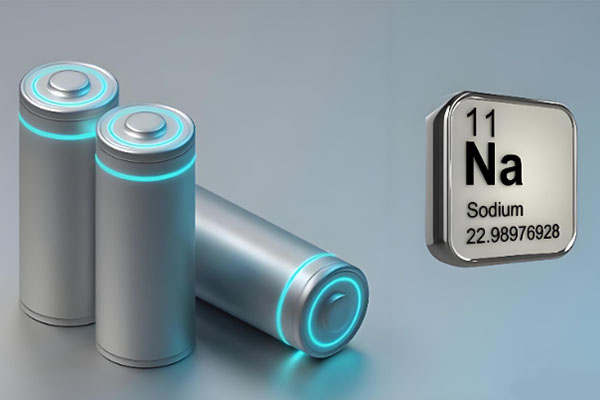
As energy storage systems, electric vehicles, and portable power applications continue to develop, the environmental performance of batteries has attracted increasing attention. Sodium-ion batteries have emerged as an important alternative to lithium-ion batteries due to the
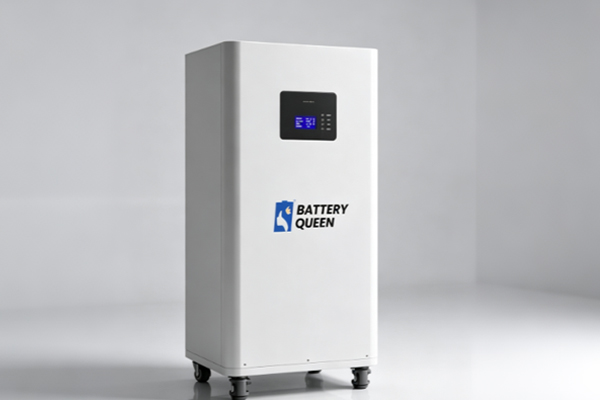
In portable energy storage systems, smart devices, electronic products, and power tools, battery boxes are often constrained by installation dimensions, making efficient use of every internal space important. Increasing the number of cells does not necessarily
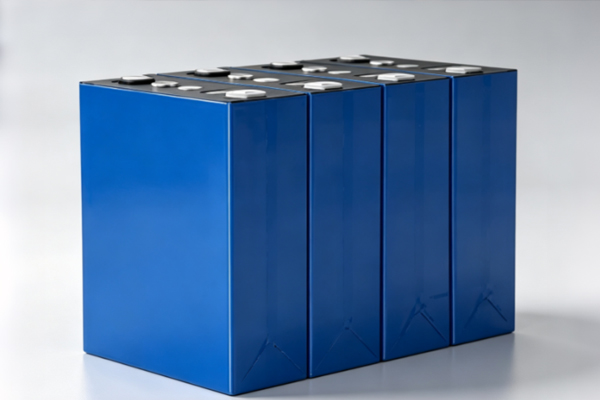
Energy storage, short-distance transportation, and backup power projects have increasingly specific requirements for battery technology, and focusing only on capacity is no longer sufficient for practical procurement needs. Sodium-ion battery packs are gradually entering certain new
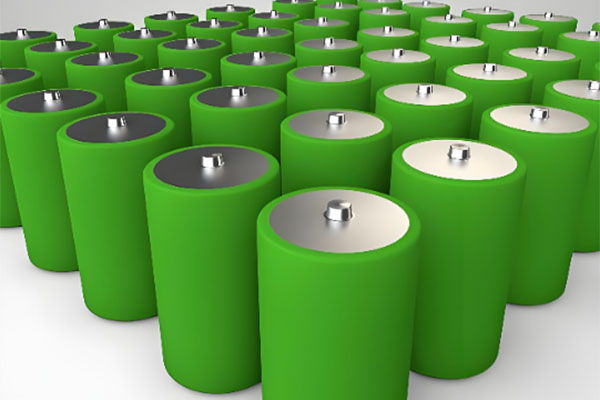
As demand for energy storage systems, electric mobility, RVs, marine equipment, and outdoor power supplies continues to grow, sodium-ion batteries are attracting increasing attention. Sodium resources are abundant, and sodium-ion battery technology has the potential to
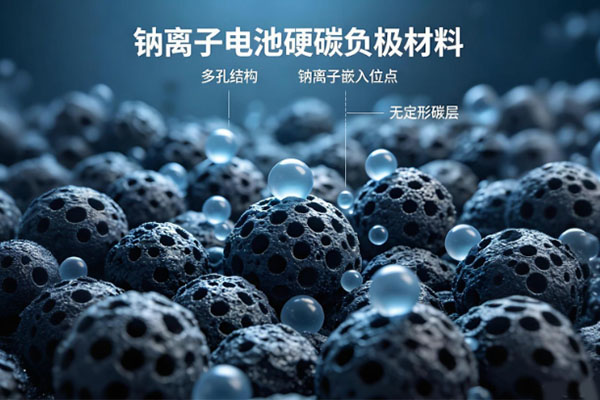
As energy storage systems, electric mobility, and portable power applications continue to develop, sodium-ion batteries are attracting increasing attention as an emerging battery technology. Their advantages include abundant sodium resources and the potential for lower material
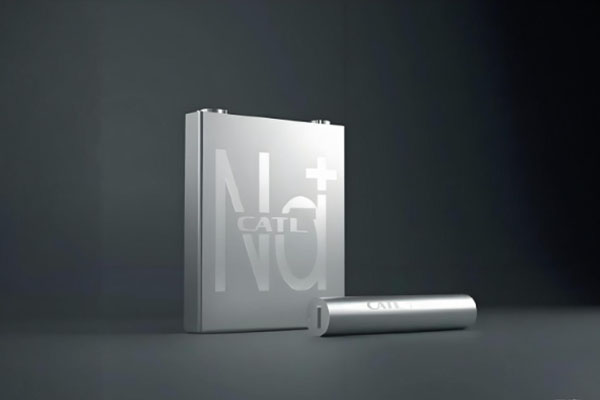
As sodium-ion battery technology continues to develop, electrode materials have become an important factor affecting battery performance and application costs. In a sodium-ion battery, the anode is responsible for storing and releasing sodium ions. Hard carbon
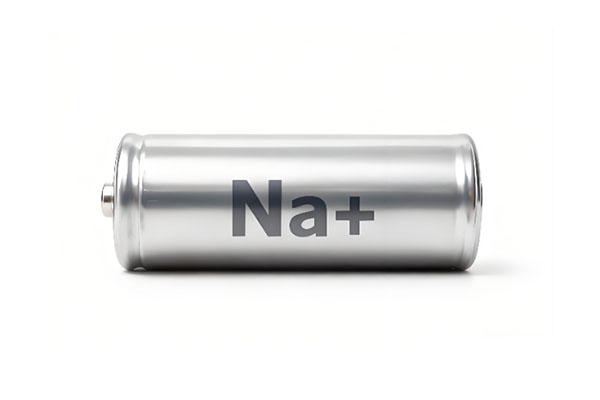
Sodium-ion batteries are rechargeable batteries that use sodium ions as the primary charge carriers. Their working principle is similar in some ways to that of lithium-ion batteries. During charging and discharging, sodium ions move back and
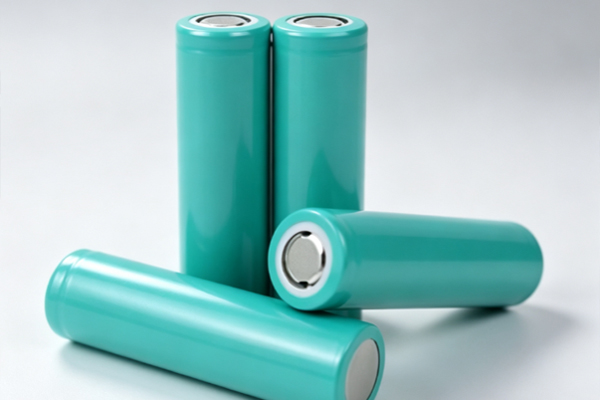
When selecting cylindrical batteries, models such as 18650, 21700, and 26650 are closely related to cell dimensions, capacity ranges, and application directions. Different specifications vary in size, weight, discharge capability, and space utilization, while cells of
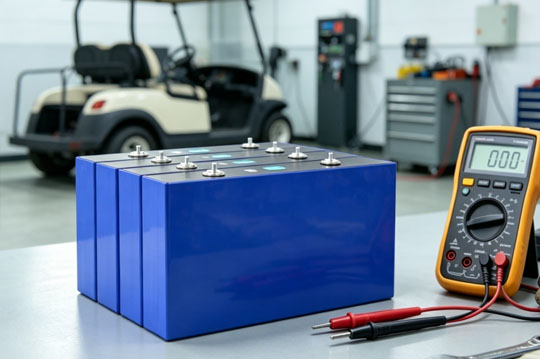
After a golf cart has been used for a period of time, if the original lead-acid battery shows reduced driving range, longer charging times, obvious capacity degradation, or other issues, it may be worth considering replacing
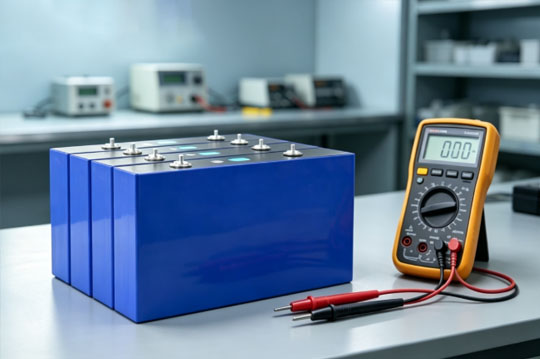
Golf carts are used on golf courses, resorts, hotels, scenic areas, industrial parks, and private properties. Traditional golf carts commonly use lead-acid batteries for power, while lithium batteries are now being adopted by an increasing number
A DIY battery box may appear to be simply a housing for a battery pack, but the actual design and manufacturing process involves multiple details, including dimensional compatibility, material selection, internal layout, and operating environment. A
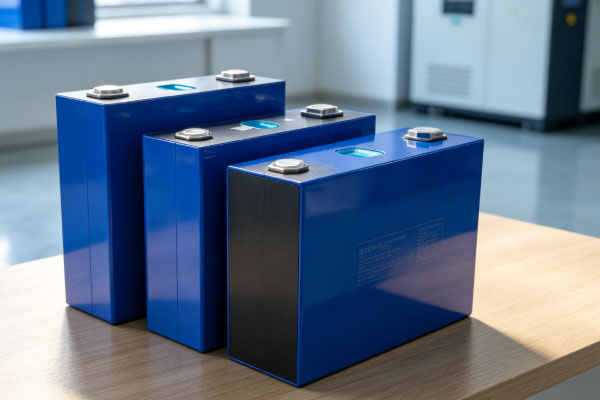
LiFePO4 batteries have good stability and a long cycle life and are commonly used in energy storage power supplies, emergency power supplies, golf carts, RVs, outdoor power supplies, and various industrial equipment. However, although LiFePO4 batteries
Use this lightweight CTA to move readers from self-learning to product or project consultation.
QUICK LEARNING TOOLS
Use our practical battery tools and guides to compare options, understand key terms and make more confident purchasing decisions.
A downloadable or article-led checklist for voltage, capacity, load and quantity.
Compare LiFePO4, lead-acid, sodium-ion and LTO at a high level.
Direct readers to understandable definitions of common battery terms.
Link to safe handling, document and packing information.
Start with voltage, capacity, energy, battery type and the intended application. Then move to BMS and charging topics.
No. Educational content supports research; product manuals, datasheets and approved instructions remain the source for model-specific details.
Keep each article educational, then use a relevant product link or a single “Ask a Battery Expert” CTA at the end.
Knowledge explains concepts and buyer questions; Solutions shows application use cases; NEWS shares product, company and industry updates.
Explore our battery products, application-based solutions or custom options to find the right fit for your project.
Cells, battery packs, DIY boxes and energy storage systems.
Find application-based storage guidance.
Get OEM/ODM support for capacity, voltage, BMS and packaging.
NEED A PRODUCT RECOMMENDATION?
Tell us your application, voltage, capacity, quantity and delivery country. We will help direct you to the relevant product or solution path.
Replace the placeholder sales email before publishing.