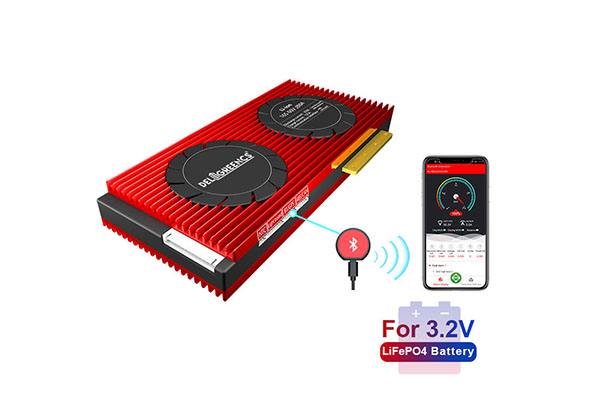
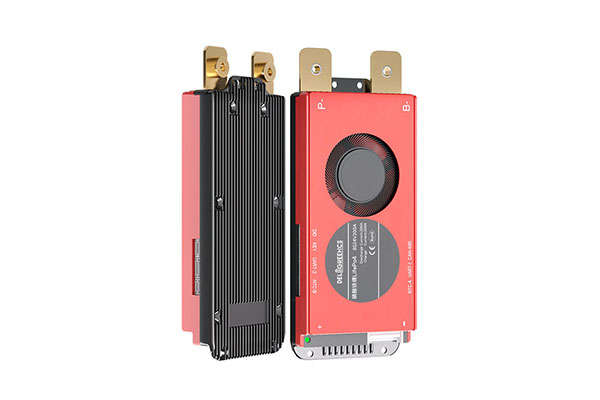
Lithium batteries are widely used in residential energy storage, commercial energy storage, industrial equipment, electric vehicles, and solar power systems. As battery capacity and application scale continue to increase, battery safety has become a major concern for buyers and system integrators. In addition to cell quality and battery pack construction, the Battery Management System (BMS) plays an essential role in ensuring safe battery operation.A BMS continuously monitors battery voltage, current, and temperature, and activates corresponding protection measures when abnormal conditions occur. For energy storage systems that require long-term charging and discharging, choosing a BMS with comprehensive protection functions helps reduce the risk of battery damage and improve overall system stability.When purchasing lithium batteries, buyers can use the following safety checklist to evaluate the essential protection capabilities of a BMS.

Overcharge Protection: Prevent Battery Voltage from Exceeding Safe Limits
Overcharging is one of the key risks that must be prevented during lithium battery operation. When a battery continues charging beyond its specified voltage range, abnormal internal chemical reactions, increased temperature, and reduced battery performance may occur.
Individual Cell Voltage Monitoring
A BMS should support individual cell voltage monitoring rather than only measuring the total battery pack voltage. In battery packs consisting of multiple cells connected in series, some cells may reach their upper charging limits earlier than others. Therefore, each cell needs to be monitored separately.
Automatic Overvoltage Protection
When an individual cell or the total battery voltage reaches a preset protection threshold, the BMS should stop or limit charging to prevent the battery from remaining at an excessively high voltage.
Protection thresholds should be configured according to the battery chemistry and the specifications provided by the cell manufacturer.
Overdischarge Protection: Prevent Excessive Battery Discharge
Excessive discharge can cause battery capacity degradation, internal damage, and potential safety issues during subsequent charging. Therefore, overdischarge protection is an essential BMS function.
Real-Time Battery Voltage Monitoring
The BMS should continuously monitor the voltage of individual cells and identify cells with abnormally low voltage. This helps prevent certain cells from becoming overdischarged while other cells in the battery pack still have sufficient energy.
Low-Voltage Discharge Cutoff
When the voltage reaches the preset low-voltage protection threshold, the BMS should stop discharging or disconnect the corresponding circuit.
It can also work with State of Charge (SOC) monitoring to help users understand the remaining battery capacity and manage charging and discharging schedules more effectively.
Overcurrent and Short-Circuit Protection: Control Abnormal Current Risks
Abnormal current conditions may occur during battery charging, discharging, or equipment operation. Excessive current can increase the risk of overheating in battery cells, connectors, and electrical wiring.
Charging and Discharging Overcurrent Protection
A BMS should monitor charging and discharging currents separately. When the current exceeds the permitted range, the system should limit power or disconnect the circuit according to the severity of the fault.
For applications involving short-term peak currents, such as motor startup, protection thresholds and response times should also be configured appropriately.
Short-Circuit Protection
A short circuit can cause current to increase dramatically within a very short period. The BMS should have appropriate rapid detection and protection mechanisms.
It should also work together with external protection devices, such as fuses and DC circuit breakers, to establish multiple layers of electrical protection.
Temperature Protection: Monitor Abnormal Heating and Low-Temperature Risks
Temperature changes directly affect lithium battery charging and discharging performance as well as operational safety. Temperature monitoring is particularly important under high loads, fast-charging conditions, and long-term operating environments.
High-Temperature and Low-Temperature Protection
A BMS should monitor charging and discharging temperatures according to the battery cell specifications.
When the temperature exceeds the permitted range, the system can limit charging or discharging current or stop operation. In low-temperature environments, inappropriate charging operations should also be restricted to reduce the risk of cell damage.
Multi-Point Temperature Monitoring
For large battery packs, monitoring only one location may not be sufficient to identify localized temperature abnormalities.
Properly positioned temperature sensors help detect temperature differences between cells and identify abnormal heat buildup in specific areas of the battery pack.
Cell Balancing and Fault Monitoring Functions
In addition to basic electrical protection, a BMS should provide cell balancing and operating status monitoring.
Cell Balancing Function
Differences in capacity, internal resistance, and voltage may exist between individual battery cells. After long-term operation, these differences can result in inconsistent charge levels.
Cell balancing helps reduce voltage differences between series-connected cells, allowing the battery pack to maintain more consistent operating conditions.
Fault Alarms and Data Recording
A comprehensive BMS can record information such as voltage, current, temperature, and operating status.
When an abnormal condition occurs, the system can send fault information to users or external devices through alarms or communication interfaces, making troubleshooting and maintenance more convenient.
Lithium Battery BMS Safety Checklist
When purchasing lithium batteries or BMS products, buyers should check the following essential functions:
- Overcharge protection: Does the BMS support individual cell and total battery overvoltage protection?
- Overdischarge protection: Can it identify low-voltage conditions and stop discharging in time?
- Overcurrent protection: Does it provide separate charging and discharging overcurrent protection?
- Short-circuit protection: Does it support short-circuit detection and rapid protection?
- Temperature protection: Does it monitor and protect against high and low temperatures during charging and discharging?
- Cell balancing: Does it support active or passive cell balancing?
- Fault monitoring: Does it provide alarms, data recording, and fault diagnosis?
- Communication functions: Does it support communication protocols such as CAN and RS485, and is it compatible with inverters and other equipment?
Choose a Lithium Battery Supplier with Comprehensive BMS Protection
BMS protection capabilities depend not only on the number of available functions but also on protection parameters, hardware configurations, battery cell types, and overall system integration.
Different battery applications also have different requirements for continuous current, peak current, operating temperature ranges, and communication protocols.
Deligreen specializes in the development and supply of LiFePO4 cells, battery packs, BMS products, and energy storage systems. Its products serve residential, commercial, and industrial energy storage applications.
The company provides OEM/ODM services and can customize battery voltage, capacity, BMS configurations, and packaging according to project requirements. Its production quality control and product testing processes support battery applications across different markets.
When selecting lithium batteries, buyers should look beyond capacity, cycle life, and purchasing price. It is equally important to evaluate BMS protection functions, parameter settings, and system compatibility.
Only by combining reliable battery cells, effective BMS management, electrical protection, and thermal management can manufacturers and system integrators improve the safety, stability, and long-term reliability of lithium battery systems.