
Customizing cylindrical batteries involves cell selection, structural design, electrical connections, safety protection, and production inspection. Different devices have different requirements for battery dimensions, output power, runtime, and operating environments. Selecting a solution based solely on external dimensions may lead to installation incompatibility, unstable power supply, or an unsatisfactory service life. Before customization, clarify the equipment requirements and incorporate key technical specifications into the design and acceptance process. Proper planning of cell configurations, protection functions, connection methods, and temperature management can improve compatibility between the battery pack and the end device while reducing subsequent adjustments and quality risks during mass production.
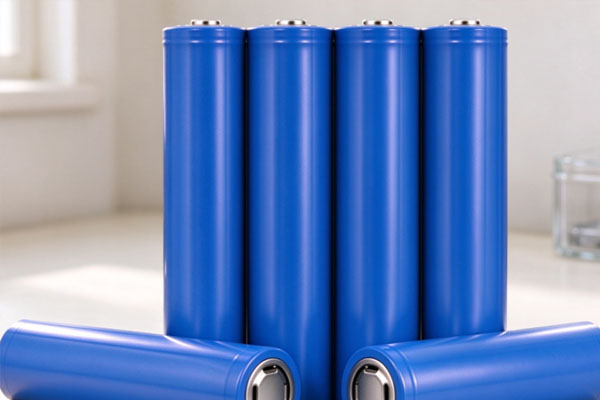
Define the Application Requirements for Cylindrical Batteries
The customization plan should be based on the operating conditions of the end device to establish the battery pack’s basic specifications and performance targets.
For dimensions, check the available battery compartment space, internal supports, connection terminals, and wiring positions to allow sufficient room for installation. The fixing structure, cable outlet direction, and connection positions should also be defined in advance to minimize assembly interference and subsequent modifications.
For electrical performance, determine battery pack specifications according to the device’s rated voltage, operating time, and power consumption. For devices with high startup currents or significant load fluctuations, specify the continuous current, peak current, and peak duration. These requirements provide a basis for cell selection and battery pack configuration.
Select Suitable Cells and Configuration Methods
Cell performance affects battery pack runtime, output characteristics, service life, and safety. Selection requires a comprehensive evaluation.
- Different cell chemistries vary in energy density, cycle life, thermal stability, cost, and temperature adaptability. Select the appropriate chemistry based on the device’s power requirements, operating environment, charging and discharging frequency, and space limitations rather than relying solely on capacity or purchase price.
- Series and parallel configurations must match the device’s electrical requirements. Series configurations provide the target operating voltage and require attention to charging management and cell consistency. Parallel configurations should meet capacity and output current requirements while accounting for cell matching, connection resistance, and current distribution.
Cell selection and series-parallel configuration should be planned together to ensure that the battery pack meets the device’s power supply requirements.
Improve Battery Pack Safety Protection
Safety design must cover cell management, insulation, electrical connections, and production inspection to ensure that all protective measures work together.
- The battery management system (BMS) should provide appropriate protection functions based on the cell chemistry and battery pack structure. Key requirements include overcharge, over-discharge, overcurrent, short-circuit, and abnormal temperature protection.
- Protection thresholds, response methods, and recovery conditions should match the cells’ permitted operating ranges. Improper parameter settings may compromise battery safety and normal operation.
- Insulation design should address protection around the positive and negative terminals, isolation at connection points, and measures to prevent short circuits inside the enclosure. These precautions reduce the risk of unintended electrical contact during assembly.
- Connection materials, thickness, and welding methods should be selected according to operating current and structural requirements. Connection strength, contact resistance, and welding quality should also be inspected.
Relevant protection configurations and connection processes should be included in production inspections and batch acceptance procedures to reduce safety risks.
Consider Thermal Management and Operating Conditions
Cylindrical batteries generate heat during charging and discharging. Cell arrangement and installation space also affect the internal temperature distribution of the battery pack.
- Cell layout should account for battery pack dimensions, operating current, and available space inside the device. Overly dense arrangements should be avoided if they restrict heat dissipation.
- For applications involving sustained high loads, evaluate temperature rise under actual operating conditions and allocate appropriate space for heat dissipation based on the structural design.
- Temperature sensor positions should be determined according to cell arrangement, potential hot spots, and heat transfer characteristics to monitor temperature changes within the battery pack.
- For applications exposed to significant temperature variations, define the operating temperature range and protection strategy for abnormal temperatures to improve the battery pack’s adaptability to environmental changes.
Thermal management should balance cell layout, heat dissipation, and temperature monitoring to prevent localized temperature increases from affecting stable operation.
Define Production Inspection and Compliance Requirements
From sample development to mass production and delivery, clear technical documentation and acceptance criteria are necessary to ensure that products meet agreed requirements.
Depending on the battery type, product application, sales region, and transportation method, identify the applicable safety tests, compliance documentation, and transportation requirements in advance. Insufficient early planning may lead to additional testing or design modifications later.
During sample validation, inspect dimensions, electrical performance, protection functions, temperature rise, and installation compatibility. Conduct additional verification based on actual operating conditions where necessary. For mass production, establish inspection criteria for appearance, connection quality, electrical parameters, and safety functions to control quality variations between batches.
Cylindrical battery customization requires careful consideration of equipment power requirements, internal structure, cell performance, and safety management. Selecting suitable cell chemistry and series-parallel configurations helps meet the device’s voltage, capacity, and output requirements. Effective BMS protection, insulation, electrical connections, and thermal management can improve battery pack reliability. Buyers should define technical specifications, manufacturing requirements, compliance documentation, and acceptance criteria at the beginning of the project. This approach reduces design changes and delivery risks while ensuring that the customized solution meets the equipment’s actual operating needs.




