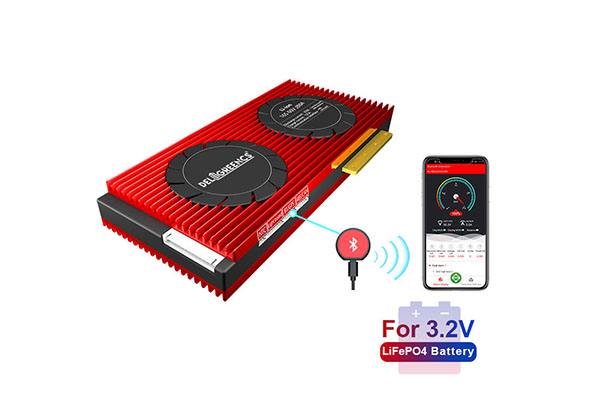
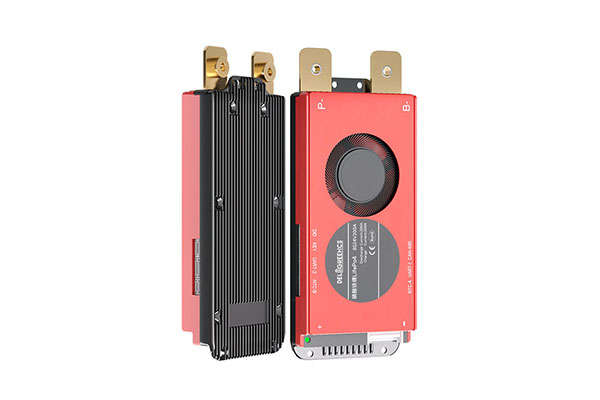
Cylindrical batteries are widely used in power equipment, energy storage systems, power tools, and smart devices. As the number of cells in a battery pack increases, issues such as voltage differences, connection heating, uneven temperatures, abnormal charging and discharging, and thermal runaway propagation need to be considered during the design stage. Safety control should not rely on a single protection function, but should address different risks through coordinated design of cell structures, connection methods, PACK design, BMS, thermal management, and production testing.
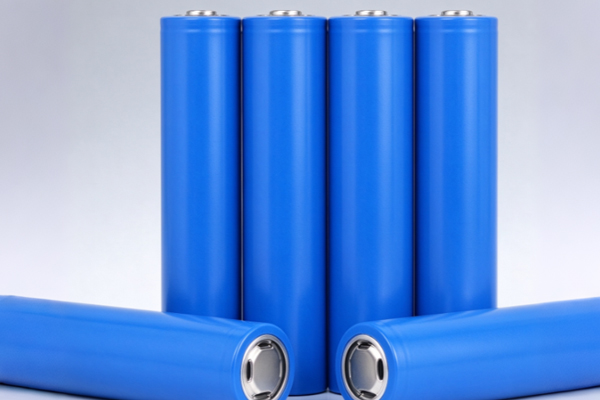
Reduce Basic Safety Risks Through Cell and Connection Structures
The safety foundation of cylindrical batteries is closely related to cell quality, internal protection structures, and external connection reliability. Proper screening and combination can reduce differences between individual cells and provide a stable foundation for subsequent system management.
Cell Consistency Is an Important Foundation of Safety Design
After multiple cells are combined, differences in capacity, internal resistance, and voltage can affect battery pack operation. During production and assembly, attention can be paid to the following:
- Capacity consistency: Conduct necessary capacity screening and grouping to reduce performance differences between individual cells.
- Internal resistance consistency: Control resistance deviations to reduce localized heating and voltage fluctuations during high-load operation.
- Voltage condition: Check cell conditions before assembly to reduce the risk of abnormal cells entering the battery pack.
Good cell consistency helps reduce imbalance during series and parallel operation.
Coordinate Intrinsic Cell Protection with Connection Structures
Some cylindrical lithium-ion cells may incorporate internal safety structures such as CID and PTC depending on the model and design. The specific configuration should be confirmed according to the actual cell specifications.
- CID: When internal pressure rises abnormally, the structural mechanism can interrupt the current and reduce risks under certain abnormal conditions.
- PTC: When abnormal current or temperature rise occurs, resistance increases to provide a degree of current limitation.
- Connection structure: Optimize welds, busbars, and connectors to reduce contact resistance and localized heating.
Intrinsic cell protection is a cell-level safety measure and still needs to work together with the external BMS and PACK structure.
Reduce Thermal Runaway Propagation Risks Through Structural and Thermal Management
When an individual cell experiences thermal runaway, it may release high-temperature gases, smoke, and ejecta. Battery pack structural design should focus on controlling the propagation of heat and ejecta while establishing appropriate venting and isolation paths.
Adopt Thermal Insulation and Directional Venting Design
Cylindrical cells generally have pressure-relief structures, through which high-temperature gases and products may be released from designated locations under abnormal conditions. PACK design can focus on directional venting, ejecta isolation, thermal insulation, and pressure relief: guiding abnormal gases in a controlled direction, blocking or redirecting high-temperature gases, flames, and particles, adding thermal barriers between adjacent cells to slow heat transfer, and providing pressure-relief paths for the enclosure to prevent continuous pressure accumulation.
Properly Control Cell Spacing and Temperature Differences
During normal operation, cells located in different positions may experience temperature differences. Structural design can be optimized in the following ways:
- Set appropriate cell spacing according to cell dimensions and heat generation levels;
- Optimize thermal conduction paths so that heat is transferred more evenly between different areas;
- Install necessary temperature measurement points in thermally sensitive areas such as densely arranged central regions and major high-current busbar areas;
- Combine the structure with heat dissipation measures to reduce localized heat accumulation.
Space utilization, heat dissipation capability, and thermal runaway isolation should be considered together during the design stage.
Use the BMS to Reduce Electrical Operating Risks
The BMS is responsible for battery status monitoring, protection, and balancing management, but software-based protection cannot replace the intrinsic safety structures of cells or the hardware protection of the PACK.
Establish a Multi-Parameter Monitoring Mechanism
Large cylindrical battery PACKs typically do not use an individual temperature sensor for every cell. Instead, a limited number of temperature measurement points are arranged according to structural and safety requirements, with other operating data used together to identify abnormal conditions.
- Individual cell voltage: Identifies abnormal voltage differences between cells.
- Current: Determines load conditions and abnormal current during charging and discharging.
- Temperature: Places measurement points at key locations such as high-temperature areas and major busbar regions.
- Temperature rise trends: Monitors the rate of temperature change and abnormal trends to assist in identifying potential thermal risks.
The specific number of temperature measurement points should be determined according to PACK structure, safety requirements, sampling design, and cost considerations.
Coordinate BMS Protection with Hardware Safety Measures
The BMS can execute protection strategies based on collected data and work together with fuses, contactors, insulation structures, and thermal management systems. It can limit or disconnect abnormal charging and discharging, continuously monitor cell voltage, temperature, and current, reduce cell differences through balancing control, and adjust strategies and record data according to abnormal trends. The BMS can reduce the risk of abnormal conditions escalating, but it cannot independently stop thermal runaway once it has occurred. Structural protection and thermal management are therefore required to form a complete safety system.
Reduce Long-Term Risks Through Production Testing and Operational Management
Battery safety performance is also affected by manufacturing consistency and long-term operating conditions. Product quality needs to be controlled during production, while key operating parameters should continue to be monitored after deployment.
Strengthen Safety and Consistency Testing Before Delivery
During cell and PACK production, a multidimensional testing process can be established according to the product design:
- Cell screening: Check key parameters such as capacity, internal resistance, and voltage.
- Connection testing: Inspect welds, busbars, connectors, and wiring harnesses.
- Insulation testing: Check insulation performance between conductive components and the enclosure.
- PACK testing: Verify charging and discharging performance, temperature rise, protection functions, and communication status.
Comprehensive factory testing can reduce the likelihood of abnormal cells, connection defects, and assembly problems entering actual applications.
Continuously Monitor Abnormal Trends During Operation
After deployment, battery status should be managed based on actual operating data:
- Record voltage differences, temperature, charging and discharging current, and alarm information;
- Monitor localized temperature rises, abnormal voltage differences, and capacity changes;
- Regularly inspect connectors, wiring harnesses, insulation materials, and enclosure structures;
- If swelling, damage, abnormal heating, or serious alarms are detected, stop using the battery and have it inspected by qualified professionals.
Production testing, operational monitoring, and maintenance inspections can help identify performance changes in time and reduce abnormal risks during long-term operation.
Safety management for cylindrical batteries should consider individual cells, the PACK, and the complete electrical system as an integrated whole. Cell consistency establishes the basic operating condition, intrinsic structures such as CID and PTC provide cell-level protection, the BMS performs continuous monitoring and control, while structural design provides thermal insulation, fixation, and directional venting. For power and energy storage applications, inspection, maintenance, and abnormal-condition response should also be adapted to actual operating conditions so that safety measures remain effective throughout production and long-term use.