The safety performance of a battery pack affects equipment stability, service life, and maintenance costs. Whether used in energy storage systems, industrial machinery, or customized power supplies, cell quality, connection processes, protection systems, and operating environments all influence operational safety. If buyers compare only capacity, power, and price, they may overlook risks such as overheating, short circuits, low-temperature charging, and protection system failures. Improving safety requires proper cell selection, structural protection, electrical control, and quality inspection. A suitable solution should be designed around actual loads and operating conditions to reduce the likelihood and severity of failures, allowing the battery pack to operate reliably within its specified limits.

Optimize Battery Pack Structure and Connection Processes
The internal layout of a battery pack affects not only heat dissipation but also cell fixation, insulation protection, and risk control under abnormal conditions. The design must address safety requirements during both normal operation and potential failures.
Plan Cell Layout Properly
Cell arrangement should account for battery pack dimensions, operating current, and installation space to prevent localized heat accumulation and structural loosening.
- Allow sufficient heat dissipation space: Provide appropriate spacing according to cell characteristics and actual loads to reduce concentrated heat buildup.
- Install thermal insulation: Use suitable thermal insulation and flame-resistant structures based on the battery chemistry and application requirements to reduce the risk of thermal runaway spreading from one cell to adjacent cells.
- Plan gas venting paths: Design appropriate pressure-relief paths around the enclosure to minimize the impact of hot gases on other cells and electrical components.
Structural design should address heat dissipation, thermal insulation, and gas venting rather than focusing solely on space utilization.
Improve Cell Screening and Connection Quality
Differences in cell performance can affect charging and discharging balance, making quality screening necessary before assembly.
- Check cell capacity, internal resistance, and open-circuit voltage, and sort cells for consistency according to design requirements.
- Select appropriate welding or mechanical connection processes based on cell format, operating current, and application environment.
- Inspect contact resistance, mechanical strength, and insulation at connection points to reduce the risks of loose connections, overheating, and short circuits.
Controlling cell variation and connection quality helps reduce localized electrical faults and provides a more reliable foundation for long-term operation.
Improve Battery Management and Electrical Protection
A battery management system can monitor operating conditions, but safety cannot depend entirely on software control. Combining monitoring functions with independent protection devices helps address different types of abnormal conditions.
Configure a Suitable Battery Management System
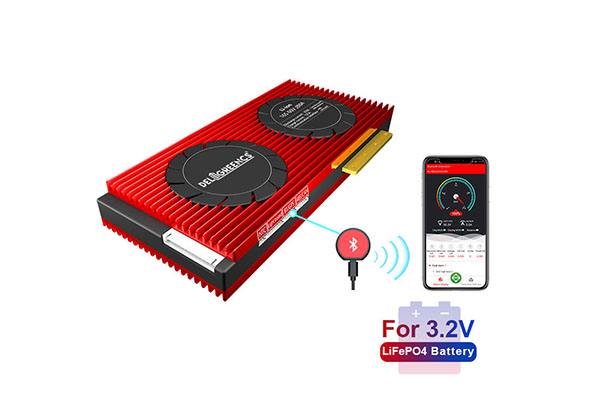
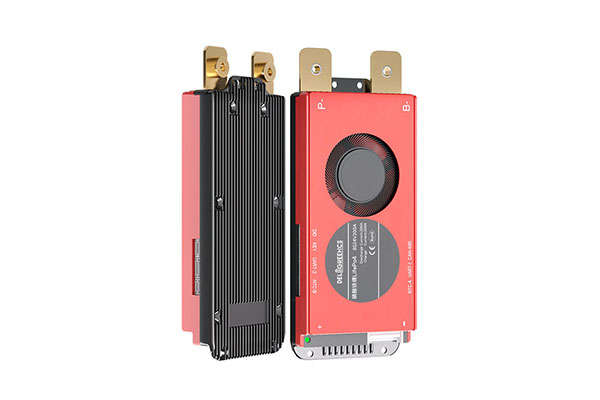
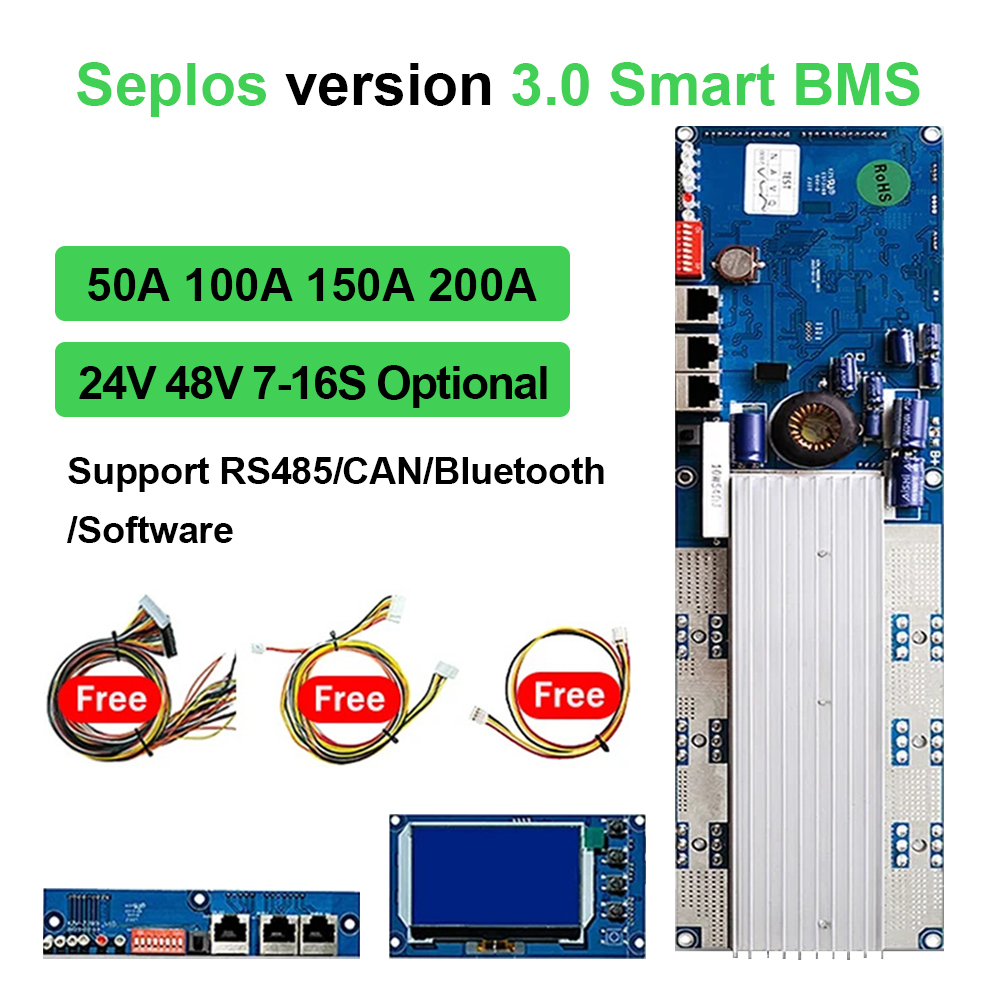
The battery management system (BMS) should be configured according to cell specifications, series and parallel arrangements, and load requirements. Key functions include:
- Condition monitoring: Collect critical data such as voltage, temperature, and current to identify operating conditions outside permitted limits.
- Abnormal condition protection: Provide overcharge, overdischarge, overcurrent, and overtemperature protection according to product design, restricting charging or discharging or disconnecting the circuit when necessary.
- Fault logging: Record essential operating data and alarm information to support troubleshooting.
Protection thresholds must match the cell specifications, and the design should account for potential sensor or control component failures.
Provide Independent Hardware Protection
If a controller or power switch fails, conventional software protection may not operate as intended. Battery packs should therefore include appropriate hardware safeguards based on system risk.
- Select suitable fuses or circuit interruption devices according to operating voltage and expected fault current.
- For applications with higher safety requirements, incorporate independent hardware protection circuits or other fast-disconnection devices where appropriate.
- Verify coordination between protection devices, the BMS, contactors, and external circuits to prevent conflicting protection actions.
Independent protection can reduce the consequences of individual component failures, but the specific configuration must be determined by the battery pack’s design requirements.
Control Temperature and Operating Conditions
Abnormal temperatures can affect battery performance and increase safety risks. Battery pack design should address routine heat dissipation, low-temperature charging restrictions, and protection against abnormal temperature rises.
Design Temperature Control According to Load Requirements
Heat generation varies with cell type, operating current, and structural layout. Temperature control measures should therefore be selected according to both continuous and peak loads.
- Choose natural cooling, forced-air cooling, or another suitable temperature control method based on actual heat generation.
- Position temperature sensors at critical locations to detect abnormal localized temperature increases promptly.
- Assess thermal insulation, flame-resistant structures, and gas venting arrangements according to application risks to reduce the possibility of thermal runaway spreading to other cells.
Temperature control systems should be validated under actual operating conditions. The external enclosure temperature alone cannot determine whether internal cells are operating safely.
Follow the Specified Operating Temperature Range
High temperatures can accelerate battery aging, while low temperatures may restrict charging and discharging performance. Charging certain lithium-ion cells below their permitted temperature range, particularly at high currents, may cause lithium plating and increase the risk of internal short circuits.
Before use, verify the product’s specified charging and discharging temperature, voltage, and current ranges. For applications in cold environments, preheating equipment and temperature interlock controls can be incorporated according to the product design to restrict charging until the cells reach an acceptable temperature. Following the specified operating limits helps reduce temperature-related safety risks.
Strengthen Quality Inspection and Routine Maintenance
Pre-delivery testing can identify manufacturing and assembly defects, while regular inspections during operation help detect developing faults and potential safety hazards.
Conduct Factory Inspection and Safety Verification
After battery pack assembly, inspect electrical connections, insulation performance, protection functions, and key operating parameters according to the product design and applicable requirements. For customized battery packs, also confirm that dimensions, interfaces, and electrical specifications meet equipment requirements, and evaluate thermal insulation, gas venting, and protection under abnormal operating conditions.
Establish a Routine Inspection Process
Once the battery pack is in service, monitor operating records and physical changes to identify signs of abnormal conditions promptly.
- Review temperature records, alarm information, and protection device status regularly.
- Watch for enclosure deformation, unusual odors, leakage, localized overheating, and loose connections.
- If an abnormal condition occurs, stop using the battery pack and arrange for a qualified professional to inspect it. Never bypass protection devices to continue operation.
Proper inspection and maintenance help users address faults promptly and reduce equipment downtime and damage.
Improving battery pack safety requires an integrated approach to cell screening, structural protection, electrical safeguards, temperature control, and quality inspection. For industrial projects with specific power, size, or environmental requirements, buyers should clarify battery specifications, protection functions, installation conditions, and acceptance criteria before purchasing, while verifying the supplier’s design and manufacturing capabilities. Appropriate selection, controlled production processes, and ongoing maintenance can reduce operating risks, improve battery pack reliability, and lower long-term maintenance costs.