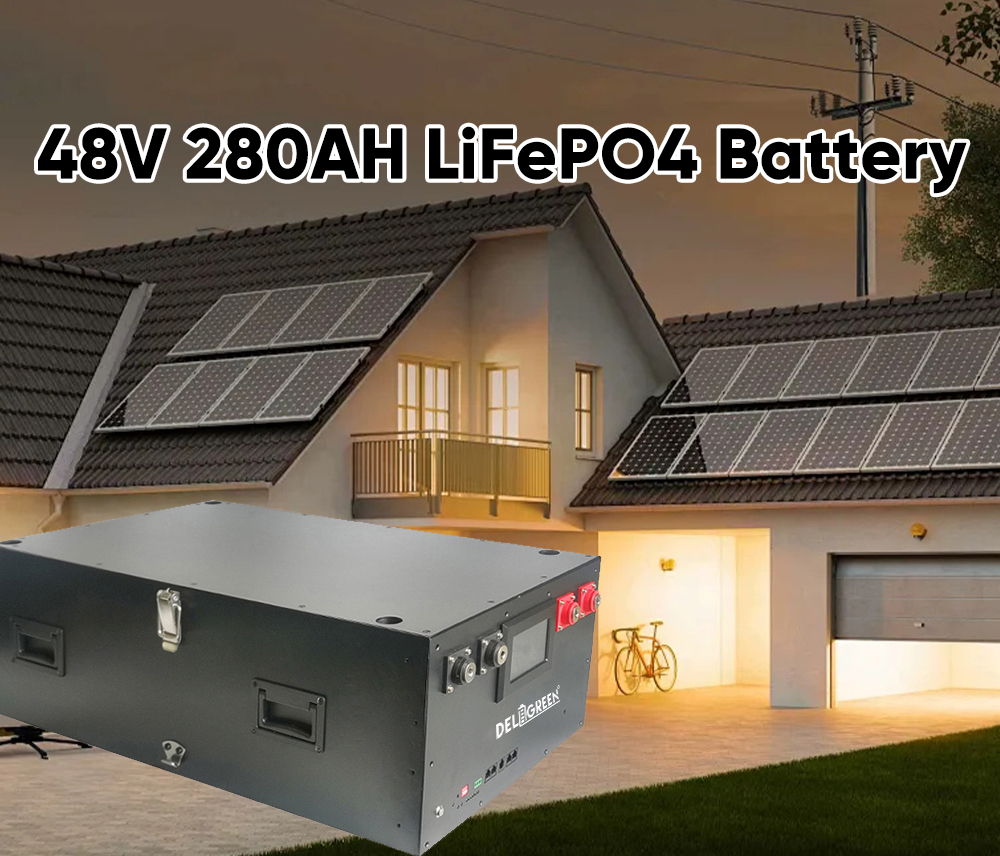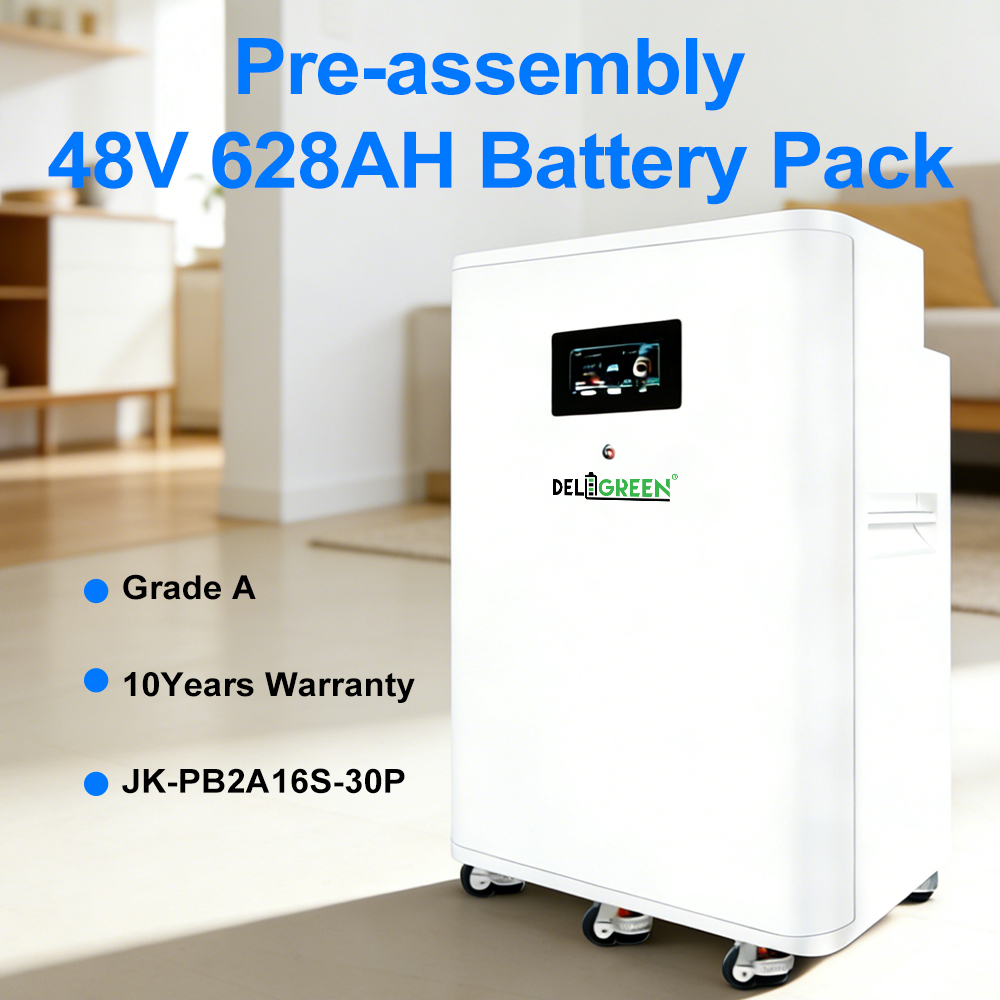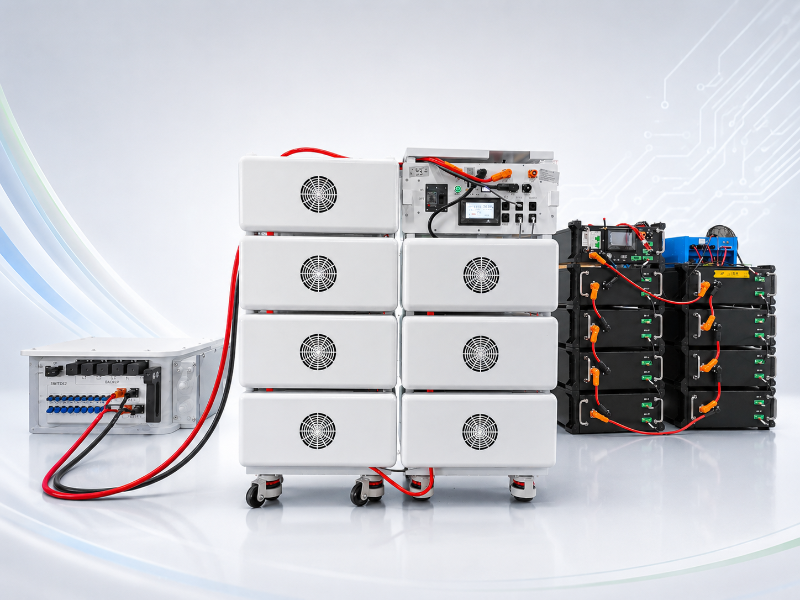
As large residential properties, villas, and home solar power systems continue to develop, small-capacity energy storage equipment may no longer meet the electricity demands of some households. When multiple air conditioners, electric water heaters, kitchen appliances, washing equipment, EV charging equipment, and smart home products operate simultaneously, household peak loads can become quite high. As a result, high-power home energy storage systems are attracting increasing attention. Properly configuring energy storage batteries, hybrid inverters, solar panels, and household distribution equipment can provide greater value for daily electricity consumption, time-of-use energy management, and backup power during outages. For home energy storage systems using lithium iron phosphate (LiFePO4) batteries, it is also necessary to match battery capacity, continuous output power, peak power, charging and discharging rate, and BMS protection capabilities. This prevents situations where the battery has sufficient capacity but cannot provide enough output power, allowing the complete residential energy system to operate safely, efficiently, and reliably.
Determine Energy Storage Capacity According to Household Load Requirements
The capacity of a high-power home energy storage system should not be determined solely by the size of the house. It should be calculated according to actual daily electricity consumption, nighttime energy demand, and the required backup duration during power outages. Homes equipped with multiple air conditioners, electric water heaters, induction cookers, dryers, and other appliances may require higher-capacity LiFePO4 batteries if the system is expected to cover a significant portion of nighttime electricity consumption. For households with relatively high daily electricity consumption, energy storage capacities of 15kWh, 20kWh, 30kWh, or more can be selected according to actual requirements, with additional modules added when necessary. Larger batteries can store more solar energy and provide longer backup power during grid outages. However, a larger battery is not always better. If household electricity consumption is relatively low, an oversized battery can increase the initial investment while reducing system utilization. Modular LiFePO4 batteries allow homeowners to configure capacity according to current loads and future electricity demand. After determining battery capacity, the daily solar generation should also be considered to ensure that surplus daytime solar electricity can be effectively stored.
Core Components of a High-Power Home Energy Storage System
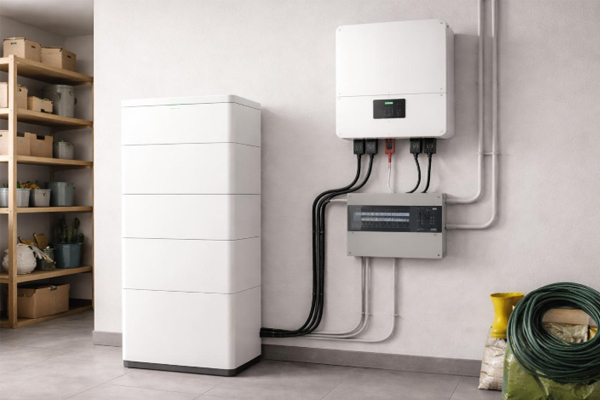
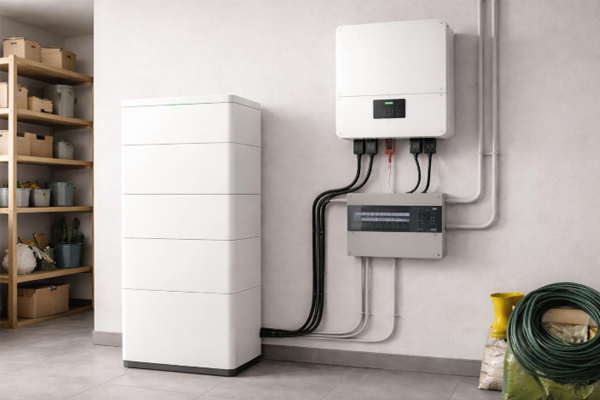
A high-power home energy storage system requires batteries, inverters, solar panels, distribution equipment, and energy management systems to work together effectively. Selecting compatible core components can improve overall system efficiency and stability.
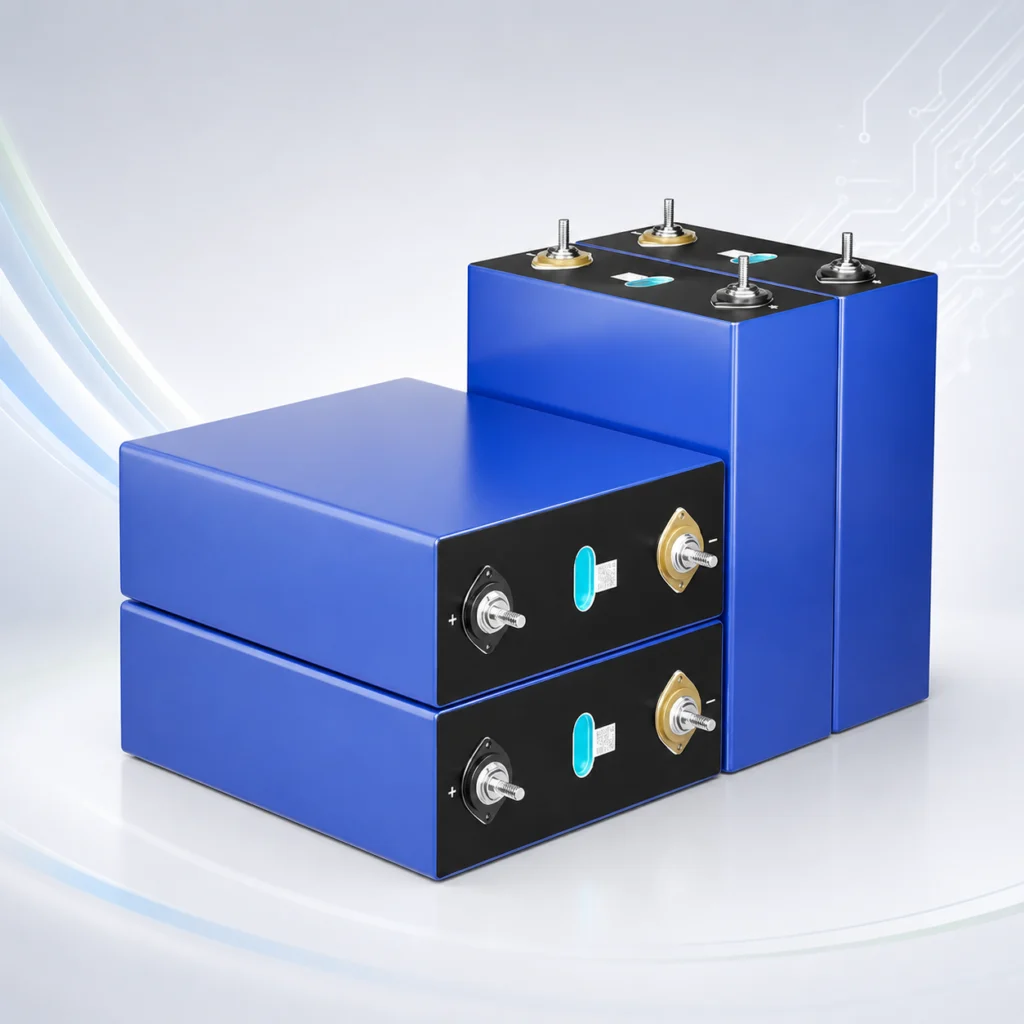
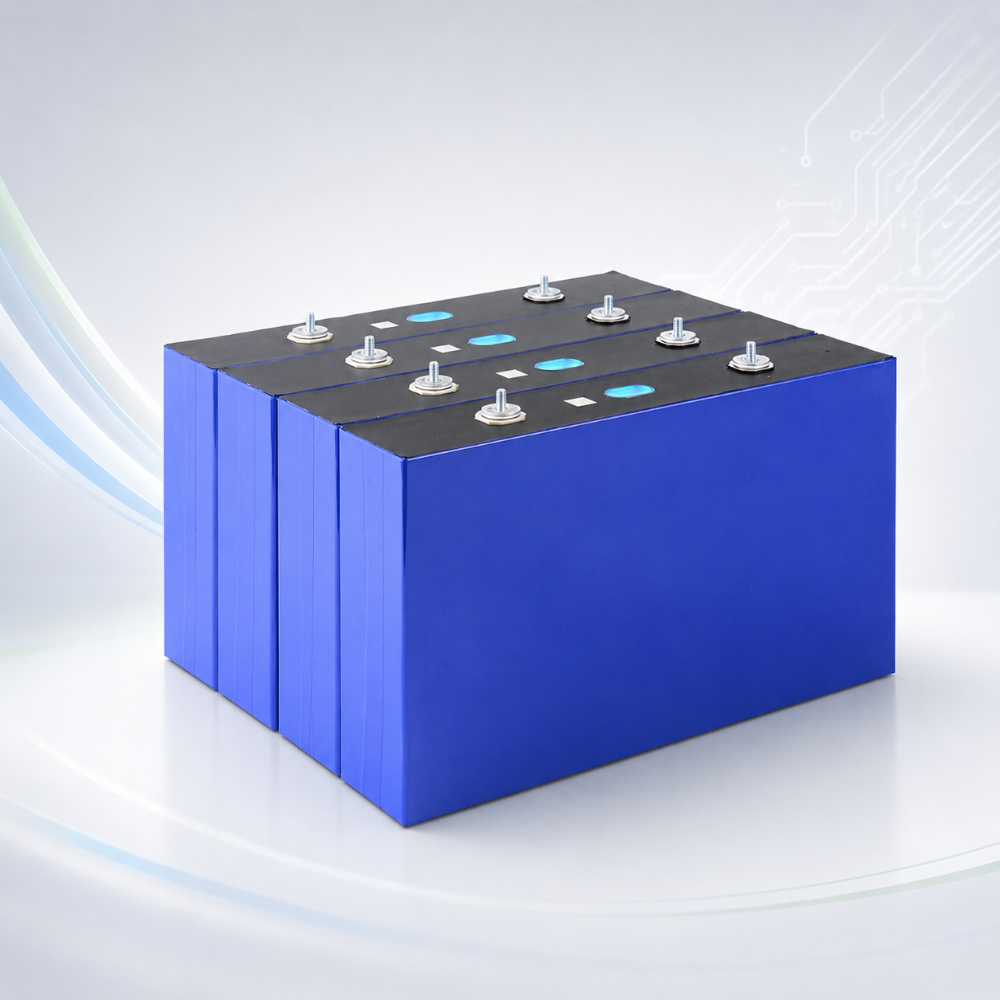
- High-Capacity LiFePO4 Energy Storage Batteries:High-power residential energy storage systems generally require large battery capacities, while maximum continuous charging and discharging current must also be considered. High-quality LiFePO4 batteries offer long cycle life and good thermal stability, making them suitable for long-term daily energy storage and backup power applications.
- High-Power Hybrid Energy Storage Inverter:The inverter should be selected according to the maximum household load. If the home regularly operates air conditioners, water pumps, electric water heaters, and other high-power appliances simultaneously, sufficient power reserve should be provided. Peak output capability should also be considered to handle the startup of high-power equipment.
- Sufficient Solar Panel Capacity:If the energy storage system is integrated with rooftop solar, the solar array should be configured according to household electricity consumption, battery capacity, and local solar conditions. A larger photovoltaic array can generate more clean electricity and provide additional energy for battery charging during daylight hours.
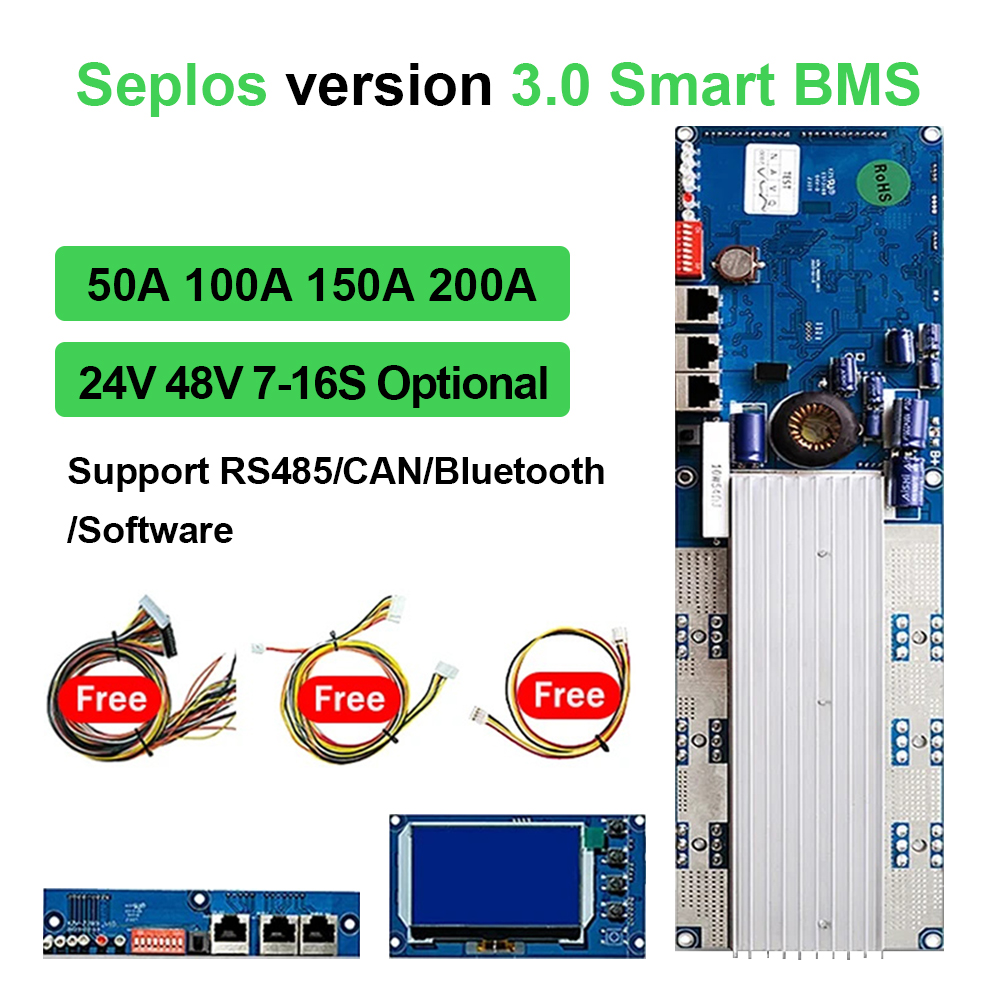
- Intelligent BMS Battery Management System:The BMS continuously monitors battery voltage, current, temperature, and state of charge while providing protection against overcharging, over-discharging, overcurrent, short circuits, and abnormal temperatures. A reliable BMS is particularly important for large-capacity battery systems.
- Household Backup Distribution System:If the energy storage system is primarily intended for backup power, a dedicated backup circuit should be established. Refrigerators, lighting, networking equipment, security systems, and other essential appliances can be connected to the backup circuit, while high-power loads can be managed according to available battery capacity.
Properly matching batteries, inverters, solar panels, and distribution equipment allows a high-power home energy storage system to provide stronger power delivery while meeting both daily energy-saving and backup power requirements.
How to Match a High-Power Inverter with LiFePO4 Batteries
The inverter is a critical component that determines the output capability of a home energy storage system. Selection should not focus only on rated power. Battery voltage, maximum charging and discharging current, peak power, and appliance startup characteristics should also be considered. Air conditioner compressors, water pumps, and certain motor-driven appliances can produce high startup currents. If the inverter cannot provide sufficient instantaneous output power, these appliances may fail to start even when the battery has adequate capacity. Therefore, a high-power home energy storage system should select an inverter according to the maximum simultaneous household load and reserve an appropriate power margin. The battery’s rated voltage must also match the inverter’s DC input range, while the battery’s maximum continuous discharge current must meet the inverter’s full-load operating requirements. High-voltage LiFePO4 batteries can reduce DC-side current under the same power conditions, helping reduce cable losses and heat generation. For homes requiring backup power, a hybrid inverter with EPS or Backup functionality is recommended so that the system can quickly switch to battery power when the grid fails.
Practical Configuration Options for High-Power Home Energy Storage
Different households have different load structures, so high-power energy storage systems can be configured according to daily electricity consumption, solar generation, and backup power requirements. Before selecting equipment, homeowners should identify major electrical loads and calculate daily energy consumption as well as maximum simultaneous operating power.
- High-Capacity Solar Energy Storage Configuration:This configuration is suitable for villas and large homes with sufficient rooftop space and relatively high electricity consumption. A 20kWh to 30kWh or larger LiFePO4 battery can be combined with a high-power hybrid inverter and a rooftop solar array. Solar power can supply household loads during the day, while surplus electricity is stored in the battery for nighttime use.
- High-Load Household Configuration:Homes with multiple air conditioners, electric water heaters, kitchen appliances, and other high-power equipment should prioritize inverter output power and increase battery capacity according to actual energy consumption. The battery’s continuous discharge capability must also be sufficient to support high household loads.
- Power Outage Backup Configuration:For homes located in areas that may experience extreme weather, grid failures, or scheduled maintenance, a large-capacity LiFePO4 battery can be paired with an inverter featuring backup output functionality. Refrigerators, lighting, networking equipment, security systems, and other essential appliances can be connected to the backup circuit to extend power availability during outages.
- Modular Expansion Configuration:For homes with moderate current electricity consumption but potential future demand from EV charging equipment or additional household appliances, modular energy storage batteries can provide greater flexibility. Battery modules and supporting equipment can be added as electricity consumption increases.
Choosing an appropriate storage configuration allows homeowners to upgrade the system gradually according to actual needs while avoiding unnecessarily high initial investment.
Installation and Maintenance Tips for High-Power Home Energy Storage Systems
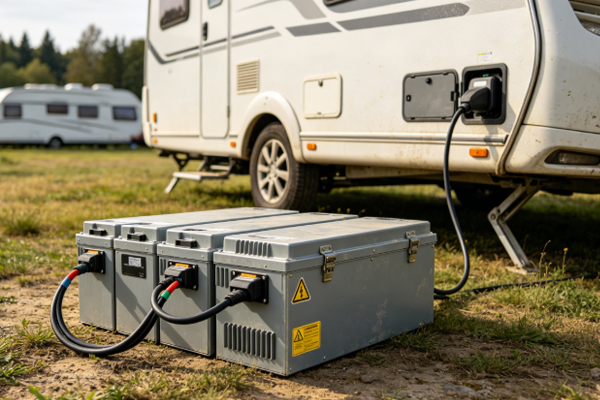
High-power home energy storage systems involve large battery capacities and substantial electrical power, so installation location, cable specifications, protection devices, and heat dissipation conditions require careful planning. LiFePO4 batteries should be installed in a dry, well-ventilated, clean, and accessible location, avoiding prolonged direct sunlight and excessive temperatures that could affect system performance. Battery racks or wall-mounted structures must have sufficient load-bearing capacity. When multiple batteries are connected in parallel, adequate spacing should be maintained to provide sufficient cooling and maintenance access. Battery terminals, power cables, and communication cables must be connected according to the manufacturer’s specifications to prevent polarity errors or communication failures. High-power systems should be equipped with appropriate circuit breakers, fuses, and other protection devices, while compatibility between the BMS and inverter communication protocols should be confirmed. During daily operation, homeowners can use a monitoring platform to check battery SOC, voltage, current, temperature, and alarm records and identify abnormal conditions promptly. Regularly inspecting cooling areas, electrical terminals, and equipment mounting structures can help maintain long-term system stability. Selecting products equipped with Grade A LiFePO4 cells, intelligent BMS technology, high-quality energy storage inverters, and modular designs, combined with professional installation and proper maintenance, enables high-power home energy storage systems to deliver high capacity, strong output, long cycle life, and dependable backup power for villas, large homes, and households with high electricity consumption.