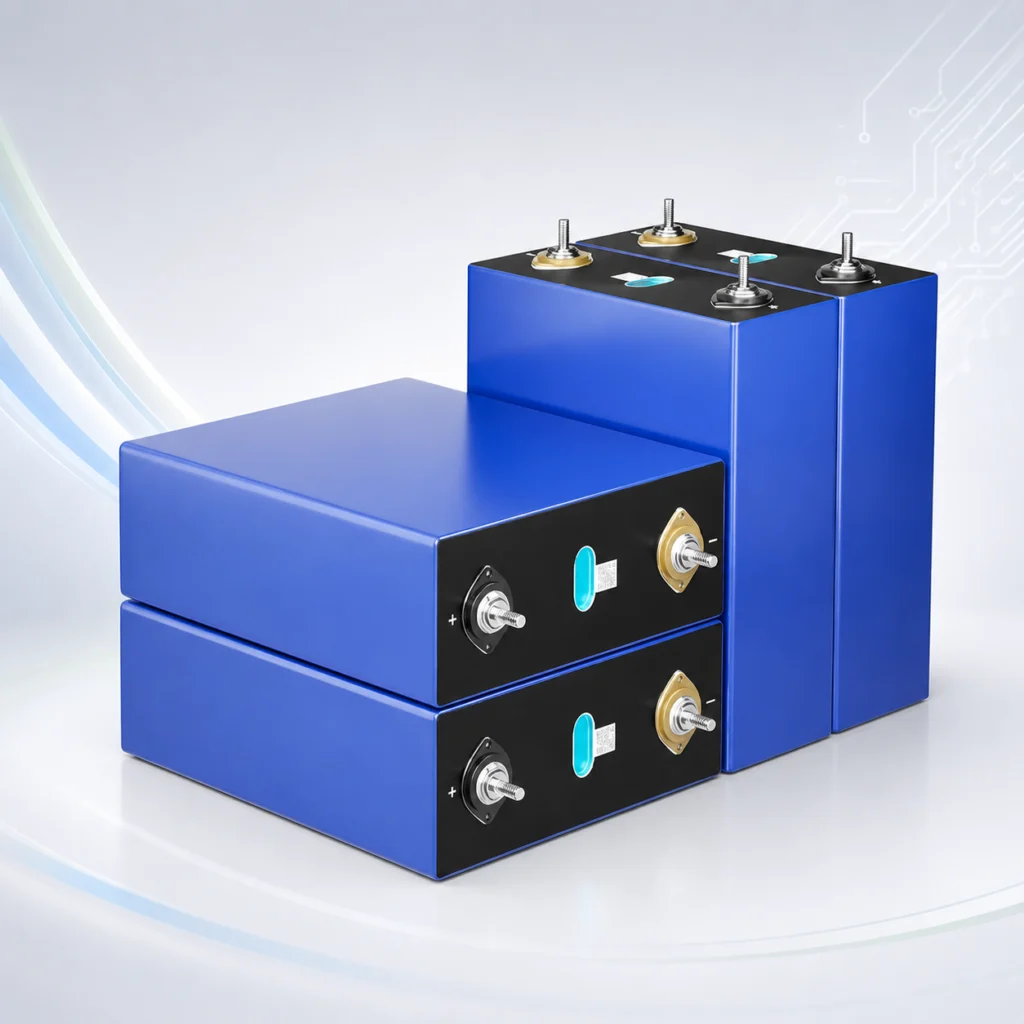
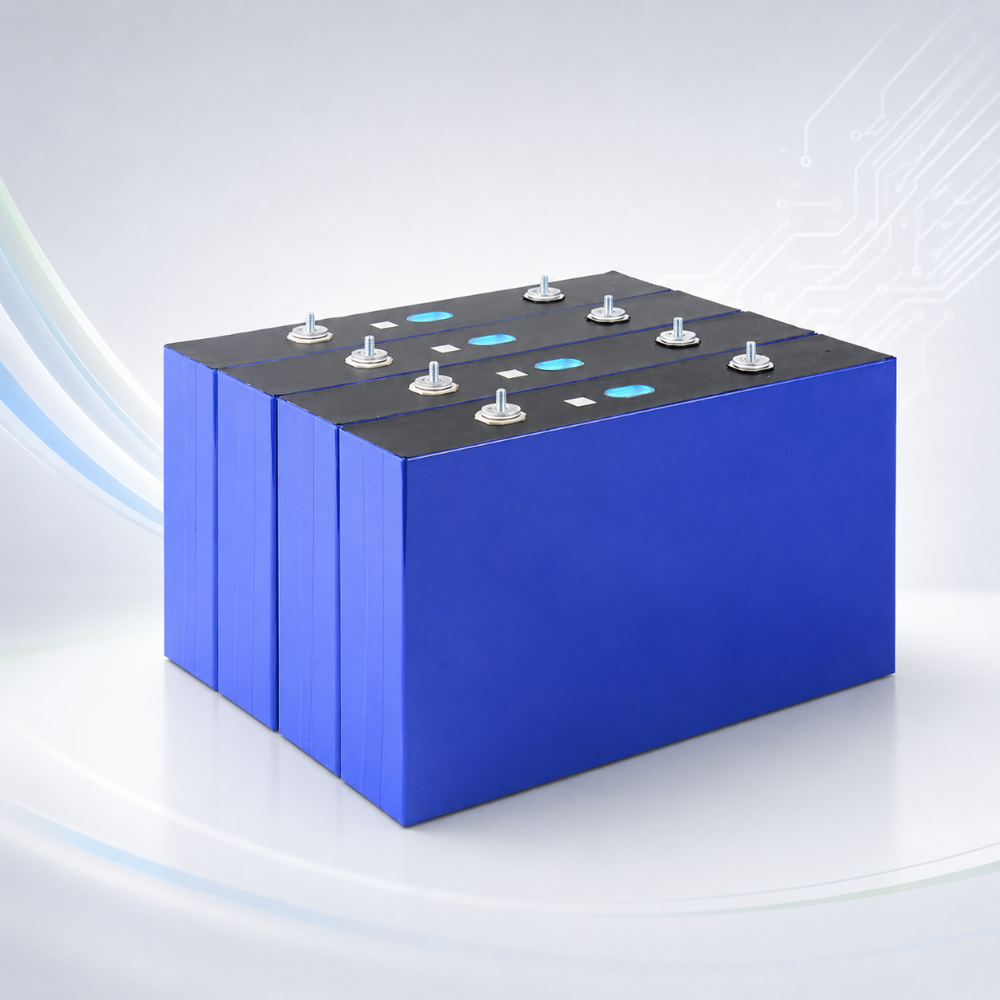
The quality of a battery pack directly affects power supply stability, service life, and operational safety. Even when individual cells meet the required specifications, improper cell matching, welding defects, inadequate wire insulation, or faulty protection functions can lead to reduced capacity, unstable output, or safety incidents. For battery manufacturers, buyers, and pack assemblers, quality testing should cover cell selection, production assembly, and finished product verification. This helps identify potential problems and ensures that the delivered battery pack meets its design requirements.
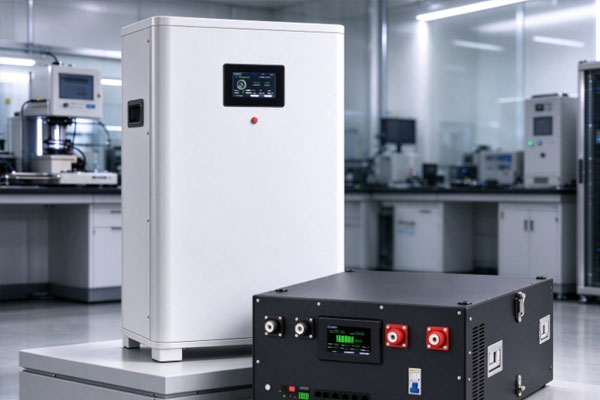
What Should Be Tested Before Battery Pack Assembly?
The quality of cells and components directly affects the assembly process, so necessary inspections should be completed before production begins.
- Cell Appearance Inspection: Check whether the cell casing has dents, scratches, corrosion, leakage, or deformation, and confirm that the positive and negative terminals are free from visible damage. Cells with sealing defects or mechanical damage should not be used, preventing defective units from entering the assembly process.
- Voltage and Internal Resistance Testing: Use professional testing instruments to measure the open-circuit voltage and internal resistance of each cell. Compare the readings with the required specifications. Cells within the same battery pack should also be evaluated for parameter consistency to reduce the impact of performance differences on charging and discharging behavior.
- Component Specification Verification: Inspect the specifications of connecting strips, wires, insulation materials, protective devices, and the BMS to ensure they match the battery pack design. Components with insufficient current-carrying capacity or inadequate insulation may affect normal battery pack operation.
Screening cells and components before assembly helps reduce quality problems during production.
How Is Quality Inspected During Battery Pack Production?
Assembly quality mainly depends on connection processes, wiring layout, and protection system installation. These areas should be inspected throughout production.
- Welding Quality Inspection: For battery packs assembled using spot welding or laser welding, inspect the position, quantity, and appearance of weld points to confirm that connections are secure. Pull tests or connection resistance tests can be performed when necessary to identify weak welds, missed welds, and excessive heat damage.
- Wiring and Insulation Inspection: Check whether internal wires are arranged properly and whether there are exposed, loose, or pinched sections. The insulation between positive and negative terminals, as well as between conductive components and the enclosure, should also be inspected to prevent short circuits caused by assembly defects.
- BMS Wiring Inspection: Verify the connection positions of voltage sampling wires, temperature sensors, and current detection circuits. All connections must follow the design requirements. Improper sensor installation or poor terminal contact may cause inaccurate monitoring data and affect protection functions.
Key inspection results should also be recorded during production to support subsequent troubleshooting and defect identification.
What Should Be Checked During Finished Battery Pack Testing?
After assembly, performance, electrical safety, and structural inspections are required to determine whether the battery pack meets its intended operating requirements.
- Charging and Discharging Performance Testing: Conduct charging and discharging tests under specified voltage, current, and temperature conditions. Record the actual capacity, output voltage, and temperature rise, then compare the results with the product’s design specifications. The test results should reflect actual operating performance rather than simply confirming whether the battery pack can power on.
- Protection Function Testing: Verify overcharge, overdischarge, overcurrent, and temperature protection according to the design requirements. Check whether protection activation and recovery conditions meet the specified settings. These tests should be performed using controlled equipment and standardized procedures to avoid damaging the cells through improper operation.
- Enclosure and Structural Inspection: Check whether the enclosure, mounting brackets, screws, and connection interfaces are secure. Confirm that internal cells are firmly positioned and that wires are not pinched. Products with dustproof or waterproof requirements should also undergo testing according to their specified protection ratings.
Finished product testing should be based on product specifications and actual applications to ensure that critical performance and safety requirements are covered.
How Can a Consistent Battery Pack Quality Testing Process Be Established?
Test results must be standardized and fully documented to control quality across different production batches. Inspection criteria and acceptable ranges should be established according to cell type, series-parallel configuration, rated voltage, and capacity, with corresponding requirements applied to different battery pack models. Records of cell identification numbers, matching parameters, welding inspection results, charging and discharging data, and protection function tests must be maintained to facilitate the tracing of batches and production processes in the event of anomalies. Regularly inspect and calibrate voltmeters, internal resistance testers, charging and discharging equipment, and insulation testers to ensure accurate and reliable measurements.
Battery pack quality testing should not rely solely on power-on checks or capacity measurements. It needs to cover cell selection, assembly processes, electrical protection, and overall performance. Companies should establish testing standards based on product specifications and operating conditions while maintaining complete records of critical production stages. By standardizing inspection procedures, addressing abnormal test results promptly, and maintaining testing equipment, manufacturers can improve battery pack consistency and reduce production rework and post-delivery failures.