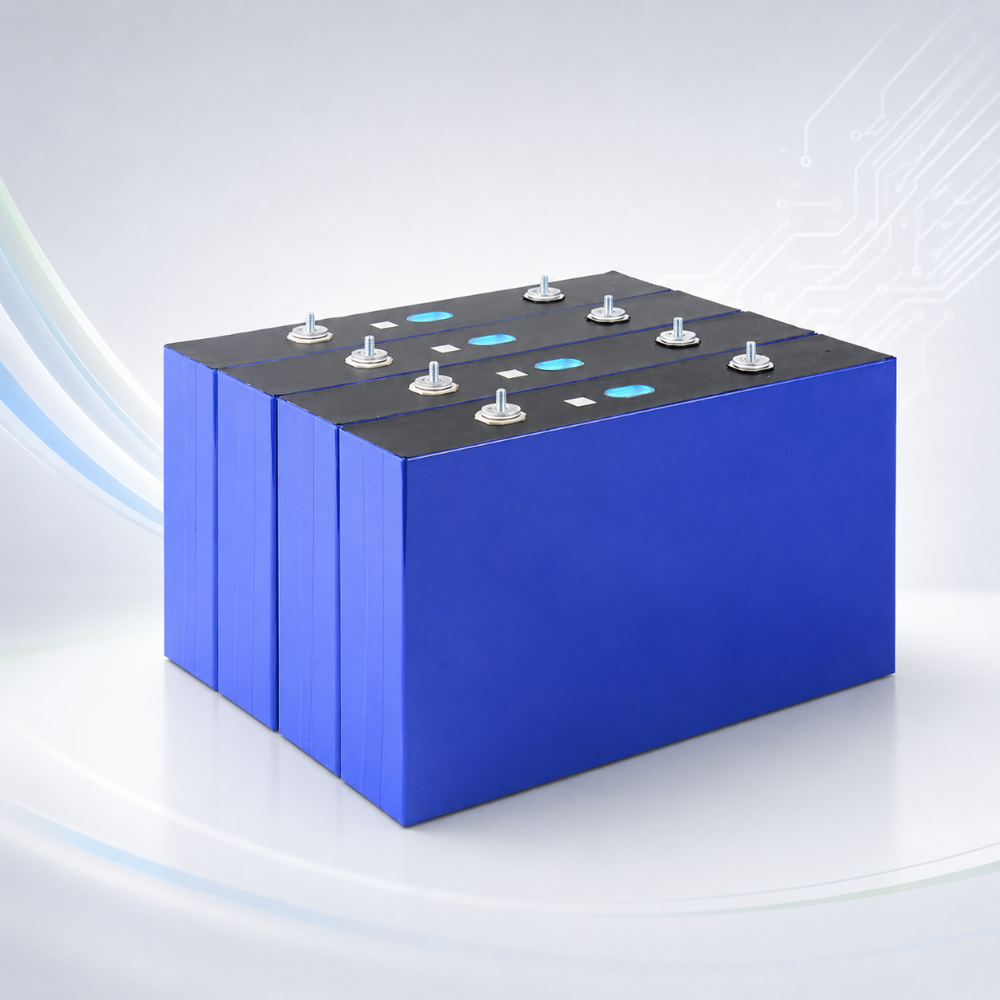
A short circuit in a battery pack can cause an abnormal increase in current and a rapid rise in localized temperature. In severe cases, it may damage cells, burn wiring, or even trigger a fire or thermal runaway. Short circuits can occur inside individual cells or result from faults in internal connections, wiring, or insulation structures within the battery pack. For battery manufacturers and pack assemblers, short-circuit prevention requires proper cell selection, structural design, circuit protection, and production testing. Relying solely on a BMS or fuse is not sufficient. Comprehensive protection measures at every stage can help reduce the risk of failure.

How Can Internal Short-Circuit Risks in Battery Packs Be Controlled?
Short-circuit protection requires distinguishing between internal cell faults and structural short circuits within the assembled battery pack. These two types of faults have different causes and require different preventive measures.
- Distinguish Between Short-Circuit Types: Internal cell short circuits are commonly associated with separator damage, metal contamination, or lithium dendrite growth. These are faults within individual cells. Structural short circuits in battery packs may occur between terminal connections, busbars, wires, and metal enclosures. They need to be prevented through proper layout and insulation design.
- Control Electrical Clearance and Creepage Distance: Electrical clearance is the shortest distance through air between conductive components at different electrical potentials, while creepage distance is the shortest distance along the surface of an insulating material. Appropriate dimensions should be determined according to operating voltage, insulation materials, and application conditions to prevent air breakdown or surface discharge.
- Strengthen Internal Insulation: Suitable insulating brackets or separators should be installed between cells, while metal enclosures should have reliable internal insulation layers. Connecting strips should be free of burrs and sharp edges, and wires should be securely fixed to prevent insulation wear or accidental contact caused by vibration.
Proper structural layout and insulation design can reduce unintended electrical contact inside battery packs.
How Can Protective Devices Reduce Short-Circuit Risks?
When abnormal current occurs in a battery pack, protective devices must limit the fault current promptly to reduce its impact on other cells and wiring.
- Configure a Suitable BMS: A Battery Management System (BMS) monitors voltage, current, and temperature and can activate overcurrent protection according to preset parameters. During selection, verify its continuous operating current, protection thresholds, and response capability to ensure compatibility with the cell specifications and actual load. A BMS cannot completely prevent internal cell short circuits or replace fuses.
- Install Main Circuit and Branch Fuses: Main circuit fuses or circuit breakers should be selected according to load current, system voltage, and expected fault current. For battery packs with multiple parallel branches, designers must also consider reverse current flowing from normal branches into a faulty branch. Appropriate branch-level fusing should be configured according to the circuit structure to prevent fault current from continuing to increase.
- Protect Sensing and Control Wiring: BMS sampling wires, temperature sensor wires, and control circuits should maintain appropriate distances from high-current connections and receive proper insulation and fixation. For sensing branches that require additional protection, miniature fuses or current-limiting components can be used according to the circuit design to reduce the risk of short circuits caused by damaged wiring.
Protective devices should be configured according to the series and parallel structure of the battery pack, with particular attention to reverse current during parallel branch faults.
What Should Be Considered During Battery Pack Production and Assembly?
Material quality and assembly processes directly affect insulation performance. The following production stages require particular attention.
- Inspect Cells and Connecting Materials: Before assembly, inspect cell casings, terminals, and insulation layers for damage, deformation, or other abnormalities. Connecting strips should also be checked for burrs, deformation, and dimensional deviations to prevent damage to surrounding insulation components.
- Control Welding Quality: During spot welding or laser welding, control welding positions and process parameters to prevent metal spatter, weld misalignment, and overheating damage. After welding, inspect the strength of the joints and the surrounding insulation, and remove any remaining metal debris.
- Conduct Insulation Resistance and Dielectric Strength Tests: Insulation resistance testing checks the insulation condition between energized circuits and components such as the enclosure. For applicable battery packs, Hi-Pot dielectric strength testing should also be performed according to design requirements to verify whether the insulation system can withstand the specified electrical stress. Test voltage, duration, and connection methods should be determined by the product design. Test parameters should never be increased arbitrarily.
Including material inspections, welding checks, and insulation tests in the production process helps identify assembly defects in a timely manner.
How Can Short Circuits Be Prevented During Daily Battery Pack Use?
After a battery pack enters service, external impacts, moisture, and aging connections may affect its insulation condition. Regular maintenance is therefore essential.
- Prevent Mechanical Damage: Battery packs should be securely mounted and protected from drops, crushing, and punctures by sharp objects. If the enclosure develops cracks or deformation, stop using the battery pack and arrange a professional inspection to prevent further damage to its internal insulation structure.
- Keep the Battery Pack Dry and Clean: Moisture, dust, and metal debris can reduce insulation reliability. Particular attention should be paid to terminals, connection interfaces, and cable entry points. Inspect the enclosure seals according to the product’s protection requirements to prevent liquid from entering the battery pack.
- Address Abnormal Conditions Promptly: If abnormal wire heating, discolored terminals, unusual odors, smoke, or excessive battery pack temperatures are detected, stop using the equipment immediately and move away from the hazardous area. Do not continue charging, disassemble the battery pack, or touch suspected faulty components.
For battery packs in long-term operation, regularly inspect mounting structures, wiring conditions, and enclosure integrity to identify aging or loose components and address them promptly.
Short-circuit prevention in battery packs requires attention to cell quality, structural insulation, current protection, and production testing. Manufacturers should design appropriate electrical clearance, creepage distance, and branch fuse protection according to operating voltage, series and parallel configuration, and application conditions. Insulation resistance testing and applicable dielectric strength tests should also be used to verify protection performance. During operation, mechanical damage and liquid intrusion must be avoided, and abnormal conditions should be addressed promptly. Implementing these measures throughout design, assembly, and maintenance can improve electrical safety and reduce losses caused by short-circuit failures.