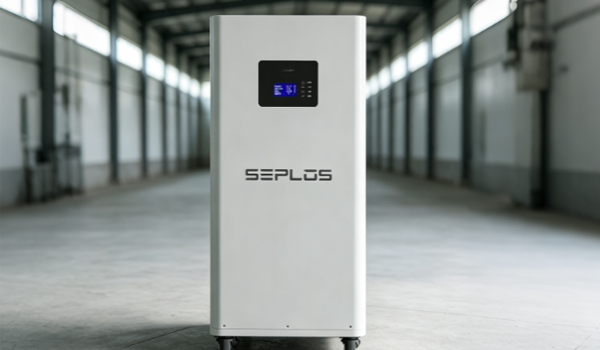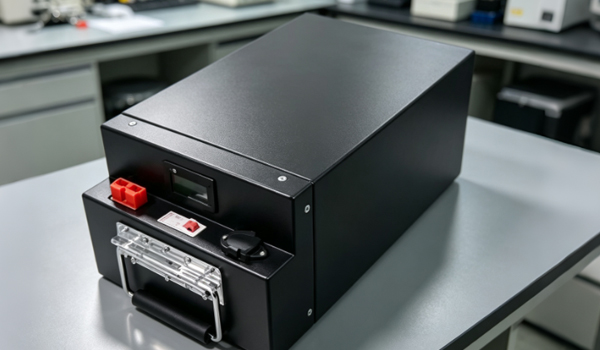
Hotels are typical commercial facilities that operate continuously and require electricity throughout the day. Guest rooms, central air-conditioning systems, lighting, elevators, kitchens, laundry rooms, conference halls, hot water systems, and smart service equipment all create changing power demands. Seasonal conditions, occupancy rates, weather, and business schedules can significantly affect a hotel’s load profile. Without a coordinated energy management system, equipment may operate simultaneously without proper scheduling, power demand may fluctuate significantly, and energy consumption may be difficult to manage efficiently. When LiFePO4 batteries are integrated with an energy management system, they can support energy storage, load regulation, and operational data management. By connecting the battery system with a BMS, PCS, EMS, smart meters, and monitoring platforms, hotel operators can monitor major load changes and establish clearer energy operating plans. Unlike a battery system used only as backup power, an energy management storage system is designed to participate in daily power scheduling according to actual hotel operating conditions, providing flexible and reliable support for long-term energy management.
LiFePO4 Batteries Improve Hotel Energy Scheduling Efficiency
A hotel’s electricity demand does not remain constant throughout the day. In the morning, guest room hot water systems, elevators, and restaurant equipment may operate at the same time. Around midday, central air-conditioning and kitchen equipment may increase overall power consumption. In the evening, guest room lighting, air conditioning, and public area facilities can continue operating for extended periods. An energy management system needs to continuously collect data such as total hotel load, power consumption from important areas, and battery operating status before scheduling the energy storage system according to predefined rules. LiFePO4 batteries offer good cycling capability and can perform regular charging and discharging under appropriate operating conditions, providing a reliable energy storage foundation for hotel load regulation. When electricity demand is relatively low, the system can charge the battery according to the operating plan. When hotel power demand changes, the battery system can participate in power supply according to the selected control strategy. By combining energy data monitoring with battery storage, hotels can gradually establish a more stable energy scheduling model and improve the controllability of their power systems.
Advantages of Using LiFePO4 Batteries for Hotel Energy Management
Hotel energy management systems are designed for long-term operation. Energy storage equipment therefore needs to provide stable energy storage capability while working effectively with intelligent control systems. LiFePO4 batteries can communicate with the BMS, PCS, and EMS, allowing battery operating data to become an important part of hotel energy management.
- Supports dynamic load regulation: The energy storage system can adjust its output according to changes in real-time hotel electricity demand.
- Good cycling capability: LiFePO4 batteries are suitable for regular charging and discharging operations in daily hotel energy storage applications.
- Real-time SOC monitoring: The energy management system can use the battery’s remaining capacity to plan future energy storage operations.
- Centralized monitoring: Battery operating data can be uploaded to a monitoring platform for convenient management.
- Scheduled charging and discharging: Hotels can establish battery operating schedules based on actual business and operating hours.
- Flexible system configuration: Battery capacity and system power can be selected according to the actual electricity demand of the hotel.
- Expandable energy storage capacity: Modular systems can be adjusted according to project planning and future energy requirements.
These features allow LiFePO4 batteries to become more than simple energy storage devices. They can serve as an important part of a hotel’s energy scheduling system and provide support for continuous monitoring and flexible power management.
How to Use a LiFePO4 Battery System for Hotel Energy Management
When using LiFePO4 batteries for hotel energy management, smart meters, load monitoring equipment, and monitoring platforms can continuously collect electricity consumption data. Hotels can record power usage in guest rooms, public areas, kitchens, equipment rooms, and other important locations and establish a detailed load profile based on operating conditions. After receiving real-time information, the EMS can schedule the battery system according to battery SOC, available PCS power, and predefined control strategies. For example, during periods when the hotel’s total electricity demand is relatively stable and the battery requires charging, the system can charge according to selected operating conditions. When multiple pieces of equipment increase the total power demand, the EMS can determine whether the battery should participate in power supply based on real-time system conditions. Hotels with strong seasonal changes can also adjust energy storage schedules according to summer air-conditioning demand, holiday occupancy rates, and large conference activities. Operators should regularly review system data, equipment communication status, and alarm records and adjust control parameters according to actual load changes. Battery capacity and PCS power should be designed according to real hotel electricity consumption rather than being determined only by building size, helping the energy storage system better match long-term operational requirements.
Main Equipment Configuration for Hotel Energy Management
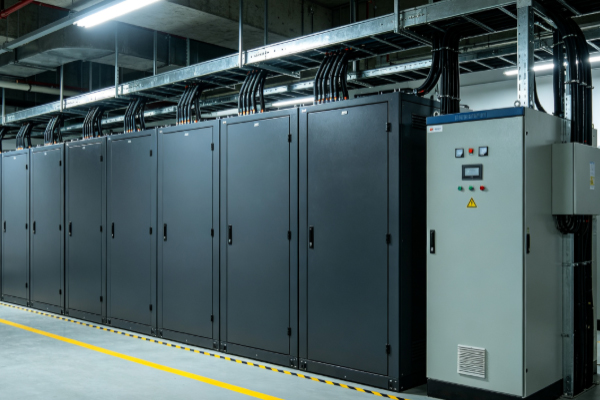
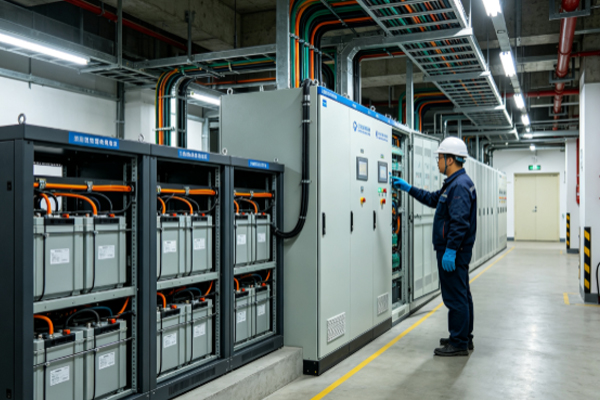
A hotel energy management storage system requires several devices to work together for energy storage, data collection, power conversion, and intelligent scheduling. Each component performs a specific task and exchanges information through a communication network.
| Equipment | Main Function | Role in Hotel Energy Management |
| LiFePO4 Battery | Stores and releases electrical energy | Participates in hotel power supply according to the energy schedule |
| BMS | Monitors battery conditions | Manages voltage, current, temperature, and SOC |
| PCS | Power conversion | Controls battery charging and discharging power |
| EMS | Energy scheduling | Executes operating strategies based on load data |
| Smart Meter | Data collection | Records electricity consumption in different hotel areas |
| Distribution Cabinet | Power connection and distribution | Connects the energy storage system with hotel loads |
| Monitoring Platform | Data display | Shows equipment status and historical operating information |
| Communication System | Data transmission | Enables information exchange between system components |
| Load Monitoring Equipment | Power measurement | Identifies changes in real-time electricity demand |
These components create a complete data collection and control structure, allowing hotels to continuously monitor battery conditions and load changes while adjusting energy operating plans according to actual requirements.
LiFePO4 Batteries Support Different Hotel Energy Management Applications
Hotels contain a wide range of electrical equipment, and different areas have different operating patterns. Guest room electricity demand is closely related to occupancy rates, while public areas may require lighting and air conditioning for long periods. Kitchens, laundry rooms, and hot water systems can create higher power demand during specific operating periods. By monitoring different areas separately, an energy management system can collect more detailed electricity data and schedule the energy storage system according to load priorities. LiFePO4 batteries can perform different energy storage tasks according to system settings, including supporting power regulation for important loads, assisting with public area energy management, and participating in power scheduling during periods of increased electricity demand. Proper load classification and energy storage planning can improve the use of available battery capacity while allowing hotels to adjust energy management strategies as business operations change.
Energy Data Management for Guest Rooms and Public Areas
Guest rooms and public areas are important sources of continuous hotel electricity consumption, but their load characteristics are different. Air conditioning, lighting, televisions, outlets, and other equipment in guest rooms change according to occupancy rates and guest activity. Hotel lobbies, corridors, elevator areas, and other public spaces often require equipment to operate for longer periods. Through smart meters and energy monitoring equipment, hotels can record power data from different areas and upload the information to an energy management platform for centralized monitoring. The EMS can use historical operating records to identify load patterns at different times, such as increased guest room electricity demand during peak occupancy periods, continuous public lighting during the evening, and changing equipment loads during cleaning and maintenance periods. LiFePO4 batteries can be scheduled according to this information, allowing the energy storage system to maintain appropriate available capacity when it is needed. Large hotels can also establish separate monitoring units based on floors or functional areas, improving data visibility and helping operators identify unusual changes in electricity consumption.
Intelligent Scheduling for High-Power Equipment
Central air-conditioning systems, hot water equipment, kitchen appliances, laundry equipment, pumps, and ventilation systems can have a significant effect on total hotel electricity demand. When several high-power devices operate at the same time, overall power consumption may increase rapidly. Continuous monitoring and coordinated energy scheduling can help hotel operators better understand these changes.
- Real-time monitoring of important equipment: Load monitoring devices can track changes in power consumption from high-power equipment.
- Scheduled equipment operation: Operating plans can be established according to hotel business activities and equipment requirements.
- Battery participation in power regulation: When system operating conditions are met, the battery can participate in power supply according to predefined strategies.
- Load priority settings: Different energy management priorities can be assigned according to the importance of each device.
- Reduced unplanned simultaneous operation: Operating data can help reduce situations where certain equipment starts at the same time without proper scheduling.
- Maintained battery capacity: Battery SOC can be managed according to expected demand so that available energy is not used too early.
- Continuous operating data collection: Equipment data can be recorded to support future improvements in hotel operating plans.
Through intelligent monitoring and appropriate scheduling, data from high-power equipment can become an important part of hotel energy management, helping the energy storage system work more effectively with actual equipment demand.
Data-Based Hotel Energy Forecasting and Management
Hotel energy management does not only focus on current electricity consumption. Historical operating data can also be used to estimate future energy requirements. After the monitoring platform records total hotel load, important equipment power, battery SOC, occupancy-related operating changes, and seasonal electricity trends over time, hotel operators can gradually identify regular patterns in energy demand. For example, central air-conditioning may operate for longer periods during summer, increasing total electricity consumption, while guest rooms and public facilities may experience sustained demand during holidays or major conferences. Based on these changes, hotels can adjust their energy storage plans in advance and maintain appropriate battery capacity for expected periods of higher demand. Energy forecasting does not need to rely entirely on complex automated algorithms. Long-term operating records and actual hotel business schedules can also be used to optimize energy plans. The EMS can execute control strategies based on real-time information, while hotel operators can adjust operating parameters according to business requirements. This combination can improve the adaptability of energy management and help LiFePO4 batteries better match actual hotel electricity needs.
High-Performance Energy Storage Systems Support Long-Term Smart Hotel Operations
Hotel energy management is a long-term operational task, and the energy storage system needs to continuously participate in data monitoring and power scheduling. Battery performance, equipment communication reliability, and system maintenance can all influence actual operating results. LiFePO4 batteries provide good cycling characteristics under appropriate charging and discharging conditions and can support long-term hotel energy storage applications. The BMS continuously monitors battery operating data, the PCS manages power conversion, and the EMS schedules energy storage operations according to hotel loads and predefined strategies. Stable communication between these systems can improve the completeness of energy data and help operators understand equipment conditions in a timely manner. During project design, battery capacity and system power should be determined according to the hotel’s actual load profile while considering the installation environment, potential future load growth, and maintenance requirements. With proper configuration, the energy storage system can provide continuous support for hotel energy management throughout its operating life.
Long-Term Cycling Performance and Stable Operation
Hotel electricity demand changes every day, and the energy storage system may perform regular charging and discharging operations according to the energy management plan. The battery therefore needs to support long-term cycling. LiFePO4 batteries offer suitable performance for repeated energy storage applications and can continuously participate in hotel energy scheduling when operated within appropriate temperature, SOC, and power ranges. The BMS monitors operating information such as battery voltage, current, and temperature and manages the system according to predefined protection logic. Hotels can select suitable charging and discharging depths based on actual electricity demand instead of frequently operating the battery at high output levels for short-term power requirements. During long-term operation, maintenance personnel should regularly review battery operating records, capacity conditions, and system alarms and perform maintenance according to equipment requirements. A stable operating environment, appropriate control strategies, and continuous data management can improve the reliability of the energy storage system for long-term hotel energy management.
Modular Design Adapts to Future Hotel Energy Changes
A hotel’s energy requirements may change as its business operations expand. Adding more guest rooms, expanding restaurant facilities, developing new conference spaces, or installing large electrical equipment can alter the original load structure. A modular LiFePO4 battery system can be configured according to current energy requirements while providing flexibility for future capacity adjustments.
- Phased capacity configuration: The initial energy storage capacity can be selected according to the hotel’s current load.
- Reserved expansion space: Future installation requirements for additional batteries and related equipment can be considered during project planning.
- Adaptation to changing load structures: Energy storage requirements can be reassessed when the hotel adds new services or facilities.
- Greater project flexibility: Hotels can avoid installing excessive energy storage capacity during the initial construction stage.
- Convenient system upgrades: Additional equipment can be evaluated based on PCS, BMS, and communication system capabilities.
- Support for long-term planning: The energy storage system can be developed according to future hotel operating requirements.
A modular design allows hotels to adjust energy storage capacity according to changing business conditions. When equipment compatibility and project requirements are properly considered, the system can provide greater flexibility for long-term energy management upgrades.
A hotel energy management LiFePO4 battery solution combines energy storage, load monitoring, data collection, and intelligent control to help hotels gain a clearer understanding of their electricity consumption. By continuously recording changes in electricity demand from guest rooms, public areas, and high-power equipment, the EMS can schedule LiFePO4 battery charging and discharging according to predefined strategies and improve the battery system’s ability to participate in daily energy management. Good cycling performance, real-time BMS monitoring, intelligent data management, and modular system design allow LiFePO4 batteries to support long-term hotel operations. With a system designed according to hotel size, actual load conditions, equipment operating patterns, and future development plans, hotels can establish a more stable, flexible, and manageable energy storage system that supports continuous progress toward intelligent energy management.