A DIY battery enclosure does more than house battery cells. It also provides cell support, electrical insulation, and external protection. Different battery packs have different dimensions, structures, and operating environments. An unsuitable enclosure may affect assembly quality and operating safety. When purchasing one, consider the cell specifications, internal layout, and equipment requirements. Check the enclosure material, installation space, and protective design rather than choosing based only on appearance and price.
What Specifications Should You Confirm When Purchasing a DIY Battery Enclosure?
The enclosure dimensions and internal layout must match the battery pack structure. Check the following specifications before purchasing.
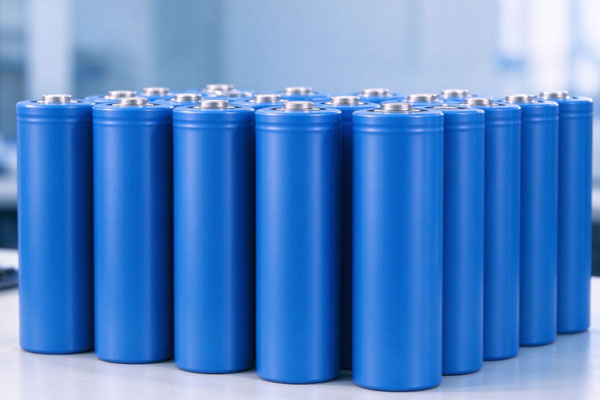
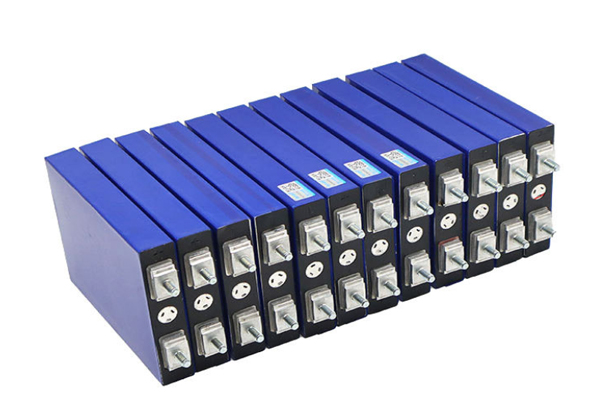
- Cell Type and Quantity: Confirm the cell model, quantity, and arrangement to prevent insufficient internal space or poor cell fixation.
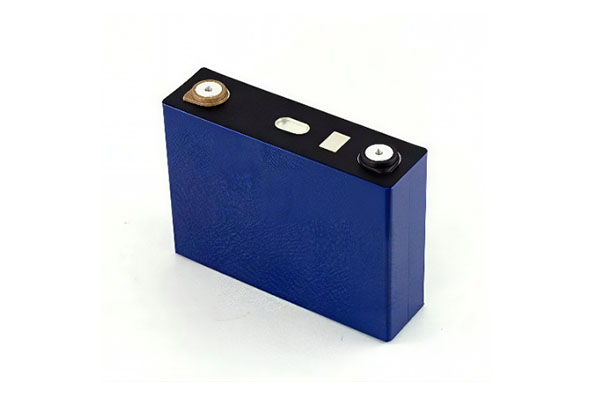
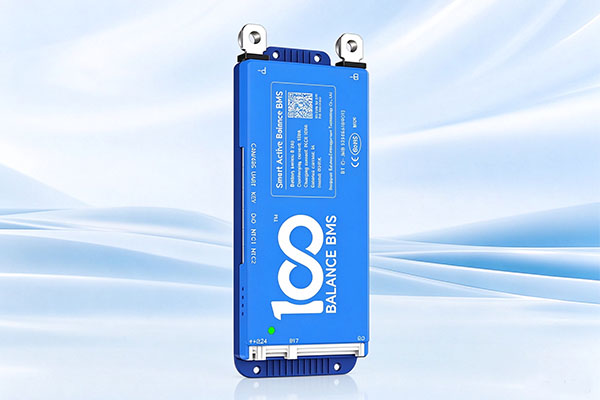
- Usable Internal Dimensions: In addition to the external length, width, and height, reserve space for the BMS, connecting strips, wires, and insulation components. For pouch cells, also allow for thickness changes and design suitable support structures according to the cell requirements.
- Interface Positions: Confirm the positions of output terminals, switches, charging ports, and cable outlets to make subsequent wiring and installation easier.
Matching the specifications can reduce assembly adjustments and improve the enclosure’s suitability for the intended application.
How Should You Choose the Material and Structure of a DIY Battery Enclosure?
The enclosure material affects its weight, strength, insulation, and heat dissipation. Choose according to the actual application requirements.
- Plastic Materials: Materials such as ABS and PC are lightweight and provide good electrical insulation. Check their impact resistance, temperature resistance, and flame-retardant properties before purchasing.
- Metal Materials: Aluminum alloy enclosures offer good structural strength and help conduct heat. However, internal insulation is necessary. For equipment designed with protective earthing, the enclosure should also be connected to the PE protective earth as required.
- Fixing Structure: Inspect the enclosure, cover, screw holes, and internal supports. Make sure the cells can be securely installed without blocking their safety venting positions.
The material and structure should be selected according to the actual battery pack requirements. Enclosure strength alone is not enough to determine product quality.
How Can You Evaluate the Safety Protection of a DIY Battery Enclosure?
The protective design should balance electrical insulation, sealing, heat dissipation, and emergency gas venting.
- Insulation Design: Check the internal insulation barriers and protective layers to prevent cell terminals or connecting strips from contacting a metal enclosure. For high-voltage battery packs, electrical clearance and creepage distances must also meet the design requirements.
- Sealing and Venting: For outdoor applications, inspect the seals around the cover joints and cable outlets. Waterproof breathable structures can balance normal pressure changes, but they cannot replace the battery cells’ emergency venting paths.
- Heat Dissipation: Battery cells and the BMS may generate heat during operation. Provide sufficient space for heat dissipation, avoid tightly wrapping the BMS, and secure the internal wiring properly.
Protection should be evaluated based on the overall design. A sealing ring or waterproof rating alone does not guarantee comprehensive battery safety.
What Other Details Should You Consider When Purchasing a DIY Battery Enclosure?
Check the enclosure for cracks, burrs, and deformation, and make sure the cover, threaded holes, and mounting points are in good condition. Also confirm whether sealing rings, supports, and installation accessories are included, and whether the supplier can customize the interfaces or internal structure to match the cell dimensions. For bulk purchases, assemble a sample first to check cell fixation, wire routing, and BMS installation space before placing the final order.
Purchasing a DIY battery enclosure requires a comprehensive evaluation of cell specifications, enclosure materials, internal layout, and operating environment. Proper sizing can reduce assembly problems, while suitable insulation, heat dissipation, and venting designs help lower operational risks. Checking specifications and assembling samples before purchasing can reduce selection errors and ensure that the enclosure meets actual assembly requirements.