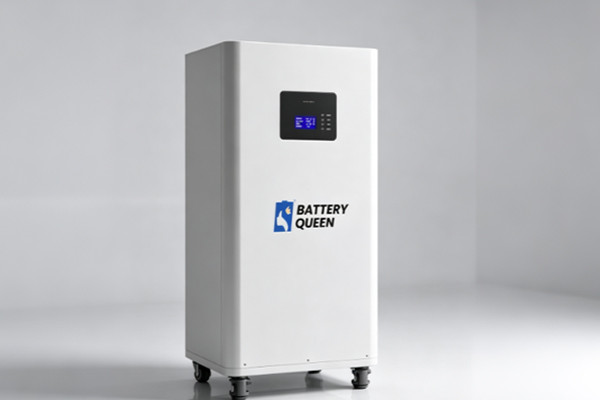
Household electricity has become essential for lighting, refrigerators, network equipment, computers, and various household appliances. When heavy rain, typhoons, snowstorms, power line failures, or temporary maintenance occur, power outages may last from dozens of minutes to several hours or even longer. For ordinary households, a short-term power outage may only affect daily convenience. However, if the refrigerator remains without power, network equipment stops operating, or there are devices at home that require continuous power, it is necessary to prepare a reliable backup power supply in advance.
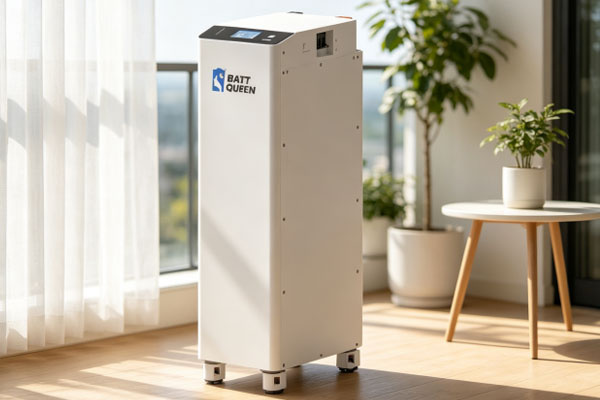
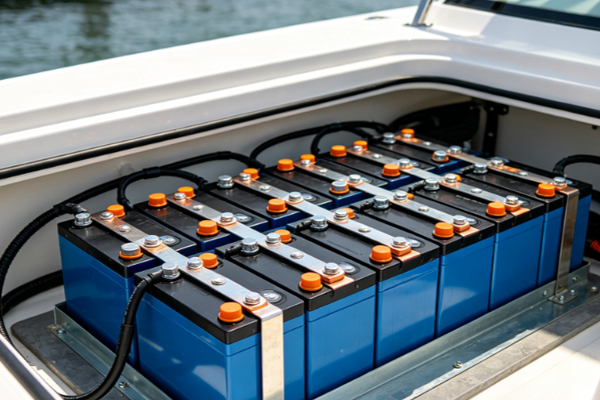
Home power outage backup lithium batteries are energy storage products designed for this type of requirement. Compared with traditional lead-acid batteries, LiFePO4 batteries feature lighter weight, more charge and discharge cycles, and longer service life, and can work together with a BMS Battery Management System to manage the charging and discharging process. According to actual household electricity requirements, 12V, 24V, 48V, and higher-voltage battery systems can be designed. Battery packs with capacities of 100Ah, 200Ah, or even larger can also be customized according to capacity requirements.
Introduction to Home Power Outage Backup Lithium Battery Solutions
Determine the Devices That Need Power
When designing a home backup battery, you can first list the appliances that must continue operating after a power outage. For example, a refrigerator usually needs to keep running, while the router and optical modem need to maintain network connectivity, and lighting equipment needs to operate normally at night. If televisions, computers, electric fans, or other small household appliances are also required, these devices need to be included in the calculation. Different appliances have significant differences in power consumption. A router may consume only a few dozen watts, while the instantaneous starting power of a refrigerator can be significantly higher than its normal operating power. Therefore, a backup battery needs to consider not only capacity but also whether the inverter can withstand the starting power of the equipment.
Common household backup loads can refer to the following ranges:
| Household Equipment Common Power Range Backup Power Requirements | ||
| LED lighting | 5–20W/bulb | Low |
| Router/optical modem | 10–30W | Recommended for continuous power |
| Television | 60–150W | Configure according to requirements |
| Laptop | 45–100W | Optional |
| Electric fan | 30–100W | Optional |
| Refrigerator | 100–300W operating power | Starting power needs to be considered |
| Small water pump | 300–1000W or higher | Requires higher instantaneous output |
Actual power consumption is affected by different brands, models, and operating conditions, so equipment nameplate parameters should be used as the basis for engineering design.
Calculate Capacity According to the Power Outage Duration
If the battery is only intended to handle short-term power outages, a smaller battery pack can be used to provide electricity mainly for lighting, routers, mobile phone charging, computers, and other essential devices. This can meet temporary usage requirements while reducing installation space and procurement costs. If the goal is to support a full night or even longer, battery capacity needs to be increased, and the actual power consumption of refrigerators, televisions, electric fans, and other appliances needs to be included in the calculation. In addition, inverter efficiency, battery depth of discharge, and potentially added electrical equipment in the future should be considered, with an appropriate capacity reserve to prevent the battery from operating at full load for extended periods. Considering inverter losses and the fact that batteries should not be completely discharged for long periods, the selected battery capacity needs to include a certain margin.
Output Capability
Some households only use lighting, networking equipment, and small appliances during a power outage, so the output power requirements are not particularly high. If refrigerators, water pumps, motors, or other motor-driven equipment need to be powered, starting current needs to be considered carefully. Therefore, home backup lithium batteries are usually used together with a suitable inverter. The battery stores electrical energy, while the inverter converts the battery output into AC power that household appliances can use. The two need to be properly matched according to voltage, current, and power.
LiFePO4 Batteries Are Suitable for Home Backup Power
Service Life Is More Suitable for Long-Term Backup
Home backup batteries are not necessarily used every day, but they still need to maintain stable conditions during long periods of standby. LiFePO4 batteries offer good cycle performance and can support many charge and discharge cycles under proper operating and maintenance conditions. Compared with traditional lead-acid batteries, LiFePO4 batteries generally provide higher energy utilization and lighter weight for the same energy storage requirements. If a household needs frequent charging and discharging or expects one battery system to be used for many years, a LiFePO4 solution offers good practical value.
The BMS Makes Battery Use More Reliable
Home energy storage batteries generally need to be equipped with a BMS, or Battery Management System. It can monitor battery voltage, current, and temperature and provide protection when abnormal conditions occur.
Common protection functions include:
- Overcharge and over-discharge protection
- Overcurrent and short-circuit protection
- Temperature monitoring and abnormal condition protection
- Cell voltage balancing management
The specific BMS functions can be customized according to the battery model, capacity, and application scenario.
Cell Quality Directly Affects Battery Performance
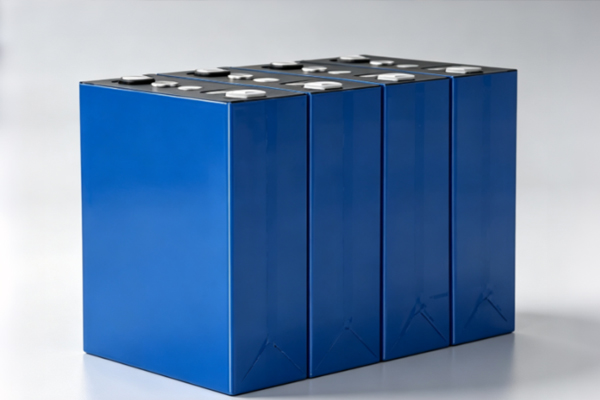
Even when batteries are labeled as LiFePO4 batteries, battery packs made with cells of different quality may have different actual performance. Home backup energy storage requires long-term use, so cell consistency, capacity, internal resistance, and factory inspection are all important considerations. For bulk procurement or OEM projects, cell specifications also need to be determined according to product positioning. Small-capacity backup power supplies, large-capacity home energy storage systems, and solar energy storage products have different requirements for the number of cells, connection methods, and battery structures.
Common Configuration Solutions for Home Backup Lithium Batteries
Small-Capacity Power Outage Backup Solution
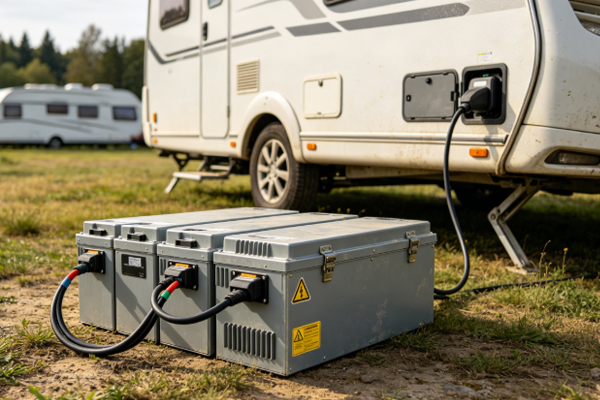
If a household mainly needs short-term power for lighting, routers, mobile phone charging, computers, and other equipment, a small-capacity lithium battery pack can be selected. These products are relatively compact and convenient to install and move. For example, 12V or 24V battery packs can be used for some small backup power supply equipment. If the main load power is not high, the capacity does not need to be particularly large, which can reduce procurement costs while meeting basic electricity requirements for several hours.
48V Home Energy Storage Solution
For households that need to operate refrigerators, lighting, network equipment, and some household appliances simultaneously, 48V-class energy storage systems are more common. Taking a 51.2V 100Ah battery as an example, the theoretical stored energy is approximately 5.12kWh. If longer backup time is required, battery capacity can be increased or multiple battery modules can be used for expansion. The advantage of a 48V solution is that the higher voltage results in relatively lower current at the same power level, which helps reduce current stress in the wiring and also facilitates integration with some home energy storage inverters.
Solar + Energy Storage Backup Solution
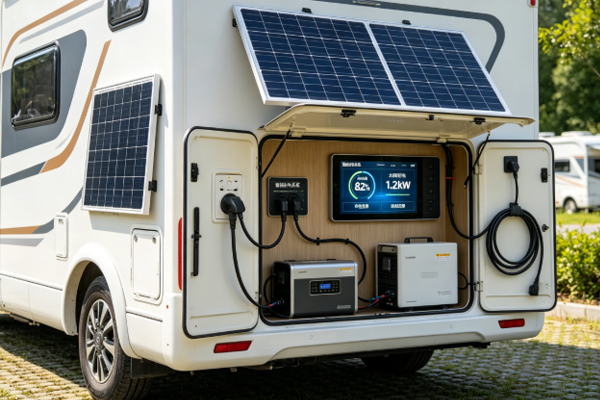
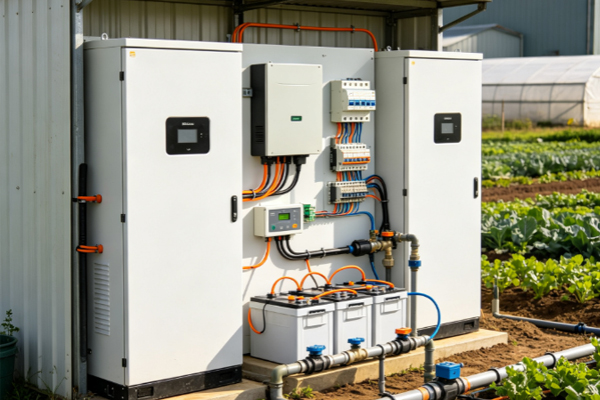
If a household already has a solar energy system, LiFePO4 batteries can be combined with the solar equipment. During the day, electricity generated by solar panels can be prioritized for household use, while excess electricity can be used to charge the battery. During a power outage, the energy storage battery can then provide backup electricity to the household through the inverter. This solution is suitable for households that want to improve solar energy utilization while reducing the impact of power outages. For projects requiring long-term operation, larger energy storage capacity can also be designed according to daily electricity consumption.
What Should Be Considered When Customizing Home Backup Batteries?
Voltage and Capacity Need to Be Determined in Advance
When purchasing home backup lithium batteries, it is necessary to determine the battery operating voltage, capacity, dimensions, and output interface. If the customer already has an inverter, the inverter voltage and power parameters should also be provided so that the battery supplier can design a suitable output solution. For bulk procurement, the housing structure, connection method, display method, communication functions, and installation method can also be determined, making the battery pack easier to integrate into the final product.
Installation Space Also Affects Battery Design
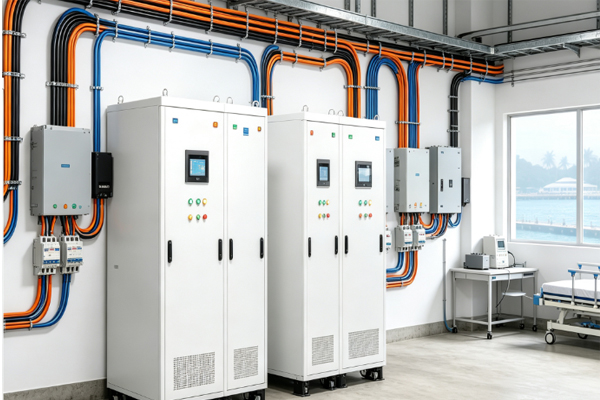
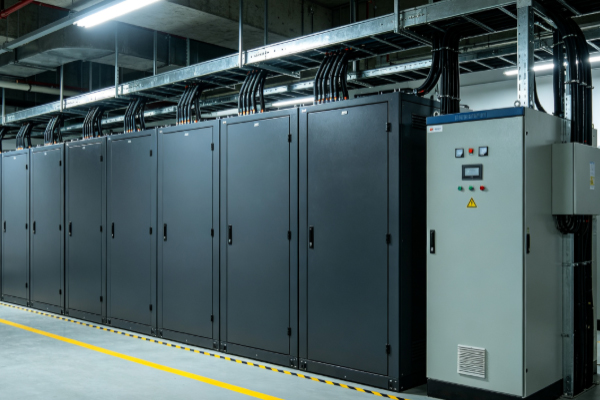
Home energy storage batteries may be installed in indoor storage rooms, garages, equipment rooms, or other fixed locations. Different installation environments have different requirements for battery dimensions, heat dissipation methods, and protection structures. Therefore, it is best to determine the installation space in advance when customizing a battery. If space is limited, the cell arrangement and battery box structure can be redesigned according to the actual dimensions rather than simply selecting a standard battery.
Product Documentation Should Be Confirmed During Procurement
Home energy storage products involve long-term use and transportation. Therefore, in addition to price, relevant product documentation should also be confirmed during procurement. Depending on the battery model and target market, applicable access certificates, transportation test summaries, Safety Data Sheets, and compliance reports can be provided. Different countries and regions may have different documentation requirements for battery products. If the product is intended for export, it is recommended to clarify the sales country, application scenario, and transportation method before placing an order so that the supplier can confirm the required documentation in advance.
Frequently Asked Questions
Q: What battery capacity is generally required for home power outage backup?
A: It needs to be determined according to the devices that need to be used after a power outage. If the battery only needs to power lighting, routers, mobile phones, and computers, a small-capacity battery may be sufficient. If refrigerators, televisions, and other household appliances also need to be used, a higher capacity is recommended. The longer the power outage lasts, the greater the required battery capacity.
Q: Can LiFePO4 batteries be used for home energy storage?
A: Yes. LiFePO4 batteries are already widely used in energy storage products. They offer good cycle performance and stability and are suitable for applications such as home backup power and solar energy storage.
Q: Can batteries be customized according to household appliances?
A: Yes. Suppliers can design battery packs according to load power, backup time, installation dimensions, operating voltage, and inverter parameters. OEM/ODM customization is also available for bulk procurement.
The purpose of a home power outage backup lithium battery is to keep important household equipment operating when normal power supply is interrupted. When selecting a product, there is no need to pursue an especially large capacity blindly. Instead, you should first determine which appliances need to be powered and how long they need to operate, and then determine the battery voltage, capacity, and output power. For households that only need lighting, networking, and mobile phone charging, a small-capacity battery can already meet basic requirements. If you want to operate refrigerators, televisions, computers, and other equipment simultaneously, you can consider a 48V-class LiFePO4 energy storage battery. If you also want to use solar energy, a solar + energy storage solution can be further designed to store electricity generated during the day for use during power outages. A good home backup battery is not simply about having a large number of cells. It also needs to consider the BMS, battery structure, capacity, safety protection, installation space, and subsequent use. For bulk procurement and customization projects, the battery should be designed according to the product requirements from the beginning. This can reduce unnecessary costs while making the final product better suited to actual usage requirements.
If you are looking for home power outage backup lithium batteries or need customized LiFePO4 battery packs with 12V, 24V, 48V, or higher capacities, welcome to contact our team. Provide your voltage, capacity, equipment to be powered, target market, and installation dimensions, and we can further assist in confirming a suitable product solution.
WhatsApp: +86 15074995718
Email: info@deligreen.net
Contact us now to get a free consultation and customized solution. Let us work together to build a greener future.