Golf carts are widely used on golf courses, resorts, hotels, scenic areas, industrial parks, and residential communities. As electric golf carts gradually transition from traditional lead-acid batteries to lithium batteries, users have higher requirements for battery runtime, safety, charging efficiency, and service life. In particular, golf carts may experience relatively high instantaneous currents during starting, climbing, carrying passengers, and long-distance driving. Without an appropriate battery management system, problems such as abnormal voltage, overheating, overcharging, or over-discharging may occur after long-term use.
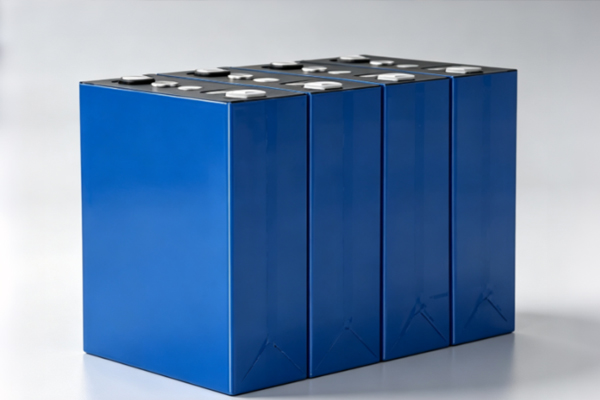
LiFePO4 batteries feature relatively high safety, long cycle life, and lighter weight, making them highly suitable for golf carts. However, a stable lithium battery system requires more than simply placing battery cells into a battery box. The BMS is also needed to manage the charging and discharging status of the battery in real time. Therefore, when designing lithium batteries for golf carts, the cells, battery pack, and BMS need to be designed as a complete system according to the vehicle voltage, rated capacity, motor power, controller parameters, charger specifications, and actual operating environment, providing a lithium battery BMS protection solution suitable for the specific vehicle.
Why Do Golf Carts Need BMS Protection?
Golf Cart Operating Conditions Place High Requirements on Batteries
Golf carts may not appear to operate at high speeds, but they frequently start, stop, and accelerate during actual operation. After passengers are onboard, the vehicle weight increases. When driving uphill, on grass, or on surfaces with high resistance, the motor needs to consume more electrical energy, and the battery also needs to provide greater output current. If the battery operates under high-current conditions for extended periods, internal temperature and individual cell voltage may change. If significant voltage differences develop between cells, some cells may reach a fully charged or fully discharged state earlier than others. The BMS continuously monitors these changes while the battery is operating. When an abnormal battery condition is detected, it can provide timely protection and reduce the impact of abnormal operation on the cells.
Main Functions of the BMS in a Battery Pack
The BMS continuously monitors the voltage, current, and temperature of the battery and controls battery operation according to preset protection parameters.
Common BMS protection functions for golf cart lithium batteries include:
Overcharge protection: Prevents the battery from remaining at excessively high voltage for an extended period.
Over-discharge protection: Prevents continued discharge when the battery voltage or state of charge is too low.
Overcurrent protection: Provides protection when the vehicle requires a high current.
Temperature protection: Limits charging or discharging when abnormal battery temperature is detected.
Short-circuit protection: Quickly disconnects the output when abnormal wiring or a short circuit occurs.
These functions do not operate independently. Instead, they work together to support the safe and stable operation of the battery.
Different Golf Cart Voltages Require Different Designs
Common golf cart battery systems include 24V, 36V, and 48V specifications. As vehicle power and load vary, battery capacity, continuous discharge capability, and BMS parameters also need to be adjusted. Taking LiFePO4 cells as an example, a single cell typically has a nominal voltage of 3.2V. A 48V system generally uses a 16-series cell configuration, with a nominal voltage of approximately 51.2V. Therefore, the battery should not be selected simply based on the name “48V lithium battery.” It is also necessary to confirm whether the vehicle controller, motor, and charger are suitable for the corresponding voltage.
| Golf Cart System Common LiFePO4 Battery Nominal Voltage Typical Application | ||
| 24V system | 25.6V | Small, low-power vehicles |
| 36V system | 38.4V | Common small and medium-sized golf carts |
| 48V system | 51.2V | Higher-power and long-range models |
| Customized system | Designed according to requirements | Special vehicles and modification projects |
How Does the Golf Cart Lithium Battery BMS Provide Protection?
Voltage Needs to Be Controlled During Charging
During lithium battery charging, if the voltage exceeds a reasonable range, it may increase stress on the cells. Therefore, the BMS needs to monitor the voltage of each cell string in real time. For example, during the charging process of a 16-series LiFePO4 battery pack, the status of each cell string needs to be monitored. When one cell string reaches the preset upper limit earlier than others, the BMS can provide protection according to the design to prevent continued abnormal charging. This function is particularly important for golf carts that are used frequently. Vehicles on golf courses and in scenic areas may be used and charged multiple times every day. If charging is not properly managed, long-term accumulation may affect battery condition.
Control Current During the Discharge Process
The motor of a golf cart may suddenly require a high current when starting or climbing hills. At this time, the battery needs not only to provide sufficient power but also to ensure that the current does not continuously exceed the range that the battery pack can withstand. The BMS can set discharge protection parameters according to the battery pack design. When abnormal high current is detected, the corresponding protection can be activated. However, it is important to note that the BMS should not be configured with the principle that “the higher the current, the better” or “the higher the protection value, the better.” If the protection value is set too low, protection may be triggered frequently during normal starting or hill climbing. If it is set too high, the battery may not receive effective protection. Therefore, BMS parameters need to be adjusted according to motor power, controller parameters, cell discharge capability, and the actual vehicle load.
Temperature Management
Golf carts may operate outdoors for extended periods. In high summer temperatures, continuous vehicle operation can increase battery temperature, while low temperatures in winter may affect lithium battery charging and discharging performance. The BMS can monitor the battery pack status through temperature sensors. When the temperature reaches the preset protection range, charging or discharging can be limited. For golf carts operating in high-temperature, low-temperature, or areas with significant temperature differences between day and night, temperature monitoring and corresponding protection measures can be incorporated during the battery design stage rather than being addressed after the battery has been installed.
Cell Balancing Helps Keep the Battery Pack Stable
A battery pack usually consists of multiple cells connected in series. Even when cells are purchased from the same batch, differences between individual cells may gradually develop during long-term use. For example, in a 16-series battery pack, if the voltage of one cell string changes significantly faster than the others, it may affect the usable capacity of the entire battery pack. The balancing function in the BMS can help reduce differences between individual cells and improve battery pack stability. This function has practical value for golf carts that require long-term cyclic operation.
Golf Cart Lithium Battery BMS Customization Solution
Determine the Basic Vehicle Parameters
Lithium battery customization cannot simply replace the original lead-acid battery based only on its capacity. The supplier needs to understand the vehicle voltage, motor power, controller parameters, charger parameters, load, and approximate daily operating time. For example, a vehicle originally using a 48V lead-acid battery does not necessarily mean that it will operate normally after directly installing a 51.2V LiFePO4 battery. It is also necessary to confirm whether the vehicle control system supports the corresponding voltage range.
At the beginning of the project, it is recommended to provide the following information:
| Parameter Information to Be Confirmed | |
| Vehicle voltage | 24V, 36V, 48V, or other specifications |
| Motor power | Determines the required battery output capability |
| Battery capacity | Select Ah capacity according to runtime |
| Controller | Confirm continuous and peak current requirements |
| Charger | Confirm charging voltage and charging current |
| Installation space | Determine battery box dimensions |
| Operating environment | High temperature, low temperature, humidity, etc. |
| Operating time | Daily operating time and number of charging cycles |
Select Battery Capacity According to Runtime Requirements
Battery capacity directly affects the runtime of a golf cart. If the capacity is too small, the vehicle needs frequent charging; if the capacity is too large, battery cost and weight will increase.
For example, a 48V 100Ah LiFePO4 battery has a nominal stored energy of approximately: 51.2V × 100Ah = 5.12kWh
If longer runtime is required, a larger capacity can be selected according to actual power consumption, such as 48V 150Ah or 48V 200Ah solutions. However, actual runtime cannot be determined solely by battery capacity. It is also affected by vehicle weight, number of passengers, road conditions, speed, driving habits, and temperature. Therefore, battery customization should be based on actual operating conditions rather than theoretical capacity alone.
The BMS Needs to Work Together with the Vehicle Power System
The BMS rated current needs to be determined according to the vehicle motor and controller. For example, the current during normal driving may not be high, but a short-term high-current demand may occur during startup or hill climbing. If the continuous current and peak current of the BMS are not properly designed, the vehicle may experience insufficient power, sudden power loss, or frequent protection activation. For golf cart projects, BMS units with different specifications can be designed according to actual vehicle requirements. Communication functions can also be added so that the BMS can provide battery status information to the vehicle system. If the customer requires battery level display, fault alerts, mobile monitoring, or vehicle communication functions, these can also be incorporated into the solution during the design stage.
Golf Cart Lithium Battery Installation and Usage Considerations
The Battery Box Needs to Consider the Vehicle Installation Environment
Golf carts operate outdoors for extended periods. The battery box needs not only to accommodate the cells and BMS but also to consider dust protection, water resistance, vibration resistance, and mounting methods. If the battery box dimensions do not match the vehicle’s existing battery compartment, installation difficulties may occur. Therefore, customized projects generally require the battery pack structure to be designed according to the vehicle battery compartment dimensions. For modification projects, it is also necessary to consider the mounting method of the lithium battery, wiring positions, and maintenance space after the original lead-acid batteries have been removed.
The Charger Cannot Be Replaced Randomly
LiFePO4 batteries need to use a charger compatible with the battery parameters. Different series configurations, voltages, and capacities also have different charger requirements. For example, a 48V LiFePO4 battery generally requires a charger corresponding to its charging cutoff voltage. If an incompatible lead-acid battery charger continues to be used, it may result in abnormal charging time and may even affect battery safety. Therefore, when providing a battery solution, the battery supplier can also confirm the charger specifications to reduce commissioning problems after installation.
Safety Design for Golf Cart Lithium Batteries
A complete battery system requires not only stable-quality cells but also proper design of the BMS, wiring, connectors, battery box, and protection structure.
Common design elements include:
| Design Item Main Function | |
| Grade-A LiFePO4 cells | Provide stable electrical energy |
| BMS | Manage charging, discharging, and abnormal conditions |
| Temperature detection | Monitor battery temperature changes |
| Fuse protection | Reduce risks caused by abnormal high current |
| Battery box | Protect internal batteries and wiring |
| Connectors | Ensure reliable vehicle connections |
| Communication function | Facilitate monitoring of battery operating status |
For customers purchasing in bulk, the battery structure can also be customized according to the vehicle brand, model, and installation method, making the battery pack more suitable for batch assembly.
Frequently Asked Questions
Are LiFePO4 batteries better than lead-acid batteries for golf carts?
If the vehicle has high requirements for runtime, weight, charging efficiency, and cycle life, LiFePO4 batteries are generally a solution worth considering. They are typically lighter than lead-acid batteries for equivalent application requirements and can support longer cycle use. Whether they are ultimately suitable still needs to be determined according to the vehicle model and actual operating conditions.
Can a 48V golf cart be directly replaced with a 48V lithium battery?
You cannot look only at the “48V” label. The 48V rating of a lead-acid battery and the nominal voltage of a LiFePO4 battery pack are different, so the operating range of the vehicle controller, motor, and charger needs to be checked. Confirming vehicle parameters before replacement can reduce compatibility problems after modification.
Is a larger BMS capacity always better?
No. The BMS needs to be selected according to the cells, battery capacity, motor power, and controller current. If the parameters are not properly designed, even a BMS with a high rated current may not be suitable for the vehicle.
Can golf cart battery dimensions be customized?
Yes. For OEM/ODM projects, the battery pack can be designed according to the battery compartment dimensions, vehicle structure, and installation method provided by the customer, including voltage, capacity, BMS, battery box, connectors, and communication functions.
What battery capacity should be selected if the golf cart is used for long periods every day?
It needs to be estimated according to vehicle power consumption, load, travel distance, road conditions, and daily operating time. Capacity cannot be determined solely based on vehicle voltage. The supplier can help calculate an appropriate Ah capacity according to actual operating conditions and design the corresponding BMS solution.
Golf Cart Customization Support
We specialize in the R&D, production, and sales of LiFePO4 battery cells, battery packs, Battery Management Systems (BMS), and energy storage systems, and provide OEM/ODM services according to golf cart voltage, capacity, power requirements, and installation space. From cell selection and battery pack design to BMS protection solutions, we provide one-stop solutions for customers. We implement strict quality control procedures and can provide applicable access certificates, transportation test summaries, Safety Data Sheets, and compliance reports for relevant battery models according to different markets and product requirements. If you are developing a new golf cart lithium battery project or need to upgrade from lead-acid batteries to LiFePO4 batteries, welcome to contact our team to confirm your specific requirements.
WhatsApp: +86 15074995718
Email: info@deligreen.net