With the development of logistics delivery, cargo transportation, agricultural operations, and short-distance urban transportation, electric tricycles are being used more frequently. For commercial users such as courier services and retail delivery, vehicles often need to operate for long hours every day. Traditional charging methods may require significant waiting time. When the battery runs low, the vehicle cannot be put back into operation immediately, which can affect overall operating efficiency.
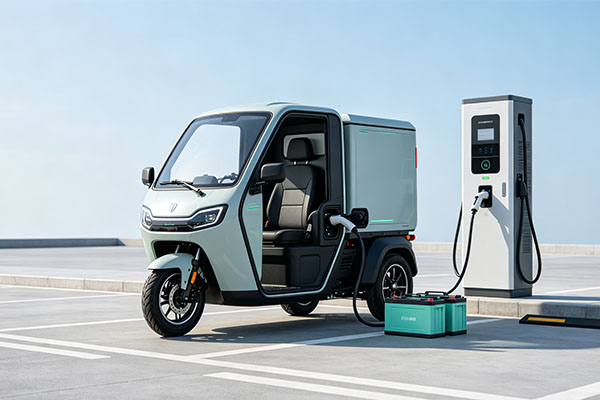
As a result, fast-charging electric tricycle battery solutions are gaining increasing attention. By selecting cells suitable for fast charging, optimizing battery pack design, configuring an appropriate BMS, and matching the battery with a suitable charger, charging time can be reduced while maintaining safe and stable operation. This provides a more flexible energy solution for electric tricycles used frequently throughout the day.
Why Do Electric Tricycles Need Fast-Charging Batteries?
Reduce Vehicle Charging Downtime
For electric tricycles that operate for long hours every day, charging time directly affects effective working time. When a conventional battery runs low, it may take a relatively long time to recharge before the vehicle can return to service. A fast-charging solution can replenish a certain amount of energy in a shorter period.
For delivery and logistics vehicles, this allows the vehicle to return to transportation tasks more quickly.
Meet High-Frequency Operation Requirements
Courier delivery and urban logistics applications typically involve frequent vehicle use. Vehicles may need to complete multiple delivery tasks continuously, with only limited time available between trips.
If the battery supports an appropriate fast-charging strategy, available downtime can be used for partial charging, improving vehicle utilization throughout the day.
How to Design a Fast-Charging Electric Tricycle Battery?
Choose Cells Suitable for Fast Charging
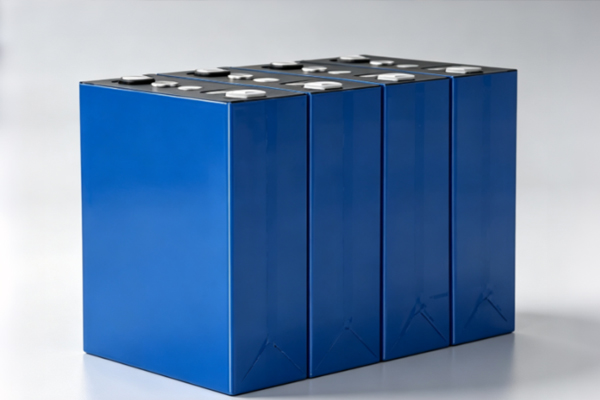
Fast charging places higher requirements on the charging acceptance capability of battery cells. The cells should offer good rate performance and stability while operating reliably under an appropriate charging current.
Therefore, when designing a fast-charging electric tricycle battery, the battery cell should be selected according to battery capacity, rated voltage, and target charging time rather than simply increasing the charging current.
Optimize BMS Charging Management
The BMS is an important component of a fast-charging battery system. It can monitor individual cell voltage, battery temperature, and charging current and manage the charging process according to battery conditions.
Proper BMS parameters can help control the charging process and reduce risks associated with abnormal temperature increases and overcharging, supporting the long-term operation of the fast-charging battery.
Match the Battery with a Suitable Charger
The battery and charger need to be properly matched. The charger’s output voltage, current, and charging profile should comply with the requirements of the battery system.
Using an incompatible charger may not achieve the expected fast-charging performance and could affect battery safety and service life.
Fast-Charging Battery Requirements for Different Applications
Different electric tricycles operate under different conditions, so fast-charging solutions should be adjusted according to the specific application.
| Application | Operating Characteristics | Fast-Charging Solution Focus |
| Courier Delivery | Frequent starts and stops, continuous deliveries | Fast charging capability, cycle life |
| Urban Logistics | Long daily operating hours | Quick energy replenishment, stability |
| Retail Delivery | Frequent short-distance transportation | Charging efficiency, reliability |
| Agricultural Transportation | Concentrated operating periods | Fast energy replenishment, durability |
| Commercial Electric Tricycles | High-frequency operation | Fast-charging performance, BMS protection |
What Are the Advantages of a Fast-Charging Battery Solution?
Improve Vehicle Utilization
Fast charging can reduce the amount of time a vehicle spends waiting for charging. For commercial electric tricycles that need to operate throughout the day, higher energy replenishment efficiency can help vehicles complete more transportation tasks.
Make Better Use of Short Charging Opportunities
Delivery vehicles do not necessarily need to fully charge every time. Depending on operating requirements, the battery can be partially recharged during short breaks, extending the vehicle’s available operating time throughout the day.
Suitable for Frequent Charging and Discharging
Fast-charging batteries need to be designed for frequent charging and discharging conditions. With suitable battery cells, BMS, and charging strategies, they can better meet the requirements of commercial applications such as logistics and delivery.
How to Choose a Fast-Charging Electric Tricycle Battery?
Determine the Solution According to Charging Time
Users should identify daily operating hours, available charging time, and required driving range. Battery capacity and charging power can then be selected according to these parameters, avoiding the pursuit of extremely short charging times without considering actual operating conditions.
Pay Attention to Battery Cycle Life
Frequent fast charging can increase battery workload, making cycle life an important consideration when selecting a fast-charging battery. High-quality cells and appropriate charging management can help maintain more stable battery performance.
Consider Thermal Management
Fast charging can generate additional heat within the battery. Appropriate battery structure, temperature monitoring, and thermal management can help control operating temperature and improve system stability.
Choose a Customizable Battery Solution
Different electric tricycles have different battery compartment dimensions, voltage platforms, and charging requirements. A professional battery supplier can customize battery capacity, dimensions, voltage, BMS, and charging solutions according to vehicle specifications, allowing the battery to better integrate with the complete vehicle system.
The core of a fast-charging electric tricycle battery solution is to reduce charging time while maintaining battery safety, cycle life, and long-term stability. By selecting cells suitable for fast charging, optimizing the BMS, matching dedicated charging equipment, and designing the battery according to actual vehicle operating conditions, manufacturers can provide more efficient energy solutions for logistics delivery, courier transportation, retail delivery, and agricultural transportation.
For electric tricycles used in high-frequency commercial operations, a properly designed fast-charging battery can reduce charging downtime and improve vehicle utilization throughout the day, providing more flexible and reliable power support for commercial transportation.