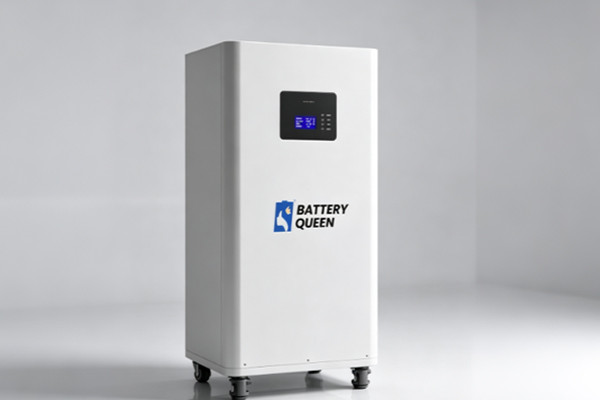
As solar power, wind power, and other renewable energy sources continue to grow, the importance of energy storage systems is becoming increasingly clear. For large-scale energy storage plants, commercial and industrial energy storage, and residential energy storage, batteries need to provide sufficient capacity while also meeting requirements for cost, safety, cycle life, and environmental adaptability.
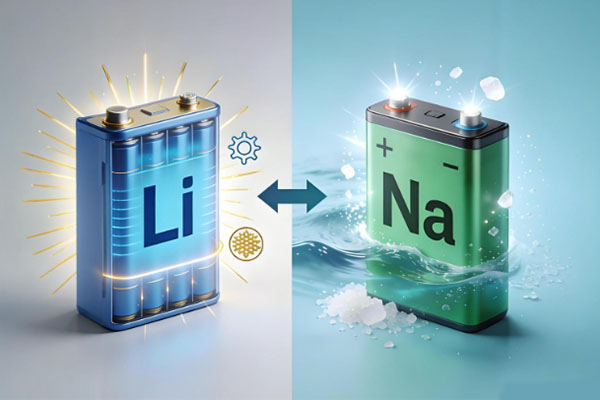
Over the past few years, lithium iron phosphate (LiFePO4) batteries have been widely used in the energy storage market. However, as the scale of energy storage continues to expand, the industry is also exploring more battery technologies for different applications. Sodium-ion batteries are one of the technologies attracting increasing attention.
So, why are more energy storage projects considering sodium-ion batteries? What advantages do they offer?
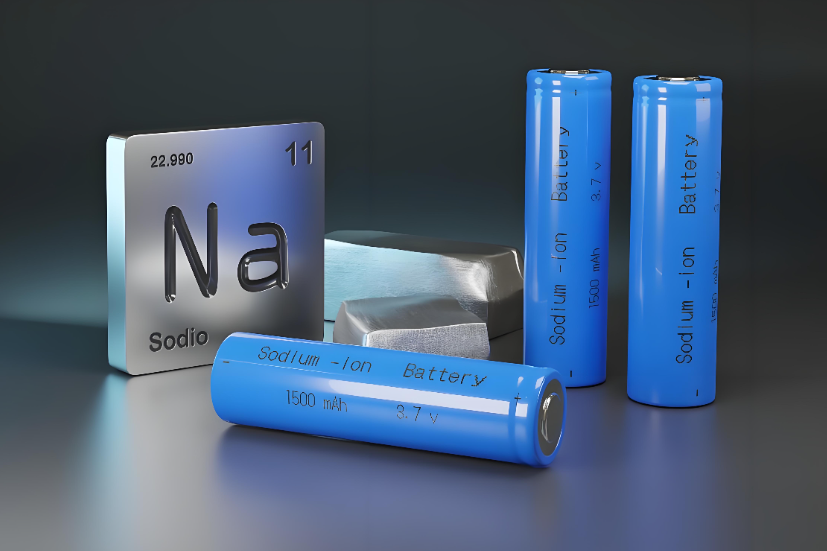
Sodium-Ion Batteries Offer Resource Advantages
Sodium Resources Are Abundant
Sodium-ion batteries use sodium ions as the main charge carriers. Sodium is one of the most abundant elements in nature and is widely distributed.
For the large-scale deployment of energy storage systems, raw material supply is an important consideration. Energy storage projects often require large numbers of battery cells, making a stable supply of raw materials increasingly important as market demand grows.
For this reason, abundant sodium resources are one of the key factors attracting attention to sodium-ion batteries.
Sodium-Ion Batteries Can Reduce Resource Dependence
Lithium-ion batteries have developed a mature supply chain over many years, but the prices and availability of lithium, nickel, cobalt, and other materials can still be affected by market conditions.
Sodium-ion batteries provide another material option. Although this does not mean that all sodium-ion battery production costs will be lower than those of lithium-ion batteries, abundant sodium resources may provide greater flexibility for large-scale energy storage in the long term.
Sodium-Ion Batteries Have Cost Potential
Energy Storage Projects Are Highly Sensitive to Battery Costs
Unlike smartphones and laptops, large-scale energy storage projects typically require a large number of battery cells.
For example, once an energy storage project reaches the MWh level, even a relatively small change in the cost of individual battery cells can have a significant impact when calculated across the entire system. As a result, battery cost remains an important consideration for energy storage projects.
With their resource advantages, sodium-ion batteries have the potential to become more cost-effective as manufacturing scales up.
Sodium-Ion Batteries Are Suitable for Stationary Energy Storage
Energy storage systems generally do not need to pursue extremely high energy density in the same way as electric vehicles.
For stationary energy storage, as long as the battery meets requirements for capacity, cycle life, safety, and cost, a somewhat larger physical size may not necessarily be a major disadvantage.
This gives sodium-ion batteries considerable potential in stationary energy storage applications.
Sodium-Ion Batteries Offer Advantages in Low-Temperature Applications
Low Temperatures Can Affect Battery Performance
Temperature is an important factor affecting battery operation. In particular, for outdoor energy storage projects, low temperatures in winter can affect charging and discharging performance.
For projects located in northern regions, cold-climate countries, and high-altitude areas, low-temperature battery performance often needs to be considered carefully during the system design stage.
Sodium-Ion Batteries Can Be Considered for Cold-Climate Applications
Sodium-ion batteries have shown certain advantages in low-temperature environments, which is another reason they are attracting attention from the energy storage industry.
For energy storage systems operating in cold climates, sodium-ion batteries can be evaluated as one potential technology option. However, actual performance also depends on cell design, the Battery Management System (BMS), and thermal management. Battery chemistry alone cannot determine the overall performance of a system.
Sodium-Ion Batteries Have Potential Safety Benefits
Large-Scale Energy Storage Requires Greater Attention to Safety
Energy storage plants are typically made up of large numbers of battery cells installed in concentrated areas, creating higher requirements for system safety management.
Therefore, when selecting batteries for energy storage projects, it is important to consider not only capacity and cycle life but also cell thermal stability and overall system safety design.
BMS and Thermal Management Are Equally Important
The safety performance of the battery itself is only one part of an energy storage system.
In actual applications, the Battery Management System, electrical protection, temperature monitoring, thermal management, and fire protection systems can all affect the safe operation of the entire energy storage system.
Therefore, even when sodium-ion batteries are used, comprehensive system design is still essential for achieving reliable long-term operation.
Sodium-Ion Batteries Have Multiple Application Opportunities
Sodium-Ion Batteries Can Be Used for Renewable Energy Storage
Solar and wind power are intermittent energy sources. Energy storage systems can store electricity when renewable generation is high and release it when electricity is needed.
Sodium-ion batteries can be considered as one technology option for solar and wind energy storage, particularly for stationary projects that place greater emphasis on cost and long-term operation.
Sodium-Ion Batteries Can Be Used for Commercial and Industrial Energy Storage
Demand for energy storage is growing among factories, commercial buildings, and industrial parks.
These projects often focus on peak-valley electricity pricing, investment costs, operating life, and maintenance costs. Sodium-ion batteries have potential in these areas, making them an increasingly interesting technology for commercial and industrial energy storage.
Sodium-Ion Batteries Will Not Simply Replace Lithium-Ion Batteries
Lithium-Ion Batteries Still Have Clear Advantages
Lithium-ion batteries have been developed for many years and have established strong advantages in energy density, manufacturing processes, supply chains, and market scale.
Therefore, sodium-ion batteries are currently better viewed as a complementary technology rather than a complete replacement for lithium-ion batteries.
Different Energy Storage Projects Require Different Batteries
Energy storage projects have different requirements.
Some projects prioritize energy density, while others focus more on cost and cycle life. Certain applications may also place greater importance on low-temperature performance and safety.
For this reason, battery selection should be based on the project’s operating environment, storage duration, charging and discharging frequency, and budget.
How to Choose Sodium-Ion Batteries?
Pay Attention to Key Battery Specifications
When purchasing sodium-ion batteries, it is important to evaluate key specifications such as rated capacity, operating voltage, cycle life, charge and discharge rate, and operating temperature.
These parameters can help project developers determine whether a battery is suitable for their specific application.
Consider the BMS and Overall System Solution
In addition to cell specifications, attention should also be given to the Battery Management System, battery modules, and the overall energy storage solution.
For large-scale energy storage projects, simply choosing high-performance battery cells does not guarantee stable long-term operation. Battery management and system integration are equally important.
The growing interest in sodium-ion batteries among energy storage projects is closely related to their abundant resources, cost potential, low-temperature performance, and suitability for stationary applications.
At present, sodium-ion batteries are not expected to completely replace lithium iron phosphate and other lithium-ion battery technologies. Instead, they provide the energy storage market with another option.
As manufacturing processes continue to improve and the supply chain becomes more established, sodium-ion batteries are expected to find further opportunities in residential energy storage, commercial and industrial energy storage, solar energy storage, and large-scale energy storage projects.