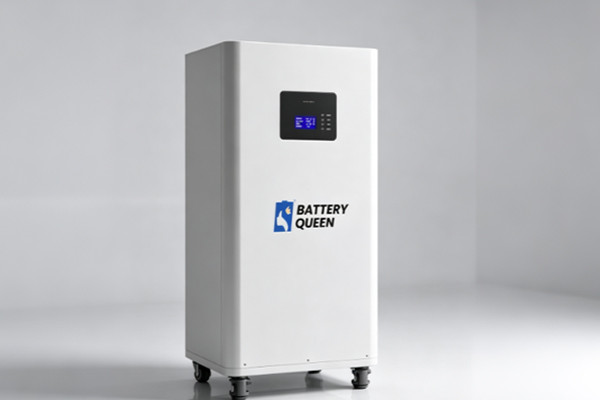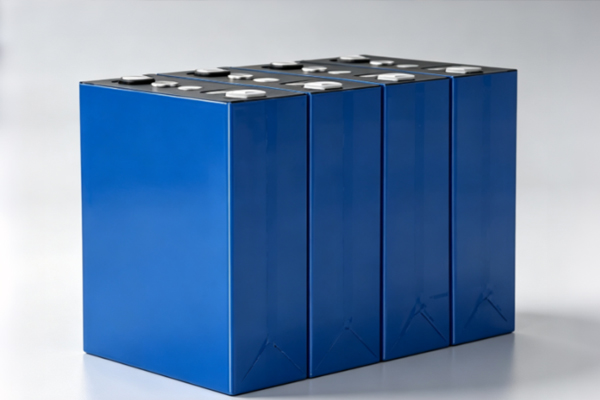
Electric sprayers are widely used in orchards, farmland, nurseries, landscaping, greenhouse cultivation, and pest and disease control. Compared with traditional fuel-powered spraying equipment, electric sprayers use batteries to drive the motor and water pump, resulting in lower noise during operation, more convenient use, and reduced maintenance work associated with fuel-powered equipment. With the increasing application of cordless and lightweight equipment, the battery has become an important component affecting the runtime, spraying pressure, overall equipment weight, and operational stability of electric sprayers.
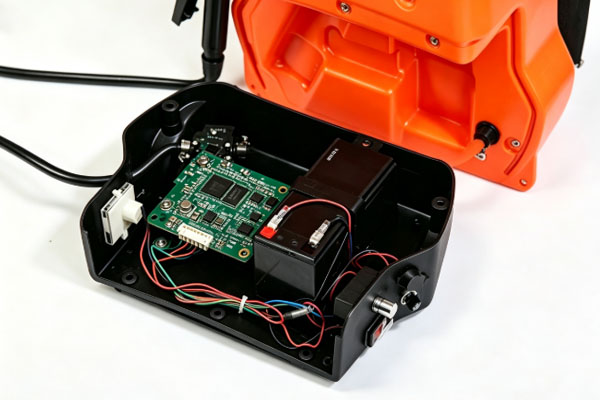
Electric sprayers typically operate in environments with high humidity, dust, long periods of continuous use, and frequent starting and stopping. The use of LiFePO4 cells together with a suitable BMS protection board can provide more stable power output for electric sprayers. By customizing the battery pack voltage, capacity, dimensions, connectors, and housing, the battery can also adapt to different specifications of backpack-style, handheld, and mobile spraying equipment.
Application Requirements for Electric Sprayer Lithium Battery Packs
Stable Power Supply Affects Spraying Performance
During operation, the battery needs to continuously provide power to components such as the water pump and motor. Unstable battery output may result in changes in pump speed, reduced spraying pressure, or shortened equipment operating time. Especially during orchard and farmland operations, sprayers usually need to operate continuously for extended periods. If the battery capacity is insufficient, frequent replacement or charging will be required, affecting continuous operating efficiency. Lithium battery packs can be customized according to the rated voltage and power of the sprayer to provide continuous output while ensuring the required starting current. For equipment requiring longer operating times, battery capacity can be appropriately increased. For backpack-style sprayers that emphasize portability, the capacity, weight, and dimensions can be reasonably balanced.
Different Equipment Requires Different Battery Specifications
Electric sprayers available on the market differ in voltage, power, battery compartment dimensions, and interface design. Therefore, there is no single battery specification suitable for all equipment. Common solutions can be designed according to voltage requirements such as 12V, 24V, 36V, and 48V, while different capacities can be configured according to actual operating time.
| Battery Item Common Customization Content Impact on Sprayer | ||
| Voltage | 12V / 24V / 36V / 48V, etc. | Determines equipment operating voltage |
| Capacity | Designed according to runtime requirements | Affects continuous operating time |
| Cells | LiFePO4 and others | Affects safety and cycle life |
| BMS | Overcharge, over-discharge, overcurrent, and other protections | Improves operational safety |
| Housing | ABS, metal, or customized structure | Affects installation and protection |
| Interface | Power cable, plug, connector | Affects equipment connection |
| Dimensions | Customized according to battery compartment | Affects installation space |
Lightweight Design
Increasing capacity can generally provide longer operating time, but the battery volume and weight may also increase accordingly. For backpack-style sprayers, an excessively heavy battery can increase the burden during long-term operation. Therefore, battery design needs to determine the capacity according to the actual power, daily operating time, and installation position of the sprayer. Through customized battery packs, the capacity and structure can be adjusted according to the specific application, making the battery more suitable for the complete equipment.
LiFePO4 Battery Pack Design Solution
Select Suitable Cells
LiFePO4 batteries offer good safety performance and long cycle life, making them suitable for electric equipment that requires frequent charging and discharging. During actual operation, electric sprayers frequently undergo starting, running, stopping, and restarting, so the battery needs to provide stable charging and discharging performance. When customizing a battery pack, different cell specifications can be selected according to voltage, capacity, and space requirements, and the required battery pack can then be formed through cell configuration.
Configure BMS Protection
The BMS is an important protection component in the battery pack. It can monitor the battery operating status and provide protection when abnormal conditions occur. Electric sprayers operate in relatively complex environments, so the BMS needs to be selected according to the number of battery cells in series, continuous current, and peak current.
Common protection functions include:
- Overcharge protection, reducing risks caused by abnormal charging.
- Over-discharge protection, preventing the battery from remaining at an excessively low state of charge for extended periods.
- Overcurrent and short-circuit protection, improving equipment operational safety.
- Cell balancing, helping maintain stable voltage conditions within the battery pack.
For projects requiring communication, corresponding BMS communication functions can also be configured according to equipment requirements. Specific configurations can be adjusted according to the battery model and complete equipment control requirements.
Customize the Battery Pack According to Equipment Structure
The battery installation position of an electric sprayer is not always the same. Some products use a backpack-style structure, some install the battery at the bottom of the main unit, while others use an independent battery compartment. Therefore, in addition to electrical performance, the battery pack also needs to consider dimensions, mounting method, connectors, and cable length.
| Customization Item Available Solution | |
| Battery Voltage | Customized according to equipment requirements |
| Battery Capacity | Designed according to runtime requirements |
| Battery Shape | Designed according to battery compartment space |
| BMS | Configured according to current and functional requirements |
| Connector | Selected according to equipment interface |
| Cable | Length determined according to installation position |
| Label & Packaging | Supports customized branding and packaging |
Through OEM/ODM services, the cells, battery pack, BMS, housing, and connection cables can be designed as an integrated solution, reducing installation problems caused by modifications at a later stage.
Electric Sprayer Battery Customization Process
Confirm Equipment Parameters
Battery customization usually requires the rated voltage, power, motor or water pump parameters, target operating time, battery installation dimensions, and charging requirements of the electric sprayer. If an existing battery is available, the voltage, capacity, dimensions, and interface information of the original battery can also be provided to determine the specifications of the new battery pack. If complete parameters are unavailable, the sprayer model, product images, or battery compartment dimensions can be provided for technical personnel to further confirm the appropriate battery configuration.
Determine the Battery Pack Structure
After confirming the basic parameters, the cell configuration can be designed according to the equipment space and runtime requirements. For equipment requiring longer runtime, battery capacity can be increased. For portable equipment, battery volume and weight can be controlled. At the same time, a suitable BMS and connection cables need to be selected according to the current requirements during water pump startup and continuous operation, avoiding a situation where the battery can store sufficient energy but cannot meet the current requirements for equipment startup or continuous operation.
Mass Production After Sample Testing
Customized battery packs are not recommended to enter mass production directly. After the sample is completed, it needs to be installed on the electric sprayer for actual testing, including startup, continuous operation, charging, discharging, runtime, and interface connection. After testing and confirmation, mass production can be carried out according to the confirmed battery specifications. For products intended for export, relevant documentation can also be prepared according to the target market and transportation requirements. Common compliance documents such as UN38.3, MSDS, RoHS, and CE can be supported for applicable battery products. Specific documentation is subject to product and target market requirements.
Professional LiFePO4 Battery Customization Services
Covering Cells, Battery Packs, and BMS
Deligreen specializes in the R&D, production, and sales of LiFePO4 battery cells, battery packs, BMS, and energy storage products, providing one-stop OEM/ODM services from cell selection to battery pack design. Existing products include LiFePO4 cells, 12V/24V/48V battery packs, DIY battery boxes, BMS accessories, and energy storage products, which can be configured according to specific projects. For electric sprayer projects, battery solutions can be designed according to target voltage, capacity, quantity, installation dimensions, and operating environment. Customization is also supported for battery housings, connectors, labels, packaging, and other components.
Quality and Export Documentation Support
Electric sprayer batteries not only need to meet equipment operating requirements but may also involve international transportation, import customs clearance, and local market sales. Relevant transportation test summaries, Safety Data Sheets, and compliance documentation can be provided according to product type and target market requirements to help purchasers prepare the documents required for their projects. During customization projects, it is recommended to confirm the target country, purchase quantity, and product application during the quotation stage so that the battery model, packaging, and documentation requirements can be determined more accurately.
OEM/ODM Services for Bulk Procurement
If an electric sprayer brand needs to purchase batteries on a long-term basis, the project can progress from sample development to mass production, with additional Logo, labels, color boxes, instruction manuals, and other items added according to brand requirements. Corresponding battery specifications can also be established for different sprayer models to reduce subsequent product development time.
| Service Content Customization Scope | |
| Cells | LiFePO4 cell specification selection |
| Battery Pack | Voltage, capacity, dimensions |
| BMS | Protection functions and communication requirements |
| Structure | Housing, mounting method, interfaces |
| Branding | Logo, labels, packaging |
| Samples | Project testing and confirmation |
| Mass Production | OEM/ODM production |
| Documentation | Relevant documents provided according to product and market requirements |
Frequently Asked Questions
Can Electric Sprayers Use LiFePO4 Batteries?
Yes. LiFePO4 batteries offer good safety and cycle performance, making them suitable for electric equipment that requires frequent charging and discharging. However, the sprayer’s operating voltage, power, charger parameters, and battery compartment dimensions need to be confirmed. Batteries with different specifications should not be directly used to replace the original battery.
Can the Battery Be Customized According to the Original Battery Dimensions?
Yes. The customized battery pack can be designed according to the original battery dimensions, battery compartment space, and equipment interface. Providing photos of the original battery, label parameters, dimensions, or equipment model during procurement can help determine a suitable battery solution.
The daily operating time of electric sprayers varies, as does equipment power, so there is no single fixed battery specification suitable for every product. The voltage needs to match the equipment, the capacity needs to meet the actual operating time, the BMS needs to withstand the equipment’s operating current, and the battery dimensions need to fit the original battery compartment. Only when these conditions work together can the battery perform properly after installation. If you are developing a new electric sprayer product, determining the battery specifications during the design stage can make subsequent structural design, charger selection, and battery compartment design more efficient. If you are replacing an existing battery, you can provide the original battery parameters and equipment information so that the capacity and structure can be redesigned according to actual operating requirements.
Deligreen is a professional LiFePO4 battery manufacturer specializing in LiFePO4 battery cells, battery packs, BMS, and energy storage products, providing OEM/ODM customization services. Whether for small-batch samples or long-term bulk procurement, suitable voltage, capacity, dimensions, BMS, and interfaces can be confirmed according to product requirements, with support for customized brand labels and packaging. For export projects, relevant transportation and compliance documents can also be provided according to product and target market requirements. If you are looking for a dedicated lithium battery pack for electric sprayers, you can provide the voltage, capacity, equipment power, battery dimensions, purchase quantity, and sales country. Our team can use this information to further confirm the battery solution and quotation.
WhatsApp: +86 15074995718
Email: info@deligreen.net