LiFePO4 batteries are widely used in home energy storage, solar power systems, RVs, communication equipment, and commercial and industrial energy storage. Proper charging and discharging practices help extend battery life and improve system safety and reliability. Although LiFePO4 batteries offer good cycle performance and thermal stability, using an incompatible charger, exceeding current limits, or operating at unsuitable temperatures can reduce performance. Understanding charging voltage, discharge current, temperature limits, and routine maintenance helps users operate batteries safely and efficiently.
What Are the Basic Charging Requirements for LiFePO4 Batteries?
LiFePO4 batteries should be charged with a compatible charger and according to the manufacturer’s specified voltage, current, and charging method. Charging parameters vary depending on the battery’s nominal voltage and cell configuration, so settings from another battery model should not be used without checking compatibility.
Many lithium battery chargers use constant-current and constant-voltage charging, but the exact settings must follow the product manual. Avoid excessive charging voltage or current, and ensure that the charger is compatible with the battery management system (BMS). For solar energy storage systems, confirm that the solar charge controller is configured for the correct battery type.
There is no need to force the battery to reach 100% charge every time simply to extend its lifespan. However, the manufacturer’s charging recommendations should always be followed. Proper charging management helps maintain battery performance and reduce operating risks.
What Should You Consider When Charging LiFePO4 Batteries?
During charging, check equipment compatibility, battery temperature, connections, and overall operating conditions. Proper charging practices can reduce unnecessary battery wear and improve system safety.
- Use a compatible charger: Ensure the charging voltage, current, and battery type match the product specifications.
- Control charging current: Never exceed the maximum charging current stated in the battery specifications.
- Monitor charging temperature: Follow the manufacturer’s temperature limits and avoid charging in prohibited low-temperature conditions.
- Check connections: Ensure cables, connectors, and terminals are secure and undamaged.
- Watch for abnormalities: Stop charging if you notice unusual heat, odors, or warning alarms, and contact a qualified technician.
After charging, confirm that the system reports a normal charging status. For energy storage systems used over long periods, inspect the charger, BMS, and electrical connections regularly to identify potential problems early.
What Are the Discharging Requirements for LiFePO4 Batteries?
When discharging a LiFePO4 battery, ensure that the load power and discharge current remain within the battery’s specified limits. A battery with a large capacity cannot necessarily power equipment of any size. Check its continuous discharge current, peak discharge capability, and discharge cutoff voltage. Make sure these specifications meet the requirements of the inverter and connected equipment.
Devices with motors, compressors, or water pumps may require a high startup current. Continuous overloading can cause overheating, trigger protection mechanisms, or accelerate battery degradation. Avoid keeping the battery at a very low state of charge for extended periods, and configure low-voltage protection according to the equipment requirements.
For home solar energy storage systems, discharge settings can be adjusted according to nighttime electricity consumption and backup power needs. Controlling the load and avoiding excessive discharge help extend battery life and maintain reliable power delivery.
How Do Temperature and the BMS Affect Charging and Discharging?
Temperature affects LiFePO4 battery performance. High temperatures can accelerate battery aging, while low temperatures reduce charging capability and may damage cells if charging occurs under unsuitable conditions. Follow the manufacturer’s specified charging and discharging temperature ranges. A battery starting up normally does not necessarily mean that the current conditions are suitable for charging.
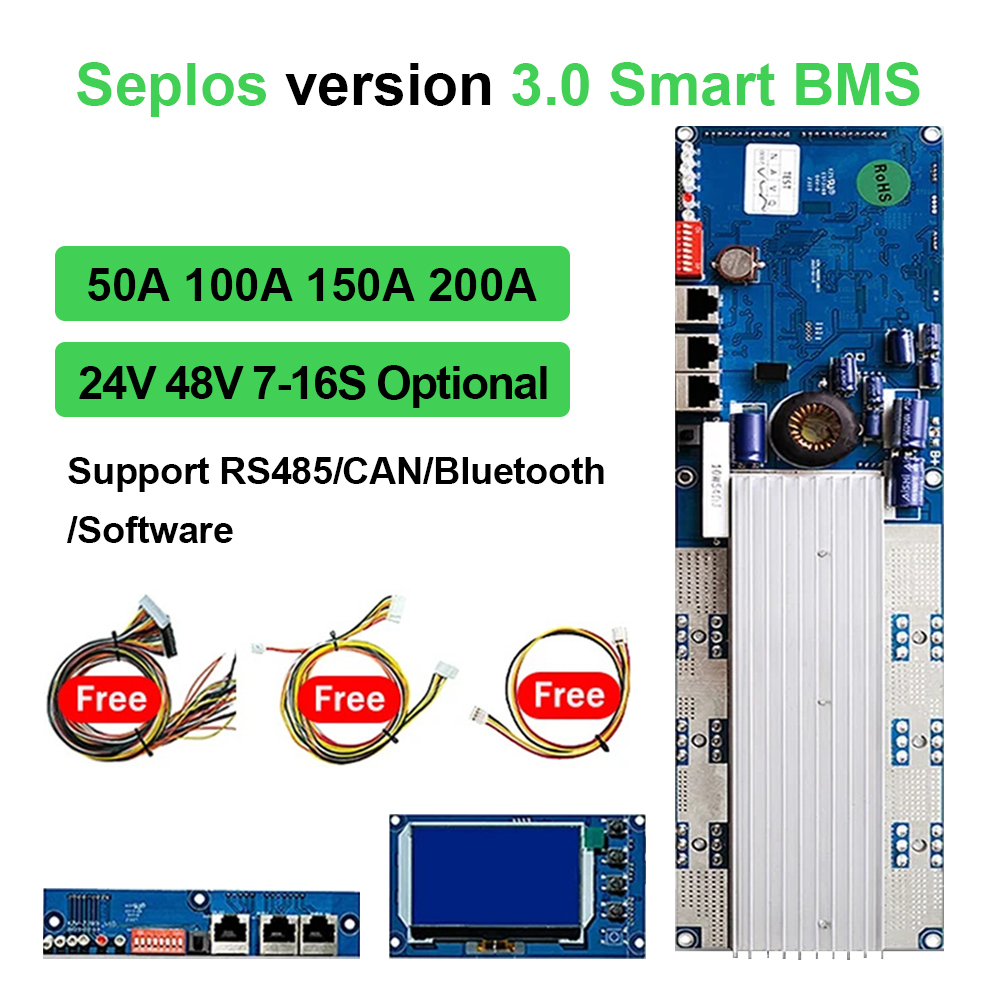
The battery management system (BMS) monitors voltage, current, and temperature. Depending on its design, it can provide protection against overvoltage, undervoltage, overcurrent, and excessive temperatures. Some battery packs also include cell balancing to help maintain voltage consistency between cells.
However, a BMS cannot replace a compatible charger, proper installation, or regular inspection. Provide adequate space for heat dissipation, avoid direct sunlight and damp locations, and ensure that the inverter, charger, and battery settings are compatible. Proper temperature management and reliable protection features help reduce abnormal operating risks.
How Can You Develop Good LiFePO4 Battery Charging and Discharging Habits?
Good operating habits help maintain battery performance and reduce maintenance costs. Whether the battery is used in a home energy storage system, an RV, or commercial equipment, follow the product manual and check its condition regularly.
- Check battery status regularly: Monitor charge level, temperature, warning messages, and operating records.
- Avoid prolonged deep discharge: Set suitable low-charge protection based on actual power requirements.
- Maintain equipment compatibility: Confirm that the charger, inverter, and controller support the battery model.
- Provide a suitable installation environment: Ensure adequate ventilation and heat dissipation, and keep the battery away from excessive heat and moisture.
- Respond to abnormalities promptly: Stop using the battery if it shows physical deformation, unusual heating, or repeated protection alarms, and seek professional inspection.
For energy storage systems used over long periods, keep the product specifications, maintenance records, and fault information for future inspections and warranty support. Before purchasing a LiFePO4 battery, review the manufacturer’s charging and discharging parameters, BMS configuration, warranty terms, and technical support services. Choosing a reliable battery that matches your equipment and following the recommended charging and discharging practices can help maintain stable system performance.