
LiFePO4 batteries have become a popular choice in the energy storage industry due to their long cycle life, good safety characteristics, and high energy conversion efficiency. As demand for residential solar power, commercial and industrial energy storage, off-grid electricity, and emergency backup power continues to grow, more energy storage devices are adopting LiFePO4 battery technology. Different devices have different requirements for battery capacity, output power, charging and discharging frequency, and operating conditions. Choosing the right battery specifications helps improve system stability and energy efficiency. Understanding which devices are compatible with LiFePO4 batteries can help users select suitable energy storage solutions based on their actual power needs.
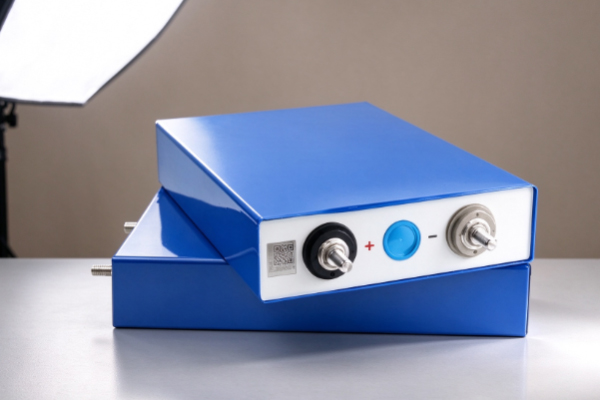
Are LiFePO4 Batteries Suitable for Home Energy Storage Devices?
LiFePO4 batteries are well suited for residential energy storage systems, especially homes equipped with solar panels. During the day, solar panels convert sunlight into electricity to power household appliances. Any surplus electricity can be stored in the battery. At night or during periods of insufficient sunlight, the battery releases stored energy to supply lighting, refrigerators, televisions, network equipment, and other household appliances. For households that frequently experience power outages or want to improve energy independence, a home energy storage system equipped with LiFePO4 batteries can also provide backup power.
Residential energy storage devices often operate for extended periods and undergo frequent charging and discharging according to household electricity consumption. LiFePO4 batteries offer good cycle performance, making them suitable for daily energy management. When connected to a compatible home inverter, solar charge controller, and battery management system, the battery can support charging, discharging, and battery status monitoring according to system settings.
When purchasing a home energy storage battery, consider daily electricity consumption, required backup duration, solar power generation capacity, and the rated output power of connected equipment. LiFePO4 batteries can be used in wall-mounted storage units, floor-standing energy storage cabinets, and modular residential storage systems.
Which Common Energy Storage Devices Can Use LiFePO4 Batteries?
In addition to residential energy storage, LiFePO4 batteries are suitable for commercial and industrial energy storage, backup power systems, and off-grid electricity equipment. Different devices have different load characteristics and operating requirements, so battery selection should include checking rated voltage, capacity, continuous discharge current, peak discharge capability, and battery management system configuration.
- Residential solar energy storage systems: Store surplus solar electricity for nighttime use and backup power during outages.
- Commercial and industrial energy storage cabinets: Work with energy management systems to help businesses manage electricity loads and shift energy consumption according to operating conditions.
- UPS backup power systems: Supply backup electricity to servers, communication equipment, and critical electronic devices, subject to UPS compatibility and battery configuration.
- Off-grid energy storage systems: Provide power for remote homes, farms, and outdoor facilities without reliable access to the public electricity grid.
- Portable power stations: Supply electricity for camping, outdoor work, and temporary power needs, depending on the battery specifications and overall product design.
When selecting an energy storage device, confirm that the battery is compatible with the inverter, charger, and control system, including any required communication protocols. For systems that use multiple battery packs in parallel or require future capacity expansion, choose products that support the intended configuration and follow the manufacturer’s installation and commissioning instructions. Proper equipment matching helps improve operating stability and simplifies future maintenance.
Are LiFePO4 Batteries Suitable for Commercial and Industrial Energy Storage Systems?
LiFePO4 batteries are suitable for energy storage systems used in factories, warehouses, office buildings, shopping centers, and other commercial facilities. These locations often have high electricity demand, long operating hours, and significant changes in consumption throughout the day. By installing commercial energy storage cabinets or containerized energy storage systems, businesses can store electricity generated by on-site solar panels or obtained during lower-cost periods, then release the stored energy when demand increases. Depending on local electricity pricing policies and system operating conditions, this approach can help improve energy management.
For factories with rooftop solar installations, LiFePO4 batteries can store solar electricity that cannot be consumed immediately. The stored energy can then supply production equipment, lighting, and other loads later. For businesses that require a reliable electricity supply, energy storage systems can also work with backup power equipment and energy management devices to support critical loads. However, whether a system can provide backup power to essential equipment depends on the inverter architecture, transfer arrangements, load requirements, and backup duration. Battery chemistry alone does not determine backup capability.
When selecting LiFePO4 batteries for commercial and industrial projects, pay attention to battery cluster configuration, thermal management, fire safety design, operating monitoring, and maintenance requirements. Large-scale systems also require careful evaluation of installation space, grid connection requirements, and local safety regulations. Choosing batteries that meet project requirements and having qualified professionals design and install the system can help improve reliability.
Can LiFePO4 Batteries Be Used in Off-Grid and Emergency Energy Storage Devices?
Off-grid energy storage devices are commonly installed in areas with limited grid access, unstable electricity supplies, or a need for independent power. Typical applications include remote homes, agricultural facilities, communication stations, and outdoor work sites. LiFePO4 batteries can be integrated with solar panels, wind power equipment, inverters, and charge controllers to store electricity for lighting, water pumps, monitoring equipment, and other electrical loads. In applications where electricity is generated during the day and consumed at night, battery storage helps balance power generation and consumption while reducing reliance on conventional fuel-powered generators.
LiFePO4 batteries can also be used in emergency energy storage applications, including communication backup systems, security monitoring backup power, household emergency power supplies, and certain backup systems for medical support equipment. Their cycle performance makes them suitable for applications that require periodic charging and discharging or long periods of standby operation. Actual performance depends on battery capacity, load demand, ambient temperature, and control system settings.
If a device must support high instantaneous loads, such as motor startup or power tool operation, check the battery’s peak discharge capability and the inverter’s output capacity. Insufficient capacity may trigger overcurrent protection or prevent the equipment from starting properly.
The installation environment is also important for outdoor and remote energy storage systems. Equipment should have an appropriate protection rating, adequate ventilation, and suitable temperature management. Avoid water immersion, prolonged direct sunlight, and temperatures outside the manufacturer’s specified operating range. For systems that operate unattended for long periods, remote monitoring, fault alarms, and battery status management can help users identify operating issues promptly.
How Do You Choose the Right LiFePO4 Battery for Energy Storage Devices?
Different energy storage devices have different battery requirements. Before purchasing a battery, evaluate the actual load, operating duration, and installation conditions. Residential storage systems typically prioritize installation space, capacity expansion, and inverter compatibility. Commercial and industrial systems place greater emphasis on output power, cycle requirements, safety design, and operational management. Off-grid and emergency power devices require particular attention to continuous power delivery, backup duration, and performance under challenging environmental conditions.
- Confirm battery specifications: Check rated voltage, capacity, maximum charging and discharging current, and cycle performance.
- Check system compatibility: Ensure the battery works properly with the inverter, charger, and battery management system.
- Evaluate installation conditions: Choose a suitable battery design based on available space, ventilation, temperature, and protection requirements.
- Review safety features: Check the battery management system, overcurrent protection, temperature monitoring, and other safety provisions.
- Consider after-sales support: Review warranty coverage, technical support, maintenance requirements, and future expansion options.
When selecting LiFePO4 batteries, do not focus solely on the initial purchase price. Consider service life, maintenance costs, system efficiency, and long-term operating requirements. For energy storage projects that may need additional capacity in the future, confirm whether the battery supports the intended series or parallel configuration and whether future expansion could create compatibility limitations.
Choosing reliable LiFePO4 batteries with suitable specifications and comprehensive technical support helps households, businesses, and off-grid users build more stable and efficient energy storage systems.