LiFePO4 batteries are widely used in home energy storage, solar power systems, RVs, industrial equipment, and backup power supplies. As the energy storage market grows, more buyers want to know how much a lithium iron phosphate battery costs. Prices vary depending on voltage, capacity, brand, battery management system (BMS), cycle life, and order quantity. Common products include 12V, 24V, and 48V batteries in different capacities. When purchasing a battery, consider not only the initial price but also product specifications, quality, and after-sales service to find the right option for your needs.
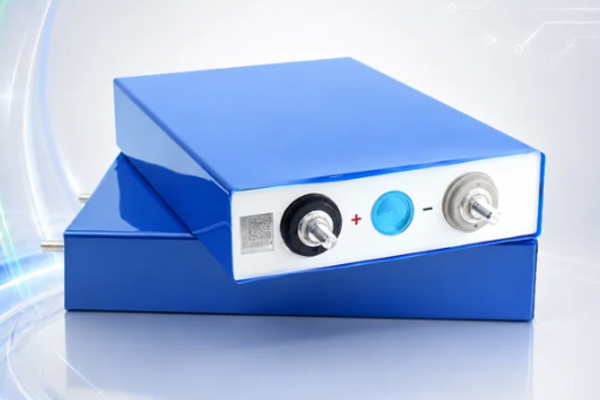
How Much Does One LiFePO4 Battery Cost?
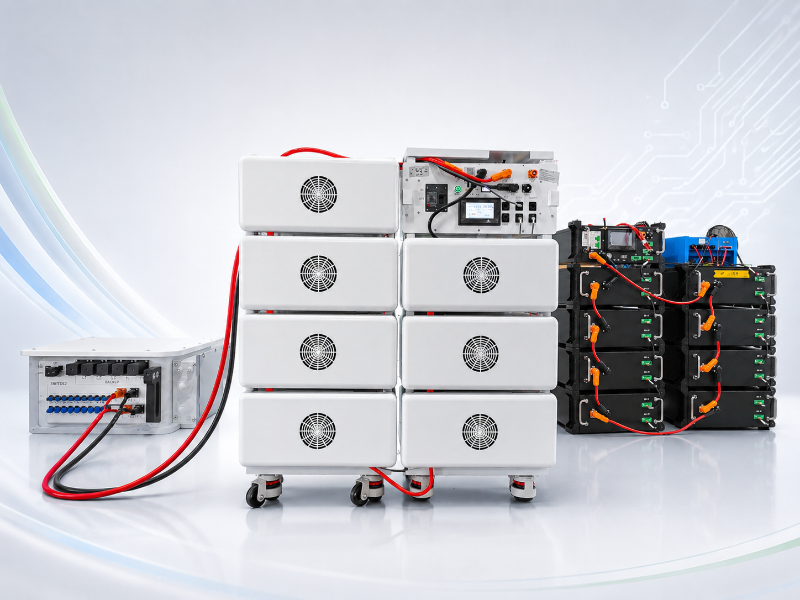
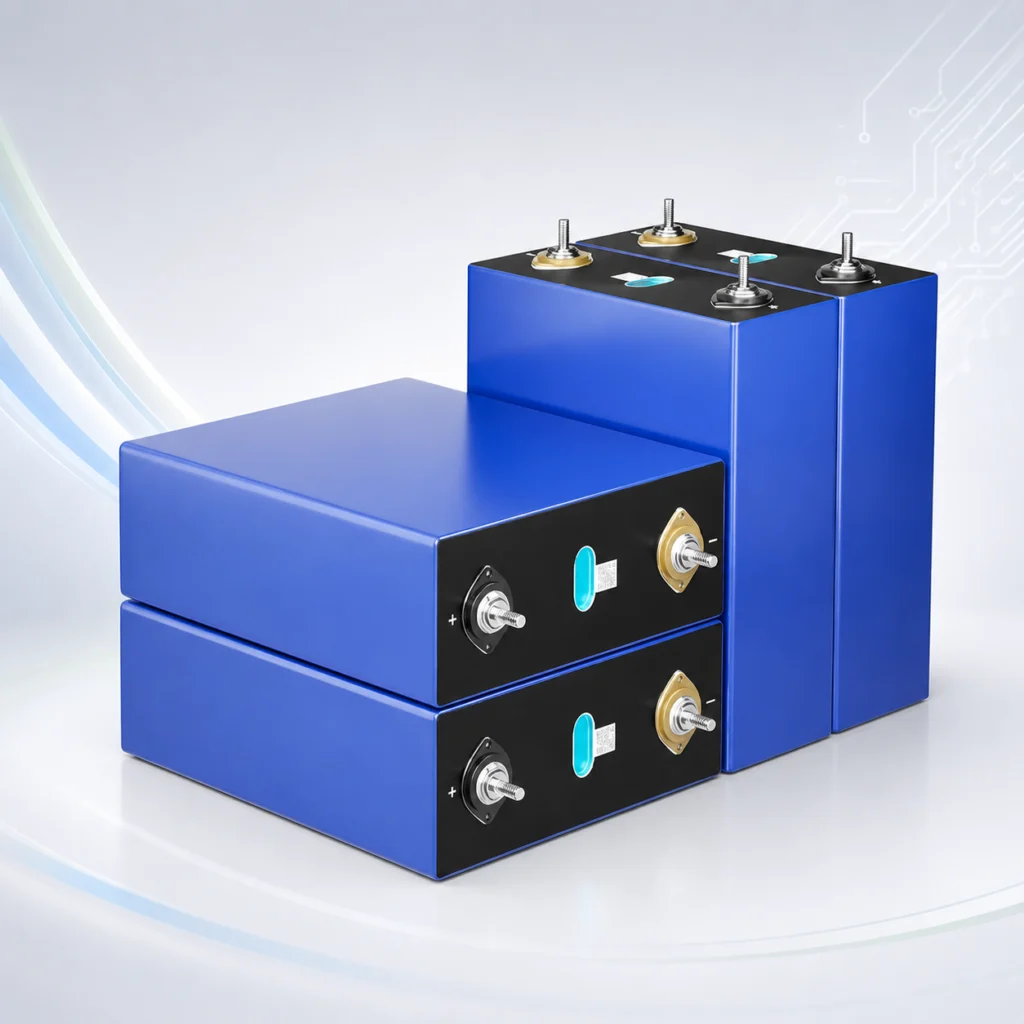
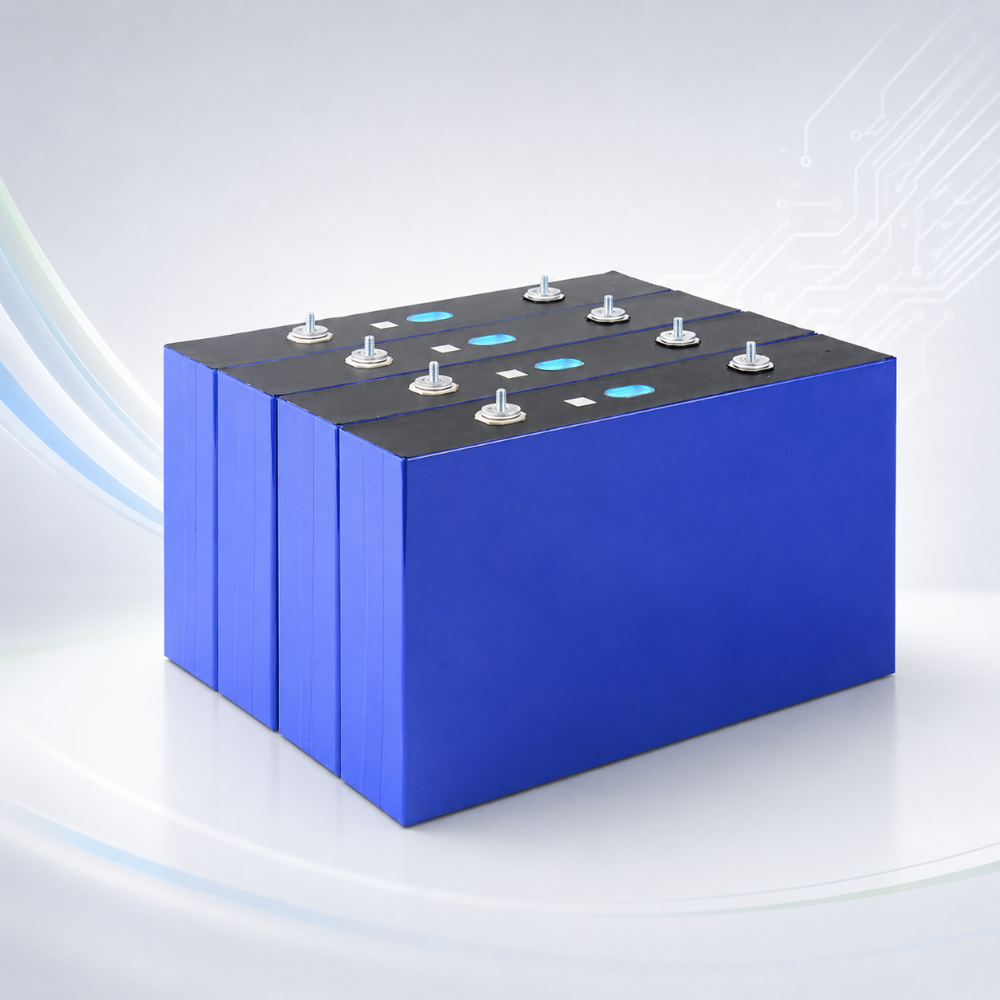
There is no fixed price for all LiFePO4 batteries. Prices vary significantly depending on product specifications and configuration. Small-capacity batteries are commonly used in portable devices and low-power applications. Medium-capacity batteries are suitable for RVs, solar power systems, and home backup power. Large-capacity battery packs are often used in residential and commercial energy storage projects. Individual battery cells and finished battery packs with enclosures, BMS units, and terminals also have different production costs and selling prices.
To obtain an accurate quote, buyers should first identify the required capacity and voltage, then contact suppliers for current pricing. Raw material costs, order quantity, product certifications, shipping methods, and market demand can all affect the final price. For long-term energy storage applications, it is also important to check cycle life, usable capacity, and warranty coverage rather than choosing a battery based only on its initial cost.
What Factors Affect LiFePO4 Battery Prices?
The price of a LiFePO4 battery is influenced by cell costs, manufacturing processes, protection systems, and product configuration. Even two batteries with the same rated capacity may have different prices due to differences in cell quality, continuous discharge capability, enclosure design, and battery management systems. For energy storage applications, long-term reliability is also important, making product performance and quality assurance key considerations.
Common factors affecting battery prices include:
- Battery capacity: Larger capacities generally require more cells or higher-capacity cells, which can increase costs.
- Nominal voltage: Different voltage levels require different cell configurations and system designs.
- BMS configuration: Protection features such as overcharge, over-discharge, overcurrent, short-circuit, and temperature protection affect the overall cost.
- Cycle life: Cell quality, manufacturing processes, and testing standards influence battery lifespan and price.
- Order quantity: Bulk purchases may qualify for more competitive pricing, depending on the supplier’s pricing policy.
How Do Prices Differ Between LiFePO4 Battery Specifications?
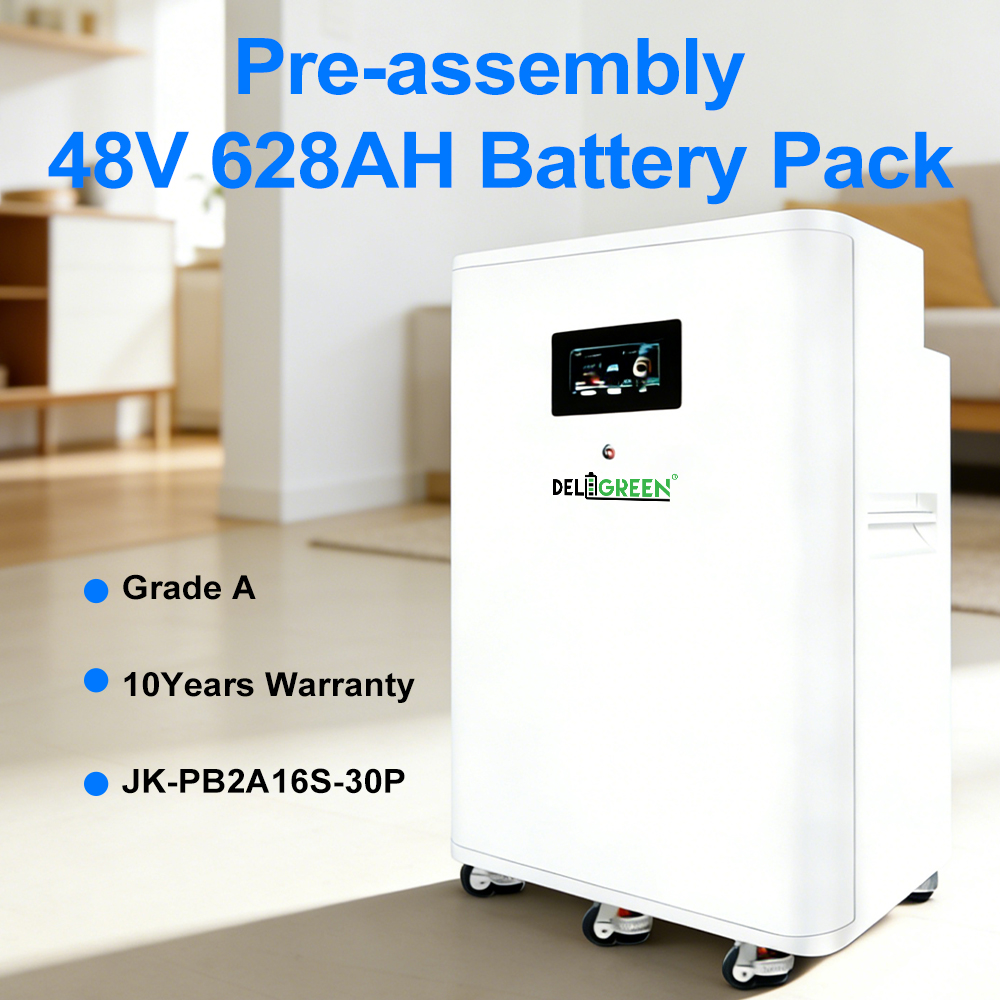
Common LiFePO4 battery voltages include 12.8V, 25.6V, and 51.2V, while common capacities include 50Ah, 100Ah, and 200Ah. 12.8V batteries are often used in RVs, boats, small solar systems, and backup power supplies. 25.6V batteries are suitable for certain medium-power equipment and off-grid systems. 51.2V batteries are widely used in residential energy storage, telecommunications backup power, and commercial and industrial energy storage.
Different voltage and capacity specifications require different cell configurations, internal structures, connections, and protection systems. Therefore, price should not be evaluated based on voltage or capacity alone.
When purchasing individual cells, confirm whether the quotation includes connectors, mounting components, and protection equipment. For complete battery packs, check whether the price includes a BMS, enclosure, display, communication interfaces, and installation accessories. Residential energy storage buyers should also verify inverter compatibility. Commercial and industrial customers may need to consider continuous charging and discharging capability, system expansion, and maintenance costs. Comparing products with equivalent specifications helps prevent inaccurate price comparisons.
How Can You Evaluate the Value of a LiFePO4 Battery?
The value of a LiFePO4 battery depends on more than its purchase price. Performance, service life, protection features, and after-sales support also affect its long-term value. Low-cost products may create additional maintenance expenses if they have insufficient capacity, inadequate protection, or unclear specifications. For energy storage systems that charge and discharge frequently, reliable cell performance and a dependable BMS are especially important.
Before purchasing, check the following product details:
- Verify specifications: Confirm nominal voltage, capacity, dimensions, weight, and continuous discharge current.
- Review quality documentation: Check cell test reports, product certifications, and technical documents.
- Confirm warranty terms: Understand the warranty period, coverage, and after-sales procedures.
- Check equipment compatibility: Ensure the battery works with the inverter, charger, and monitoring system.
- Compare total costs: Include accessories, shipping, installation, and maintenance expenses in your budget.
For bulk purchases, business customers can request formal quotations, product datasheets, and samples. It is also useful to confirm delivery schedules, packaging methods, and customization requirements before placing an order. Complete purchasing information helps reduce transaction risks and supports better project planning.
How Can You Get the Right LiFePO4 Battery Quote?
To obtain an accurate LiFePO4 battery quotation, clearly define the application, required capacity, nominal voltage, and order quantity. Residential users can select batteries based on household electricity consumption and backup power needs. Solar system users should confirm compatibility with their inverters and charge controllers. Commercial and industrial customers should provide load requirements, operating conditions, and expansion plans so suppliers can recommend suitable configurations.
When requesting a quotation, prepare the following information:
- Application: Home energy storage, solar systems, RV power, or industrial backup power.
- Required specifications: Voltage, capacity, continuous charging and discharging current, and dimensions.
- Order quantity: A single battery, a small trial order, or a bulk purchase.
- Additional requirements: Communication interfaces, BMS functions, product certifications, and customized packaging.
The price of a LiFePO4 battery depends on its model, capacity, configuration, and order quantity. Comparing product specifications, performance, warranty terms, and supplier services helps buyers evaluate the total purchasing cost more accurately. For long-term energy storage needs, choosing a reliable battery with suitable specifications and comprehensive after-sales support can help maintain stable system operation.