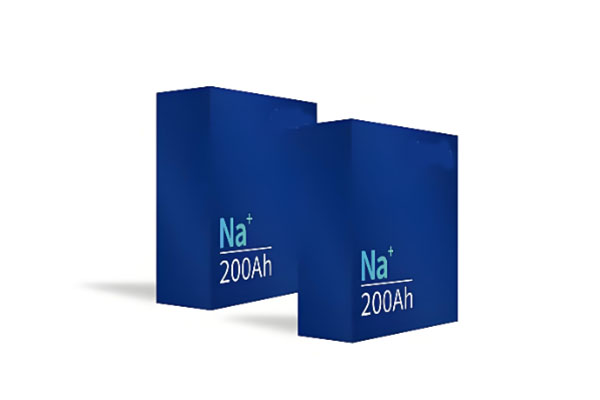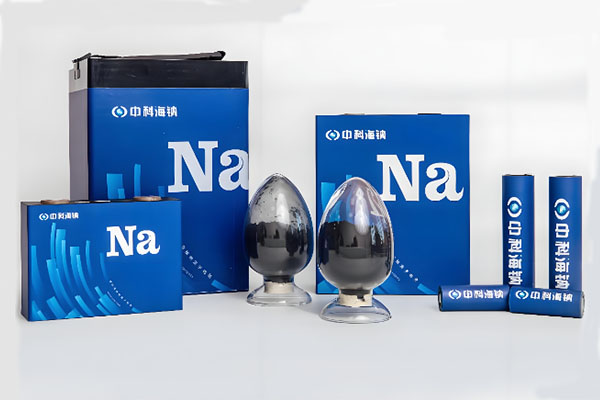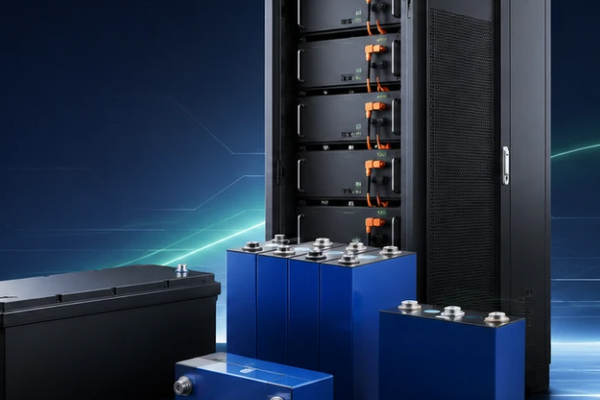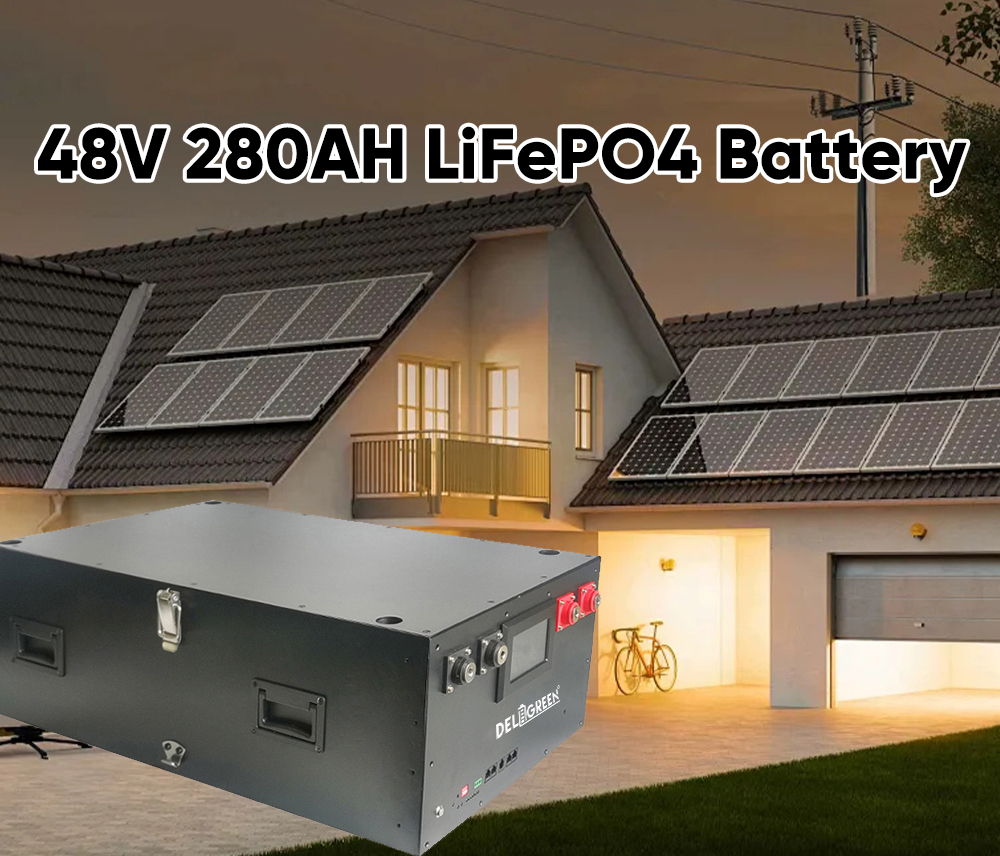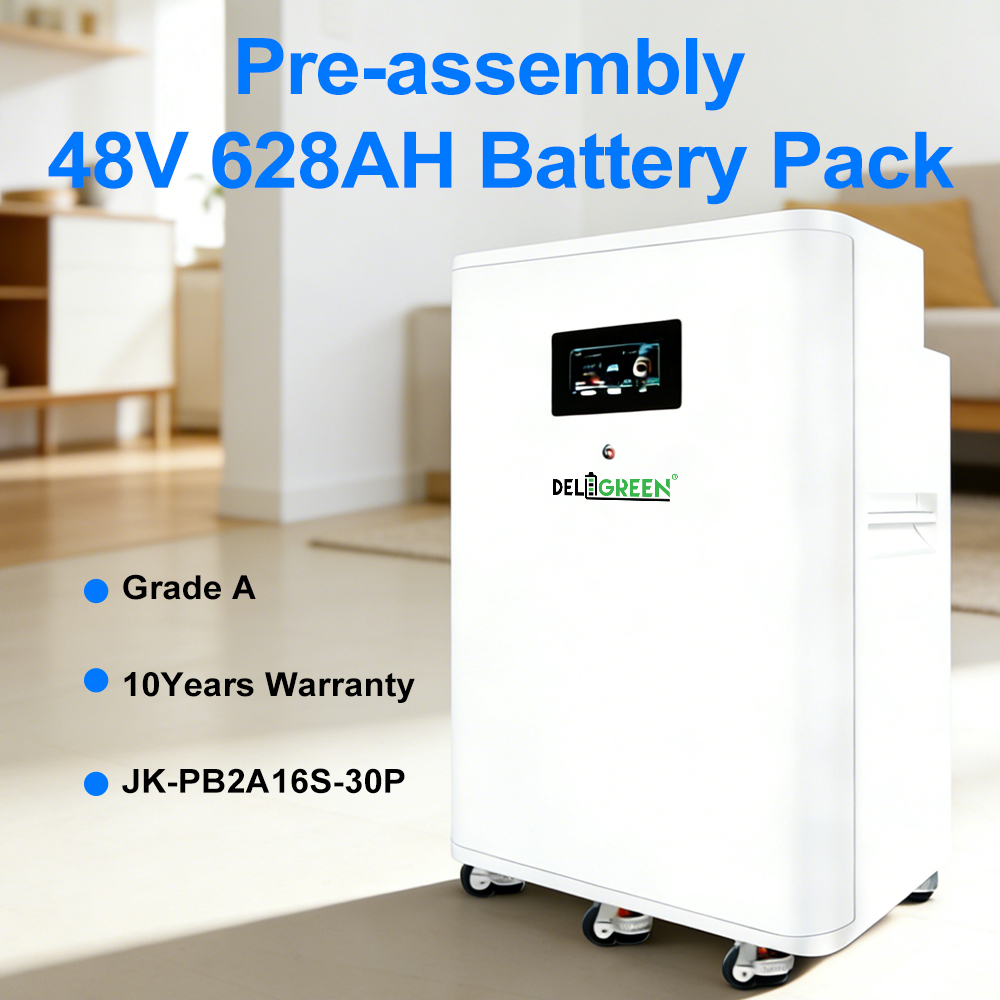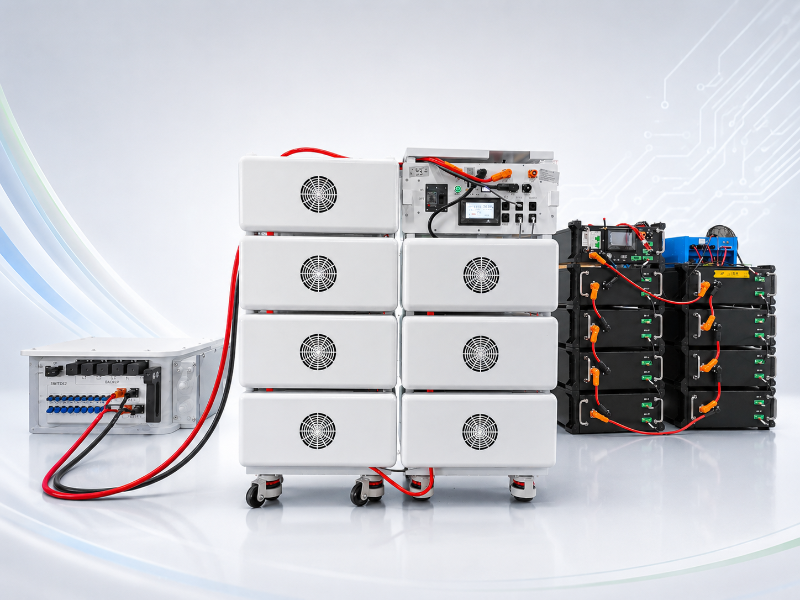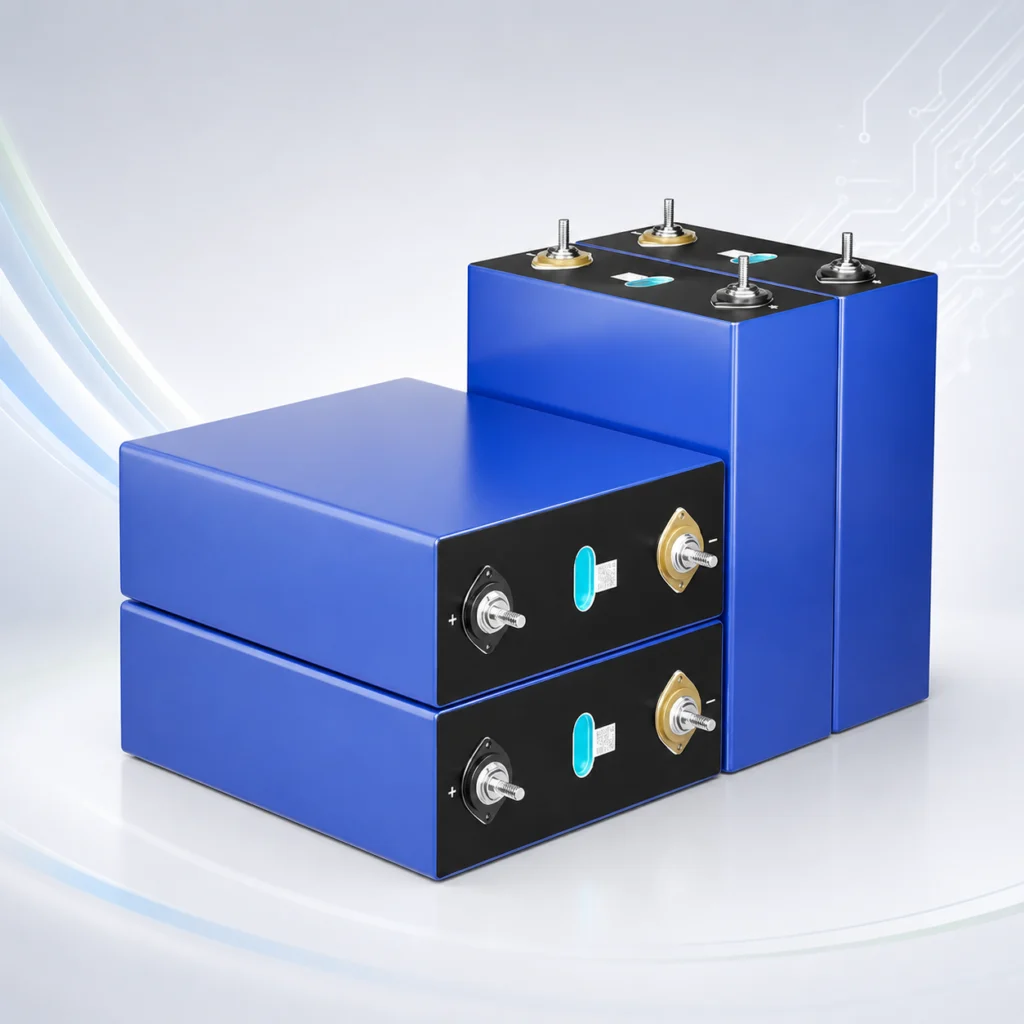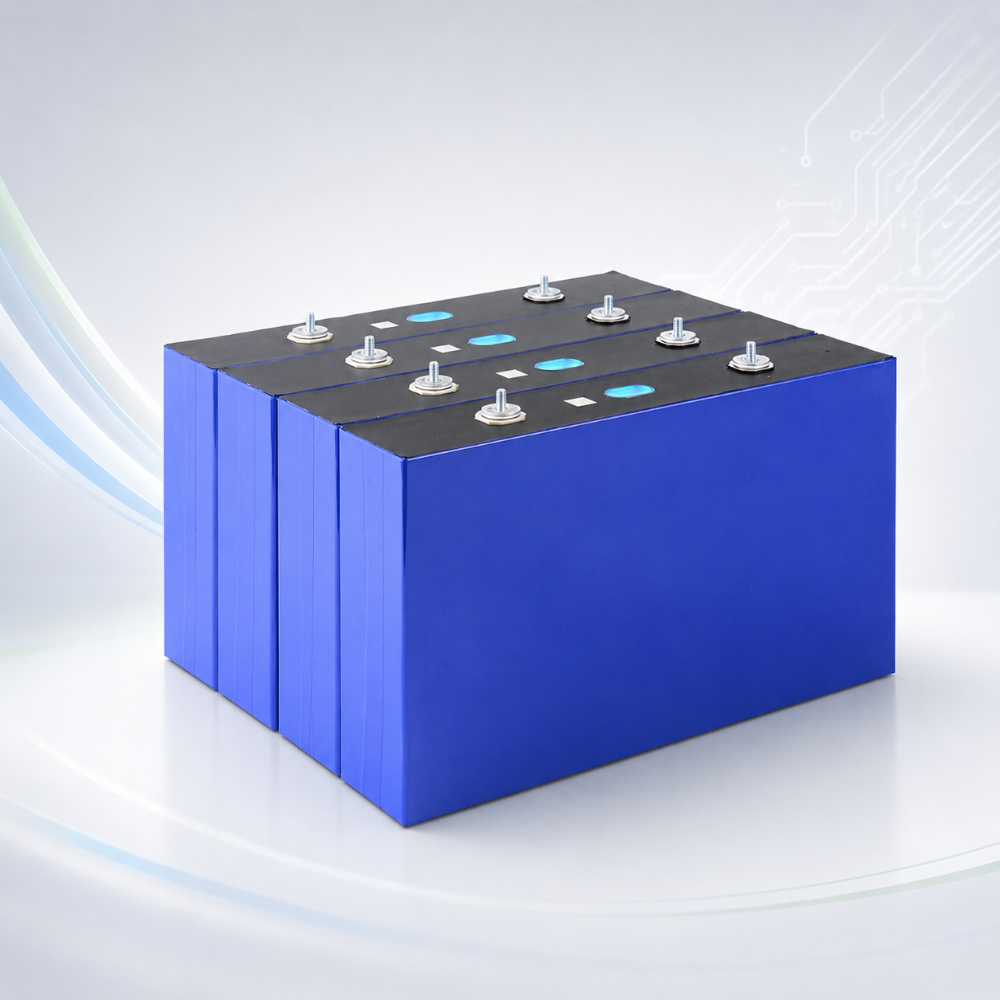
Emergency power supplies can use lithium deep-cycle batteries, and they are well suited to applications that require long-term backup power, frequent charging and discharging, or higher energy density. Lithium batteries are already used in UPS systems, energy storage power supplies, and other backup power equipment. IEC 63056 also explicitly includes secondary lithium batteries used in UPS systems within the scope of energy storage system safety requirements. However, “can be used” does not mean that any lithium deep-cycle battery can be directly connected to an emergency power supply. The battery’s rated voltage, capacity, continuous discharge current, charging parameters, BMS protection functions, and inverter input requirements all need to be compatible. Choosing an unsuitable battery may result in insufficient capacity, failure of the equipment to start, abnormal charging, or frequent protection activation. Therefore, when using lithium deep-cycle batteries for emergency power supplies, the configuration needs to be based on the actual load and required backup time.
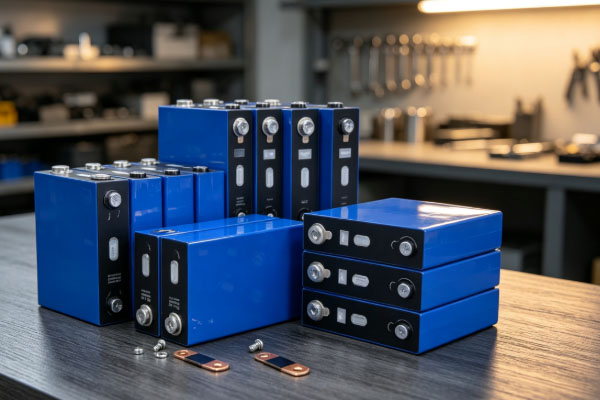
Why Are Lithium Deep-Cycle Batteries Suitable for Emergency Power Supplies?
The main purpose of an emergency power supply is to provide backup electricity for lighting, communication equipment, monitoring equipment, medical equipment, computers, network equipment, and some household appliances when the utility power fails, a temporary power outage occurs, or another power supply problem arises. Such equipment often requires batteries to undergo repeated charging and discharging, making battery cycling capability and usable capacity important. Lithium deep-cycle batteries are designed for repeated charging and discharging. Unlike ordinary starting batteries, which are mainly designed for short-term discharge, deep-cycle batteries focus on continuous power supply and repeated use. For applications that require frequent backup power, properly configured lithium deep-cycle batteries can reduce the need for frequent battery replacement. Lithium-ion batteries are also currently used in backup power equipment such as UPS systems.
What Emergency Power Applications Are Suitable for Lithium Deep-Cycle Batteries?
Common applications include home backup power supplies, outdoor emergency power supplies, communication backup power supplies, monitoring equipment backup power supplies, solar energy storage systems, and certain UPS systems. If an emergency power supply needs to support a load for a long period, battery capacity needs to be calculated according to the equipment power and expected backup time. For example, a 1000W load running continuously for 5 hours theoretically consumes about 5kWh of energy. In practice, inverter efficiency, battery discharge limitations, and a certain capacity reserve also need to be considered, so the battery should not be configured based only on 5kWh.
What Parameters Need to Be Confirmed When Choosing a Lithium Deep-Cycle Battery?
The electrical parameters between the emergency power supply and the battery need to be compatible. A larger battery capacity does not necessarily mean that the battery is suitable. Voltage mismatch or insufficient discharge capability can also prevent the equipment from operating normally.
Before use, the following four points can be checked:
Check whether the rated voltage is compatible: The battery pack voltage needs to meet the input requirements of the emergency power supply or inverter. Specifications such as 12V, 24V, and 48V cannot be substituted arbitrarily.
Check whether the capacity meets the required backup time: Battery capacity is usually expressed in Ah or Wh. It needs to be calculated according to the load power and expected operating time, with a certain reserve included.
Check whether the continuous discharge current is sufficient: If the emergency power supply is connected to equipment such as refrigerators, water pumps, or motors with high starting currents, it is necessary to confirm not only the rated power but also whether the battery can handle the current required at startup.
Check whether the charger and BMS are compatible: Lithium batteries need charging equipment that meets their chemistry and voltage requirements. The BMS should also provide functions such as overcharge, over-discharge, overcurrent, and temperature protection.
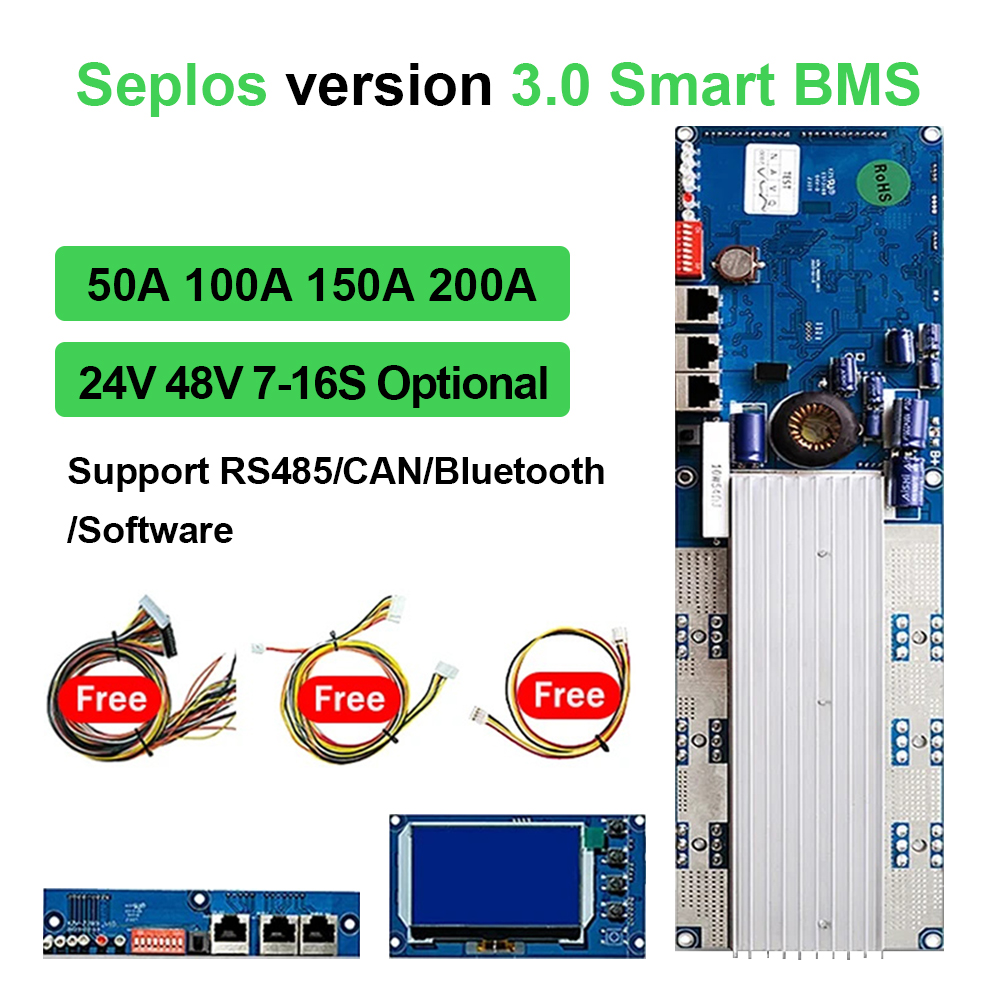
The BMS is an important component when lithium batteries are used in emergency power supplies. Its functions include monitoring the battery’s operating condition and providing protection when abnormal voltage, current, or temperature conditions occur. For energy storage batteries, relevant fire safety requirements also emphasize that the BMS should monitor voltage, current, and temperature and isolate the equipment or place it in a safe state when a hazardous condition is detected.
How Should Battery Capacity Be Estimated?
The following basic calculation can be used:
Required Battery Energy ≈ Load Power × Backup Time ÷ Inverter Efficiency
For example, if an emergency device has a 500W load and needs to operate continuously for 6 hours, the theoretical energy consumption is 3kWh. Considering inverter losses, the actual usable battery capacity, and capacity degradation after long-term use, the actual battery configuration usually needs to be higher than the theoretical calculation. If the load includes compressors, motors, pumps, or other equipment, the starting power also needs to be checked. Configuring the battery only according to the continuous power shown on the equipment nameplate may result in protection shutdown when the equipment starts.
What Are the Characteristics of Using Lithium Deep-Cycle Batteries for Emergency Power Supplies?
The main advantages of lithium deep-cycle batteries include weight, size, cycling performance, and charging and discharging efficiency. For the same energy storage requirement, lithium batteries can generally provide higher energy density, giving them certain advantages in portable emergency power supplies and backup power systems where space is limited.
Repeated Charging and Discharging Is More Suitable for Backup Power
Emergency power supplies are not designed for one-time use. After a power outage, the battery discharges. When utility power is restored, it is charged again and then returns to standby mode. If the environment frequently experiences short-term power outages, the battery may need to undergo frequent shallow or deep charge and discharge cycles. Deep-cycle batteries are designed for this type of repeated use. Properly controlling the depth of discharge, operating temperature, and charging parameters can help maintain battery capacity and service life.
Actual Usable Capacity Needs to Be Considered for Long-Term Backup
The battery’s rated capacity is not exactly the same as the amount of electricity that the equipment can ultimately use. The inverter causes some energy loss, and the BMS may stop discharge when the battery reaches a protection threshold. At the same time, low temperatures, high temperatures, and battery aging can affect usable capacity. Therefore, when configuring an emergency power supply, it is not enough to look only at “how many Ah.” The voltage should also be converted into Wh or kWh and then evaluated together with the actual equipment power.
Safe Use
If a lithium battery is damaged, deformed, leaking, or showing abnormal heating, it should not continue to be used or charged. Singapore’s Consumer Product Safety Office also recommends using chargers and batteries specified by the manufacturer and avoiding lithium batteries that are damaged or showing abnormal conditions. Since emergency power supplies may remain in standby for long periods, the battery installation location should also have good heat dissipation and should be kept away from obvious heat sources, damp environments, and locations where the battery may be subject to impact. For larger fixed energy storage equipment, the design should also comply with local electrical, fire safety, and installation requirements.
Frequently Asked Questions
Q1: Can an ordinary lithium battery directly replace a lithium deep-cycle battery?
It is not recommended to replace one simply because both are “lithium batteries.” Different lithium batteries may have different cell chemistries, rated voltages, discharge capabilities, charging requirements, and BMS parameters. The emergency power supply should use a battery pack that meets the equipment requirements.
Q2: Can a lithium deep-cycle battery be connected to a UPS?
Yes, but it is necessary to confirm whether the UPS supports the corresponding type of lithium battery and whether the charging voltage, discharge current, communication method, and BMS requirements are compatible. The scope of IEC 63056 includes secondary lithium batteries used in UPS systems, but specific equipment still needs to follow the manufacturer’s requirements.
Q3: Does a larger battery capacity always mean a longer emergency power supply time?
When the load power, inverter efficiency, and other conditions are basically the same, increasing battery capacity generally extends the power supply time. However, actual operating time is also affected by load changes, discharge limitations, battery condition, and equipment efficiency. Therefore, operating time cannot be determined based only on the Ah value.
Q4: Are lithium deep-cycle batteries suitable for long-term standby use in emergency power supplies?
They can be used for long-term standby applications, but maintenance needs to follow the requirements of the battery and equipment. Long-term exposure to high temperatures, overcharging, over-discharging, or abnormal operating conditions can affect battery performance. The battery condition, connection points, equipment alarm information, and charging status should be checked regularly.
Emergency power supplies can use lithium deep-cycle batteries, and this combination is suitable for applications that require repeated charging and discharging and longer backup times. The battery’s rated voltage needs to meet the equipment’s input requirements, its capacity needs to support the required operating time, its continuous discharge capability needs to cover both normal operation and equipment startup requirements, and the charging equipment needs to meet the battery’s charging parameters. If the emergency power supply is connected to stable loads such as computers, routers, and lighting equipment, capacity calculations are relatively straightforward. If it is connected to refrigerators, water pumps, motors, or other equipment with starting surges, the peak power and instantaneous discharge capability need to be checked further. For fixed energy storage equipment, the installation environment, heat dissipation, fire separation, and emergency power-off requirements should also be considered. Therefore, provided that the voltage, capacity, discharge current, charging parameters, and BMS requirements are compatible, lithium deep-cycle batteries can be used as energy storage components for emergency power supplies. Properly calculating the load requirements and completing installation and charging according to the equipment manufacturer’s requirements can help the backup power supply provide more stable electrical support during power outages.