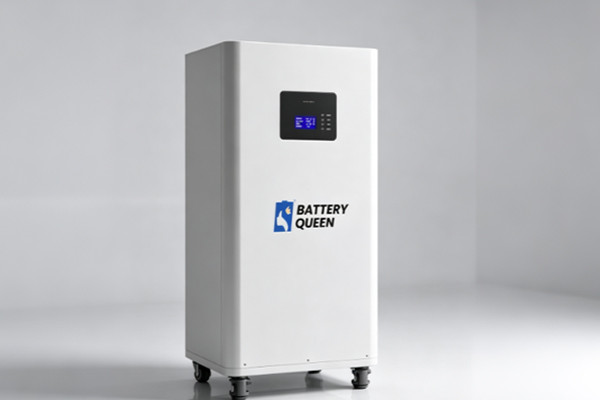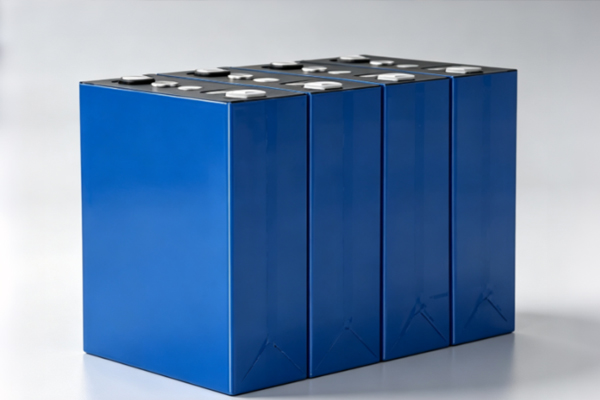
Hotels are typical high-continuity power consumers. Guest rooms, restaurants, lighting, central air conditioning, elevators, hot water systems, kitchen equipment, and network communication facilities all require a stable electricity supply. As hotel operations expand, daily electricity demand can also increase, and relying entirely on the public grid may expose the property to peak electricity prices, load fluctuations, and unexpected power interruptions. Smart LiFePO4 battery energy storage systems can store electricity during low-load periods and release it during peak demand, while working with an energy management system to intelligently schedule battery operation and hotel loads. When integrated with distribution systems, photovoltaic systems, charging equipment, and backup power sources, energy storage can create a more flexible energy management model for hotels.
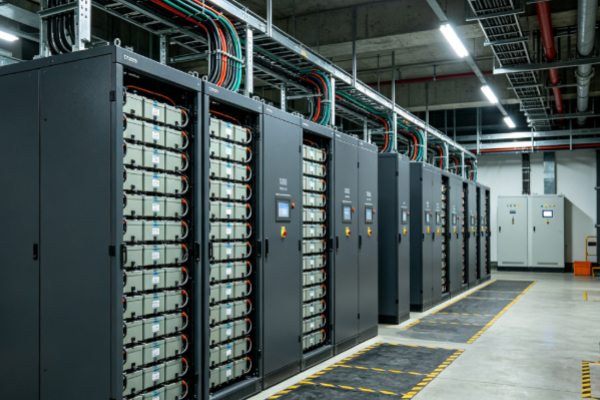
Advantages and System Configuration of Smart Energy Storage Batteries for Hotels
A smart hotel energy storage system typically consists of LiFePO4 batteries, a Battery Management System (BMS), a Power Conversion System (PCS), an Energy Management System (EMS), power distribution equipment, and a monitoring platform. During operation, the EMS develops charging and discharging strategies according to real-time hotel loads, electricity prices, battery SOC, and available power sources, while the LiFePO4 battery stores and releases electrical energy. Unlike conventional backup batteries that operate mainly during power outages, smart energy storage batteries can participate in daily hotel energy management under normal grid conditions while providing energy storage and load regulation functions.
Key Advantages of Smart Energy Storage Batteries for Hotels
Hotels often experience noticeable electricity demand peaks during breakfast hours, lunch and dinner periods, and nighttime guest room usage. A smart energy storage system can reserve electricity in advance according to the load profile and release stored energy during designated peak periods, reducing the amount of electricity drawn from the grid during high-demand periods. LiFePO4 batteries offer good cycling characteristics and are suitable for commercial energy storage applications that require frequent charging and discharging.
Hotels can gain the following benefits by adopting smart energy storage batteries:
- Reduced peak electricity pressure: Stored energy can be released during periods of high hotel demand to help smooth short-term load peaks.
- Improved energy cost management: The system can charge during lower-price periods and discharge during suitable high-price periods according to time-of-use electricity rates.
- Improved power continuity: During grid abnormalities or short-term outages, the energy storage system can provide power support for selected critical loads.
- Better photovoltaic energy utilization: When solar generation exceeds immediate consumption during the day, surplus electricity can be stored in the battery.
- Intelligent operating management: EMS, BMS, and monitoring platforms can provide real-time information about energy storage operation.
- Convenient system expansion: Modular battery designs allow storage capacity to be increased according to hotel size and changing load requirements.
These capabilities allow LiFePO4 energy storage batteries to participate in daily hotel energy scheduling rather than simply serving as electricity storage equipment.
How to Use Smart Energy Storage Batteries in Hotels
Before commissioning a smart hotel energy storage system, the required capacity should be designed according to the building area, number of guest rooms, power ratings of major equipment, daily electricity consumption, and time-of-use electricity pricing. After installation, the EMS can be configured with charging and discharging schedules, SOC limits, maximum charging and discharging power, and priority levels for critical loads. During low-load or low-price periods, the storage system can charge the battery according to the preset strategy. During high-demand periods, the PCS converts DC power stored in the battery into AC power and supplies it to the hotel distribution system.
During operation, hotel managers can monitor battery SOC, charging and discharging power, system voltage, operating temperature, and alarm information through the monitoring platform. When hotel loads change significantly, the energy storage strategy can be adjusted accordingly. For example, when central air-conditioning loads increase during summer, the storage output power and available capacity can be reconfigured. During periods of low occupancy, unnecessary energy storage operation can be reduced according to actual demand. For hotels equipped with photovoltaic systems, the system can prioritize solar power for local loads and store surplus electricity in the battery to improve local solar energy utilization.
Reference Configuration Table for Hotel Smart Energy Storage Systems
Hotel size, electricity consumption patterns, and installation conditions vary, so the energy storage system should be designed according to actual requirements. The following table provides a basic configuration reference:
| Hotel Application | Energy Storage Battery | Supporting Equipment | Main Purpose | Configuration Characteristics |
| Small hotel | Small-capacity LiFePO4 battery | PCS, BMS, EMS | Basic load regulation | Relatively compact system |
| Business hotel | Medium-capacity LiFePO4 battery | PCS, EMS, distribution cabinet | Time-of-use energy management | Suitable for daily cycling |
| Medium-sized hotel | Medium-to-large energy storage battery | PCS, BMS, EMS, monitoring platform | Peak shaving and backup power | Balances operating efficiency and power support |
| Large hotel | Large-capacity energy storage battery | Multiple battery cabinets, PCS, EMS | Comprehensive energy management | Supports higher power loads |
| Hotel with PV | Battery storage system | PV, PCS, EMS | Solar energy storage | Improves local solar energy utilization |
| High-reliability hotel | High-performance energy storage system | Storage cabinet, UPS or backup power system | Critical load support | Focuses on power continuity and switching |
The actual capacity should be calculated according to the hotel’s load profile, grid conditions, available installation space, and energy management strategy.
Application Scenarios and Smart Functions of Hotel Energy Storage Batteries
Hotel energy systems feature complex load types, long operating hours, and significant changes in occupancy and demand. Therefore, the energy storage system needs sufficient load adaptability. Guest room lighting and outlets are relatively continuous loads, while central air conditioning and hot water systems can create substantial periodic demand. Kitchens, elevators, and laundry equipment also have different power consumption patterns. A smart energy storage system can create different operating strategies based on these load characteristics, allowing stored electricity to be distributed more effectively through the hotel power system.
Energy Storage Applications During Hotel Peak Demand
During hot summer periods, central air conditioning can become one of the hotel’s largest electricity consumers. Kitchen equipment and restaurant lighting can also increase electricity demand during meal service periods. A smart hotel energy storage system can reserve electricity based on historical load data and current operating conditions, then discharge during designated high-demand periods to help reduce pressure on the distribution system.
For large hotels, the energy storage system can also be integrated with the building energy management platform. It can adjust operating strategies according to occupancy rates, air-conditioning loads, and electricity consumption in public areas. When occupancy is high, more available storage capacity can be reserved; during periods of lower occupancy, the storage output can be reduced according to actual demand.
Backup Power and Critical Load Support for Hotels
Hotels generally have high requirements for power continuity. A power interruption may affect guest room lighting, network communications, access control, surveillance systems, fire protection-related equipment, and front-desk services. Smart energy storage batteries can work together with UPS systems, backup generators, or other power sources to provide short-term or extended power support for selected critical loads.
Backup capacity should be configured according to the power requirements of critical equipment and the expected backup duration. Not every hotel appliance needs to be powered by the energy storage system at the same time. Loads can be prioritized according to their importance, with emergency lighting, network equipment, monitoring systems, and critical service equipment assigned higher priority. This approach can improve the utilization efficiency of available battery capacity.
Core Functions of Smart Hotel Energy Storage Systems
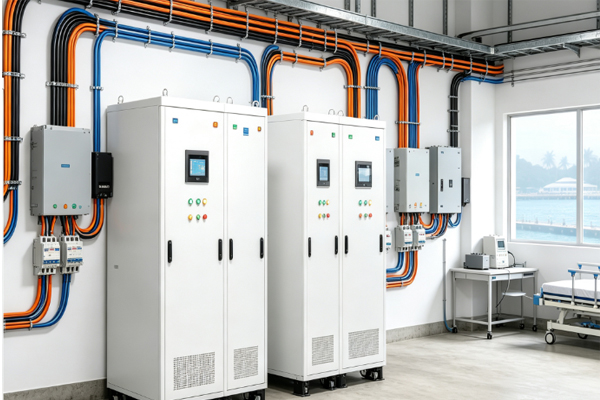
Smart energy storage batteries require coordinated hardware and software to achieve automated management. The BMS monitors internal battery conditions, the PCS handles bidirectional power conversion, the EMS manages energy scheduling, and the monitoring platform provides operating data to hotel managers.
- Time-of-use electricity management: Controls battery charging and discharging according to preset electricity pricing periods.
- Load tracking: Adjusts energy storage output according to real-time hotel power demand to support load balancing.
- Intelligent SOC management: Monitors remaining battery energy and controls charging and discharging according to preset limits.
- PV and storage coordination: Works with photovoltaic systems to store surplus solar power in the battery.
- Backup power function: Provides power support for designated critical loads when the grid experiences an abnormal condition.
- Remote monitoring: Allows managers to view voltage, current, temperature, power, SOC, and alarm status through a management platform.
- Fault protection: When abnormal operating conditions are detected, the system can limit or stop operation according to its protection logic.
These functions allow hotel energy storage batteries to become part of the property’s daily energy management system rather than being used only during power outages.
Performance Design and Long-Term Operation of Smart Hotel Energy Storage Batteries
Hotel energy storage systems are expected to operate for extended periods, making battery performance an important factor in system reliability and operating efficiency. LiFePO4 batteries are suitable for commercial energy storage cycling applications, while their operating parameters need to match the PCS, transformer, distribution cabinet, and EMS control strategy. Battery capacity should not be determined only by total hotel electricity consumption. Peak demand, daily cycling requirements, reserved backup energy, and potential future load growth should also be considered.
Performance Matching Requirements for LiFePO4 Batteries
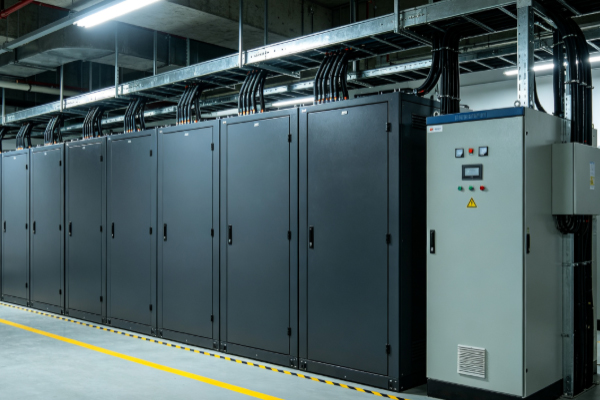
LiFePO4 batteries used in smart hotel energy storage systems should be selected according to nominal voltage, rated capacity, continuous charging and discharging power, peak output capability, cycling requirements, and operating temperature range. The number of battery cabinets should be configured according to PCS power and required storage duration. The BMS should communicate effectively with the PCS and EMS so that the system can accurately obtain battery operating information.
For hotels using energy storage for regular time-of-use electricity management, the batteries may undergo frequent charging and discharging cycles. Battery cycling characteristics and thermal management should therefore be considered carefully. For systems serving backup power functions, a certain SOC reserve should be maintained to prevent normal daily operation from using all available energy before an unexpected outage occurs. The storage installation area should also provide suitable ventilation, temperature management, and safety protection.
Expansion Capabilities of Modular Smart Energy Storage Systems
Hotel operations may change as guest rooms are added, restaurants are expanded, or equipment is upgraded. Energy storage requirements can change accordingly. A modular LiFePO4 battery system allows the hotel to install an initial storage capacity according to its current demand and add battery cabinets or storage modules later. This design can reduce the initial investment pressure and make it easier to optimize the system based on actual energy consumption data.
A modular solution can also be integrated with photovoltaic generation, EV charging facilities, backup generators, and building energy management systems to create a more comprehensive energy ecosystem. When a hotel adds central air-conditioning equipment, kitchen appliances, or electric vehicle charging facilities, the required storage power and capacity can be reassessed. Additional battery modules or an upgraded PCS can then be introduced to accommodate the new loads.
A smart hotel energy storage battery solution connects LiFePO4 batteries, PCS, BMS, EMS, and the hotel’s power distribution system to provide controllable energy storage capacity for commercial buildings. Through time-of-use electricity management, load regulation, photovoltaic energy utilization, critical load backup, and intelligent monitoring, energy storage batteries can participate in daily hotel energy operations. For hotel projects requiring an energy storage system, battery capacity and system power can be selected according to building size, load profile, occupancy rate, photovoltaic conditions, and backup power requirements. A modular design can also reserve space for future expansion, creating a more flexible and scalable smart energy storage system for hotels.