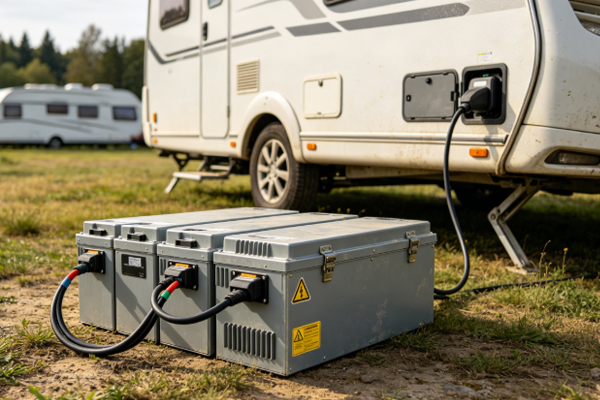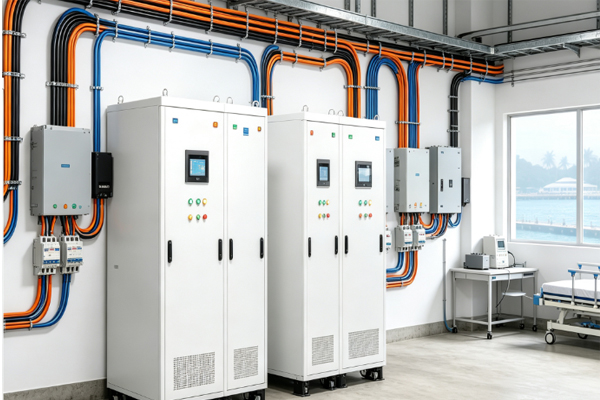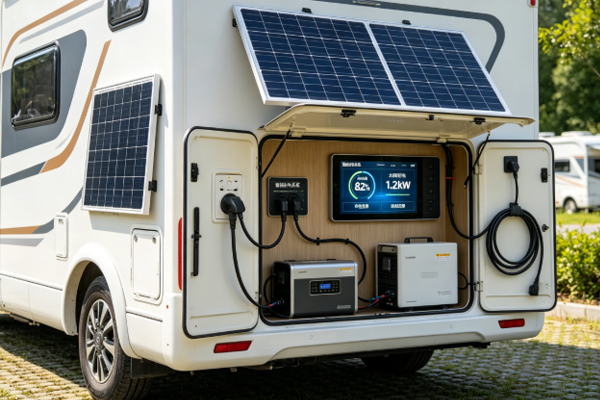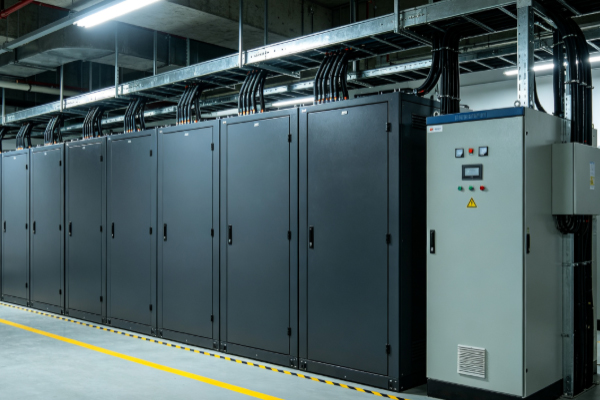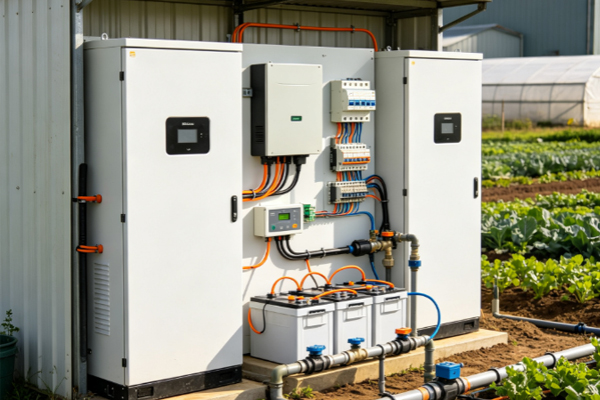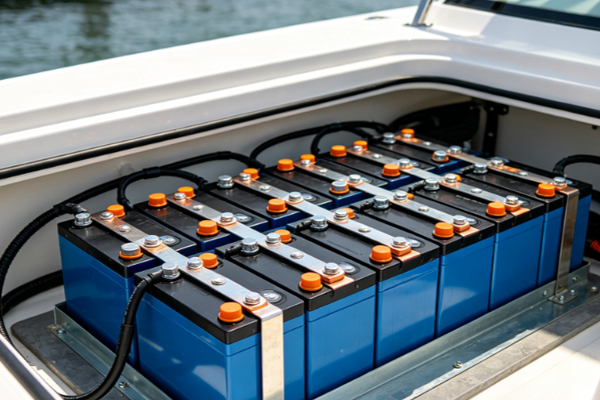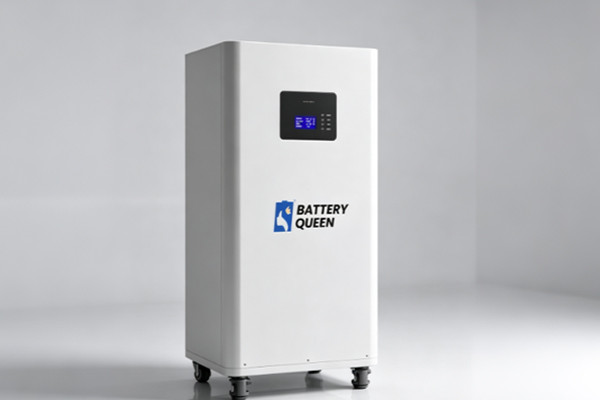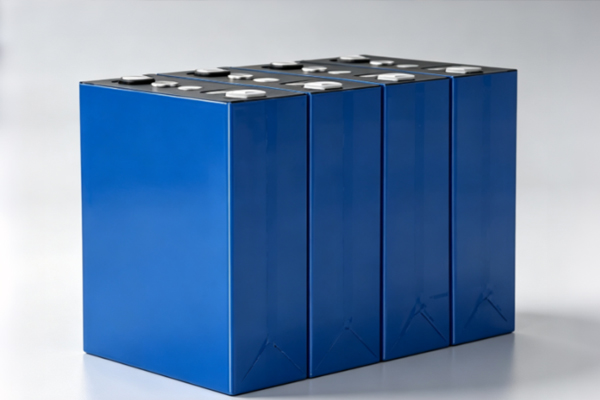
As school digitalization continues to develop, the number of electrical devices used in teaching buildings, libraries, laboratories, student dormitories, cafeterias, gymnasiums, and administrative offices continues to increase. Lighting systems, air conditioning equipment, multimedia teaching devices, computers, network servers, kitchen equipment, and laboratory instruments operate at different times, creating noticeable changes in campus electricity demand throughout the day. Traditional manual meter reading and decentralized management methods can make it difficult to understand energy consumption in different areas in a timely manner. They also limit the ability of managers to adjust equipment operating schedules based on real-time data. A smart campus energy management solution combines LiFePO4 battery energy storage systems, smart meters, energy management systems, BMS units, PCS equipment, and monitoring platforms to collect, transmit, and process campus electricity data and implement appropriate management strategies according to actual load conditions. Energy storage equipment can store and release electrical energy when system design requirements are met, while the intelligent management platform can display electricity information and equipment status for major campus areas. By combining energy storage technology with digital energy management, schools can gradually establish a clearer energy data system, improve daily management efficiency, and provide reliable energy management support for teaching activities and long-term campus development.
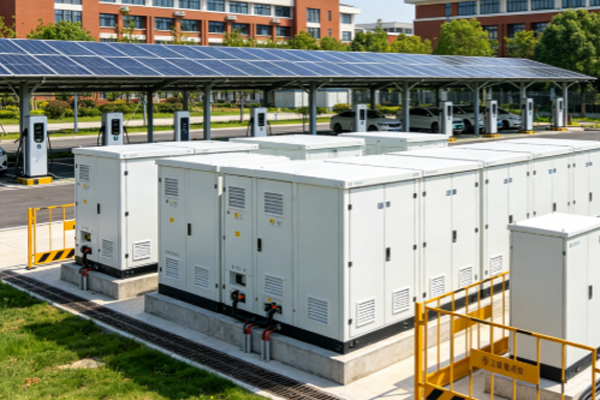
Smart Energy Management Systems Improve Campus Energy Efficiency
Smart campus energy management is not simply the installation of an energy storage battery. It requires data connections and coordinated operation between multiple devices to establish a complete energy management structure. LiFePO4 batteries store electrical energy, while the BMS continuously monitors battery voltage, current, temperature, and state of charge. The PCS controls the charging and discharging power of the energy storage system, and smart meters collect electricity data from different buildings and electrical circuits. The EMS can collect relevant information according to system settings and display equipment status and energy data on the management platform. School managers can use the platform to monitor changes in electricity consumption in teaching buildings, laboratories, libraries, and other areas and develop energy plans according to class schedules, equipment operating times, and actual loads. Larger campuses can also divide energy management into different zones based on building functions, allowing each area to maintain clearer data records. Through the long-term collection of operating data, schools can understand changes in electrical loads during different seasons, dates, and periods and use this information to support equipment operation adjustments and energy storage system planning.
Main Advantages of Smart Campus Energy Management
A smart energy management system connects data collection, equipment monitoring, and energy storage management, allowing schools to understand campus energy operation more efficiently and arrange equipment operating schedules according to actual requirements.
- Real-time electricity monitoring: Smart meters can continuously collect electricity data from different buildings and major electrical circuits.
- Improved energy management efficiency: Managers can use a unified platform to monitor equipment operating conditions in multiple areas.
- Intelligent energy storage operation: The system can manage the charging and discharging process of LiFePO4 batteries according to predefined conditions.
- Convenient load monitoring: Long-term data records can help identify electricity usage patterns during different periods.
- Reduced repetitive manual work: Automatic data collection can reduce the workload associated with manual meter reading and data recording.
- Equipment status monitoring: The management platform can display operating information for batteries, PCS equipment, smart meters, and other devices.
- Support for long-term energy planning: Historical operating data can provide useful information for future school energy infrastructure development.
These advantages allow smart energy management to gradually move beyond traditional single-device management and develop into a data-driven management model. Schools can continuously adjust their energy usage plans according to actual operating conditions.
How to Use a Smart Campus Energy Management System
When using a smart campus energy management system, schools should establish an appropriate data collection plan based on the campus building layout and major electrical equipment. Teaching buildings, laboratories, libraries, cafeterias, and student dormitories can be equipped with smart meters according to actual requirements, and the collected electricity information can be transmitted to the energy management platform. Managers can use the platform to review real-time loads, historical electricity consumption, and equipment operating conditions in different areas and develop daily energy management plans based on school schedules. The LiFePO4 energy storage system can charge and discharge according to the project design and system strategy. The BMS continuously monitors battery conditions, while the EMS coordinates the operating relationship between the energy storage equipment and campus electrical loads. When electricity consumption in certain campus areas changes significantly, managers can use recorded data to understand the load variation and further inspect the operating condition of related equipment. During system operation, communication lines, smart meters, energy storage equipment, and monitoring platforms should be checked regularly to ensure normal data transmission. Charging and discharging parameters for the energy storage system should be configured according to equipment technical requirements and project specifications and should not be changed without professional evaluation. Through standardized operation and continuous monitoring, a smart energy management system can provide more stable data support for schools.
Main Components of a Smart Campus Energy Management System
Smart energy management requires energy storage equipment, data collection devices, and software management platforms to operate together. Different devices perform different tasks.
| Equipment | Main Function | Campus Application |
| LiFePO4 Battery | Stores and releases electrical energy | Provides campus energy storage capacity |
| BMS | Battery management | Monitors battery voltage, current, temperature, and SOC |
| PCS | Power control | Manages energy storage charging and discharging |
| EMS | Energy management | Collects data and executes energy management strategies |
| Smart Meter | Electricity data collection | Records electricity consumption in different areas |
| Sensors | Status monitoring | Collects operating information from selected equipment |
| Communication System | Data transmission | Connects field equipment with the management platform |
| Monitoring Platform | Data display | Displays energy data and equipment conditions |
| Distribution Equipment | Power distribution | Connects the energy storage system with campus electrical circuits |
These devices form a complete structure for data collection and energy management, allowing schools to understand overall campus energy consumption through information related to equipment operation, electrical loads, and energy storage status.
Application Scenarios for LiFePO4 Energy Storage in Smart Campuses
A campus contains many different energy usage scenarios, and the types of equipment and operating schedules can vary significantly between buildings. Teaching buildings usually operate lighting, air conditioning, and multimedia equipment during class hours. Libraries may require lighting, computers, and network equipment to operate for longer periods. Laboratories may use specialized instruments, while cafeterias can experience concentrated electrical loads during meal periods. Electricity demand in dormitory areas can also change according to student living schedules. A smart energy management system can continuously collect relevant data through smart meters and monitoring devices and establish different management plans based on building functions. A LiFePO4 battery energy storage system can work with the energy management platform and participate in electricity storage and release according to system strategies. By managing different campus areas separately, schools can gain a clearer understanding of critical loads and general loads, allowing energy management plans to better match actual operating requirements.
Smart Energy Management for Teaching Buildings, Libraries, and Office Areas
Teaching buildings are important areas of daily campus energy consumption. The operating schedules of classroom lighting, air conditioning, multimedia equipment, electronic whiteboards, and computers are usually closely related to class schedules. A smart energy management system can record load data from different floors and electrical circuits, allowing managers to understand changes in electricity consumption during classes, breaks, and non-teaching periods. Libraries may operate for relatively long periods and require continuous lighting, air conditioning, computers, and network equipment. Long-term data collection through smart meters can help schools understand energy demand during different opening hours. Administrative office areas mainly use computers, printers, lighting, and air conditioning, and the management platform can display load changes on related circuits. The energy storage system can participate in energy management for these areas according to the project design, while the EMS coordinates the relationship between battery conditions and actual electrical loads. Through a unified data platform, managers do not need to check a large number of independent devices separately and can instead centrally review energy operating information from major buildings. As historical data continues to accumulate, schools can also adjust equipment operating plans according to actual usage patterns in different buildings and improve the convenience of daily campus energy management.
Intelligent Monitoring for Laboratories, Cafeterias, and Critical Equipment
Laboratories, cafeterias, and certain critical equipment have different electricity characteristics and should be managed according to actual equipment power and operating requirements. A smart energy system can improve management efficiency through data collection and equipment monitoring.
- Laboratory equipment: Records relevant electricity data according to instrument operating requirements and monitors load changes during equipment use.
- School cafeteria kitchen equipment: Monitors electricity consumption from cooking equipment, refrigeration equipment, and other major appliances.
- Campus network centers: Monitors the continuous operating status of servers, network switches, and communication equipment.
- Multimedia teaching equipment: Records the use of projectors, display equipment, computers, and related devices.
- Public lighting systems: Manages operating conditions according to the usage schedules of different areas.
- Campus security equipment: Establishes continuous status monitoring for surveillance, communication, and selected important facilities.
- Critical electrical circuits: Creates different load management plans according to actual school requirements.
By monitoring critical equipment and major electrical circuits, schools can understand equipment operating conditions more efficiently and develop clearer energy management measures according to actual requirements.
Intelligent Energy Storage and Automated Energy Regulation
A smart campus energy management system can use the EMS to connect energy storage equipment with real-time load data. As the system continuously collects campus electricity information, it can manage LiFePO4 batteries according to predefined operating logic. For example, when system operating conditions are satisfied, charging or discharging can be arranged according to battery state of charge, current loads, and configured strategies. The PCS performs the required power control, while the BMS continuously monitors battery operating conditions. The management platform can display information such as energy storage capacity, SOC, charging and discharging power, and equipment status, allowing managers to understand current system operation. Different load management methods can also be configured for different campus areas according to project requirements. Automated control can reduce some repetitive manual tasks and improve the speed of data processing, but the system should still be inspected regularly by qualified personnel. Managers should monitor equipment alarms, communication conditions, and operating records and complete maintenance work according to technical requirements. Through coordination between energy storage equipment and intelligent control systems, campuses can establish a more flexible energy regulation mechanism that effectively connects data monitoring with battery operation.
High-Performance Smart Energy Storage Systems Support Long-Term Campus Development
Smart energy management requires long-term data collection and stable equipment operation. As schools continue to expand, new teaching buildings, laboratories, dormitories, and public facilities may be added, resulting in changes in overall campus electricity demand. LiFePO4 battery energy storage systems offer modular configuration and can be selected according to current campus loads while also considering future development plans. High-performance energy storage equipment requires suitable conditions for long-term operation and effective coordination with the BMS, PCS, and EMS. Battery operating data can be transmitted to the management platform through communication systems, allowing schools to continuously monitor equipment conditions. During the system design stage, energy storage capacity, installation conditions, equipment maintenance requirements, and future expansion possibilities should be considered according to actual project needs. Standardized installation and continuous operation and maintenance are also important for maintaining stable system performance. Smart energy management is not a one-time equipment installation. It is a long-term process in which management plans can be continuously improved through accumulated operating data, allowing campuses to gradually establish a more complete energy management system.
LiFePO4 Battery Performance and Intelligent Management Capabilities
LiFePO4 batteries are suitable for stationary energy storage systems and can support applications involving periodic charging and discharging. Actual battery performance is closely related to system design, environmental conditions, charging and discharging parameters, and daily management. In a smart campus energy storage system, the BMS can continuously monitor relevant operating data from battery cells or battery packs and perform corresponding management functions according to the system design. Through communication interfaces, selected battery data can be transmitted to the EMS and monitoring platform, allowing managers to centrally view information such as SOC, voltage, current, and temperature. Intelligent management improves the timeliness of data collection and makes equipment conditions easier to understand. During long-term operation, schools should inspect the energy storage system regularly according to equipment technical requirements and ensure that communication, cooling, and electrical distribution equipment remain in normal operating condition. Larger energy storage projects should also establish clear equipment maintenance procedures and assign qualified personnel to manage the system. Standardized operation and continuous monitoring can help schools understand the actual operating condition of energy storage equipment and provide a reliable data foundation for smart energy management.
Modular Smart Energy Storage Systems Meet Future Campus Requirements
Campus development is a long-term process, and schools may add new teaching facilities and public service areas in the future. Modular LiFePO4 energy storage systems can be planned according to current requirements while providing flexibility for future energy infrastructure development.
- Flexible energy storage capacity: Appropriate battery capacity can be selected according to current campus loads and actual application requirements.
- Support for phased development: Schools can gradually improve smart energy systems according to construction plans.
- Reserved conditions for future expansion: Initial system design can consider the space and electrical distribution requirements for additional equipment.
- Adaptation to new buildings: Energy loads can be reassessed when new teaching buildings or other facilities are put into operation.
- Centralized data management: Multiple devices can be monitored and recorded through a unified management platform.
- Improved long-term management convenience: Future management plans can be adjusted according to continuously accumulated operating data.
A modular design allows schools to develop energy storage systems according to actual campus development requirements. When equipment compatibility and project technical requirements are satisfied, future energy planning can be adjusted according to changes in campus loads, allowing smart energy storage systems to continue supporting long-term campus development.
A smart campus energy management solution combines LiFePO4 batteries, BMS units, PCS equipment, smart meters, communication devices, and EMS platforms to establish a complete energy data management system. The system can continuously collect electricity information from different campus areas and display equipment conditions and load changes through a unified platform. Teaching buildings, libraries, laboratories, cafeterias, office areas, and critical equipment can be classified and managed according to actual requirements, allowing schools to gain a clearer understanding of campus energy operation. When project design and technical requirements are met, LiFePO4 energy storage systems can participate in electricity storage and regulation while intelligent management equipment supports data monitoring and equipment status management. With modular energy storage design and long-term data collection, schools can continuously improve energy management plans according to campus size, equipment quantity, and future development requirements, providing stable, flexible, and efficient technical support for energy conservation, equipment operation, and smart campus development.