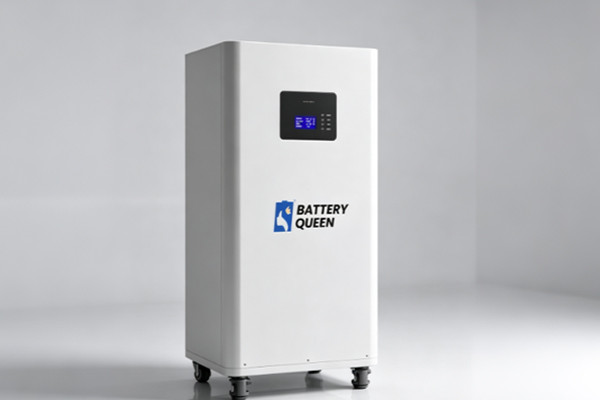
As the electric vehicle market continues to expand, power battery technology is also developing rapidly. In addition to established lithium iron phosphate and ternary lithium batteries, sodium-ion batteries are gradually entering the electric vehicle market due to their abundant raw materials, good low-temperature performance, and diversified supply chain potential. So, can sodium-ion batteries be used in electric vehicles? The answer is yes. Sodium-ion batteries have moved from laboratory research toward commercial applications and are beginning to be used in passenger cars and commercial vehicles.
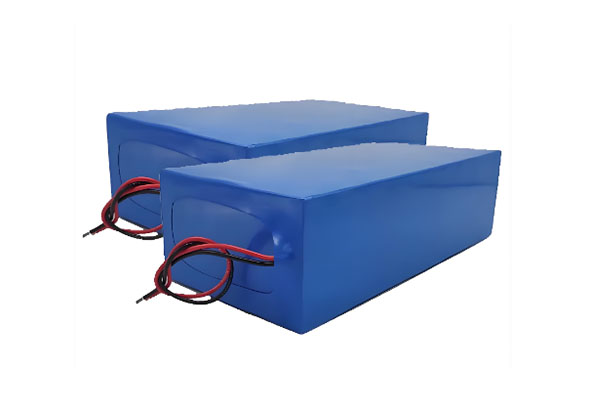
Why Can Sodium-Ion Batteries Be Used in Electric Vehicles?
A Working Principle Suitable for Electric Vehicles
Sodium-ion batteries operate in a way similar to lithium-ion batteries. During charging and discharging, sodium ions move between the cathode and anode to store and release electrical energy. Because sodium is abundant and widely available, sodium-ion batteries can provide an alternative battery chemistry for the electric vehicle industry.
Electric vehicle batteries need to balance energy density, safety, cycle life, and environmental adaptability. Although sodium-ion battery technology is still developing, it has already reached the technical level required for practical vehicle applications.
Practical Vehicle Applications Are Emerging
Sodium-ion batteries are no longer limited to laboratory research. In 2026, CATL and Changan Automobile introduced a mass-produced passenger vehicle equipped with sodium-ion power batteries. The vehicle offers a pure electric driving range of more than 400 kilometers, demonstrating that sodium-ion batteries are moving further into real-world automotive applications.
This shows that sodium-ion batteries can already support certain electric vehicle applications, particularly urban commuting and short-distance transportation.
What Are the Advantages of Sodium-Ion Batteries for Electric Vehicles?
Better Low-Temperature Performance
Low-temperature performance is an important consideration for electric vehicles. In cold weather, some lithium-ion batteries may experience reduced capacity, slower charging, and weaker power output.
Sodium-ion batteries can maintain relatively good performance in low-temperature environments. This makes them particularly attractive for electric vehicles operating in cold regions.
Reduced Dependence on Lithium Resources
Sodium is widely available, and sodium-ion batteries do not rely on lithium as the primary charge carrier. For the power battery industry, this can increase the diversity of battery material systems and reduce dependence on a single critical resource.
Potential Safety and Stability Benefits
Battery safety directly affects the reliability of electric vehicles. Sodium-ion batteries have demonstrated advantages in areas such as thermal stability and low-temperature operation. Commercial battery manufacturers are also conducting increasingly rigorous safety testing for automotive applications.
As sodium-ion battery technology continues to mature, improvements in battery management systems, cell design, and pack structures can further enhance overall safety and reliability.
What Are the Limitations of Sodium-Ion Batteries?
Lower Energy Density Than Mainstream Lithium Batteries
One of the main limitations of sodium-ion batteries is still their energy density. Compared with advanced lithium iron phosphate and ternary lithium batteries, sodium-ion batteries generally store less energy at the same weight and volume.
This means that sodium-ion batteries may not yet be the best choice for certain premium electric vehicles where ultra-long driving range is the primary requirement.
The Supply Chain Still Needs to Mature
Compared with lithium-ion batteries, sodium-ion battery production, material supply chains, and market experience are still developing. Current global production remains much smaller than that of lithium-ion batteries.
As production capacity increases, improvements in manufacturing processes, raw material supply, and economies of scale could help optimize the overall cost of sodium-ion battery systems.
Which Electric Vehicles Are Suitable for Sodium-Ion Batteries?
Urban Short-Distance Electric Vehicles
Urban commuting generally does not require the same driving range as long-distance highway travel. Therefore, the relatively lower energy density of sodium-ion batteries may be less of a limitation in small urban electric vehicles and city transportation models.
Electric Two-Wheelers and Three-Wheelers
Electric two-wheelers and three-wheelers have relatively flexible requirements for battery size and driving range. The low-temperature performance and resource advantages of sodium-ion batteries make them promising for these applications.
Electric Light Commercial Vehicles
Electric delivery vehicles, logistics vehicles, and other light commercial vehicles often operate on relatively fixed routes. They may not require the extremely long range demanded by long-distance transportation.
Sodium-ion batteries can therefore be a suitable option for certain urban delivery and short-distance commercial transportation applications.
Can Sodium-Ion Batteries Replace Lithium Batteries in the Future?
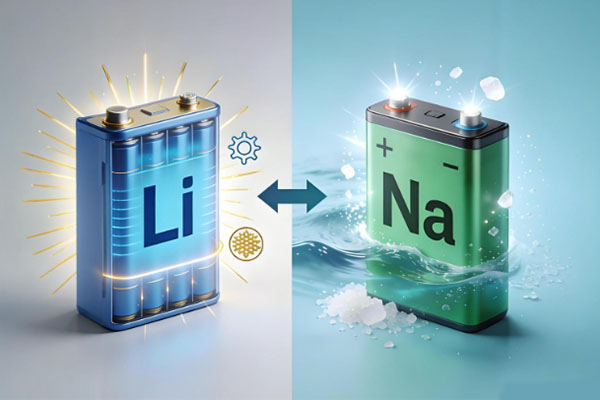
Based on current technological development, sodium-ion batteries are more likely to become an important complement to lithium-ion batteries rather than completely replace them in the short term.
The future electric vehicle market may include multiple battery technologies. High-range vehicles may continue to rely on high-energy-density lithium batteries, while urban electric vehicles, cold-climate vehicles, and some commercial vehicles may adopt sodium-ion batteries.
This diversified approach allows manufacturers to select the most suitable battery technology according to vehicle range, operating environment, cost, weight, and charging requirements.
Application Prospects of Sodium-Ion Batteries
Overall, sodium-ion batteries can be used in electric vehicles, and the technology is moving from technical validation toward commercial application. Their key advantage is not that they outperform lithium batteries in every aspect, but that they offer differentiated benefits in areas such as low-temperature operation, resource availability, and specific vehicle applications.
For electric vehicle manufacturers and battery system companies, factors such as driving range, operating conditions, vehicle weight, cost, charging infrastructure, and battery safety need to be considered when selecting a battery technology.
As materials, manufacturing processes, and supply chains continue to improve, sodium-ion batteries are expected to gain wider application in urban electric vehicles, light commercial vehicles, electric two-wheelers, three-wheelers, and other transportation scenarios.
For battery packs, energy storage equipment, and related industrial applications, battery enclosure size, structural protection, impact resistance, and transportation convenience are also important considerations. Professional toolboxes and equipment cases can provide practical solutions for the storage, transportation, and protection of battery-related equipment.