The electricity consumption of electric boats is closely related to speed, load, water currents, wind and waves, and propulsion system efficiency. For sightseeing boats, ferries, port service vessels, and short-distance transport boats, simply increasing battery capacity cannot solve energy consumption problems. An oversized battery pack may also increase the vessel’s weight and propulsion load. Energy-saving solutions should optimize cell performance, battery pack impedance, high-voltage transmission, propulsion power, thermal management, and BMS control to improve overall energy utilization.
Proper Matching of Battery Capacity and Cell Performance
Battery capacity determines the available energy storage of a vessel, but its configuration should be based on actual operating conditions. For shipyards and operators, it is important to balance cell performance, range requirements, and the overall vessel weight.
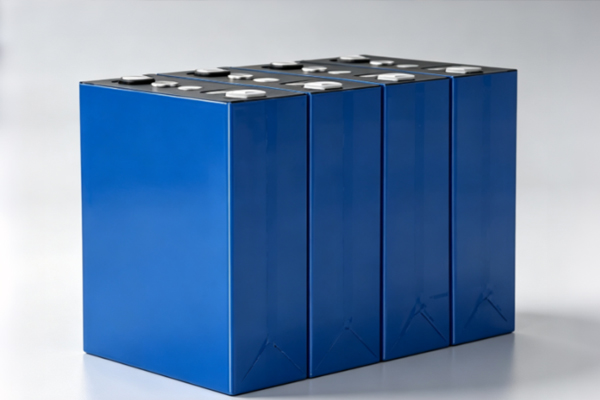
Cell Selection Should Balance Energy Density and Cycle Performance
Cell performance affects the usable energy and service life of the battery system. The following factors should be considered during selection:
- Energy density: Configure more usable energy within the available installation space and load capacity.
- Cycle performance: Meet the requirements of frequent operation and repeated daily charging and discharging.
- Consistency: Control differences in individual cell capacity, internal resistance, and voltage to reduce performance deviations within the battery pack.
- Rate capability: Maintain stable power output during full-load starting, acceleration, and upstream navigation.
Proper cell selection helps balance battery capacity, weight, and propulsion performance.
Battery Capacity Should Be Determined Based on Routes and Loads
Capacity planning should not rely solely on nominal capacity. It should also consider the vessel’s actual operating conditions, including the distance and duration of each trip, unloaded, average-load, and full-load conditions, changes in navigation resistance caused by water currents, wind, and waves, as well as the auxiliary power consumption of propulsion motors, air-conditioning systems, lighting, and navigation equipment. Configuring capacity according to the route and load can prevent excessive capacity from increasing vessel weight and reduce the need for frequent recharging caused by insufficient capacity.
Reducing Internal Battery Pack Impedance and High-Voltage Transmission Losses
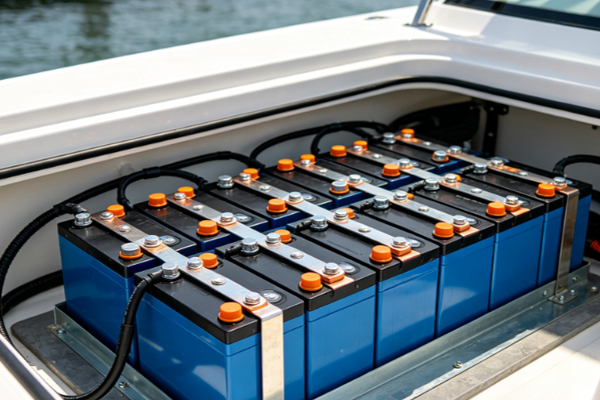
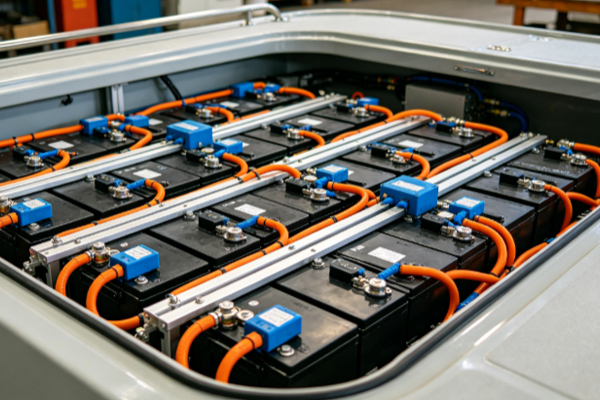
Vessels require relatively high discharge currents during starting, acceleration, and upstream navigation. The internal resistance of the battery, as well as the resistance of busbars, connectors, and high-voltage cables, can cause voltage drops and heat generation. Optimizing these components helps improve system efficiency.
Optimize the Internal Structure of the Battery Pack
The internal structure of the battery pack can be optimized through cell matching and high-voltage connection design:
- Cell internal resistance control: Select cells with good consistency and perform proper cell grouping.
- Busbar design: Match specifications and connection paths to the operating current.
- Connection structure: Reduce contact resistance and minimize localized heat generation.
- Current paths: Optimize high-current transmission paths to reduce voltage drops.
Reducing the internal impedance of the battery pack can lower voltage drops and heat losses during high-current discharge.
High-Voltage Electrical Paths Should Match the Propulsion System
The electrical energy output by the battery must pass through high-voltage cables, connectors, and power control systems before reaching the propulsion motor. The following aspects should be considered during design:
| Optimization Item | Main Design Direction | Energy-Saving Value |
| High-voltage cables | Properly match cross-sectional area, length, and current-carrying capacity | Reduce line resistance losses |
| Busbar connections | Optimize structure and current paths | Reduce voltage drops and localized heat generation |
| Voltage platform | Coordinate and match with the motor and power control system | Reduce operating current at the same power level |
| Electrical layout | Reasonably shorten high-voltage transmission paths | Reduce energy losses during transmission |
Through coordinated design of the battery pack and the vessel’s high-voltage system, electrical energy transmission efficiency can be improved.
Optimizing Battery Thermal Management by Utilizing the Marine Water Environment
During operation, electric boats are surrounded by large amounts of water. Heat can be dissipated through a closed-loop cooling circuit and heat exchanger that utilizes the surrounding water. The design must take water temperature, salinity, corrosion, and hull structure into consideration.
Hull Water Cooling and Heat Exchange Systems
For large-capacity, high-power batteries, the following heat exchange methods can be evaluated according to the vessel type:
- Hull or keel cooling: Utilize the heat exchange capability between the hull and the surrounding water to assist heat dissipation.
- Plate heat exchanger: Transfer heat between the battery cooling circuit and the surrounding water.
- Independent cooling circuit: Use a closed-loop coolant on the battery side, while the surrounding water serves as the heat exchange medium.
- Temperature monitoring: Continuously monitor the temperatures of cells, modules, and the cooling circuit.
Properly utilizing the water environment can reduce the burden on conventional air-cooling methods and provide stable heat dissipation for high-thermal-load batteries.
Consider the Vessel’s Operating Environment
The thermal management system should also consider:
- The impact of water temperature changes on heat exchange capacity;
- Corrosion protection in seawater environments;
- Heating requirements in low-temperature waters during winter;
- Ease of maintenance for heat exchangers, water circuits, and related components.
Combining heat exchange with the surrounding water and the battery temperature control system helps reduce the impact of extreme environments on battery efficiency and service life.
Optimizing Propulsion Power and BMS Control Based on Actual Operating Conditions
Battery energy utilization is also affected by propulsion motor matching, speed control, and BMS strategies. Energy-saving design should be based on actual navigation data rather than simply increasing battery capacity.
Propulsion Power Should Match Different Navigation Conditions
The power requirements of a vessel vary under different operating conditions. The following aspects should be analyzed:
- Low-speed cruising: Control propulsion power according to the actual cruising speed.
- Starting and acceleration: Properly manage peak power and reduce unnecessary high-current output.
- Upstream navigation: Match power requirements according to changes in water currents and load.
- Full-load operation: Adjust power output according to changes in vessel load.
Keeping the propulsion system within an appropriate efficiency range helps reduce energy consumption per unit distance.
The BMS Should Balance Efficiency, Temperature, and Service Life
The BMS should perform dynamic control based on operating conditions. It should manage the remaining battery energy and estimated range, track battery health, monitor temperature changes during high-load navigation and charging, reduce cell-to-cell differences, and adjust charging and discharging power according to temperature, voltage, and battery status. Coordinated operation between the BMS, thermal management system, and propulsion control system can reduce unnecessary high-power output and maintain stable battery operation.
Prototype Validation Should Use Real Navigation Data
Energy-saving performance should be verified using actual vessel types and operating conditions. Testing should include:
- Energy consumption per unit distance under unloaded, average-load, and full-load conditions;
- Changes in propulsion power at different speeds;
- Energy consumption under downstream, upstream, and different water conditions;
- Temperature, voltage, and SOC changes during charging and discharging;
- Additional energy consumption from air-conditioning, lighting, and other auxiliary equipment.
Using test results to optimize battery capacity, the high-voltage system, propulsion power, and BMS parameters is essential for developing an energy-saving solution that better reflects actual operations.
The actual performance of the battery system also depends on specific factors such as vessel type, route, load, water environment, and charging conditions. Electric boat manufacturers, operators, and bulk purchasing customers should develop suitable solutions for different operating scenarios and comprehensively evaluate cell configuration, thermal management, propulsion control, and daily maintenance requirements. This can help reduce long-term operating costs, extend battery service life, and improve the stability and economic efficiency of the entire vessel.