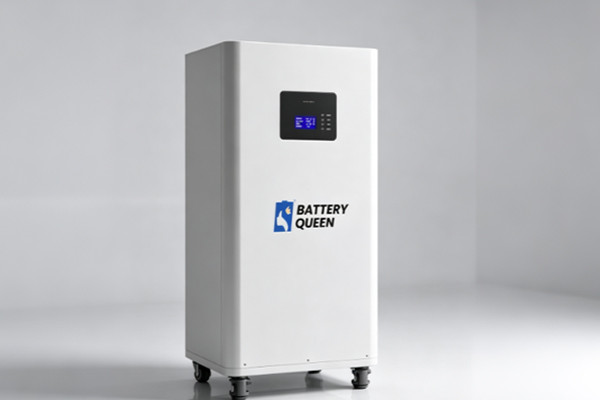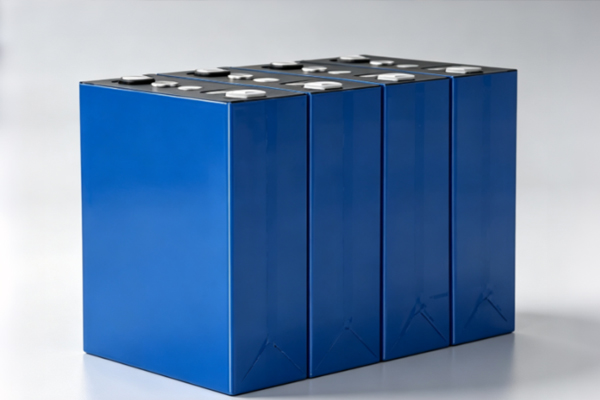
Hotels are commercial buildings with high occupancy and continuous electricity demand. Guest rooms, restaurants, kitchens, conference halls, equipment rooms, underground parking areas, and public spaces all require reliable power for extended operating periods. This creates high requirements for the safety and stability of energy storage equipment. LiFePO4 batteries offer good thermal stability, cycle performance, and electrochemical stability, making them suitable for hotel energy storage, backup power, solar energy storage, and critical load support when combined with appropriate system design, battery management, thermal management, and fire protection measures.
A high-safety lithium battery solution for hotels focuses not only on battery capacity but also on the coordination of the battery cells, storage cabinet, power distribution system, monitoring platform, and operating strategy. Through layered protection and real-time monitoring, the system can detect abnormal voltage, temperature, current, and other operating conditions and respond according to preset protection logic. For large hotels, high-safety LiFePO4 energy storage systems can be customized according to the number of guest rooms, occupancy rate, central air-conditioning power, kitchen loads, and public facility electricity demand. This allows the energy storage system to support daily electricity requirements while establishing a more reliable energy security system for the property.
LiFePO4 Batteries Build a High-Safety Hotel Energy Storage System
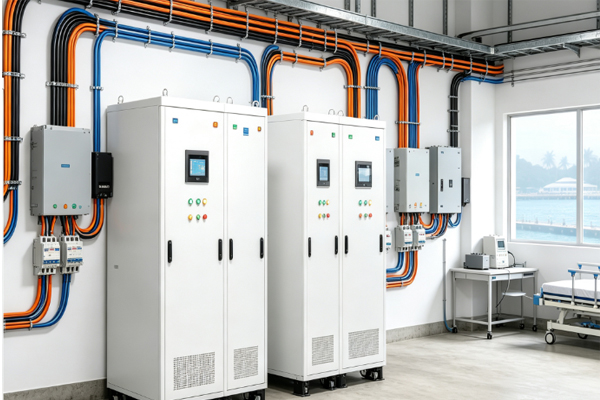
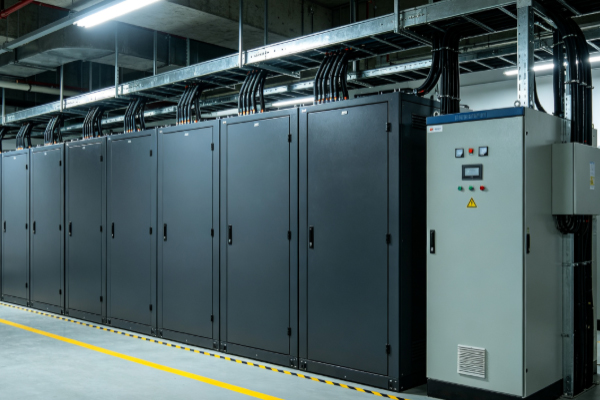
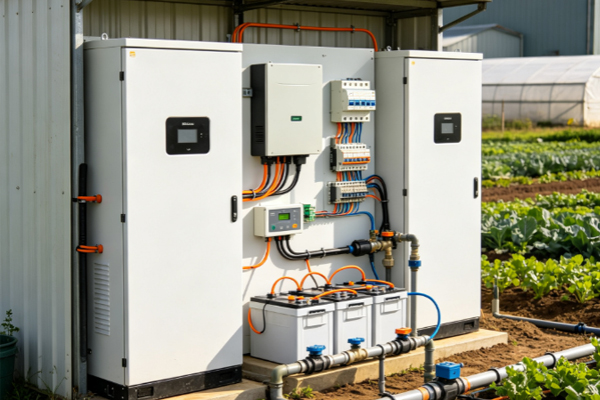
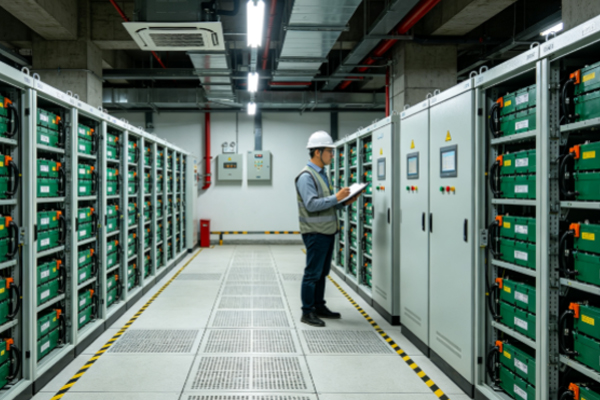
Hotel energy storage equipment is generally installed in equipment rooms, dedicated energy storage rooms, or other areas that meet project design requirements. The system may operate continuously under complex electrical conditions, so the battery needs more than energy storage capacity. It also requires comprehensive monitoring and protection functions. When combined with a BMS, PCS, thermal management equipment, and fire protection system, LiFePO4 batteries can form a complete energy storage unit capable of continuously monitoring battery operating conditions. Appropriate charging and discharging limits, temperature control ranges, and power limits can help reduce the impact of abnormal operating conditions and provide a stable energy storage foundation for hotel facilities.
Advantages of High-Safety LiFePO4 Batteries for Hotels
Hotel energy storage systems have higher safety requirements because storage equipment may be installed near employees, guests, and numerous electrical facilities. When selecting LiFePO4 batteries, attention should be given to battery chemistry, system protection, equipment construction, and long-term maintenance requirements.
- Good thermal stability: LiFePO4 cathode chemistry offers good thermal stability and is suitable for commercial energy storage systems that require reliable operation.
- Stable cycle performance: Hotel energy storage systems may perform frequent charging, discharging, and load management, making good cycle capability important for long-term operation.
- Real-time BMS protection: The battery management system continuously monitors cell voltage, temperature, current, and SOC and can implement protective measures according to preset limits.
- Multi-level safety design: Cells, modules, battery clusters, and storage cabinets can use layered protection strategies to improve fault isolation.
- Flexible capacity configuration: Battery cabinets or battery clusters can be selected according to the actual hotel load, supporting both small business hotels and large integrated properties.
- Intelligent monitoring: Energy storage equipment can connect to an energy management platform, allowing operators to remotely monitor battery conditions and alarm information.
- Suitable for long-term energy storage: Under appropriate operating temperature, charging and discharging limits, and maintenance conditions, LiFePO4 batteries can support continuous hotel energy storage applications.
These characteristics make high-safety LiFePO4 batteries suitable for hotel energy storage and critical load support while providing a stable foundation for commercial building power management.
How to Use a High-Safety Lithium Battery System in Hotels
When using a high-safety lithium battery energy storage system, the hotel needs to establish an operating strategy based on its actual electrical load. The system can connect to the hotel distribution cabinet, PCS, BMS, EMS, and load monitoring equipment. The EMS controls battery charging and discharging according to real-time electricity demand. During normal grid operation, the battery can be charged according to the hotel’s electricity schedule. When energy is required, the PCS converts DC battery power into AC electricity for hotel loads. If solar equipment is installed, surplus solar generation can also be stored in the battery for later use.
During operation, the BMS continuously collects cell and battery module data. When temperature, voltage, current, or SOC reaches a preset protection limit, the system can adjust the power output or stop the relevant operation according to the control strategy. Hotel operators should regularly check operating data, alarm records, charging and discharging status, and equipment conditions and perform maintenance according to the manufacturer’s requirements.
The installation area should also meet the required electrical safety, fire protection, ventilation, temperature, and moisture-control conditions. Avoiding long-term operation in unsuitable environmental conditions is important for maintaining battery performance and system reliability.
High-Safety Lithium Battery System Equipment Configuration
A complete high-safety hotel energy storage system consists of multiple components working together to perform energy conversion, battery management, monitoring, and protection. A typical configuration is shown below:
| Equipment | Core Function | Hotel Application |
| LiFePO4 Battery | Stores and releases electrical energy | Energy storage, backup power, critical load support |
| Battery Management System (BMS) | Battery monitoring and protection | Monitors voltage, temperature, current, SOC, and other parameters |
| Power Conversion System (PCS) | AC/DC power conversion | Controls battery charging and discharging |
| Energy Management System (EMS) | Energy scheduling | Coordinates energy storage, hotel loads, and solar generation |
| Thermal Management Equipment | Controls operating temperature | Maintains an appropriate battery operating environment |
| Fire Protection System | Energy storage safety protection | Supports safety management in the storage area |
| Distribution Cabinet | Power distribution and protection | Connects hotel electrical circuits |
| Monitoring Platform | Data collection and visualization | Displays equipment status, operating data, and alarms |
| Solar PV System | Solar power generation | Supplies hotel loads and charges the energy storage system |
The coordinated operation of these components creates a complete safety management chain, from individual cell monitoring to system-level control, improving the manageability and reliability of hotel energy storage.
Applications and Smart Functions of High-Safety Lithium Batteries in Hotels
Hotel electrical loads are distributed across different areas, and the required level of power continuity varies between applications. Guest room lighting, network equipment, monitoring systems, access control, and other important facilities generally require reliable power, while central air conditioning, kitchen equipment, laundry equipment, and pumps can create relatively high electrical loads. A high-safety lithium battery energy storage system can divide hotel loads into different priority levels and use power distribution and energy management controls to achieve more efficient electricity allocation.
Stable Energy Storage for Guest Rooms and Public Areas
Guest rooms and public spaces contain numerous electrical devices, including lighting, televisions, network equipment, outlets, electronic locks, surveillance equipment, and public lighting. The energy storage system can supply designated circuits according to the hotel’s distribution architecture, providing continued energy support for important equipment during grid fluctuations or power transfer events.
For large hotels, storage-powered circuits can be designed according to floors, functional areas, or load priority. Critical equipment can receive a higher power priority, while standard loads can be managed according to remaining battery capacity and system operating conditions. This approach makes better use of available energy storage capacity and helps prevent excessive instantaneous battery output caused by all loads operating simultaneously.
Energy Storage for Hotel Equipment Rooms, Monitoring, and Communication Systems
Hotel information systems support room management, network communication, video surveillance, access control, and operational management. Although individual devices may not consume large amounts of electricity, many of them require continuous power. High-safety LiFePO4 batteries can provide dedicated energy storage circuits for weak-current equipment rooms, monitoring centers, network equipment, and communication facilities.
When combined with UPS or other power supply equipment, the energy storage system can improve power continuity for critical low-power systems. The BMS manages battery condition monitoring, the PCS handles power conversion, and the EMS coordinates energy supply according to system status. For monitoring and communication equipment that must operate for extended periods, the required battery capacity should be calculated according to actual load demand with an appropriate capacity reserve rather than simply using the rated power of the equipment.
Intelligent Safety Management Improves Hotel Energy Storage Control
A high-safety energy storage system needs continuous visibility into battery operating conditions. An intelligent monitoring platform can display battery SOC, voltage, temperature, charging and discharging power, and equipment alarms in real time. Maintenance personnel can use the platform to review storage cabinet status and evaluate changes in battery operating performance through historical data.
The EMS can execute charging and discharging schedules according to hotel operating requirements while coordinating solar generation, grid power, and energy storage. When hotel electricity demand changes, the system can adjust battery output within predefined power limits. The BMS handles internal battery monitoring and protection, while the PCS manages power conversion. Working together, these control layers create a hierarchical management system covering battery cells, battery cabinets, and the complete energy storage system.
High-Performance LiFePO4 Batteries Support Long-Term Hotel Safety
Hotel energy storage systems are expected to operate for extended periods, while battery performance can be affected by temperature, depth of discharge, operating power, and usage cycles. High-safety LiFePO4 batteries should be combined with appropriate system parameters to achieve reliable long-term performance. During project design, battery capacity and system power should be determined according to the hotel’s daily load profile, installation environment, expected operating frequency, and maintenance conditions. An appropriate SOC operating range should also be established.
Thermal Management and Operating Stability
Battery operating temperature can influence energy storage performance and long-term service conditions. Hotel energy storage equipment should be installed in an environment that meets the project’s design requirements and should use suitable thermal management equipment according to system size. Temperature monitoring can continuously collect internal battery cabinet data and provide alarms when abnormal temperature trends are detected.
For large energy storage projects or hotels located in hot climates, particular attention should be given to heat dissipation, air-conditioning systems, cabinet layout, and ventilation. Cold environments may require low-temperature charging controls. Combining temperature monitoring with charging and discharging strategies helps keep the battery within an appropriate operating range and reduces the impact of unsuitable environmental conditions on long-term performance.
Modular Battery Design Supports Changing Hotel Capacity Requirements
Hotels differ significantly in the number of guest rooms, building size, equipment power, and operating schedules, so a single standardized battery capacity cannot meet every project requirement. Modular LiFePO4 battery systems can be configured according to initial electricity demand while reserving expansion capacity for future growth.
If a hotel later adds conference facilities, restaurants, EV charging stations, or other high-power equipment, the required battery capacity and PCS power can be reassessed. The distribution system, communication interfaces, and available installation space should also be checked before expansion. Modular design can reduce the risk of oversizing the initial system while making future upgrades more practical when hotel energy requirements increase.
A high-safety lithium battery application solution for hotels should integrate battery chemistry, BMS, PCS, EMS, thermal management, fire protection, and power distribution equipment. LiFePO4 batteries offer good thermal stability and cycle performance, making them an important battery technology for hotel commercial energy storage. Through appropriate capacity design, layered protection, real-time monitoring, thermal management, and intelligent energy control, the system can support guest rooms, public areas, equipment rooms, monitoring systems, communication facilities, and other critical loads.
For hotels planning to install an energy storage system, battery capacity, electrical power, installation conditions, operating schedules, and applicable local requirements should be evaluated during system design. Selecting suitable batteries, electrical equipment, and safety systems can help create an energy storage solution that remains reliable, controllable, and easy to maintain throughout long-term hotel operation.