In energy storage, electric transportation, industrial equipment, and other high-frequency charging applications, battery cycle life is an important factor affecting long-term operating costs. Compared with conventional lithium-ion batteries, LTO batteries are known for their exceptionally long cycle life. Depending on cell design, charging and discharging conditions, and testing standards, high-quality LTO batteries can achieve thousands or even tens of thousands of cycles. This outstanding durability is closely related to the unique electrochemical structure of lithium titanate.
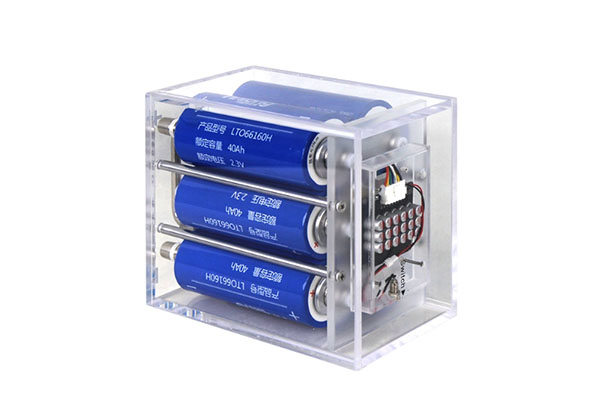
Why Do LTO Batteries Have Such a Long Cycle Life?
Lithium Titanate Has a “Zero-Strain” Characteristic
Conventional lithium-ion batteries commonly use graphite as the anode material. During charging and discharging, lithium ions repeatedly enter and leave the graphite structure, causing changes in the electrode lattice and volume. Over many cycles, these repeated changes can lead to material fatigue and gradual capacity degradation.
LTO batteries use lithium titanate as the anode material. One of its most important characteristics is its extremely low volume change during lithium-ion insertion and extraction, commonly described as a “zero-strain” characteristic. This stable structure helps the electrode withstand repeated cycling and is one of the key reasons for the long service life of LTO batteries.
Reduced Risk of Lithium Plating and Electrode Damage
In conventional lithium-ion batteries, lithium plating may occur when the battery is charged rapidly at low temperatures or under excessive charging current. Long-term lithium plating can negatively affect battery capacity and safety.
The higher operating potential of the LTO anode helps reduce the risk of lithium plating under appropriate charging conditions. At the same time, its stable crystal structure allows LTO batteries to withstand frequent charge and discharge cycles more effectively.
Key Technical Principles Behind the Long Cycle Life of LTO Batteries
A More Stable Electrode Interface
During the first charging process of a conventional graphite-based lithium-ion battery, a solid electrolyte interphase (SEI) layer forms on the anode surface. During long-term cycling, this layer may continue to change and grow, consuming active lithium and increasing internal resistance, which eventually contributes to capacity degradation.
Because LTO operates at a different potential and has different surface characteristics, it can significantly reduce the impact associated with continuous SEI growth typically found in graphite anodes. This helps LTO cells maintain a more stable electrochemical condition over a large number of charge and discharge cycles.
Excellent High-Rate Charging and Discharging Capability
Long cycle life is not the only advantage of LTO batteries. They also offer excellent high-rate performance. Certain LTO cells can support high-rate discharge and fast charging, making them suitable for applications such as electric buses, industrial vehicles, AGVs, energy storage systems, and UPS systems that require frequent charging and discharging.
For equipment that needs to charge and discharge several times a day, high-rate capability can shorten charging downtime and improve overall equipment utilization.
Better Low-Temperature Performance
Temperature is another important factor affecting battery life. At low temperatures, conventional lithium-ion batteries often experience significant limitations in charging performance. LTO batteries, however, can maintain relatively good performance under low-temperature conditions.
This makes LTO technology particularly attractive for applications operating in cold environments or locations where temperature fluctuations are significant.
Why Do Some LTO Batteries Claim “Tens of Thousands of Cycles”?
Cycle Life Depends on Actual Operating Conditions
The term “tens of thousands of cycles” does not mean that every LTO battery will achieve the same cycle count under all conditions. Battery cycle life is affected by many factors, including depth of discharge, charging and discharging rate, operating temperature, cell consistency, and BMS control strategies.
For example, batteries operating under moderate charging and discharging conditions generally achieve a longer service life than those subjected to high temperatures, high charging rates, or continuous deep cycling.
Cell Design, BMS, and Thermal Management All Matter
A long-life LTO battery does not rely solely on the lithium titanate material. Cell manufacturing technology, cathode material, electrolyte formulation, structural design, and the Battery Management System (BMS) are also important.
An advanced BMS can continuously monitor cell voltage, current, and temperature. It can also provide protection against overcharging, over-discharging, overcurrent, and abnormal temperature conditions, helping reduce damage caused by improper operating conditions.
Therefore, when purchasing an LTO battery, buyers should not focus only on the advertised cycle count. It is also important to understand the testing conditions used to obtain the cycle-life rating and evaluate the overall battery system design.
What Applications Are Suitable for LTO Batteries?
The main advantages of LTO batteries include long cycle life, fast charging, high-rate performance, and good low-temperature adaptability. These characteristics make them particularly suitable for applications that require frequent charging and discharging.
Industrial Vehicles and Electric Transportation
AGVs, forklifts, shuttle vehicles, electric buses, and similar equipment may undergo multiple charging and discharging cycles every day. LTO batteries can support fast charging and long-term cycling, helping reduce downtime and improve equipment availability.
Energy Storage and UPS Systems
For energy storage systems and UPS equipment that operate continuously and frequently perform energy cycling, the long cycle life of LTO batteries can reduce the frequency of battery replacement over the system’s service life.
High-Frequency Charging and Discharging Equipment
LTO batteries are also suitable for equipment that requires rapid charging and continuous high-power output. Their performance characteristics can help improve operating efficiency while reducing long-term maintenance requirements.
The Core Reason Behind the Long Life of LTO Batteries
The ability of LTO batteries to achieve an exceptionally long cycle life mainly comes from the stable crystal structure of lithium titanate, its extremely low volume change, reduced risk of lithium plating, and excellent high-rate performance.Compared with conventional lithium-ion batteries, LTO technology may sacrifice some energy density and cost advantages in exchange for superior cycle life, safety, and high-frequency operating performance.Therefore, when an application prioritizes long-term stable operation rather than simply pursuing maximum energy density, LTO batteries can be an excellent battery technology choice. For industrial equipment, energy storage systems, electric transportation, and other high-frequency charging and discharging applications, selecting the right LTO battery solution can provide reliable performance and help reduce long-term operating and replacement costs.