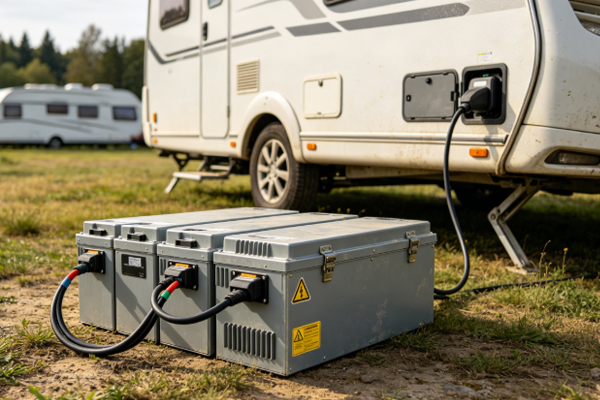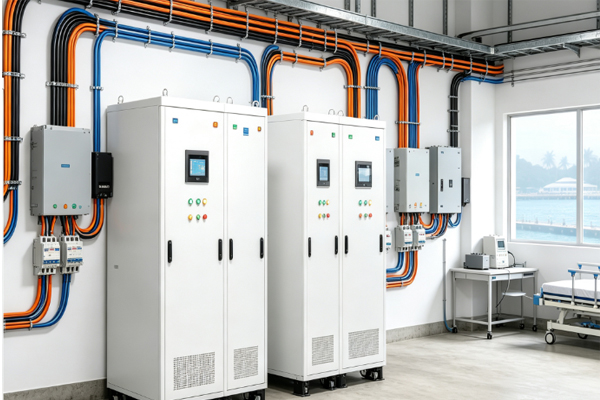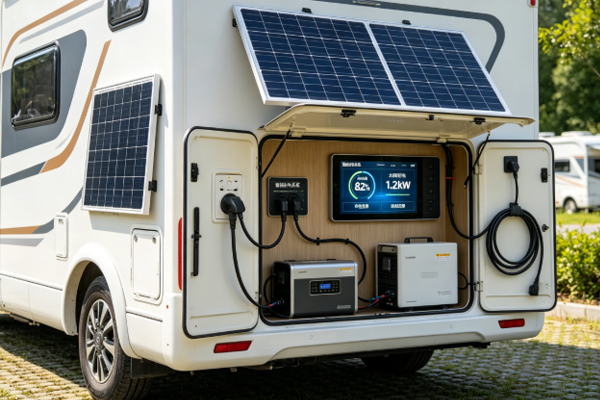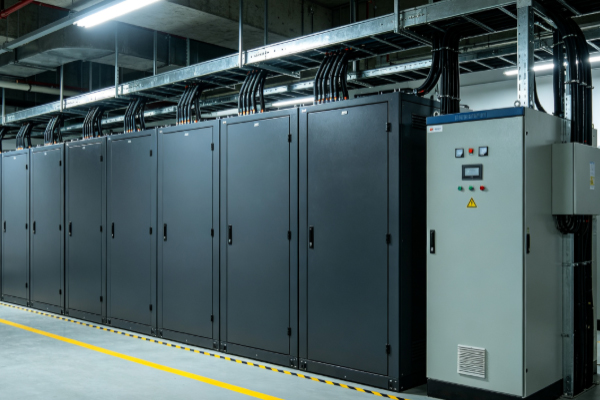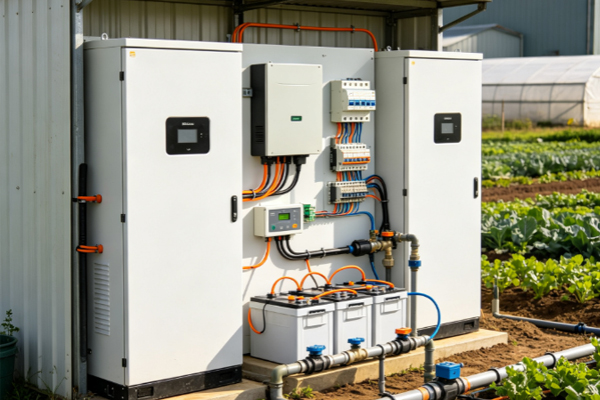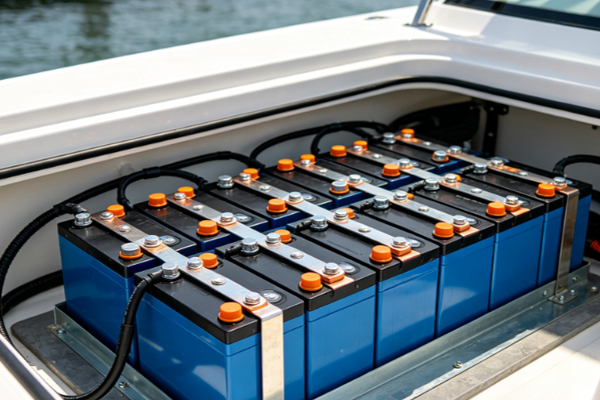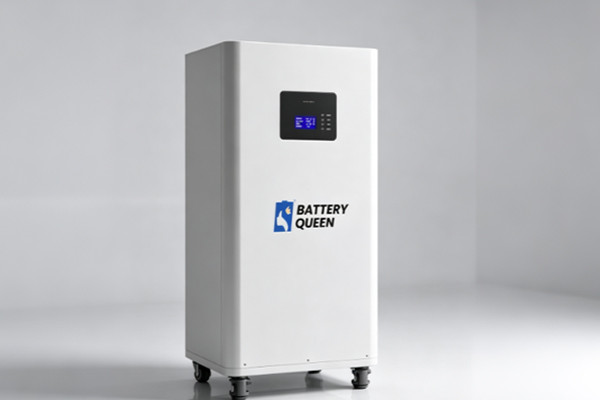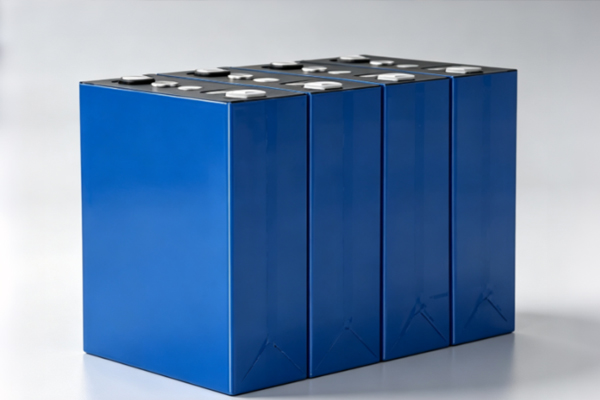
With the growing demand for household photovoltaics, backup power, and home electricity cost management, residential energy storage batteries have gradually evolved from simple “backup power supplies” into an important component of household energy systems. A suitable LiFePO4 battery pack needs to be designed based on factors such as the household’s daily electricity consumption, photovoltaic power generation, inverter parameters, installation location, and the amount of electricity the user wants to store. LiFePO4 batteries offer good safety, long cycle life, and stable operating performance, so they are widely used in residential energy storage, solar energy storage, backup power supplies, and off-grid power systems. In actual procurement, different households do not require the same capacity. Some households only need to support basic loads such as lighting, refrigerators, and network equipment after a power outage, while others want to store solar energy during the day for use at night. Some households also require larger battery capacities to support high-power equipment such as air conditioners, water pumps, and induction cookers. Therefore, battery voltage, capacity, cell specifications, number of batteries, BMS, enclosure structure, and communication methods all need to be determined according to the actual project.
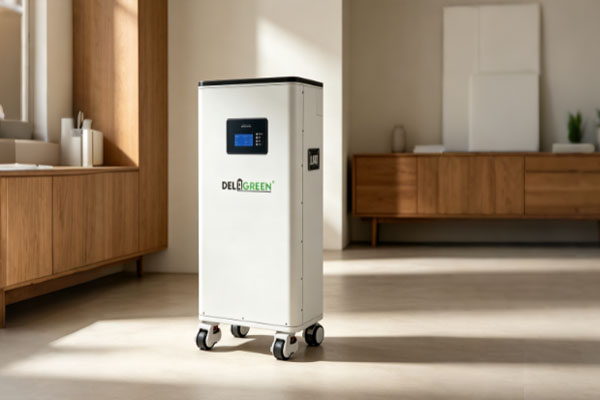
How to Determine the Configuration of a Residential Energy Storage Battery Pack
The design of a residential energy storage battery pack needs to start with the household’s actual electricity requirements. If the capacity is too small, the usage time during a power outage will be insufficient; if the capacity is too large, procurement costs and installation space will increase. Therefore, before customization, it is necessary to clearly understand “how much electricity is used every day” and “which equipment needs backup power.”
Select the Capacity Based on Household Electricity Consumption
The capacity range of residential energy storage systems can be flexibly designed according to the project scale. For example, small residential energy storage systems can start from several kWh, medium-sized households can use battery systems of around 10kWh, while larger residences can increase energy storage capacity by connecting multiple battery packs in parallel. The actual capacity should not be determined solely by the size of the house, but should be calculated based on the household’s daily electricity consumption and the amount of electricity it hopes to store. For example, if a household needs approximately 6kWh of electricity at night and wants to store electricity generated by solar panels during the day for use at night, an available energy storage capacity of around 6kWh can be used as the starting point for the design. If backup power during power outages is also required, additional capacity needs to be reserved.
Which Residential Energy Storage Scenarios Are Suitable for the 51.2V Platform
At present, 48V-class battery platforms are relatively common in residential energy storage projects, and LiFePO4 battery packs typically use 51.2V as the nominal voltage. For example, connecting sixteen 3.2V LiFePO4 cells in series can form a battery pack of approximately 51.2V. This voltage platform can be used for residential solar energy storage, backup power supplies, off-grid systems, and some hybrid inverter systems. The specific Ah capacity needs to be determined according to the required storage time and load size.
| Battery Pack SpecificationTheoretical Energy Storage CapacityCommon Application Scenarios | ||
| 25.6V 100Ah | 2.56kWh | Small energy storage, backup power supply |
| 51.2V 50Ah | 2.56kWh | Small residential energy storage |
| 51.2V 100Ah | 5.12kWh | Residential solar energy, backup power supply |
| 51.2V 200Ah | 10.24kWh | Medium-sized residential energy storage |
| 51.2V 280Ah | 14.34kWh | Larger-capacity residential energy storage |
| Multiple 51.2V batteries in parallel | Expandable | Large-capacity residential energy storage |
Battery specifications for different projects do not necessarily need to be manufactured exactly according to the standard capacities listed in the table. If the customer has already determined the inverter and installation space, the capacity and number of batteries can be redesigned according to actual requirements.
Select the Voltage and Inverter
The battery pack and inverter need to work together properly. Simply seeing “51.2V” does not mean that the two can necessarily be used directly together. Before customization, it is necessary to confirm the inverter’s battery voltage range, maximum charging current, maximum discharging current, and communication requirements. If the inverter needs to read battery information through CAN or RS485, the communication protocol of the BMS also needs to be confirmed in advance. Therefore, when requesting a quotation, if the customer can provide the inverter brand, model, and technical parameters, the engineering team can more accurately determine what configuration the battery pack should use.
What Needs to Be Designed When Customizing a LiFePO4 Battery Pack
The factors that truly determine the quality of a residential energy storage battery pack are not limited to the cells. The cells, connection method, BMS, structural components, wiring harness, and enclosure together form a complete battery pack. These details need to be determined in advance during a customization project to avoid discovering installation or communication problems at a later stage.
Cell Selection Determines the Basic Performance of the Battery Pack
LiFePO4 cells are the core components of the entire battery pack. Even with the same voltage and capacity, cells of different quality may result in different operating performance. Therefore, batch projects should pay attention to cell sources, consistency, and testing during the production process. According to project requirements, LiFePO4 cells with different capacity specifications can be selected and then connected in series and parallel to form the required battery pack. For example, a 51.2V battery pack can generally adopt a 16-series structure and then be configured with the corresponding number of parallel cells according to capacity requirements. For residential energy storage products, cell consistency also needs to be considered. If there are significant differences between individual cells, the capacity difference may increase after long-term use, which can lead to unbalanced charging and discharging. Therefore, cell testing and matching are required during production.
The BMS Helps the Battery Pack Operate More Stably
The BMS monitors the battery’s voltage, current, temperature, and other operating conditions, and provides protection when abnormal conditions occur. Residential energy storage batteries are typically connected to inverters for long-term operation, so high stability is required from the BMS. In addition to basic protection functions, communication functions can also be added according to project requirements, allowing the inverter to read the battery’s power level, status, and relevant operating information.
| Customization Items Can Be Adjusted According to Requirements | |
| Battery voltage | 12V, 24V, 48V/51.2V and project-specific customization |
| Battery capacity | Determined according to load and energy storage time |
| BMS | Selected according to the number of battery strings and current |
| Communication method | CAN, RS485, etc. |
| Enclosure | Wall-mounted, rack-mounted, floor-standing, etc. |
| Interfaces | Power interfaces, communication interfaces, etc. |
| Branding | LOGO, labels, nameplates |
| Packaging | Color boxes, cartons, customized packaging, etc. |
The Enclosure and Installation Method Also Need to Be Customized
Residential energy storage batteries are not installed in the same location for every project. Some households install them on walls, some place them in garages, storage rooms, or equipment rooms, while other projects use rack-mounted installation. Therefore, the battery enclosure should not focus solely on appearance, but also consider the installation method, dimensions, weight, and ease of maintenance. For brand customers, LOGOs, colors, labels, and packaging can be designed according to their own product series, allowing the battery products to form a unified brand image with existing inverters or solar energy products. If the customer already has their own enclosure design, structural drawings can be provided for evaluation. If the customer only has product dimensions, capacity, and installation requirements, the engineering team can provide customized recommendations according to the project requirements.
How to Control Quality from Samples to Mass Production
Residential energy storage battery packs are products designed for long-term use. Batch procurement should not focus only on quotations, but should also comprehensively consider cell quality, BMS protection functions, communication protocols, enclosure structure, installation methods, and after-sales service. A complete customization process should begin with requirements confirmation, clearly defining voltage, capacity, inverter model, application scenario, and purchase quantity, followed by solution design, sample production, performance testing, customer confirmation, and mass production. This helps ensure that the product meets project requirements in terms of safety, stability, and compatibility, thereby reducing subsequent rework and delivery risks.
Develop a Solution Based on Project Information
Customers can provide basic information such as battery capacity, voltage, inverter model, installation method, target market, and estimated purchase quantity. If complete technical parameters are not yet available, customers can also describe the intended application scenario, such as “5kW residential solar backup,” “10kWh residential energy storage,” or “wall-mounted solar battery.” Based on this information, the engineering team can further determine the battery structure, BMS configuration, interface method, and enclosure dimensions.
Proceed to Mass Production After Sample Confirmation
For OEM/ODM projects, samples can be produced first. Samples are mainly used to confirm battery dimensions, installation methods, interface locations, communication functions, product appearance, and actual operating conditions. If the customer needs the battery to work with a specified inverter, communication testing can also be performed during the sample stage. After confirming that there are no problems, the final version can be determined and mass production can begin. Referring to common OEM/ODM processes in the residential energy storage industry, other manufacturers typically also treat requirement communication, solution design, sample confirmation, mass production, and pre-shipment inspection as major stages. However, the actual production steps should be determined according to project complexity and order volume.
Conduct Multiple Inspections After Production
Before the battery pack is shipped, necessary inspections need to be conducted, including appearance, connections, protection functions, charging and discharging status, and relevant parameter checks. For export products, corresponding transportation and compliance documents also need to be prepared according to the target country and specific model. We can provide applicable access certificates, transportation test summaries, safety data sheets, and compliance reports according to the specific product. The required documents are not exactly the same for different countries, product models, and transportation methods, so it is recommended to confirm the target market at the beginning of the project so that the required documents can be prepared in advance.
How Customized Residential Energy Storage Batteries Serve Different Customers
Although they are all LiFePO4 residential energy storage batteries, different customers focus on different aspects. Household users focus on operating time and ease of installation, distributors focus on product stability and price, installers are more concerned with inverter compatibility, while brand owners pay more attention to appearance, packaging, documentation, and long-term supply.
Solar Installers
Solar installers typically need batteries to operate together with photovoltaic systems and inverters, so battery voltage, capacity, and communication methods need to be confirmed in advance. If installers have multiple projects, a standardized battery platform can be adopted, and the number of batteries can then be increased according to the requirements of different households, thereby reducing project design and procurement difficulties.
Distributors and Brand Owners
For customers preparing to sell energy storage products under their own brands, products can be customized according to the target market, including battery pack specifications, enclosures, LOGOs, nameplates, packaging, and instruction materials. If the customer already has a mature product and only needs to replace the branding and packaging, OEM can be used. If the customer only has product application requirements and needs to redefine the product configuration, appearance, and functions, ODM can be further adopted. Energy storage OEM/ODM services from other manufacturers typically also cover capacity, voltage, BMS, communication, enclosure, branding, and packaging, so these have become relatively common procurement requirements in energy storage product customization.
Residential Energy Storage Projects
For larger-capacity residential projects, the system can be expanded by increasing the number of battery packs. For example, a single 51.2V 100Ah battery has a theoretical capacity of approximately 5.12kWh, while two batteries have a capacity of approximately 10.24kWh. Whether they can be connected in parallel and how many battery packs can be supported at most need to be confirmed according to the battery model, BMS, and system design. This expandable design allows users to avoid purchasing a very large battery capacity from the beginning. If household electricity demand increases in the future, energy storage capacity can also be increased according to the conditions permitted by the system.
Frequently Asked Questions
Q: Is a 51.2V 100Ah battery sufficient for residential energy storage?
A: A 51.2V 100Ah battery has a theoretical capacity of approximately 5.12kWh. Whether this is sufficient depends on how much electricity is used each day and which devices need to be supported during a power outage. If it is only used for basic equipment such as refrigerators, lighting, and routers, a 5kWh-class battery may already meet backup requirements for a certain period of time. If equipment such as air conditioners and electric water heaters also needs to be powered, the capacity and discharge power need to be recalculated.
Q: Can you customize a battery according to my inverter?
A: Yes. It is recommended to provide the inverter brand, specific model, and communication requirements. We can confirm the solution according to the battery voltage range, charging and discharging current, and CAN/RS485 requirements.
Q: Can I use my own brand?
A: OEM/ODM services are available. LOGOs, labels, appearance, packaging, and other elements can be customized according to project requirements. The specific customization options and minimum order quantity need to be confirmed according to the product model.
Q: Can LiFePO4 batteries be used for residential energy storage for a long time?
A: LiFePO4 batteries are suitable for energy storage applications involving repeated charging and discharging. Actual service life is affected by factors such as depth of discharge, temperature, usage frequency, BMS management, and battery quality. Therefore, actual service life cannot be determined solely based on a theoretical cycle count.
Q: What documents are required for export?
A: This needs to be determined according to the product model, target country, and transportation method. We can provide applicable access certificates, transportation test summaries, safety data sheets, and relevant compliance documents. The specific documents should be confirmed with the team before placing an order.
Professional LiFePO4 Battery Manufacturer
We specialize in the R&D, production, and sales of LiFePO4 battery cells, battery packs, battery management systems (BMS), and energy storage systems, providing one-stop OEM/ODM services to customers worldwide. From individual cells and battery packs to DIY battery boxes, BMS accessories, and expandable energy storage systems, product planning can be carried out according to project requirements. We place great importance on product quality control and provide corresponding product documentation and compliance support according to different markets and applications. If you are looking for a residential energy storage battery supplier, whether you already have complete specifications or only have the required capacity, inverter model, and application scenario, you can tell our team your requirements. We can assist in confirming the suitable battery configuration, BMS solution, enclosure type, and delivery method. We provide global buyers with reliable LiFePO4 batteries, battery packs, DIY battery boxes, BMS accessories, and expandable energy storage solutions.
WhatsApp: +86 15074995718
Email: info@deligreen.net
Let Us Build a Greener Residential Energy Solution Together
If you need customized 51.2V residential energy storage batteries, solar energy storage battery packs, wall-mounted batteries, rack-mounted batteries, or other LiFePO4 energy storage products, you can contact us directly. Provide your target capacity, inverter model, application scenario, purchase quantity, and sales market, and our team can further confirm the product solution based on your requirements.