A power outage in a barn is not just about losing a few lights. Ventilation fans, water systems, automatic feeders, environmental monitoring equipment, and security devices may all be affected at the same time. The situation can become even more difficult when an outage happens at night or during severe weather. A reliable barn backup battery solution gives farms an additional power source for critical equipment, helping maintain essential operations when grid power suddenly fails.
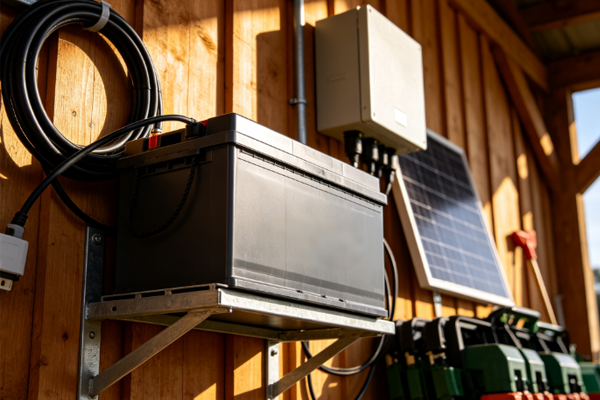
Why Does a Barn Need a Backup Battery?
Farm power systems are different from those used in ordinary commercial buildings. Many barn devices need to operate continuously, and even a short interruption can create operational problems. If the power stays off for several hours, the impact can become much more serious.
A dedicated backup battery can help farms deal with several common situations:
- Unexpected power outages: Provide backup power when the grid goes down.
- Nighttime outages: Reduce the need for workers to travel to the barn immediately.
- Severe weather: Provide an additional power source during storms, strong winds, or heavy snow.
- Remote farm locations: Help reduce the impact of long grid restoration times.
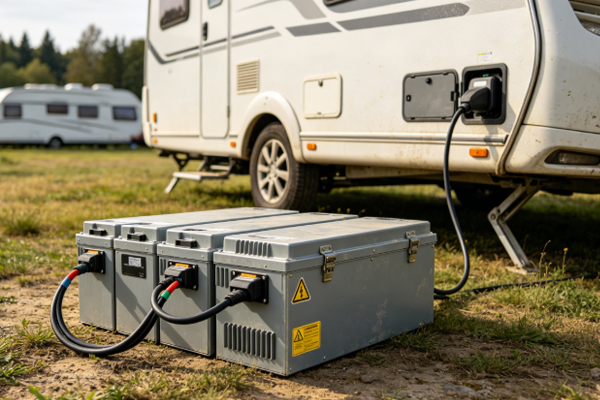
Unlike temporary portable generators, a battery energy storage system can be connected to a dedicated backup circuit and remain ready for use. The goal is not to keep every piece of equipment running during an outage, but to protect the systems that matter most.
Which Barn Equipment Needs Backup Power?
A modern barn may contain many electrical devices, but not all of them have the same priority during a power failure. Separating critical loads from non-essential equipment can make the backup system more practical and cost-effective.
Which Equipment Should Be Treated as Critical Loads?
The exact equipment varies from farm to farm, but these systems are commonly considered for backup power:
- Ventilation fans
- Automatic water supply systems
- Automatic feeding equipment
- Temperature and humidity monitoring systems
- Security cameras and alarm systems
- Emergency lighting
- Communication and remote-control equipment
These devices have one thing in common: they are difficult to replace with manual operation for an extended period of time.
For instance, monitoring equipment may have a relatively low power demand, but it allows farm managers to see what is happening inside the barn. Ventilation and water systems may require more power, but their operation can be critical to daily farm management.
How Should Backup Power Be Prioritized?
If a farm does not need to back up the entire barn, loads can be divided into different priority levels:
- Priority 1: Monitoring, alarms, communication, and other continuous-use systems
- Priority 2: Ventilation, water supply, and automatic feeding equipment
- Priority 3: Essential lighting and non-critical control equipment
- Non-backup loads: Equipment that can be temporarily switched off
This approach helps direct stored energy toward the most important equipment. It can also extend the available backup time without simply increasing the battery size.
What Operating Conditions Should a Barn Backup Battery Handle?
Barns are not always clean indoor equipment rooms. Battery systems may be installed near livestock areas, storage spaces, or utility rooms where dust, moisture, temperature changes, and other environmental conditions are common.
| Operating Environment | Potential Issue | Key Consideration |
| Hot climates | Higher thermal load | Operating temperature and heat dissipation |
| Cold climates | Charging and discharge limitations | Low-temperature operating conditions |
| Humid areas | Moisture and condensation | Installation location and enclosure protection |
| Dusty areas | Dust accumulation | Protection and regular cleaning |
| Semi-outdoor locations | Sun and rain exposure | Shade, weather protection, and mounting |
The battery should not be installed directly on a surface that is prone to flooding or standing water. Direct and prolonged exposure to sunlight should also be avoided where possible. Leaving enough space around the battery makes inspection, cable checks, and routine maintenance much easier.
Does the Backup Requirement Change Between Summer and Winter?
Yes. Seasonal farm operations can create very different power demands.
During hot weather, ventilation and cooling equipment may run for longer periods. In winter, farms may have additional requirements related to low temperatures, water supply, heating, and lighting.
Farm operators can review seasonal requirements before selecting a backup system:
- Summer: Pay close attention to ventilation, cooling, and water systems.
- Winter: Consider low temperatures, water supply, and heating requirements.
- Rainy seasons: Prepare for extended cloudy weather and possible grid interruptions.
- Nighttime: Prioritize monitoring, lighting, and essential equipment.
Looking at the entire operating year gives the battery solution a more realistic starting point than designing everything around a single operating condition.
How Can a Barn Backup Battery Solution Be Made More Practical?
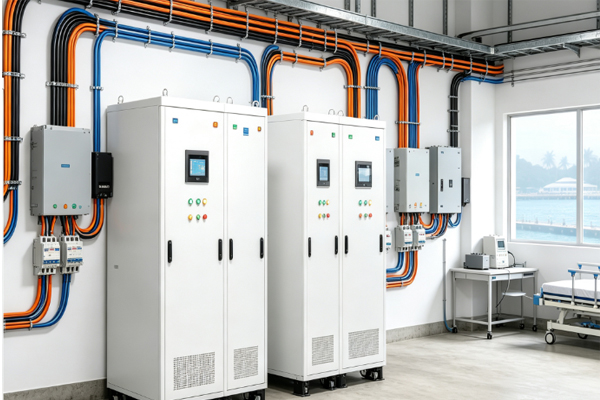
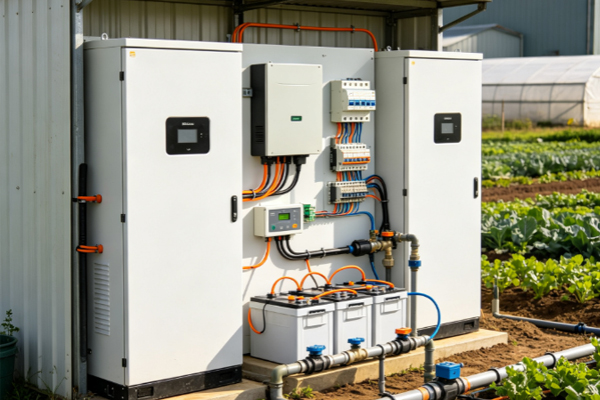
A backup battery is only one part of the system. A complete solution may also include an inverter, distribution equipment, dedicated backup circuits, and appropriate installation space. Good system planning makes the transition to backup power much easier when grid electricity fails.
How Should a Backup Battery Connect to the Barn Power System?
A practical approach is to place critical equipment on dedicated backup circuits. The battery system then supplies these selected loads rather than trying to power every device in the barn.
- Create dedicated circuits for critical equipment
- Allow sufficient capacity for motor starting loads
- Separate backup loads from non-essential loads
- Reserve space for inverter and battery maintenance
- Plan the automatic transfer process in advance
When grid power is available, equipment can continue operating normally. When a power failure occurs, the backup system can take over the pre-selected loads without requiring workers to manually connect temporary power equipment.
For larger farms, different barns or operating areas can also be assigned to separate power zones. This can prevent all loads from being concentrated on one backup system.
How Can Farm Battery Storage Support Future Expansion?
Farm operations often grow over time. A new barn, additional ventilation equipment, automated feeding systems, lighting, refrigeration, or control equipment can all increase electricity demand.
Planning for expansion at the beginning can make future upgrades much easier:
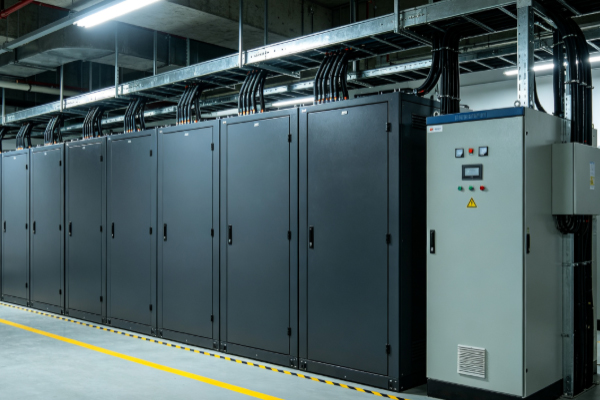
- Reserve space for additional battery modules
- Leave room for inverter upgrades
- Plan sufficient distribution capacity
- Prepare additional circuits for new barns
- Reserve battery communication and monitoring interfaces
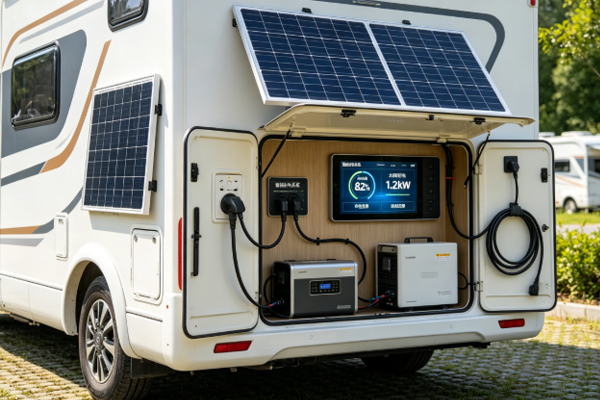
If the farm plans to add solar power later, farm battery storage can also become part of the wider energy system instead of serving only as an emergency backup.
A barn backup battery solution is not simply about installing a battery and waiting for the next outage. The real value comes from protecting the equipment that a farm cannot afford to lose during an unexpected power interruption. Ventilation, water supply, feeding systems, monitoring, and communication equipment can all be prioritized within the backup system. For farms building new barns, upgrading existing facilities, or planning farm battery storage, the system should be designed around actual equipment, local climate, installation conditions, and future expansion. A LiFePO4 battery combined with suitable power conversion and distribution equipment can provide a flexible foundation for a practical barn backup power system.