When battery voltage suddenly rises, many people immediately worry that the battery is failing. There is no need to panic every time the voltage increases. Battery voltage naturally changes during charging, especially when the battery is close to full. What really matters is whether the voltage exceeds the battery’s specified range and whether the problem happens repeatedly. For LiFePO4 batteries used in solar energy storage and home backup systems, abnormal battery voltage can cause frequent protection shutdowns and affect long-term battery performance. Finding out why the voltage is rising makes troubleshooting much easier.
What Happens When Battery Voltage Is Too High?
When battery voltage goes beyond the range supported by the equipment, the system may start showing warnings or stop working. Modern energy storage equipment usually has built-in protection functions. When abnormal voltage is detected, the system may limit charging or disconnect the output to protect the battery and connected equipment.
- The inverter may display an overvoltage warning and stop operating in serious cases.
- The charger may reduce the charging current or stop charging completely.
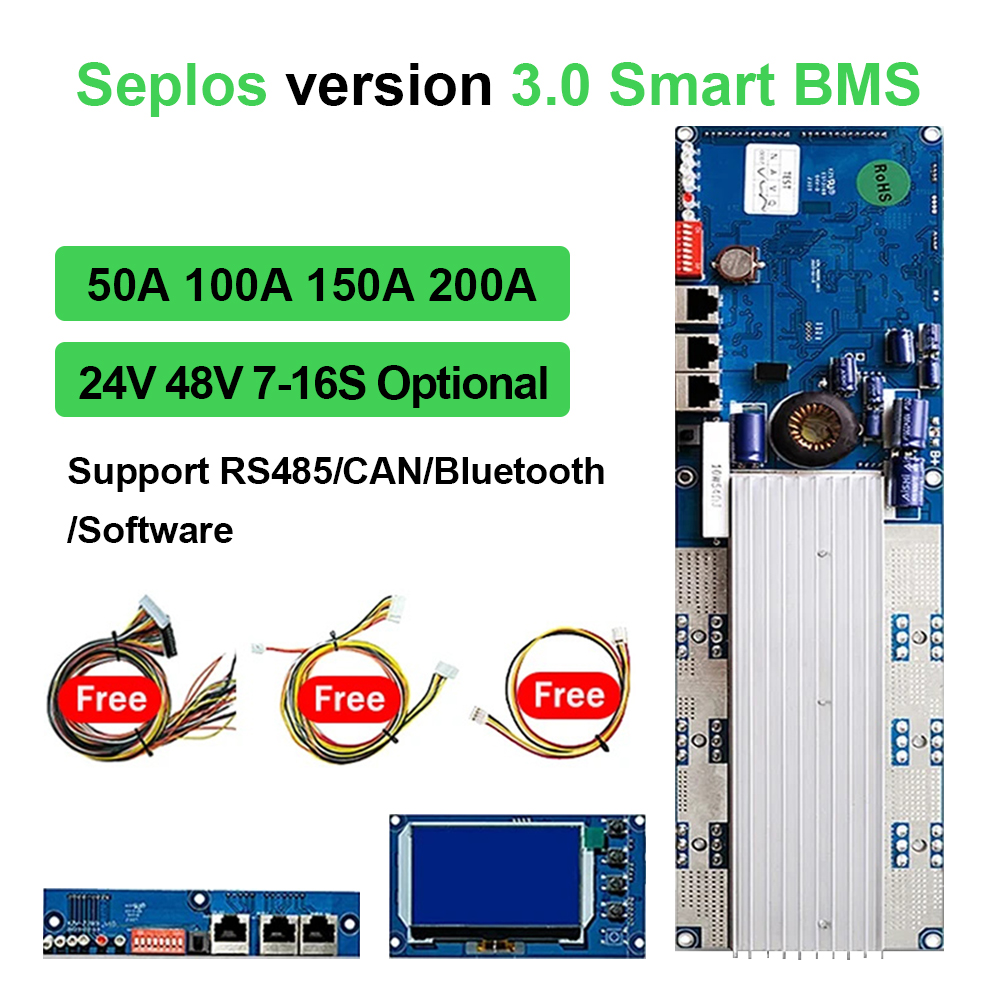
- The BMS may activate overvoltage protection and temporarily disconnect the charging circuit.
- Some electrical devices may not tolerate input voltage above their rated range.
If the voltage rises near the end of the charging process, this is usually normal. The terminal voltage of a LiFePO4 battery naturally increases as it approaches a full charge. The situation deserves more attention when the voltage stays too high or the system repeatedly triggers protection. If this happens every time the battery is charged, the charging equipment and battery settings should be checked.
What Causes Battery Voltage to Rise?
There is more than one reason why battery voltage may suddenly increase. Sometimes it is simply part of the normal charging process. In other cases, the charger settings may be incorrect, or the condition of the battery cells may have changed. Looking at what the battery was doing when the voltage increased can help identify the cause.
- The charger output voltage may be set too high.
- The battery may be close to full charge and entering the final charging stage.
- Some cells may reach a high voltage earlier than the others.
- Abnormal battery temperature may affect charging and discharging behavior.
- The BMS or voltage sensing circuit may have a problem.
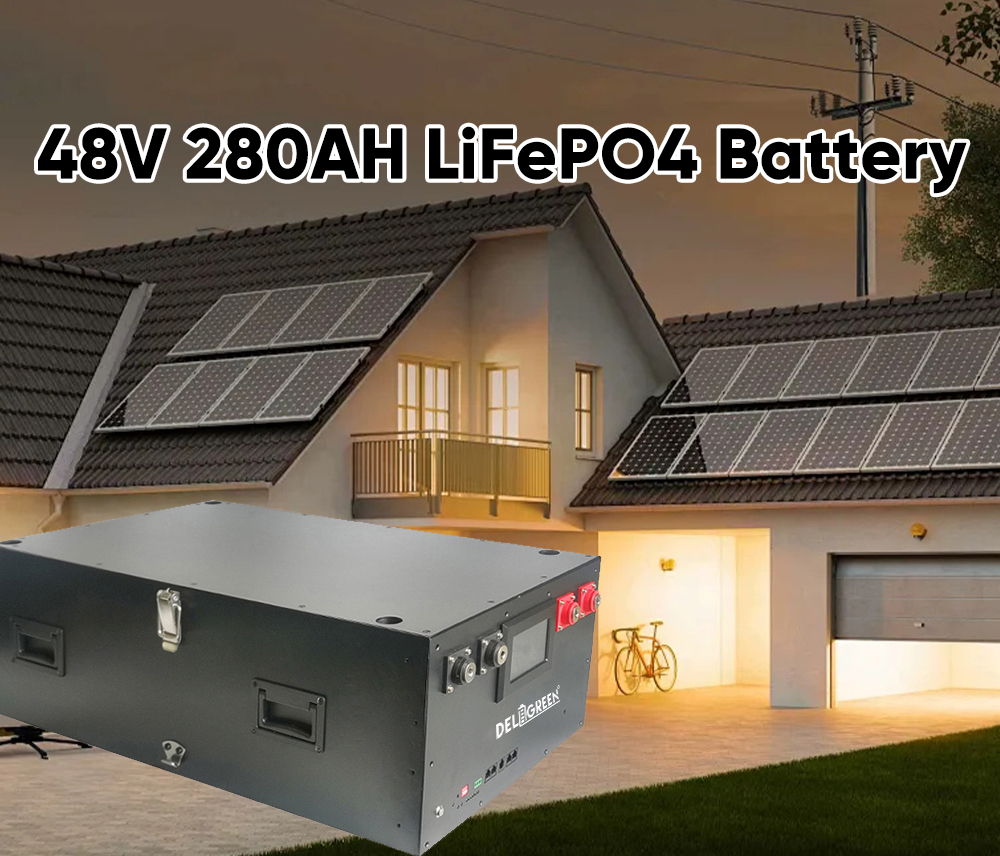
Battery chemistry also matters here. LiFePO4 and lead-acid batteries do not use the same charging voltage standards, so one type should not be judged using the voltage range of another. A common 51.2V LiFePO4 battery typically uses a 16-series cell configuration, and its actual voltage when fully charged will be higher than the nominal 51.2V. Simply seeing a voltage above 51.2V does not automatically mean the battery is faulty. The specified maximum charging voltage should be checked first.
Can Excessive Battery Voltage Affect Battery Life?
Long-term operation above the battery’s designed voltage range is not good for the cells. During normal charging, battery voltage gradually increases. Once the charging voltage reaches the specified limit, the charging system controls the process accordingly. This is part of normal operation. If the charger continues pushing the voltage beyond the proper range, the cells can experience additional stress. Over time, this may lead to reduced capacity and faster performance degradation. LiFePO4 batteries generally have a long cycle life, but they still need to operate within an appropriate voltage range. If the battery frequently triggers overvoltage protection or remains at an unusually high voltage after charging, check the charger settings, cell condition, and BMS instead of simply increasing the charging voltage further.
What Should You Check When Battery Voltage Is Too High?
If battery voltage appears abnormal, do not immediately open the battery pack. A 48V or 51.2V energy storage battery contains multiple cells and a BMS protection system, so changing internal components or settings without the right knowledge can create additional problems. For basic troubleshooting, start with the external equipment and the voltage reading.
- Check whether the battery is charging, discharging, or resting.
- Use a reliable multimeter to measure the battery terminal voltage again.
- Check the output settings of the charger or inverter.
- Check the BMS for overvoltage, temperature, or cell warnings.
If the multimeter reading is significantly different from the voltage shown by the system, inspect the wiring, voltage sensing cables, and measuring equipment. If one cell group has a noticeably higher voltage than the others, or the system repeatedly triggers overvoltage protection, professional inspection is recommended. Do not disable the BMS protection simply to keep the equipment running.
How Can You Reduce Battery Voltage Problems?
Battery voltage issues can sometimes be prevented through proper system setup and daily use. Home energy storage batteries are charged and discharged regularly, so correct charging parameters and a suitable operating environment can make a big difference.
- Use a charger and inverter that match the battery type.
- Set the charging voltage according to the battery manufacturer’s specifications.
- Avoid exposing the battery to high temperatures for extended periods.
For solar energy storage systems, inverter and battery compatibility should also be checked carefully. LiFePO4 batteries with different voltage ratings have different charging requirements. When purchasing a 48V or 51.2V battery, confirm that the inverter supports the battery’s voltage range before installation. This simple check can prevent many problems later.
A higher battery voltage does not automatically mean better battery performance. What matters is whether the voltage stays within the battery’s normal operating range. A temporary voltage increase during charging is usually normal, while continuously high voltage or repeated overvoltage protection requires further inspection. For solar energy storage and home backup systems, choosing a properly matched LiFePO4 battery and using the correct charging settings can help maintain stable operation and reduce maintenance problems over time.