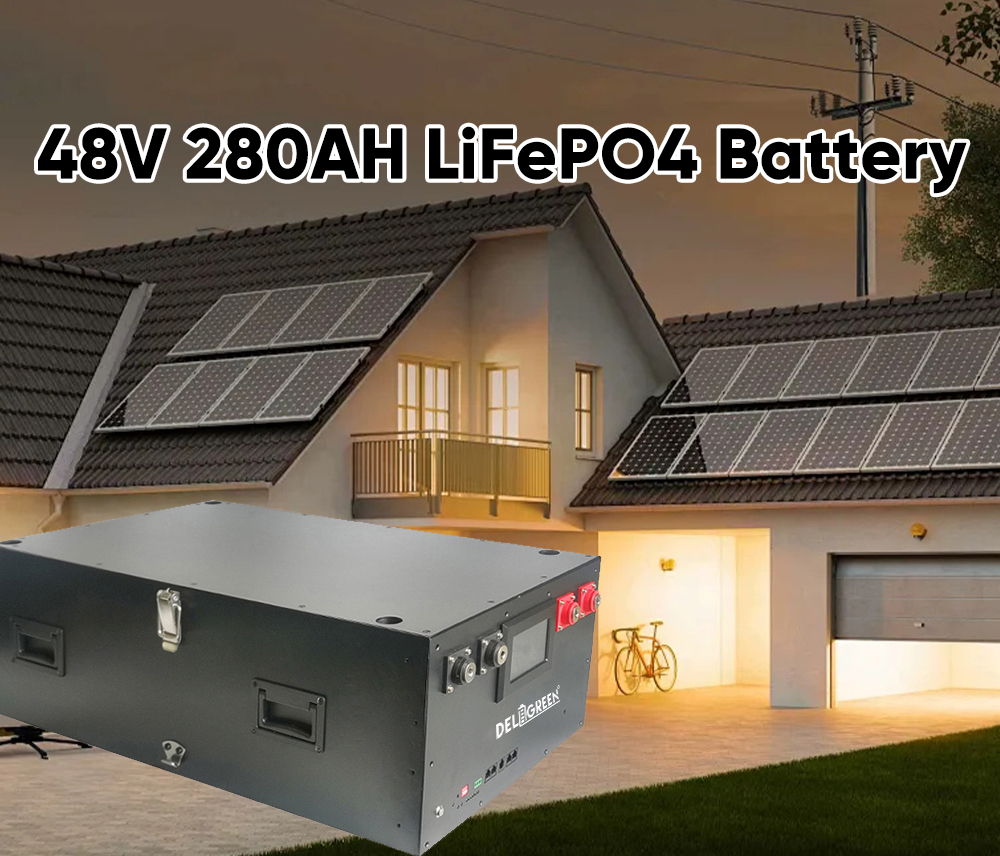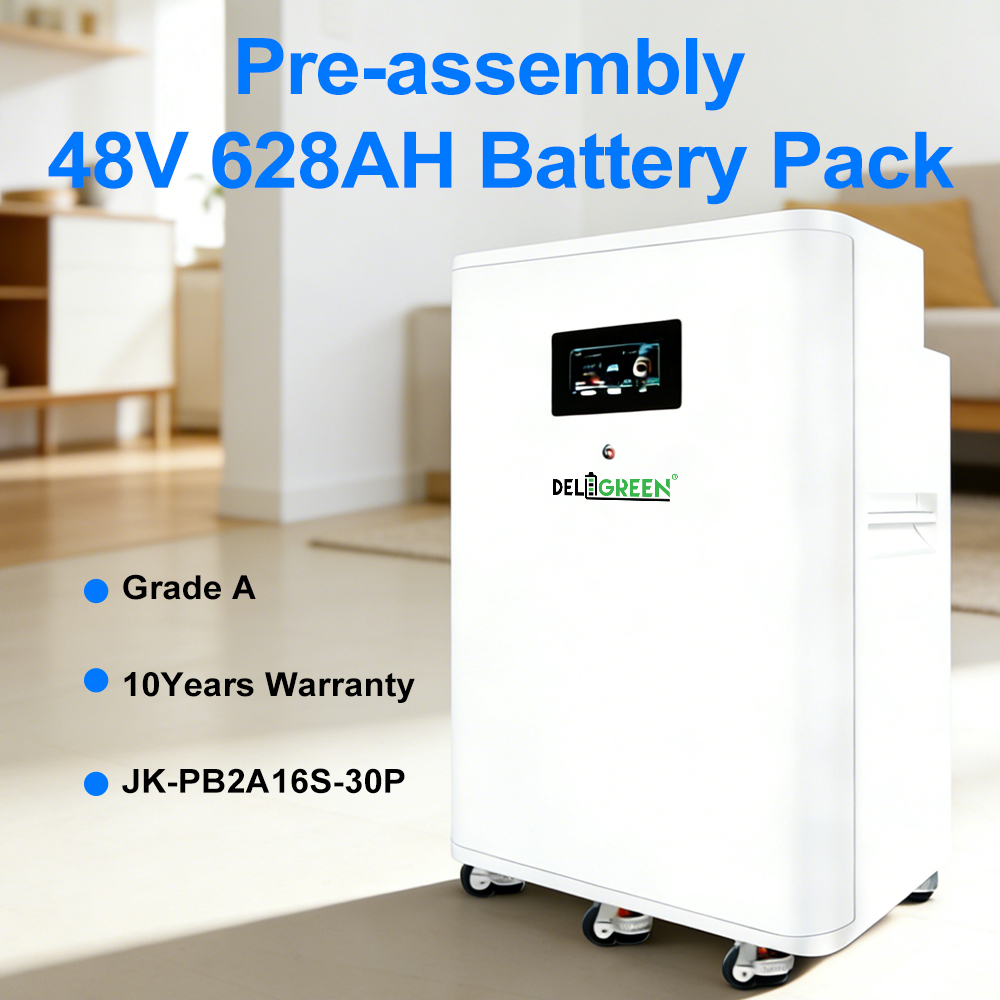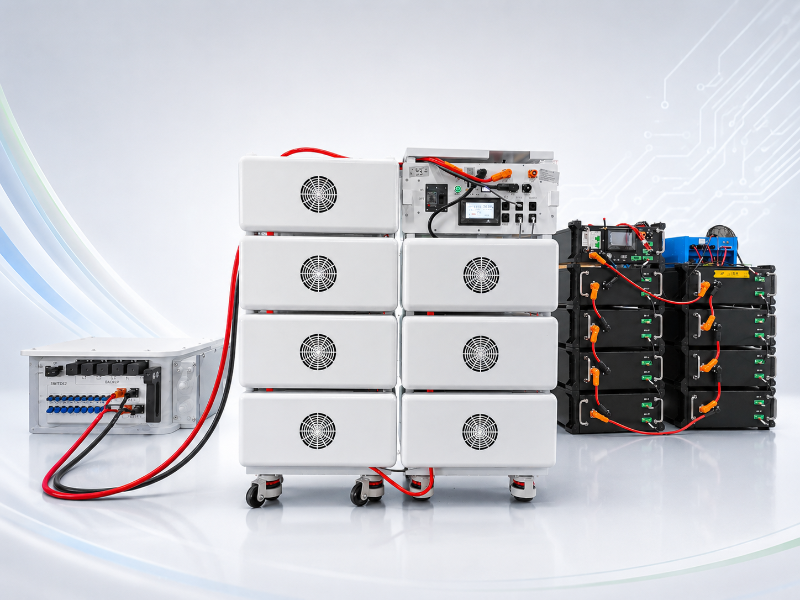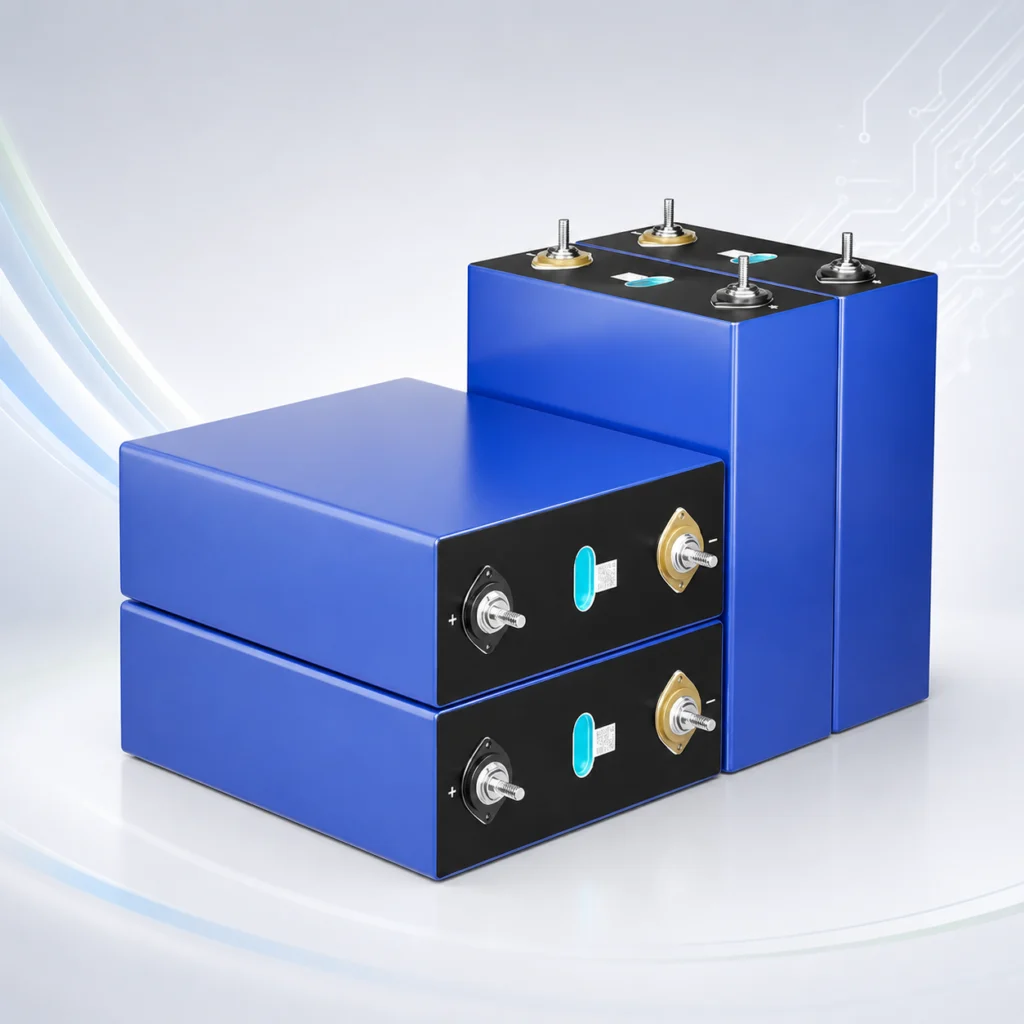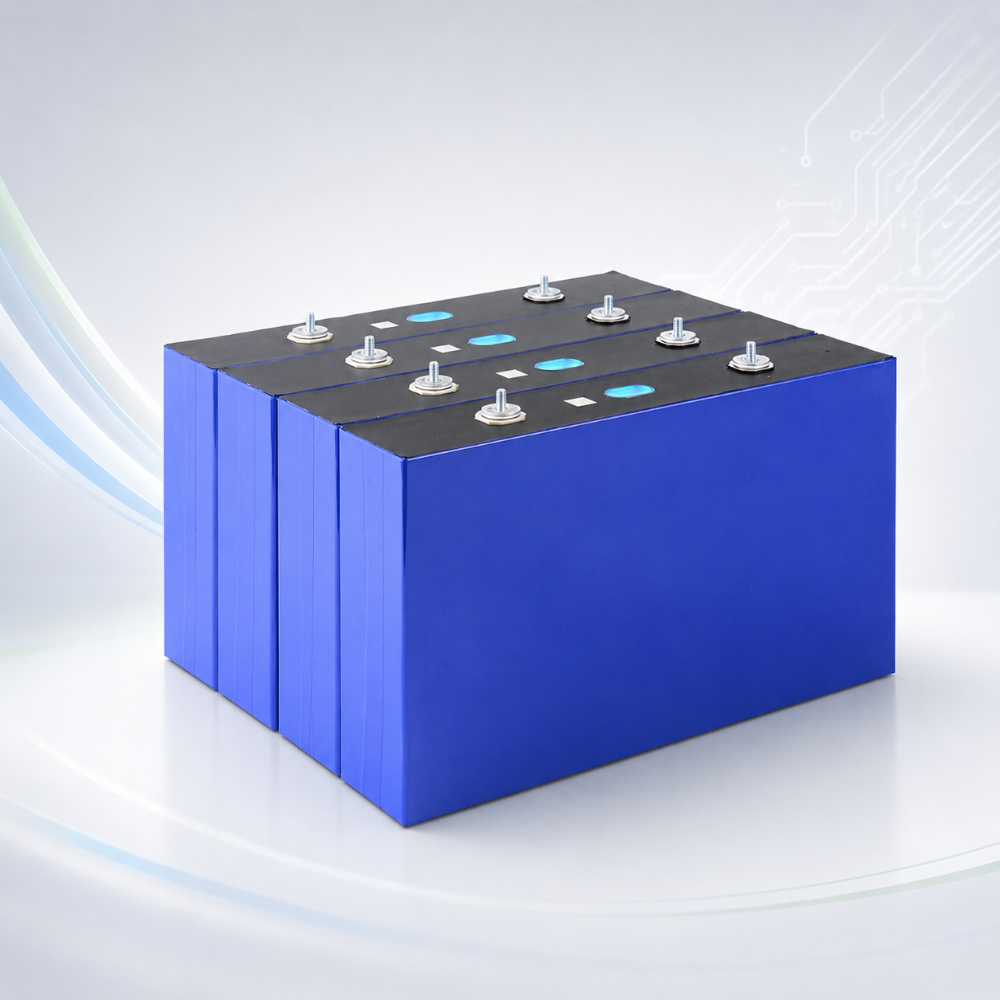
As residential solar power, electric vehicles, and distributed energy equipment become increasingly popular, home energy storage batteries are being adopted by more households. For homes with photovoltaic systems, not all electricity generated during the day can be consumed immediately. Surplus electricity can be stored in a home energy storage battery and used at night or when solar generation is insufficient. Home energy storage batteries using LiFePO4 cells offer good cycle performance and thermal stability. Combined with a Battery Management System (BMS), they can support long-term charging and discharging. Home energy storage is not limited to households with high electricity consumption. Homes with solar systems, time-of-use electricity pricing, frequent power outages, backup power requirements, or a desire to increase solar self-consumption can all benefit from energy storage when properly configured. Battery capacity and charging and discharging power should be selected according to daily electricity consumption, photovoltaic capacity, critical load power, required backup duration, and installation conditions.
Homes With Solar PV Systems Are Well Suited to Energy Storage
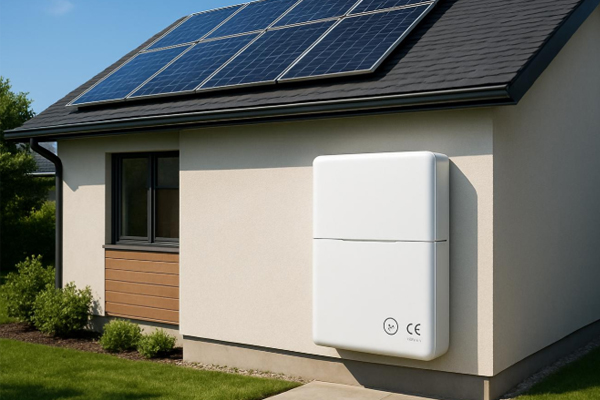
Homes with rooftop solar systems are particularly suitable for home energy storage batteries. Solar generation usually peaks during the daytime, while household electricity demand may increase in the morning and evening. This difference between generation and consumption can result in some solar electricity being unused immediately. With an energy storage battery, surplus electricity generated during the day can be stored and later used to power lighting, air conditioners, refrigerators, televisions, and other household appliances at night. For households seeking to increase solar self-consumption, energy storage can reduce the amount of surplus solar electricity exported directly to the grid. LiFePO4 batteries can also work with hybrid inverters to automatically adjust charging and discharging according to solar generation, household loads, and battery SOC. For homes that already have photovoltaic systems, battery voltage, capacity, maximum charging and discharging power, and BMS communication protocols should be compatible with the inverter to ensure stable operation of the complete solar-plus-storage system.
Homes With High Electricity Consumption Can Benefit From Energy Storage
Homes with relatively high daily electricity consumption can also benefit from energy storage batteries, especially those using air conditioners, electric water heaters, ovens, washing equipment, electric vehicle chargers, and other high-power appliances. Such households may experience high electricity demand during certain periods. If the local electricity tariff uses peak and off-peak pricing, the energy storage battery can be charged during lower-cost periods and discharged during higher-cost periods, reducing grid electricity purchases during expensive hours. If the home also has a photovoltaic system, the battery can store solar electricity generated during the day for use during periods of higher nighttime demand. Battery capacity should not be determined simply by the size of the house. Instead, it should be based on actual household electricity consumption and the power requirements of major appliances. For example, households that need to cover nighttime loads for longer periods require more usable battery capacity, while households mainly seeking backup power for refrigerators, lighting, and networking equipment may need a smaller battery. Proper sizing helps prevent insufficient backup capacity while avoiding unnecessary investment in an oversized battery system.
Homes With Frequent Power Outages or Backup Power Needs Are Suitable
For households located in areas with less reliable grid electricity, frequent severe weather, or high requirements for continuous power, home energy storage batteries can serve as an important backup power source. When a power outage occurs, an energy storage system with backup output and automatic transfer capabilities can continue supplying electricity to critical loads under suitable conditions. Backup requirements vary between households. Critical circuits can include refrigerators, lighting, networking equipment, security systems, computers, and other important appliances.
- Suitable for Protecting Essential Household Loads:A home energy storage system can prioritize essential loads such as lighting, refrigerators, routers, security systems, and other critical equipment. Separating important appliances from high-power nonessential loads can help extend backup operating time during a power outage.
- Suitable for Short-Term Power Outages:If power outages in an area usually last for a relatively short period, an appropriately sized energy storage battery may be sufficient for temporary backup needs. The system can recharge after grid power is restored and prepare for future outages.
- Suitable for Homes With Multiple Critical Devices:Homes with network servers, medical support equipment, security systems, or other equipment that should not experience power interruptions may require greater backup capacity. The continuous output power of the inverter must also be sufficient for the connected loads.
When configuring backup energy storage, battery capacity, inverter power, backup circuits, and automatic transfer functions should all be considered to ensure that the system operates as expected during outages.
Homes With Electric Vehicles and Smart Energy Systems Can Also Benefit
Homes with electric vehicles often have higher overall electricity demand. Residential solar panels, energy storage batteries, and EV charging equipment can be integrated into a more complete home energy system. During the day, solar power can first supply household loads and then charge the energy storage battery with surplus electricity. If the charging equipment supports appropriate energy management strategies, EV charging can also be scheduled according to solar generation. For households seeking to reduce dependence on grid electricity, an energy storage battery can provide an effective energy buffer. Homes with many smart appliances can also use an energy management system to monitor real-time electricity consumption and adjust charging and discharging according to battery SOC, photovoltaic output, and household loads. Wall-mounted LiFePO4 batteries can reduce floor space requirements, making them suitable for homes with limited garage, equipment room, or storage space. When selecting an energy storage system, compatibility between the battery, inverter, photovoltaic panels, and household distribution system should be confirmed to avoid voltage range or communication protocol mismatches.
How Can You Determine Whether Your Home Is Suitable for Energy Storage?
A household’s suitability for energy storage can be evaluated based on daily electricity consumption, solar generation, backup requirements, electricity pricing, and installation conditions. If a home already has a photovoltaic system and generates significant surplus electricity during the day, an energy storage battery can provide practical value by storing that surplus energy. Homes with high nighttime electricity consumption can also use stored solar energy to cover evening loads. Households without solar panels but with time-of-use electricity pricing may use batteries to charge during lower-cost periods and discharge during higher-cost periods. Homes requiring backup power should focus on calculating the power requirements of critical appliances and the expected backup duration. Installation conditions should also be checked in advance, including wall load-bearing capacity, equipment room space, ambient temperature, ventilation, and electrical cable routing. Battery capacity can be selected according to daily electricity consumption and the desired backup duration while considering usable battery capacity, inverter efficiency, and system power limitations. When purchasing LiFePO4 home energy storage batteries, it is advisable to prioritize products with clear specifications, reliable BMS protection, stable cycle performance, expansion capabilities, and compatibility with mainstream inverters. Different households have different energy storage requirements, so selecting an appropriate battery capacity and power rating is more important than simply choosing the largest available battery. If a household has surplus solar energy, time-of-use electricity management needs, backup power requirements, or electric vehicle charging demands, a home energy storage battery can provide practical value by delivering more flexible electricity storage and household energy management.