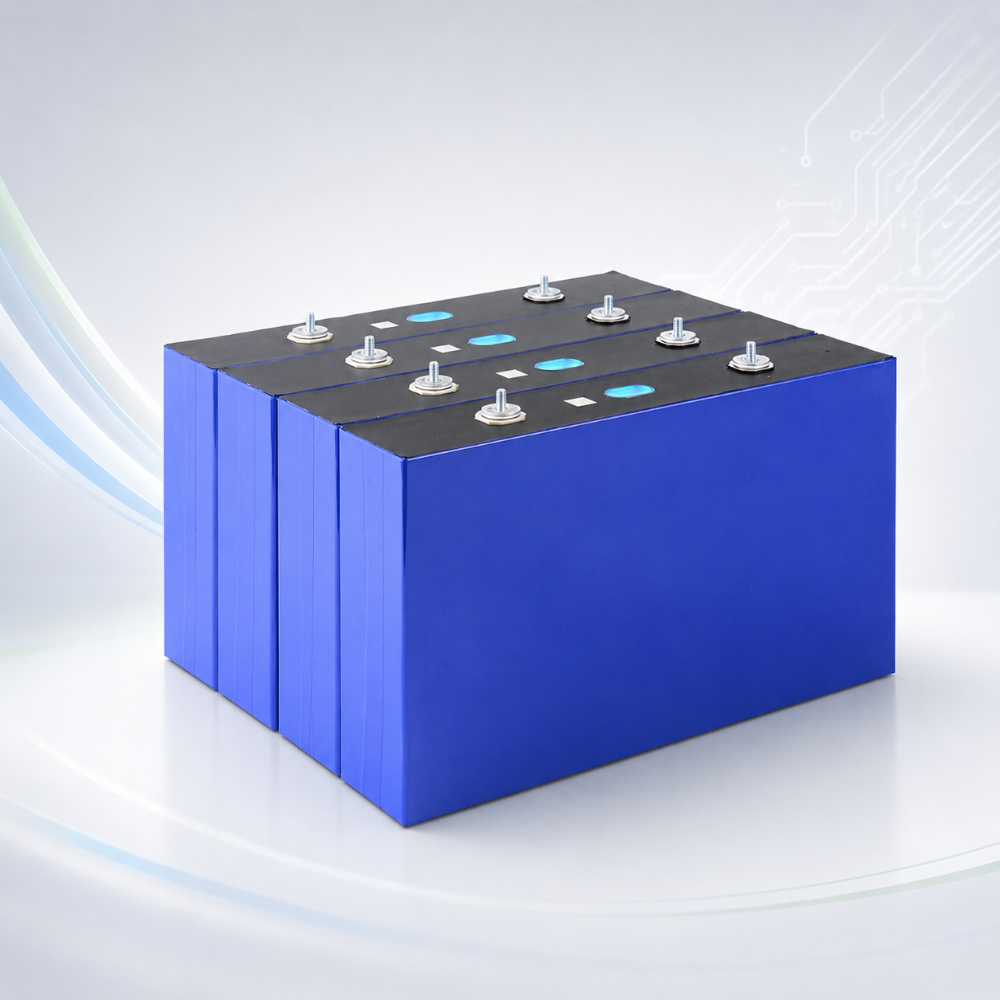
Battery packs continuously generate heat during charging, discharging, and high-load operation. If the heat cannot be removed in time, the temperature may continue to rise, resulting in reduced capacity, shortened service life, and unstable performance. In severe cases, it may even affect the safety of equipment and personnel. Whether used in energy storage systems, communication backup power supplies, low-speed vehicles, or industrial equipment, heat dissipation design directly affects whether a battery pack can operate reliably. Understanding why battery packs need heat dissipation helps users evaluate product quality and enables companies to optimize structural design, BMS, and thermal management solutions.
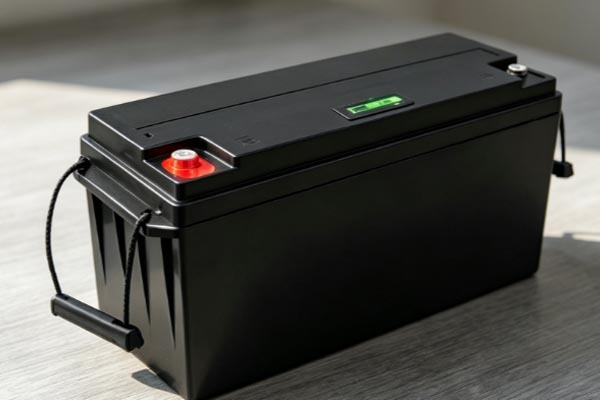
Why Do Battery Packs Generate Heat During Operation?
Heat generation in a battery pack does not necessarily indicate a product fault. A moderate temperature increase is a normal operating phenomenon. What really needs attention is the source of the heat, the rate of temperature rise, and whether the heat can be released in time.
Charging and Discharging Generate Internal Heat
When current passes through the cells, internal materials produce resistive losses, and part of the electrical energy is converted into heat. This is mainly reflected in the following aspects:
- The higher the charging current, the more noticeable the heat generation is usually.
- The higher the discharge power, the greater the current carried by the cells and connectors.
- When the internal resistance of the cells increases, more heat is generated under the same current.
A reasonable heat dissipation design can reduce temperature rise and keep the battery pack within a more stable operating range.
High Loads Increase Temperature Rise
Scenarios such as equipment startup, climbing, and short-term high-power output cause the battery pack to withstand high current for a short period. The main effects include rapid heat accumulation inside the cells, localized heating of terminals, busbars, and connectors, and a more noticeable overall temperature increase when multiple cells operate simultaneously. Heat dissipation capacity under high-load conditions directly affects the output stability of the battery pack.
What Problems Can Occur If a Battery Pack Cannot Dissipate Heat?
Insufficient heat dissipation not only causes the temperature to rise but may also gradually affect the performance and service life of the battery pack.
Reduced Capacity and Runtime
Long-term exposure to high temperatures accelerates the aging of internal cell materials, gradually reducing the available capacity. Common symptoms include:
- Shorter equipment operating time.
- Actual runtime after charging falling below expectations.
- Faster capacity degradation of the battery pack.
Regularly monitoring operating temperature and avoiding prolonged exposure to high-temperature environments can help slow battery aging.
Temperature Differences Between Cells Become More Pronounced
A battery pack is usually composed of multiple cells connected in series or parallel. Areas close to heat sources, with poor airflow, or with crowded structures may become hotter than other areas, resulting in the following problems:
- The voltage, internal resistance, and capacity of different cells gradually diverge.
- Overall battery pack consistency deteriorates.
- Some cells may reach protection thresholds earlier than others.
- The output capability of the entire battery pack is affected.
Reducing temperature differences between cells is an important step in improving the long-term stability of a battery pack.
What Aspects Should Be Considered in Battery Pack Heat Dissipation Design?
Heat dissipation is not simply a matter of adding fans. It requires an integrated design that considers cell layout, operating power, installation environment, and the control system.
Optimize Cell and Structural Layout
Adequate spacing should be maintained between cells, while clear paths for heat conduction and removal should be provided. The following aspects should be considered during design:
- Avoid arranging cells too densely.
- Reduce the concentration of heat sources in the same area.
- Arrange busbars, connectors, and control modules properly.
- Ensure that high-temperature areas are easy to monitor and maintain.
A well-designed structural layout can reduce temperature differences and heat accumulation.
Select an Appropriate Heat Dissipation Method
Different application scenarios have different requirements for heat dissipation solutions. Common methods include:
- Natural cooling: This method has a simple structure and low noise, making it suitable for battery packs with relatively low power or favorable operating environments.
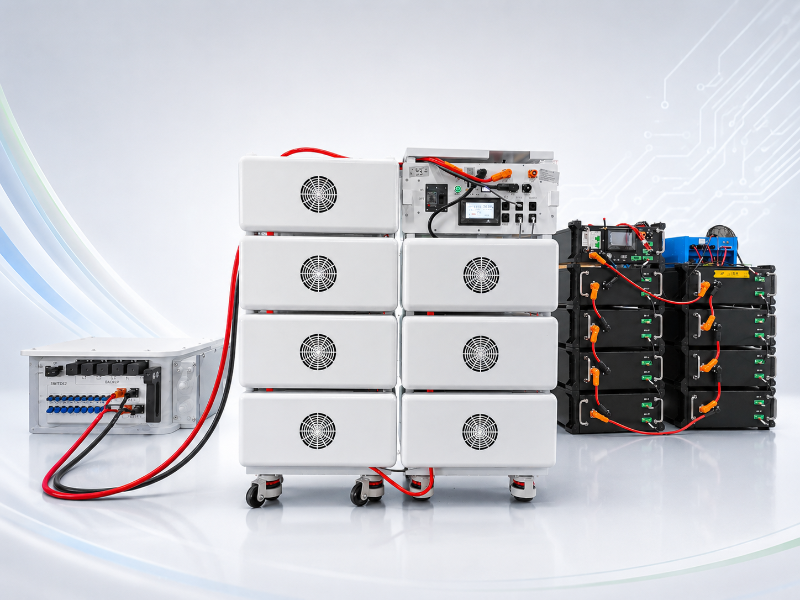
- Air cooling: Heat is removed through air ducts and fans, making this method suitable for equipment that needs to operate continuously.
- Liquid cooling: This method offers relatively high heat dissipation efficiency and is suitable for high-power battery systems that operate for long periods.
- Auxiliary cooling with thermal conductive materials: Thermal pads, thermal adhesives, or metal structures are used to improve heat transfer.
The heat dissipation method should match the battery pack’s power level, available space, and maintenance requirements.
How Can Users Determine Whether a Battery Pack Has Reliable Heat Dissipation?
When purchasing or using a battery pack, users can evaluate the maturity of its heat dissipation design based on actual performance and product documentation.
Pay Attention to Temperature Performance Under High Loads
During continuous charging and discharging or high-power operation, users should focus on the following points:
- Whether the battery pack becomes noticeably hot.
- Whether there is any unusual odor or abnormal noise.
- Whether the power output is reduced frequently.
- Whether the equipment shuts down suddenly.
- Whether there are obvious temperature differences between different areas.
Under normal circumstances, stable temperature changes and small temperature differences between areas indicate that the thermal management solution is more reasonable.
Check Temperature Protection and Alarm Functions
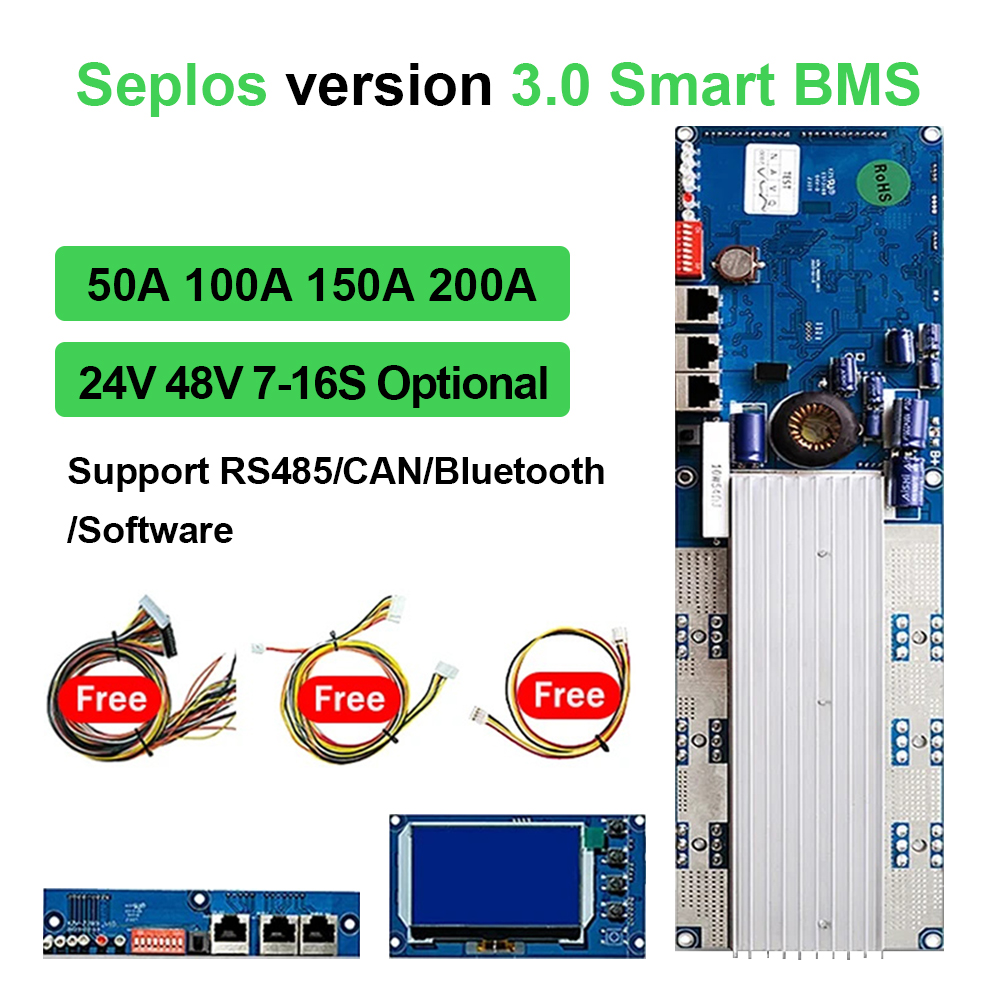
A reliable battery pack should have comprehensive temperature protection functions, typically including over-temperature alarms, charging restrictions, discharge current limiting, abnormal disconnection, fault records, or status notifications. Users should also understand the protection thresholds, alarm methods, and fault recovery conditions to ensure that temperature abnormalities can be handled promptly.
The heat dissipation performance of a battery pack is affected by charging and discharging heat generation, high-load operation, ambient temperature, and cell consistency. Reasonable structural layout, heat dissipation methods, temperature monitoring, and BMS control can help reduce localized temperature rise and heat accumulation. When selecting a battery pack, users should pay attention to temperature protection, heat dissipation solutions, test reports, and actual application conditions. Companies should also customize the design according to equipment power and installation environment, enabling the battery pack to remain stable, reliable, and efficient during long-term operation.