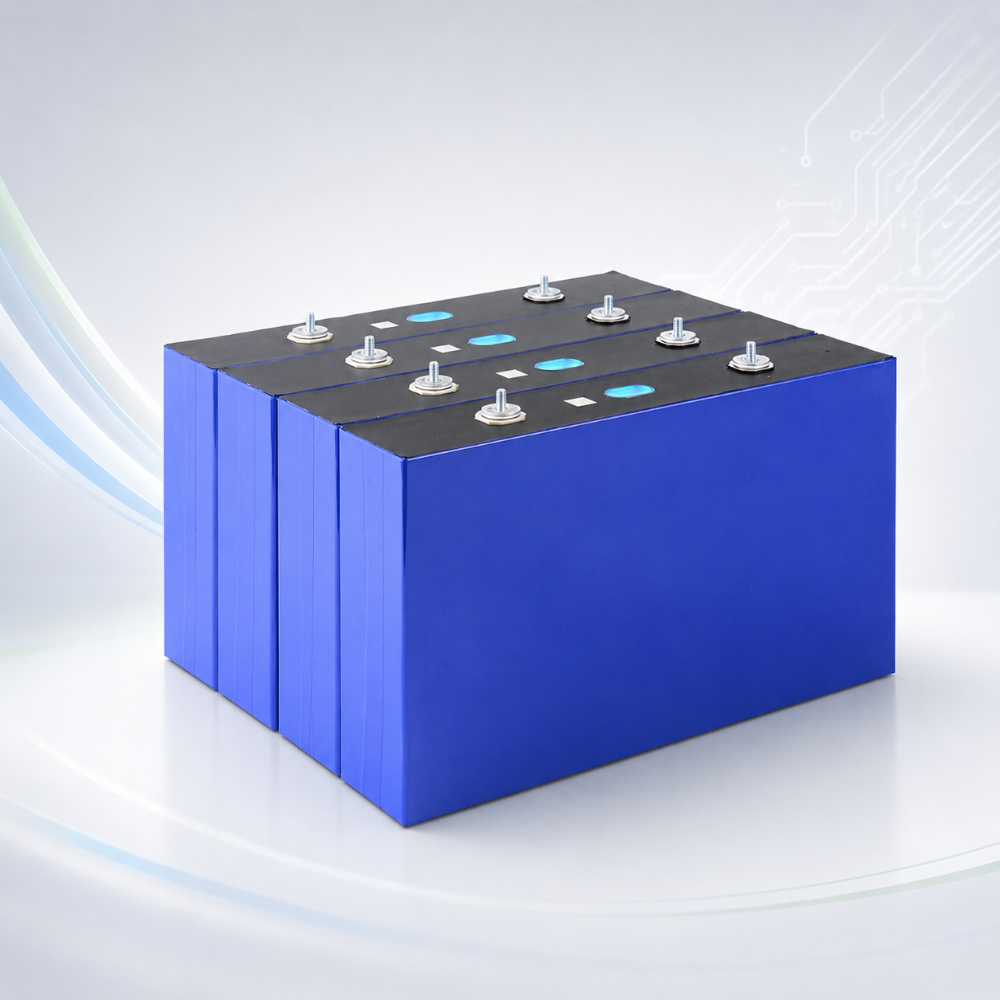
LiFePO4 batteries are widely used in residential energy storage, RVs, electric equipment, communication backup power, and small energy storage systems because of their long cycle life, good safety characteristics, moderate energy density, and suitability for frequent charging and discharging. As lithium iron phosphate batteries become more common, many users wonder whether different capacities and voltage ratings can use the same charger. In practice, LiFePO4 battery chargers cannot be considered universally compatible simply because they are designed for LiFePO4 batteries. The charger must match the battery’s rated voltage, charging voltage, charging current, Battery Management System (BMS), and battery pack configuration. Using an unsuitable charger can reduce charging efficiency, prevent the battery from reaching full capacity, or cause frequent BMS protection. In severe cases, it may damage the equipment. When selecting a LiFePO4 battery charger, users should therefore carefully compare the battery specifications with the charger’s output parameters to ensure safe and stable operation.
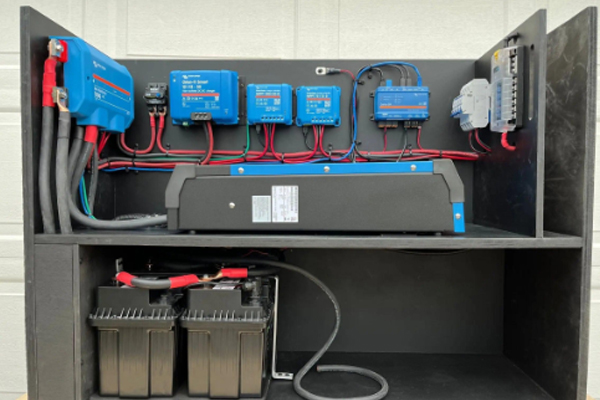
Why Can’t LiFePO4 Battery Chargers Be Used Interchangeably?
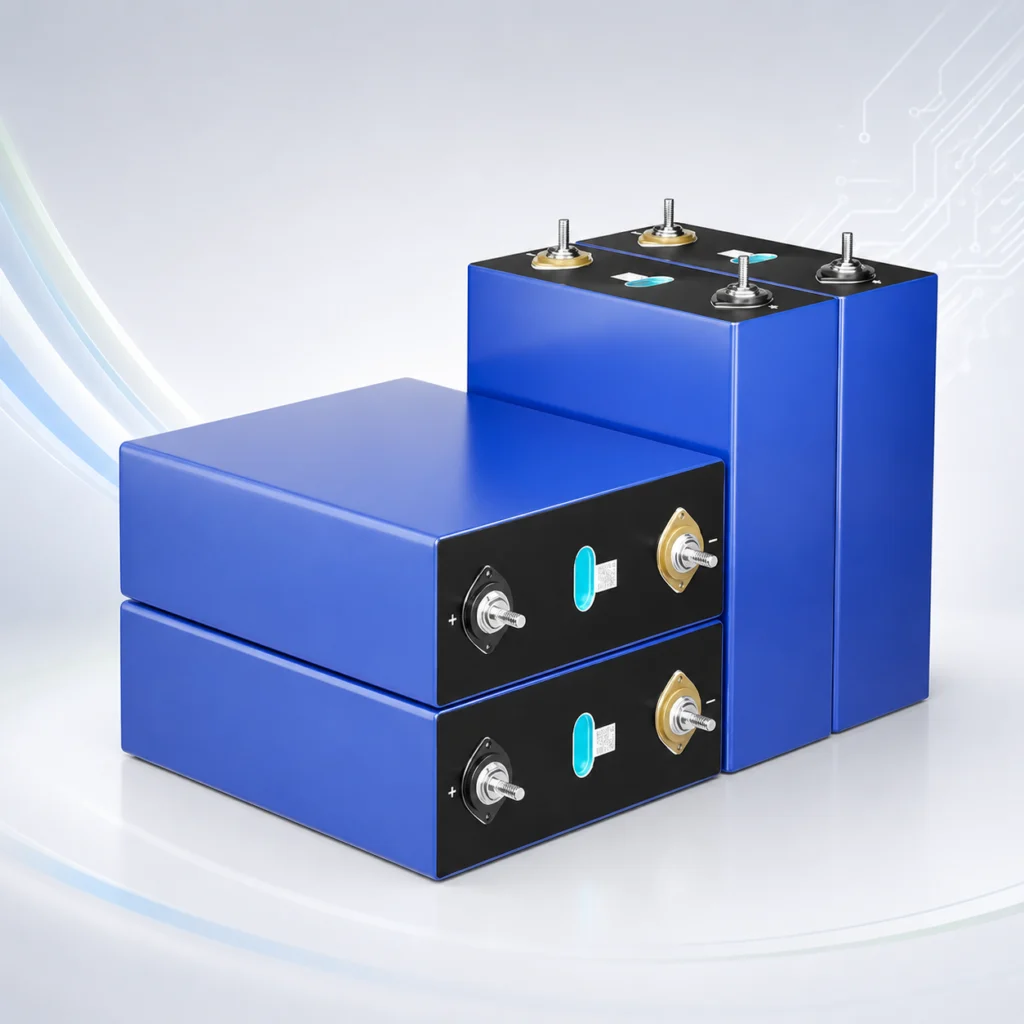
Whether a LiFePO4 battery charger can be shared between batteries depends mainly on the battery pack voltage and charging parameters rather than simply the battery chemistry. A single LiFePO4 cell has a nominal voltage of approximately 3.2V and a typical full-charge voltage of around 3.65V. Multiple cells are connected in series to create different battery voltage levels, such as 12V, 24V, and 48V systems. A common 12V LiFePO4 battery, for example, generally uses four cells connected in series and has a full-charge voltage of approximately 14.6V. The charger therefore needs to provide a charging voltage suitable for that battery pack. If a charger designed for a 24V or 48V battery is directly connected to a 12V battery, the charging voltage may be excessively high. Conversely, a charger with insufficient output voltage may not fully charge the battery. Charging current must also be considered. A small-capacity battery used with an excessively powerful charger may experience increased cell temperature and greater BMS protection pressure, while an undersized charging current can significantly increase charging time. Different LiFePO4 batteries should therefore be paired with chargers according to their actual specifications.
What Parameters Should Be Checked to Determine Charger Compatibility?
When selecting a LiFePO4 battery charger, users should check the battery label, product manual, or technical specifications provided by the manufacturer and compare them with the charger’s output specifications. Several key parameters are particularly important.
- Rated Voltage and Charging Voltage:The charger’s output voltage must match the battery pack’s charging requirements. For example, a four-cell-series LiFePO4 battery generally requires approximately 14.6V for full charging, while an eight-cell-series battery requires a higher charging voltage. Users should not rely only on labels such as “12V” or “24V” and should also confirm the actual charging voltage.
- Charging Current:The charger’s rated output current should fall within the charging range specified by the battery manufacturer. Larger energy storage batteries can often support higher charging currents, but the manufacturer’s specifications should always be followed.
- Battery Capacity:Battery capacity is generally measured in Ah or kWh. Larger batteries may have different recommended charging current ranges. Therefore, two batteries with the same voltage rating may not necessarily be suitable for exactly the same charger.
- Charging Method:LiFePO4 batteries generally use a constant-current and constant-voltage charging process. A dedicated charger can adjust the charging process according to changes in battery voltage, while an unsuitable charger may not provide the correct charging control.
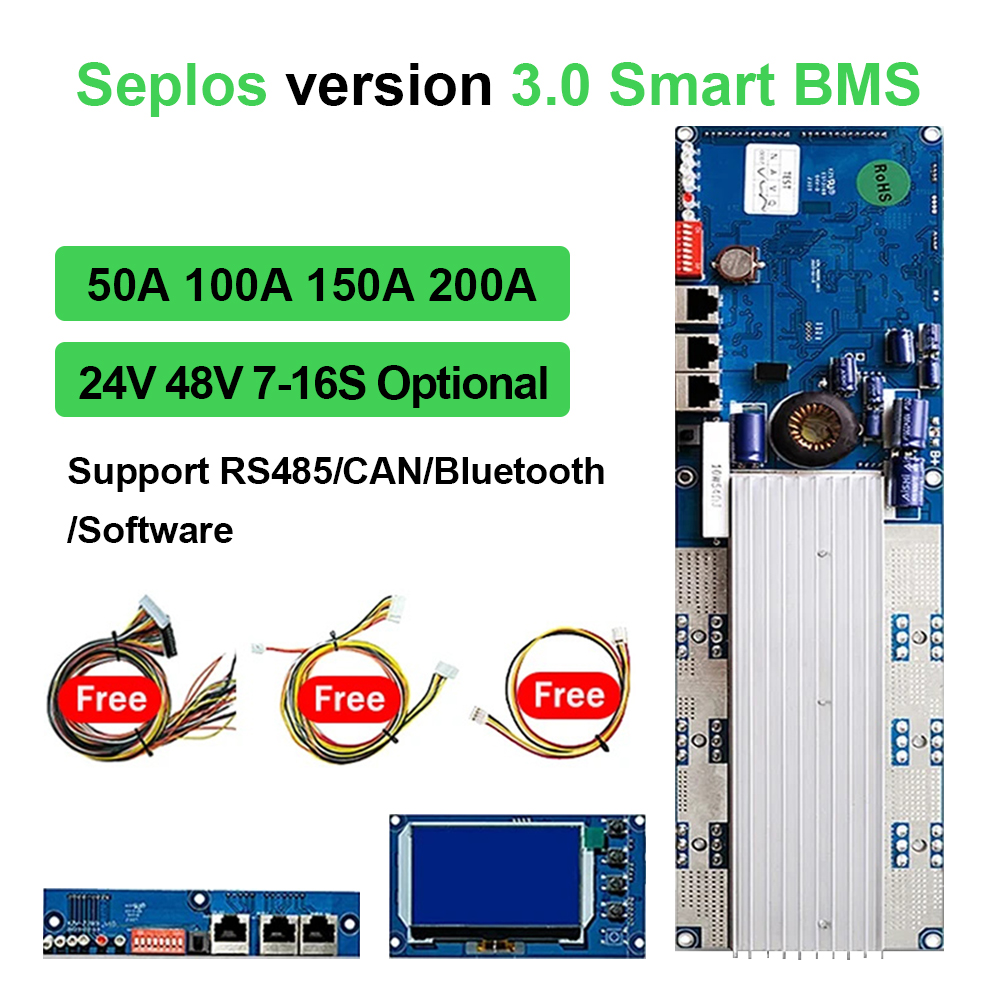
- BMS Compatibility:LiFePO4 batteries equipped with a BMS provide protection against overcharging, over-discharging, excessive current, and abnormal temperatures. The charger should work appropriately with the battery’s protection system. The BMS should not be treated as a replacement for proper charger control.
After these parameters have been confirmed, users can determine whether a charger is suitable for a specific LiFePO4 battery. Matching basic parameters does not necessarily guarantee complete compatibility, as communication functions, connector specifications, and manufacturer settings may also need to be checked.
How Should Chargers Be Selected for Different LiFePO4 Battery Voltage Levels?
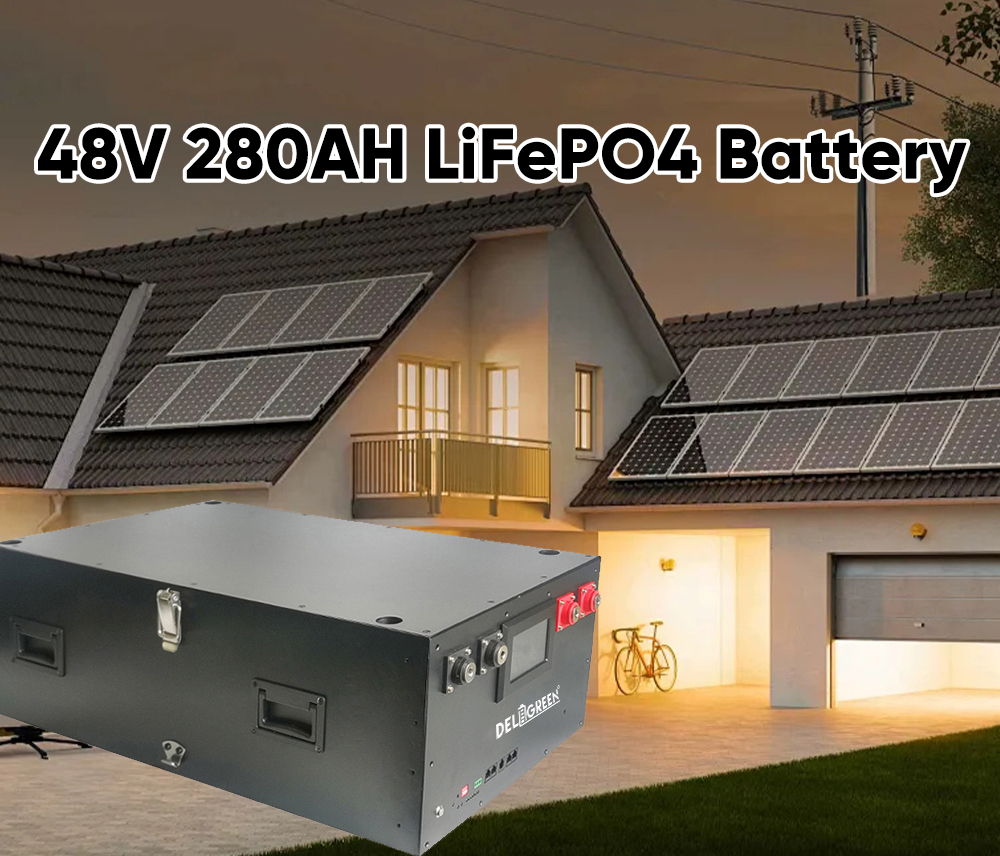
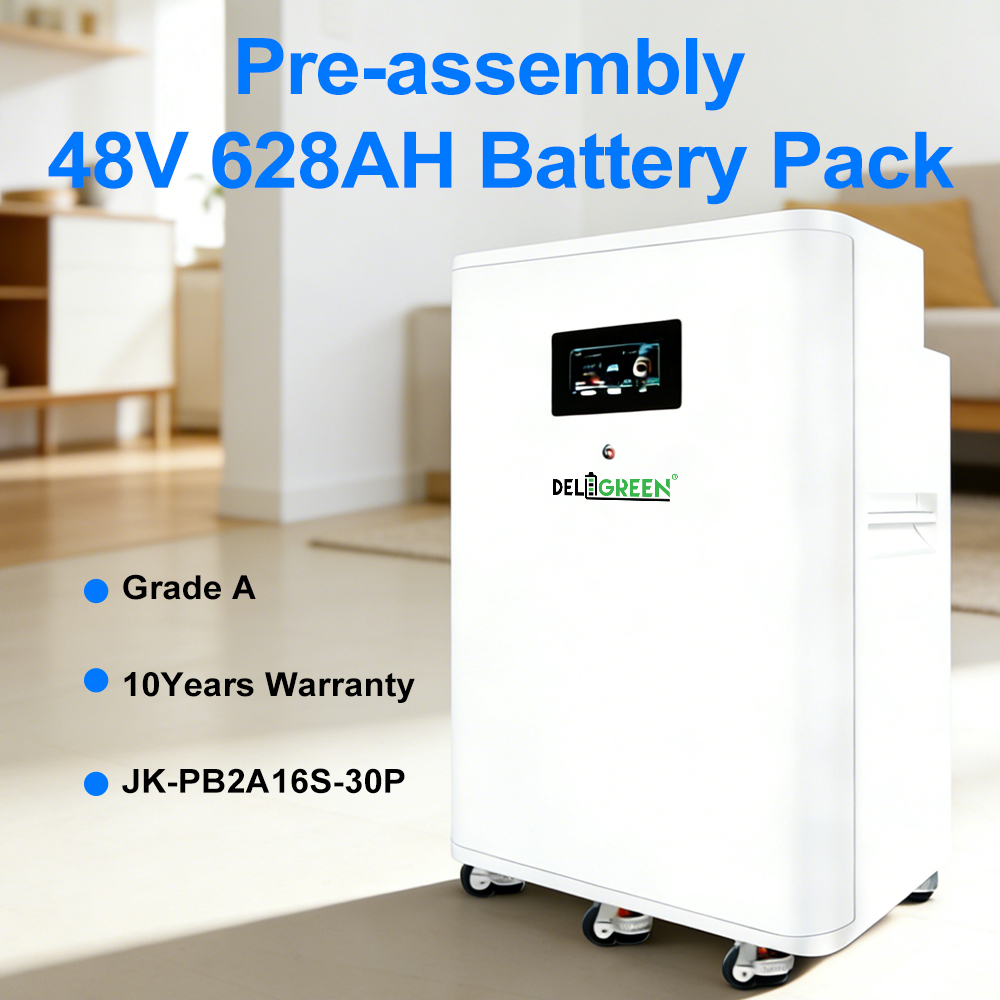
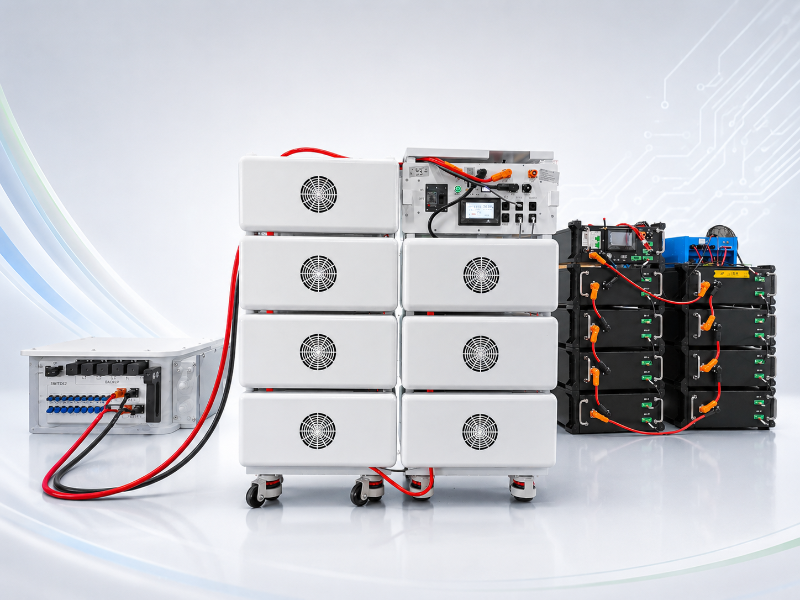
LiFePO4 battery packs use multiple cells connected in series to create different voltage platforms, so chargers for different voltage levels are not interchangeable. Common 12V LiFePO4 batteries generally use a four-cell-series configuration with a full-charge voltage of approximately 14.6V. A 24V system commonly uses eight cells in series, with a full-charge voltage of approximately 29.2V. A 48V system commonly uses 16 cells in series, with a full-charge voltage of approximately 58.4V. Actual specifications can vary between manufacturers and battery systems, so the battery label and manufacturer’s technical documentation should always be treated as the primary reference. For residential energy storage, RV applications, and backup power systems, if the battery uses a modular design, users should also confirm whether multiple battery modules support series or parallel connections and whether the charger is compatible with the resulting system voltage. For high-capacity energy storage batteries, it is generally better to use charging equipment supplied or recommended by the battery or energy storage system manufacturer. This can help prevent frequent BMS protection, charging abnormalities, or failure to reach the expected battery capacity caused by incorrect charging voltage or current.
What Problems Can an Incompatible Charger Cause?
Using a charger with incompatible specifications can affect the normal operation of a LiFePO4 battery. If the charger’s output voltage is lower than the battery’s required charging voltage, the battery may remain partially charged for extended periods, reducing its actual usable capacity. If the output voltage is too high, the BMS may trigger overvoltage protection, and prolonged abnormal charging conditions may cause system problems. Excessive charging current can increase internal battery heating and place additional stress on the protection system, while insufficient charging current can extend charging time. A charger with an incompatible connector or polarity may also prevent proper connection or create an electrical fault. For smart energy storage systems with communication functions, compatibility between the charger, BMS, and inverter may also need to be considered.
- Voltage Mismatch:A charger with excessively high or low output voltage is unsuitable for long-term use. Before selecting a charger, confirm that its actual output voltage matches the battery pack’s required full-charge voltage.
- Current Mismatch:Excessive charging current may exceed the battery’s recommended range, while insufficient current can significantly increase charging time. The manufacturer’s recommended charging current should be followed.
- Connector Mismatch:Even when the electrical specifications are correct, a charger cannot be directly connected if the physical connector is incompatible. Connector size, positive and negative polarity, and connection method should all be verified.
- Charging Protocol Mismatch:Some smart battery systems require communication between the charger, BMS, and other equipment. If communication protocols are incompatible, charging control and battery status monitoring may be affected.
Checking charger specifications before use can reduce charging problems and equipment faults while improving the safety and stability of LiFePO4 battery operation.
How to Choose the Right LiFePO4 Battery Charger?
When selecting a LiFePO4 battery charger, the battery manufacturer’s technical specifications should be used as the primary reference. Confirm the battery’s rated voltage, full-charge voltage, recommended charging current, capacity, and BMS requirements. For standard 12V, 24V, or 48V LiFePO4 batteries, users can select a dedicated charger designed for the corresponding voltage level. For residential energy storage and large-capacity energy storage batteries, however, the charger should be selected according to the complete energy storage system design rather than simply matching the connector or voltage label. The charger should provide an appropriate constant-current and constant-voltage charging profile and ideally include protection against overvoltage, overcurrent, short circuits, and excessive temperature. For long-term energy storage applications, it is recommended to prioritize charging equipment recommended by the battery manufacturer or equipment that has undergone system compatibility testing. Before purchasing, users can provide the supplier with the battery model, rated voltage, capacity, and BMS specifications so that the technical team can confirm the appropriate charger parameters. Proper charger matching can improve charging efficiency, reduce unnecessary BMS protection events and abnormal battery heating, and support stable long-term LiFePO4 battery operation. For companies supplying LiFePO4 energy storage batteries, providing properly matched charging solutions for different voltage and capacity requirements can also help residential energy storage, RV systems, backup power applications, and commercial energy storage projects achieve more reliable performance.