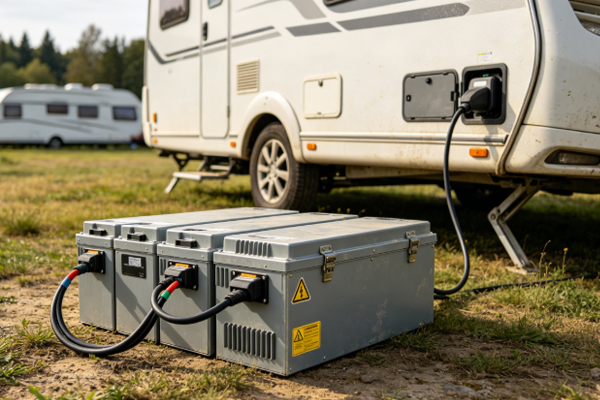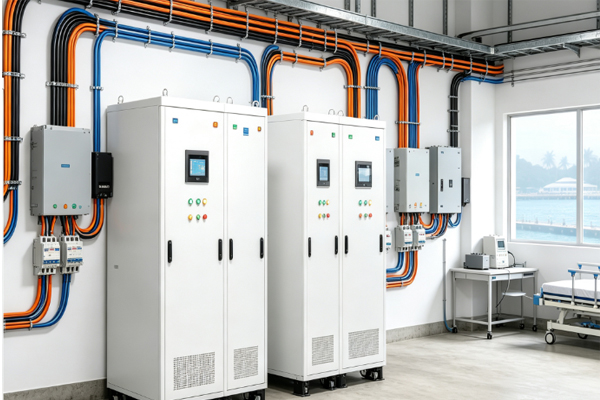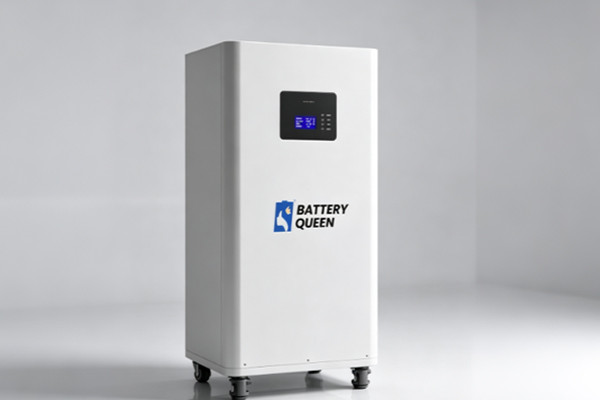
A 24V 100Ah lithium iron phosphate (LiFePO4) battery pack is a common energy storage configuration, widely used in RV power systems, solar energy storage, low-speed electric vehicles, portable power supplies, communication equipment, and backup power systems. Based on the battery parameters, the rated energy capacity of a 24V 100Ah LiFePO4 battery pack is approximately 2400Wh, or 2.4kWh. Under theoretical conditions, it can operate for a long time when connected to low-power devices; however, when connected to high-power equipment, energy consumption will increase significantly. Compared with traditional lead-acid batteries, LiFePO4 batteries provide higher usable capacity and more stable output performance. During actual use, the battery is not usually discharged completely, as a certain amount of power is generally reserved. Therefore, the actual operating time is usually slightly lower than the theoretical calculation.
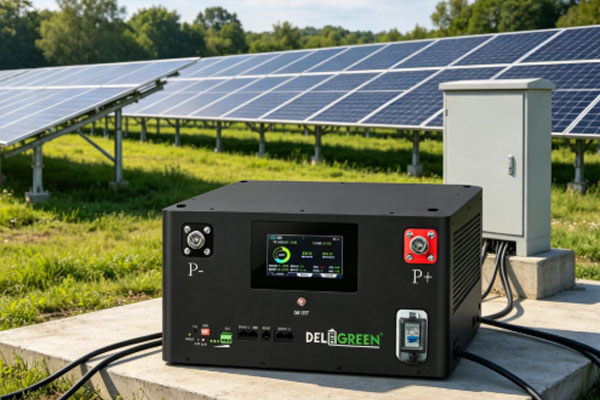
How to Calculate the Actual Capacity of a 24V 100Ah LiFePO4 Battery?
In a 24V 100Ah LiFePO4 battery pack, “24V” represents the rated voltage of the battery, while “100Ah” represents the battery capacity. When calculating the stored energy of the battery, the voltage can be multiplied by the capacity:
24V × 100Ah = 2400Wh
This battery pack can theoretically store approximately 2400 watt-hours of electrical energy. If a device consumes 100 watts per hour, the theoretical operating time is:
2400Wh ÷ 100W = 24 hours
However, in real-world applications, factors such as battery conversion loss, changes in device startup power, and battery protection settings may reduce the actual operating time. LiFePO4 batteries generally have high discharge efficiency, and the usable energy is relatively close to the rated capacity. Compared with standard lead-acid batteries, which can only utilize part of their capacity, a 24V LiFePO4 battery pack can provide longer operating time under the same capacity rating.
The main factors affecting actual usage time include:
Device power consumption: The higher the power consumption of the device, the faster the battery will discharge. For example, electric heating devices and motor-driven equipment consume more energy.
Depth of discharge: When the battery reaches a certain remaining power level, the protection system may stop output, limiting the actual usable capacity.
Conversion efficiency: If an inverter is used to convert DC power into AC power, a certain amount of energy loss will occur.
Ambient temperature: Extremely low or high temperatures may affect battery output performance and cause changes in operating time.
How Long Can Different Devices Run on a 24V 100Ah Battery?
Low-power devices provide longer operating time
A 24V 100Ah LiFePO4 battery pack can be connected to different types of devices, and the operating time mainly depends on how much power the device consumes per hour. For example, LED lights, monitoring equipment, and routers place less stress on the battery and can operate continuously for a longer period.
If the device power is approximately 50W, the theoretical operating time is:
2400Wh ÷ 50W ≈ 48 hours
After considering actual energy losses, the battery can generally provide around 35 to 45 hours of operation. For small devices with power consumption of around 100W, the operating time can usually exceed 20 hours. When used for lighting, fans, and small electronic devices in RVs, a 24V 100Ah battery can provide stable power support.
Medium and high-power devices shorten the power supply time
When connected to refrigerators, water pumps, power tools, or other high-power equipment, the battery will discharge faster. For example:
- A 200W device can run for approximately 10 hours.
- A 500W device can run for approximately 4 hours.
- A 1000W device can run for approximately 2 hours.
The actual operating time is also affected by the instant startup power of the device. Some motor-driven equipment generates higher current during startup, which may increase the load on the battery output. Therefore, it is necessary to confirm whether the battery BMS protection capability matches the startup requirements of the equipment.
What Factors Affect the Operating Time of a 24V LiFePO4 Battery?
Although a 24V 100Ah LiFePO4 battery pack has a fixed capacity, different battery products may have different actual performance. The quality of battery cells, battery pack structure, and protection board configuration can all affect the final runtime. High-quality LiFePO4 batteries usually use cells with better consistency and are equipped with a BMS (Battery Management System), which can monitor voltage, current, and temperature to ensure more stable battery output. The operating environment also affects battery performance. For example, in low-temperature environments, the internal chemical reaction speed of the battery decreases, which may reduce discharge capability. Long-term operation in high-temperature conditions may also affect battery lifespan and capacity retention.
During daily use, attention should be paid to:
- Select an appropriate battery capacity according to the actual power requirements of the equipment and avoid long-term overload operation.
- Avoid keeping the battery at extremely low charge levels for extended periods.
- Regularly check battery cables and connection terminals to reduce energy loss.
- Select a battery enclosure with a suitable protection rating according to the operating environment.
Frequently Asked Questions
Q: How long can a 24V 100Ah LiFePO4 battery power a 1000W device?
A: The theoretical calculation is 2400Wh ÷ 1000W ≈ 2.4 hours. Considering inverter losses and battery protection limitations, the actual operating time is usually around 2 hours.
Q: Can a 24V 100Ah battery be used for home energy storage?
A: Yes, it can be used, but the choice depends on household power requirements. If it is only used for lighting, small appliances, network equipment, and emergency power supply, this capacity can meet certain needs. If it needs to support high-power devices such as air conditioners or electric water heaters, a larger battery capacity combination will be required.
Q: Will daily use of a 24V LiFePO4 battery affect its lifespan?
A: Normal use will not cause significant impact. LiFePO4 batteries have a high cycle life, and reasonable charging and discharging can maintain a longer service period.
A 24V 100Ah LiFePO4 battery pack features moderate capacity, lighter weight, and a longer cycle life, making it suitable for many applications requiring stable power supply. During RV travel, it can serve as a primary power source for lighting, electronic devices, and some small appliances. In solar energy storage systems, it can store electricity generated during the day and continue supplying power at night or during cloudy weather. Some low-speed vehicles, marine equipment, and outdoor operation devices also use this battery specification. When selecting a 24V 100Ah battery, it is necessary to evaluate the daily energy consumption of the equipment. If the total power demand is low, this battery pack can provide longer operating time; if the equipment requires higher power, additional capacity or multiple battery packs may be needed. The theoretical energy storage capacity of a 24V 100Ah LiFePO4 battery pack is approximately 2.4kWh, while the actual operating time depends on changes in device power consumption.