In fields such as electric vehicles, energy storage systems, and industrial backup power supplies, battery lifespan has always been one of the most important factors for users. Compared with traditional lithium batteries, one of the biggest advantages of LTO batteries is their exceptionally long cycle life. Some LTO battery products can even achieve tens of thousands of charge and discharge cycles.
So, why can LTO batteries maintain such a long service life? The answer lies not only in their material system but also in their unique electrochemical structure and excellent stability.
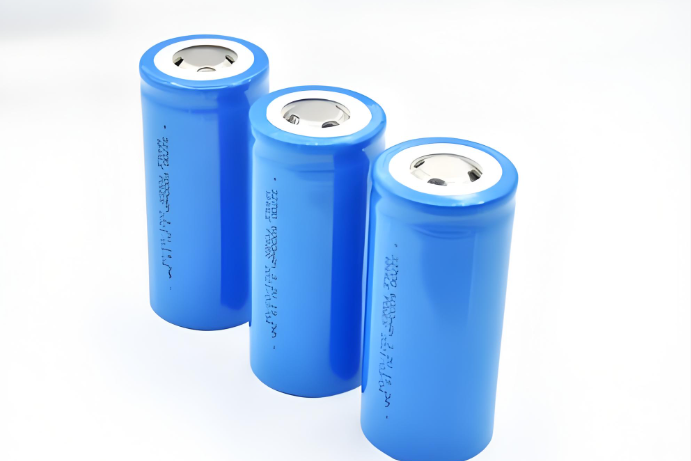
LTO Batteries Use Highly Stable Lithium Titanate Anode Materials
The key reason behind the long cycle life of LTO batteries is the use of lithium titanate (Li4Ti5O12) as the anode material.
In traditional lithium-ion batteries, graphite anodes experience noticeable volume changes during charging and discharging. After repeated cycles, the graphite structure may expand, shrink, or crack, causing gradual capacity loss and performance degradation.
In contrast, lithium titanate has a highly stable crystal structure. During the process of lithium-ion insertion and extraction, its volume change is extremely small and is often described as a “zero-strain material.” This characteristic greatly reduces stress on the electrode structure and helps maintain battery capacity even after thousands of cycles.
Because of this stable anode structure, LTO batteries can achieve a much longer cycle life compared with conventional lithium batteries.
Lower Structural Damage During Charging and Discharging
One of the main reasons for battery aging is the continuous degradation of internal materials during repeated charge and discharge cycles.
For conventional lithium batteries, frequent high-rate charging and discharging can accelerate electrode damage. Problems such as lithium dendrite formation, active material loss, and electrolyte decomposition may gradually reduce battery capacity and reliability.
LTO batteries, however, have a more stable electrode structure. Even under high-current charging and discharging conditions, the internal materials experience less stress and degradation.
This makes LTO batteries especially suitable for applications that require frequent cycling, such as electric buses, industrial equipment, and energy storage systems.
LTO Batteries Support High-Rate Charging and Discharging
Besides their long lifespan, LTO batteries also offer excellent high-rate performance.
When conventional batteries are charged rapidly for long periods, they may generate excessive heat and experience accelerated aging. LTO batteries feature low internal resistance, allowing them to handle higher charging and discharging currents more efficiently.
In many high-power applications, LTO batteries can achieve fast charging while maintaining a slower rate of performance degradation.
For equipment that requires multiple charge and discharge cycles every day, cycle life is often more important than single-use capacity. Therefore, the long lifespan of LTO batteries helps reduce overall operating costs.
Excellent Safety Performance Helps Extend Battery Life
Battery safety is another important factor affecting service life.
When batteries operate under high temperatures, heavy loads, or harsh environmental conditions for extended periods, internal materials can degrade faster, leading to reduced capacity and potential safety risks.
LTO batteries offer excellent thermal stability and chemical stability, making them less likely to experience thermal runaway. They also maintain better charging and discharging performance in low-temperature environments, allowing them to operate reliably under various conditions.
A more stable operating environment reduces battery degradation and further extends the overall service life.
How Many Cycles Can an LTO Battery Achieve?
Generally, conventional lithium-ion batteries have a cycle life of around 500 to 2,000 cycles, while high-quality LTO batteries can typically achieve more than 5,000 cycles. Some advanced LTO battery products can even exceed 10,000 cycles.
However, the actual cycle life depends on several factors, including:
Battery design and manufacturing quality
Charging and discharging rates
Operating temperature conditions
Battery management system (BMS) performance
Daily usage methods
Proper operation and effective battery management can further maximize the lifespan of LTO batteries.
Why Are LTO Batteries Suitable for Long-Term Energy Applications?
With advantages such as an ultra-long cycle life, fast charging capability, high safety, and excellent environmental adaptability, LTO batteries are being increasingly adopted in various industries.
In energy storage applications, LTO batteries can reduce maintenance costs caused by frequent battery replacements. In electric vehicles, they can meet the needs of high-frequency operation and long-term reliability. In industrial equipment, they provide stable and dependable power support.
Although LTO batteries generally have a higher initial cost than some traditional lithium batteries, their longer service life and lower maintenance requirements provide greater value throughout the entire battery lifecycle.
The extremely long cycle life of LTO batteries comes mainly from the outstanding stability of lithium titanate materials, low structural degradation, and excellent high-rate performance. Compared with conventional lithium batteries, LTO technology is better suited for applications that require long-term operation, frequent charging and discharging, and high reliability.
As the renewable energy industry continues to grow, LTO batteries will remain an important solution for energy storage systems, electric vehicles, and industrial power applications. For users seeking stable performance, safety, and long-term value, LTO batteries are a high-performance energy storage option worth considering.