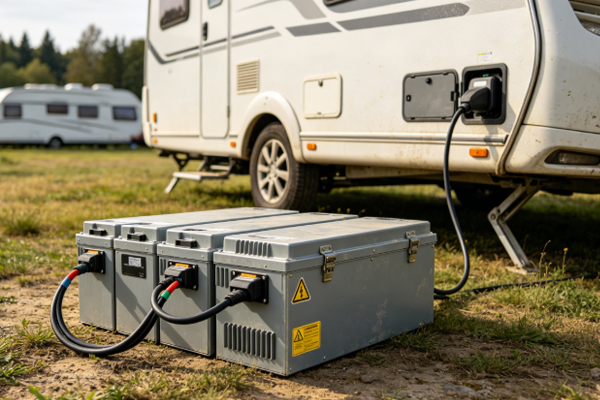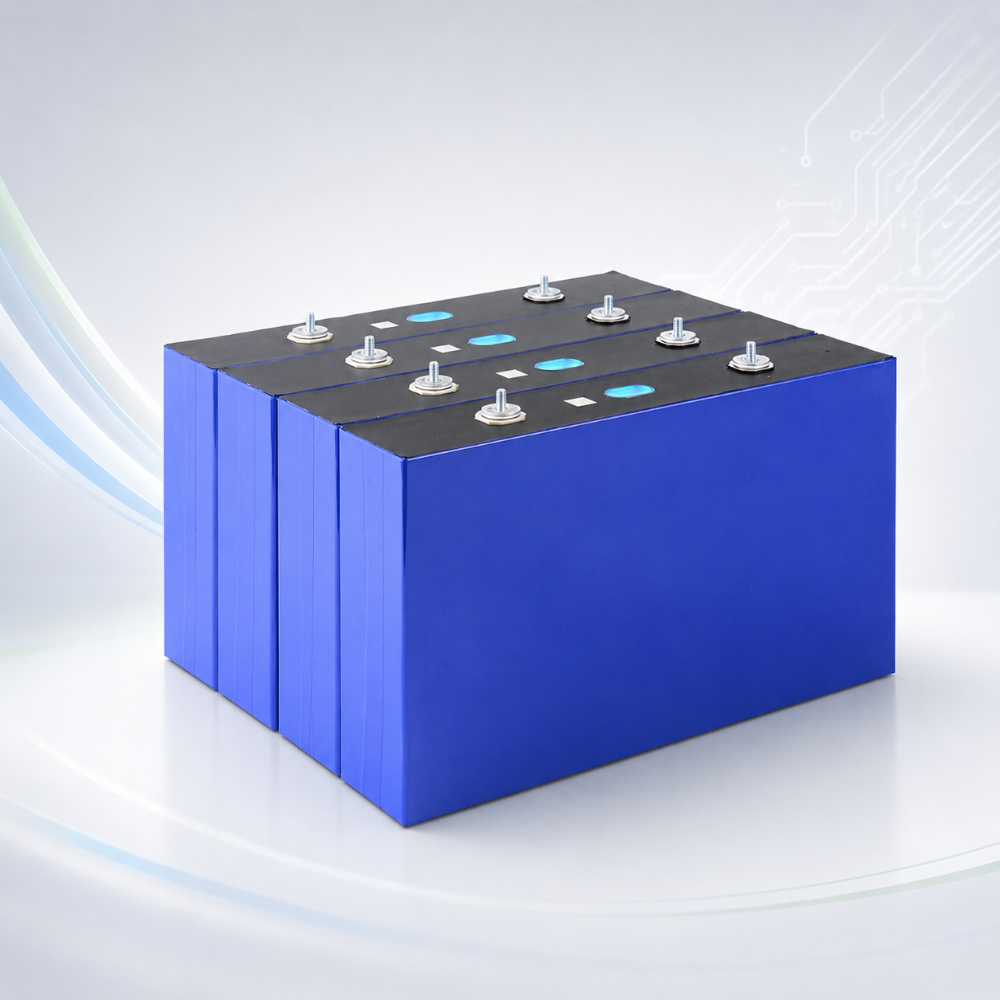
As commercial buildings, industrial parks, factories, warehouses, and office facilities increasingly focus on energy management, C&I (Commercial & Industrial) battery energy storage systems are becoming an important solution for improving electricity efficiency. C&I energy storage needs to consider daily load profiles, peak and off-peak electricity prices, photovoltaic generation, backup power requirements, and future expansion. Battery capacity should therefore not be determined simply by building size or the number of electrical devices. LiFePO4 batteries are widely used in C&I energy storage because of their long cycle life and good thermal stability, making them suitable for frequent charging and discharging. With the right capacity, the system can discharge stored electricity during high-price periods, charge during low-price periods or when solar generation is abundant, and provide backup power for critical loads. A battery that is too small may not deliver the expected peak-load management benefits, while excessive capacity can increase the initial investment and reduce system utilization. Configuring the system according to actual electricity consumption data can help achieve better operational efficiency and economic value.
Determine Battery Capacity Based on Commercial and Industrial Loads
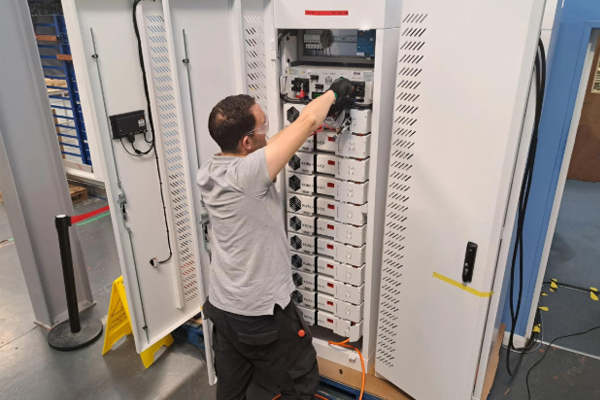
C&I energy storage capacity should be selected according to the company’s actual electricity load profile. Factories, shopping centers, hotels, office buildings, and warehouses can have significantly different consumption patterns. Some facilities have high daytime loads, while others operate continuously at night. Typical workday, weekend, and seasonal electricity data should therefore be reviewed before selecting battery capacity. Companies can obtain daily energy consumption, maximum demand, and peak duration through electricity meters or energy management platforms. These figures can then be combined with the planned storage operating period to determine an appropriate battery capacity. For facilities requiring longer peak-load management, larger LiFePO4 battery systems may be appropriate. If the main purpose is short-term peak shaving, a moderate battery capacity may be sufficient. Continuous production facilities also need to consider operational stability and avoid selecting a capacity that reaches its minimum SOC too quickly during peak periods. Capacity selection should focus on usable battery capacity rather than only the nominal rating because energy storage systems normally operate within defined SOC limits to reduce excessive charging and discharging and support longer battery life.
Simple Methods for Configuring C&I Energy Storage Capacity
C&I energy storage capacity can be initially estimated based on load requirements and the planned discharge duration. A professional system design should then verify the preliminary result according to equipment specifications, electricity pricing policies, and operating strategies.
- Calculate Capacity According to Load:If the company wants the energy storage system to handle a specific portion of its peak demand, capacity can be estimated using the required power reduction and discharge duration. For example, if the system needs to reduce a 100kW load for two hours, the theoretical energy requirement is approximately 200kWh. The final configuration should also account for system efficiency and an appropriate operating margin.
- Calculate Capacity According to Solar Generation:For a solar-plus-storage system, battery capacity can be estimated based on daily surplus photovoltaic generation. A battery that is too small may not be able to store enough surplus solar electricity generated around midday. An appropriately sized battery can shift more solar energy to afternoon or nighttime consumption.
- Calculate Capacity According to Backup Duration:If the C&I energy storage system also serves as a backup power source, capacity should be calculated according to critical load power and expected outage duration. For example, if critical loads require 50kW and four hours of backup power are needed, the theoretical energy requirement is 200kWh. Final capacity should also consider inverter efficiency and the usable SOC range of the battery.
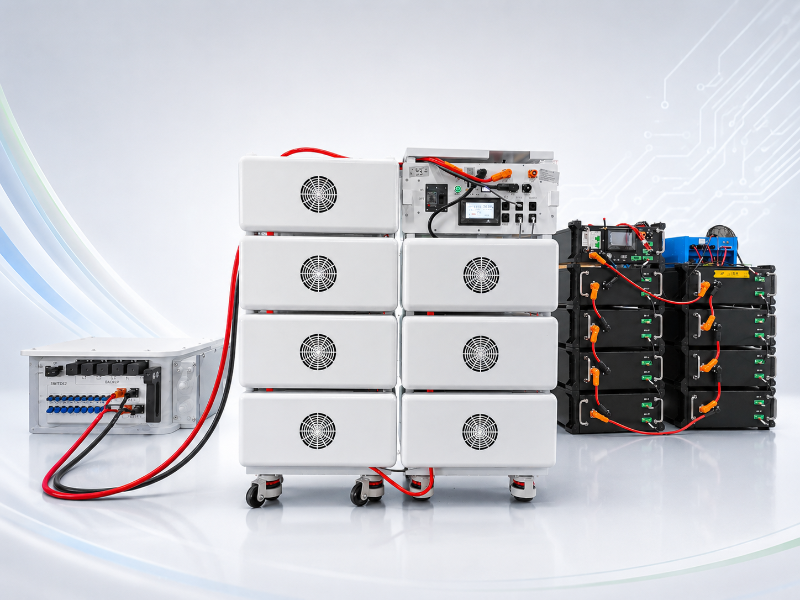
- Reserve Capacity for Future Expansion:Companies may add production lines, air-conditioning systems, EV chargers, or other electrical equipment in the future. Choosing a modular LiFePO4 energy storage system with expansion capability can make it easier to increase battery capacity later.
These simple calculations can provide an initial capacity range. Actual operating data can then be used to refine the configuration and reduce the risk of oversizing or undersizing.
Battery Capacity and Storage Power Must Be Properly Matched
C&I energy storage systems should not be evaluated based on kWh capacity alone. Power output in kW is equally important. Battery capacity determines how much energy can be stored, while inverter power determines how much electricity can be delivered within a specific period. For example, a 500kWh battery system paired with a 100kW inverter has a theoretical full-power discharge duration of approximately five hours. If the same battery is paired with a 250kW inverter, the theoretical duration is approximately two hours. Actual performance also depends on SOC limits, conversion efficiency, temperature, and load changes. For factories that need rapid peak shaving, insufficient inverter power can prevent the system from reducing instantaneous peak demand effectively, even when the battery has a large energy capacity. For long-duration backup applications, both battery capacity and continuous output capability must be considered. The maximum charging and discharging current of the LiFePO4 battery must also satisfy system power requirements. The battery pack, BMS, and power conversion system should be properly matched to maintain stable operation. A suitable power-to-capacity ratio allows the energy storage system to achieve higher utilization across different operating modes.
How to Select C&I Storage Capacity for Different Applications
Commercial and industrial users have different energy storage requirements, so the configuration should be adapted to the operating characteristics of each facility. Office buildings and commercial properties often use energy storage for peak and off-peak electricity management and solar self-consumption. Battery capacity can be selected according to daytime loads and nighttime electricity demand. Manufacturing facilities need to pay particular attention to the maximum power demand of production equipment, operating schedules, and peak load duration. Capacity should generally be designed using a complete load profile. Hotels and hospitals may need both electricity cost management and reliable backup power, requiring additional battery capacity for critical loads. Warehouses and logistics centers with substantial lighting, cold-storage equipment, or electric forklift charging requirements can also increase energy storage capacity according to equipment operating schedules and charging demand.
- Factory Energy Storage:Factories can select storage capacity according to production shifts, peak demand, and time-of-use electricity prices, allowing batteries to charge during lower-cost periods and discharge during high-cost periods.
- Commercial Building Energy Storage:Shopping centers, office buildings, and hotels can combine photovoltaic generation with building loads to configure energy storage systems that increase daytime solar utilization and reduce electricity purchases during high-price periods.
- Backup Power Energy Storage:Companies requiring continuous operation of critical equipment can calculate battery capacity according to critical load power and required backup duration, while establishing dedicated backup circuits.
Different applications have different energy storage objectives. Clearly distinguishing between daily energy cost management and backup power requirements can make capacity selection more closely aligned with actual operating needs.
Other Factors to Consider When Selecting C&I Storage Capacity
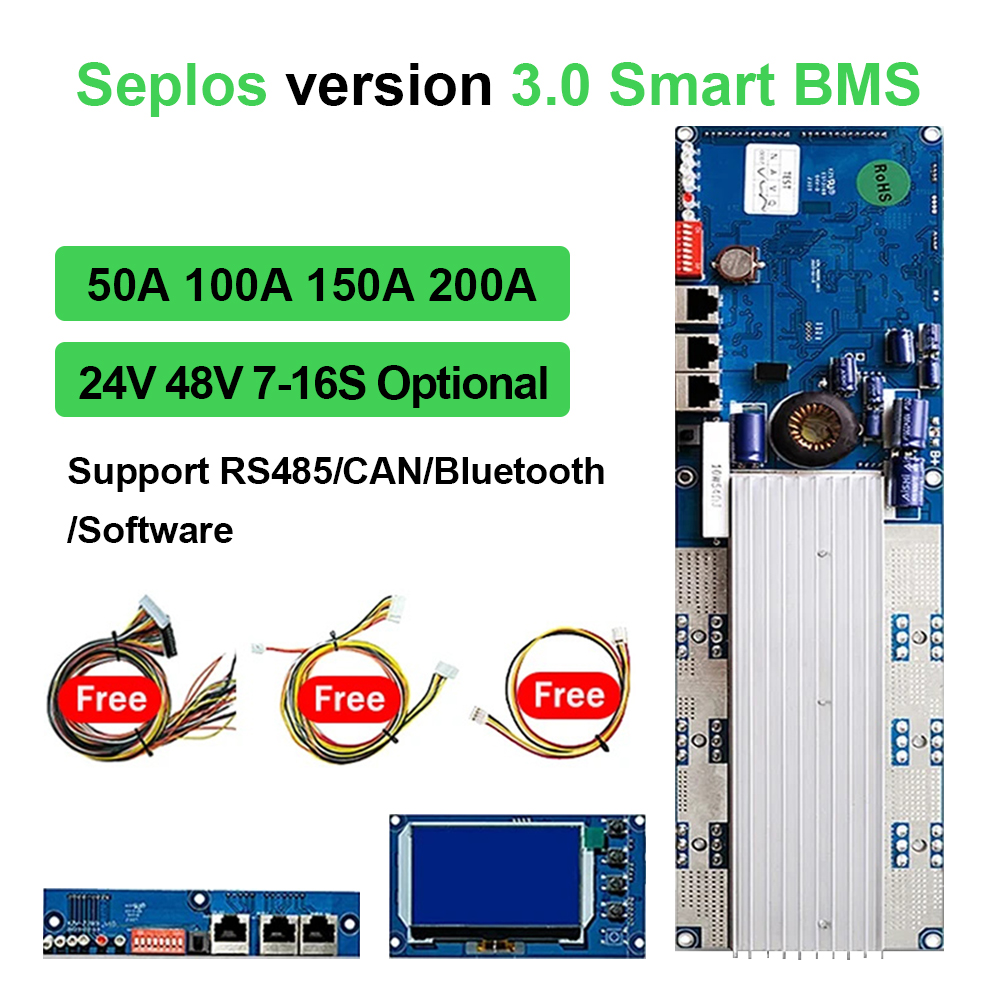
After completing the basic capacity calculation, battery life, system efficiency, installation conditions, future expansion, and economic benefits should also be considered. LiFePO4 batteries are suitable for frequent charging and discharging in C&I energy storage applications, but excessive charging and discharging should still be avoided during long-term operation. As a result, usable battery capacity is normally lower than the nominal battery rating. System efficiency also affects the amount of electricity that can ultimately be used, as inverters, cables, and other equipment generate certain energy losses. Installation temperature is another important consideration. High-temperature environments can affect battery performance and service life, so battery cabinets or racks should provide suitable heat dissipation. For businesses with photovoltaic systems, daily solar generation should also be evaluated to determine whether the battery can be sufficiently charged. An oversized battery may remain underutilized if available solar electricity is insufficient to charge it regularly. Economic performance is also an important factor in C&I energy storage projects. Companies can evaluate peak and off-peak electricity price differences, daily charging and discharging cycles, expected service life, and equipment investment. Selecting modular LiFePO4 batteries with intelligent BMS technology and strong expansion capabilities allows companies to increase storage capacity gradually as future electricity demand grows. By considering load data, electricity prices, photovoltaic generation, backup requirements, and system power together, commercial and industrial users can select a more suitable C&I battery energy storage capacity while improving energy utilization and maintaining reliable power availability.