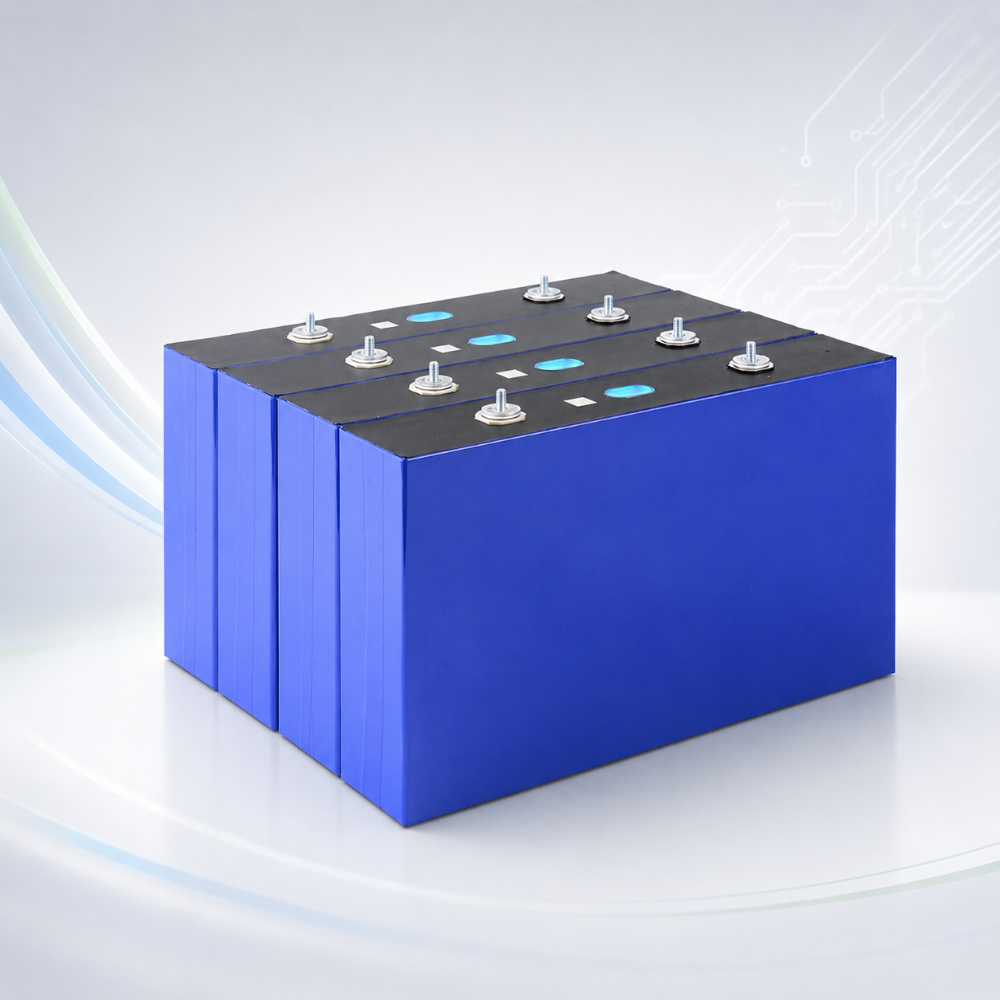
Battery packs generate heat during continuous charging and discharging processes, and temperature changes can affect battery capacity, cycle life, and operational safety. For application scenarios such as new energy vehicles, energy storage systems, and industrial equipment, a well-designed thermal management solution helps batteries maintain stable operating conditions and reduces performance degradation caused by temperature differences. Battery pack thermal management is not simply a cooling process; rather, it uses heat dissipation, heating, temperature monitoring, and intelligent control methods to keep cells within an appropriate operating range. Common technologies currently include air cooling, liquid cooling, phase change material cooling, and intelligent temperature control systems.
Battery Pack Air Cooling Technology
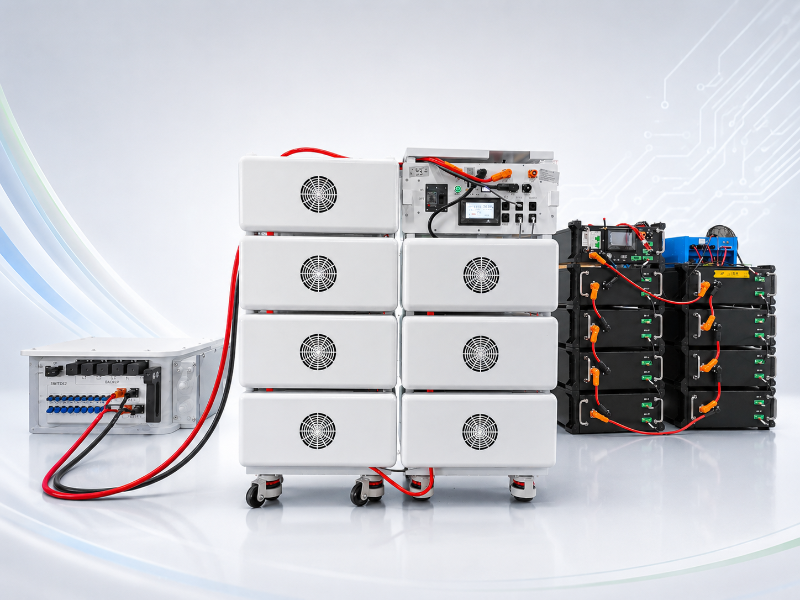
Air cooling is one of the earliest thermal management methods used in battery systems. It relies on air flow to remove heat generated during battery operation and is characterized by a simple structure and easy maintenance.
Natural Air Cooling
Natural air cooling relies on natural convection of air for heat dissipation.
- It depends on ambient airflow for heat exchange and does not require additional driving components.
- The structural design is relatively simple, usually improving heat dissipation by optimizing the spacing between cells.
- It is more suitable for small battery systems with low heat generation and low power demand.
This method has relatively low cost, but under high-rate charging/discharging or high-temperature environments, heat is difficult to dissipate in time.
Forced Air Cooling
Forced air cooling uses fans or blowers to drive air flow, thereby enhancing convective heat transfer.
- Continuous airflow quickly removes heat accumulated on the surface of the cells.
- It can suppress local overheating to a certain extent.
- It is commonly used in small to medium battery packs or cost-sensitive applications.
By optimizing the air duct structure and inlet/outlet paths, the uniformity of temperature distribution inside the battery pack can be further improved.
Characteristics of Air Cooling Technology
Air cooling solutions emphasize economy and structural simplicity in engineering applications.
- The system is relatively lightweight, which is beneficial for integration and installation.
- Maintenance is relatively simple, and troubleshooting costs are low.
- Manufacturing and assembly costs are easier to control, making it suitable for large-scale applications.
In scenarios with sufficient space and low power density, air cooling still has strong applicability.
Battery Pack Liquid Cooling Technology
Liquid cooling uses liquid as a heat exchange medium and removes heat generated by the battery through circulation. It is widely used in high-power battery systems. Compared with air cooling, it offers stronger heat transfer capability and more stable temperature control.
Liquid Cooling Plate Technology
Liquid cooling plates guide coolant flow through internal channels to achieve heat exchange between the battery and the cooling system.
- They are usually installed at the bottom or side of the cells to increase the heat exchange area.
- Channel design is optimized to improve coolant flow uniformity and heat transfer efficiency.
- They effectively reduce temperature differences between different areas of the battery pack.
A well-designed liquid cooling plate helps improve overall thermal management efficiency and extend battery life.
Immersion Liquid Cooling Technology
Immersion liquid cooling places battery components directly into an insulating cooling medium, achieving heat transfer through full liquid coverage.
- The cooling medium fully contacts the battery surface, resulting in shorter heat transfer paths.
- It significantly improves temperature uniformity and reduces local hot spots.
- It is suitable for high power density or extreme cooling demand environments.
This solution requires high standards for sealing structure, safety design, and coolant stability.
Advantages of Liquid Cooling Solutions
Liquid cooling systems have clear advantages in high-performance battery applications.
- They meet heat dissipation requirements under high-rate charging and discharging conditions.
- They effectively control temperature differences between cells and improve consistency.
- They maintain relatively stable thermal conditions during long-term operation.
They are widely used in new energy vehicles and large-scale energy storage systems.
Emerging Thermal Management Technologies for Battery Packs
As battery performance requirements continue to increase, new thermal management methods are gradually being introduced, improving temperature control through material properties or structural innovation.
Phase Change Material Cooling Technology
Phase change materials absorb or release heat during solid-liquid phase transitions, enabling temperature buffering and regulation.
- They absorb large amounts of heat during battery temperature rise, slowing the rate of temperature increase.
- They can suppress the impact of rapid temperature fluctuations in a short time.
- They help reduce hot spot issues caused by uneven heat dissipation.
This technology is more suitable for passive thermal management or auxiliary cooling structures.
Heat Pipe Technology
Heat pipes achieve efficient heat transfer through internal working fluid phase change cycles and have high thermal conductivity.
- They quickly transfer heat from high-temperature areas to heat dissipation ends.
- They help improve uneven heat dissipation within the battery pack.
- They effectively reduce temperature differences between different cells.
They are usually used as auxiliary cooling components in combination with air or liquid cooling systems.
Hybrid Thermal Management Technology
A single thermal management method is often insufficient for complex operating conditions, so hybrid solutions are becoming a trend. For example, combining air cooling and liquid cooling can improve overall heat dissipation capability, while combining liquid cooling with phase change materials can enhance temperature stability. At the same time, the system can dynamically adjust control strategies based on different operating states, allowing the battery pack to maintain stable performance under various environments.
Intelligent Thermal Management System for Battery Packs
Modern battery systems rely not only on physical cooling structures but also on monitoring and control technologies to achieve more precise temperature regulation.
Temperature Monitoring Technology
Temperature monitoring is the fundamental support of thermal management systems.
- Multiple sensors are installed inside the battery pack to collect real-time temperature data.
- Temperature trends are analyzed to assess thermal runaway risks.
- Abnormal temperature rise areas can be quickly located and protection mechanisms triggered.
High-precision monitoring improves system response speed and safety.
BMS Coordinated Control
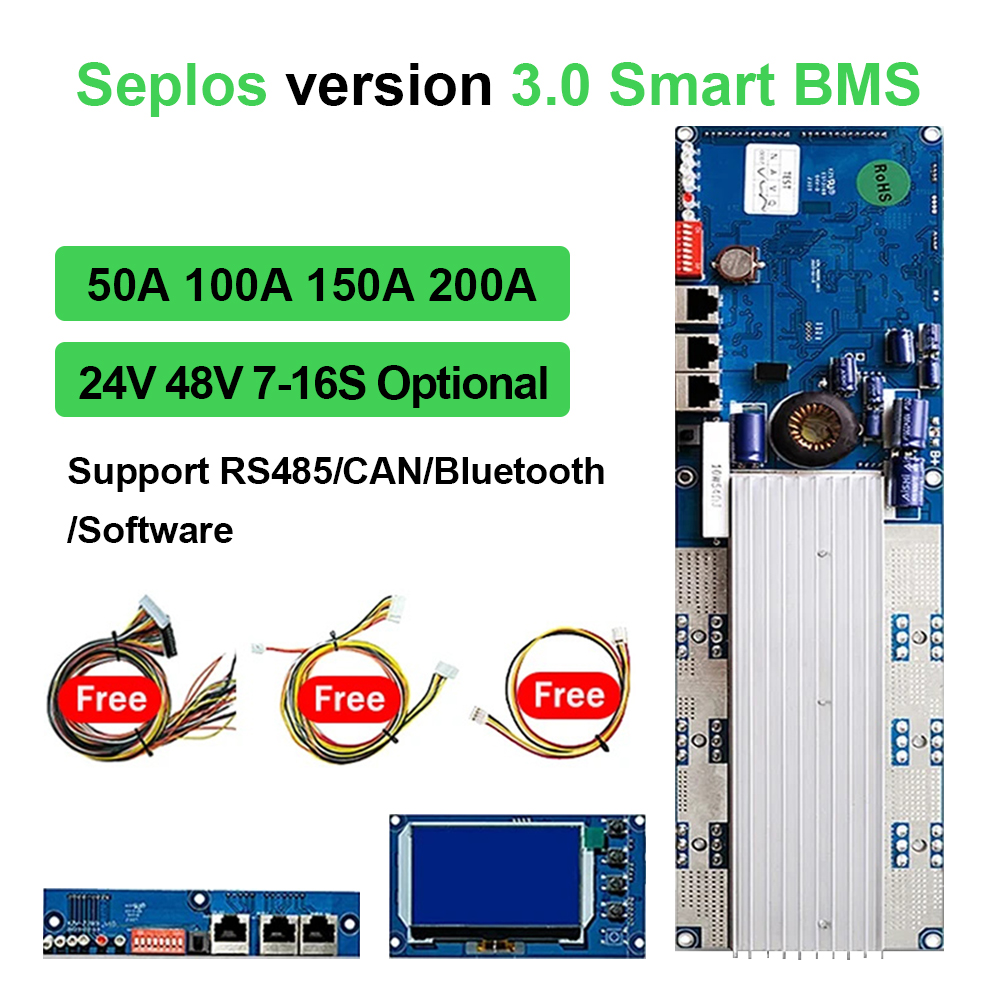
The Battery Management System (BMS) integrates temperature, voltage, and current data for unified control. It manages the operation of fans and cooling systems and adjusts charging and discharging strategies based on operating conditions, thereby reducing abnormal risks. This enables more efficient coordination between the thermal management system and the BMS, improving overall reliability.
- Heating and Low-Temperature Management.
- Thermal management is not only about heat dissipation but also about addressing performance degradation in low-temperature environments.
- Heating devices are used to raise battery startup temperature to ensure normal operation.
- Charging and discharging efficiency and capacity performance are improved under low-temperature conditions.
- The applicability of battery systems in cold environments is expanded.
A well-developed bidirectional thermal control system enhances adaptability under different climate conditions.
In practical engineering applications, thermal management solutions are typically designed based on battery power density, structural layout, and operating environment. By optimizing heat dissipation paths and control logic, local overheating can be effectively reduced, making cell temperature distribution more uniform, thereby slowing performance degradation and improving safety margins. For new energy vehicles, energy storage systems, and industrial applications, a properly configured thermal management system is a key foundation for ensuring stable battery pack operation.