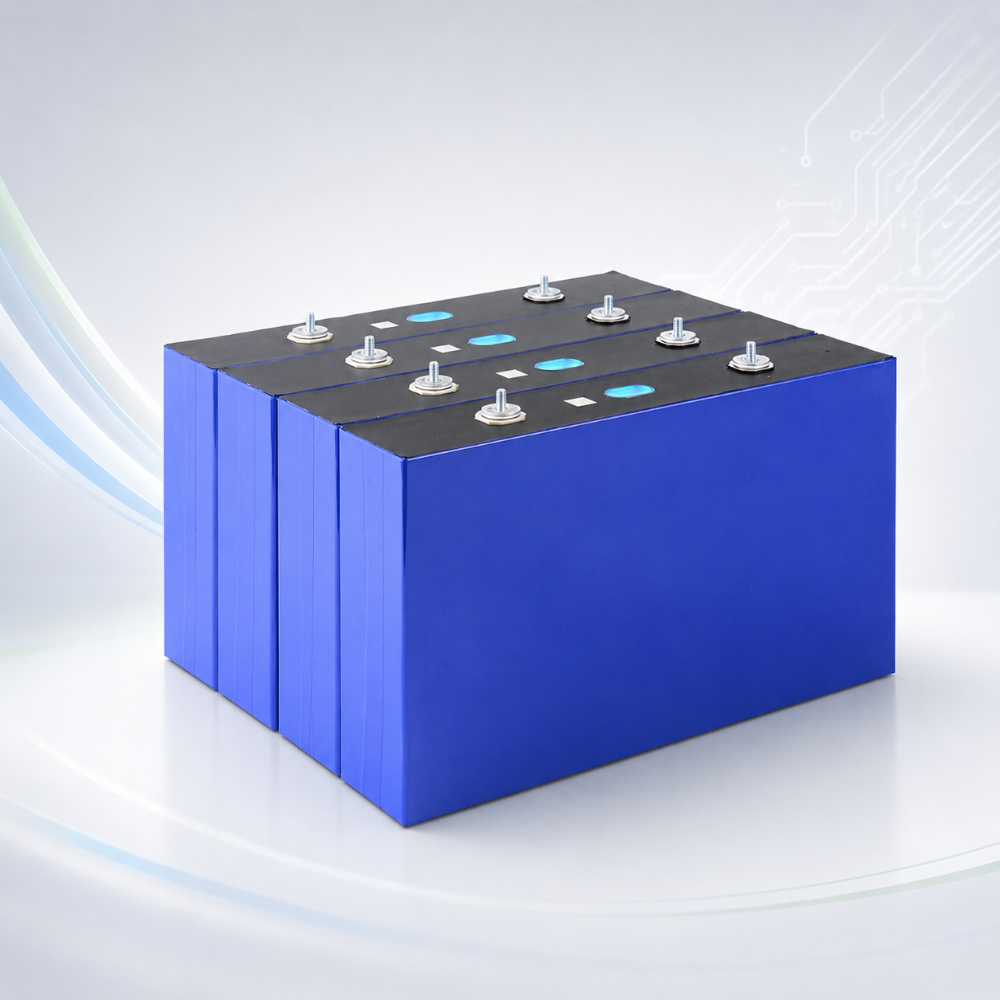
More and more households are installing solar energy storage systems to store electricity during the day and use it at night or during power outages. When choosing an energy storage battery, many people only focus on whether the capacity is enough but overlook a key factor — battery voltage. Energy storage batteries are available in different voltage levels, with common options including 12V, 24V, and 48V. Choosing the wrong voltage may affect system efficiency and create difficulties when expanding the system later. With LiFePO4 batteries becoming increasingly popular in home energy storage applications, choosing the right voltage solution has become an important consideration for many buyers.

What Factors Should Be Considered When Choosing Battery Voltage for Home Energy Storage?
A home energy storage system is not simply a matter of buying a battery and connecting it. The battery voltage needs to match the household electricity usage, storage size, and other system components. Different homes consume different amounts of electricity, so their battery voltage requirements can also vary.
- Household power consumption affects voltage selection.
- Equipment power requirements determine system needs.
- Energy storage duration affects battery configuration.
- Future expansion plans should also be considered.
If the system is only used to power lights and small appliances, a lower-voltage battery system may be sufficient. However, if the goal is to store more solar energy and support devices such as refrigerators, air conditioners, and computers, a higher-voltage solution may be more suitable. Battery voltage affects not only current performance but also whether the system can be expanded easily in the future.
Why Do Many Home Energy Storage Systems Choose 48V Batteries?
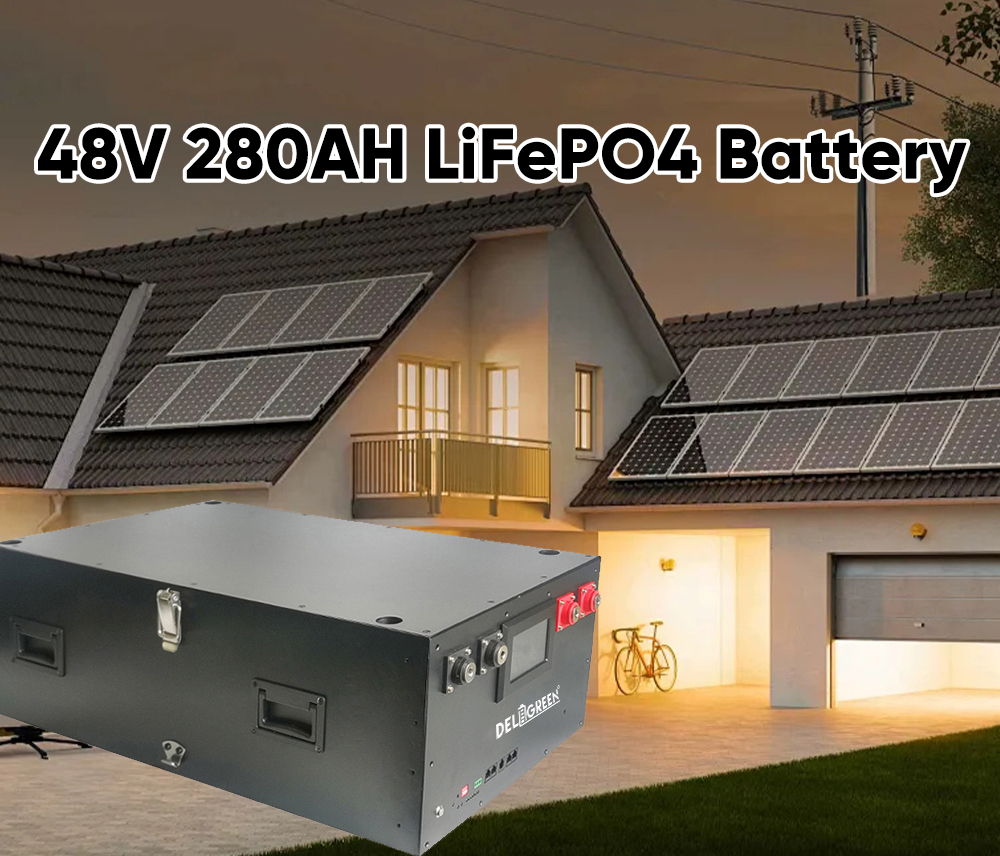
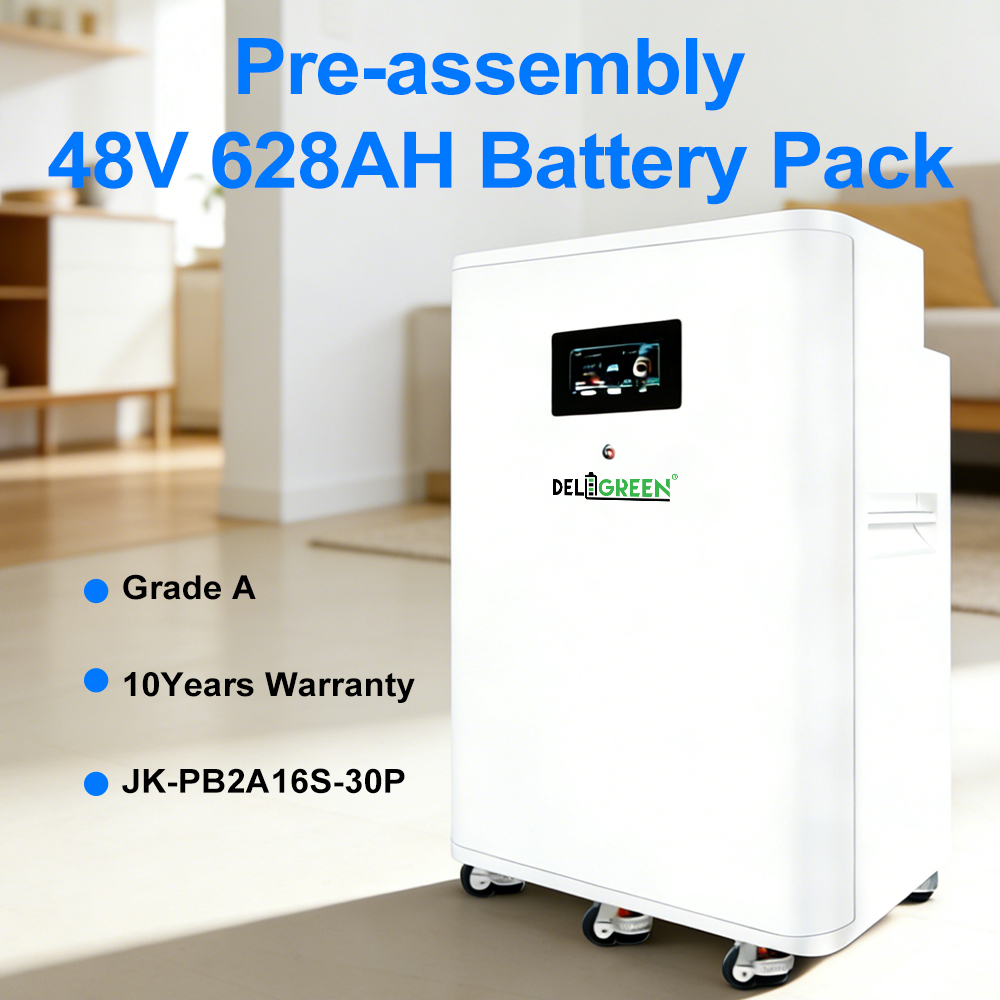
In home energy storage applications, 48V LiFePO4 batteries are becoming increasingly common. This is not simply because the voltage number is higher, but because they are better suited for long-term and larger-scale energy storage needs. For households that charge and discharge batteries every day, system stability is especially important.
- Provides more stable operation for high-power devices.
- Reduces losses caused by excessive current.
- Works well with solar energy storage systems.
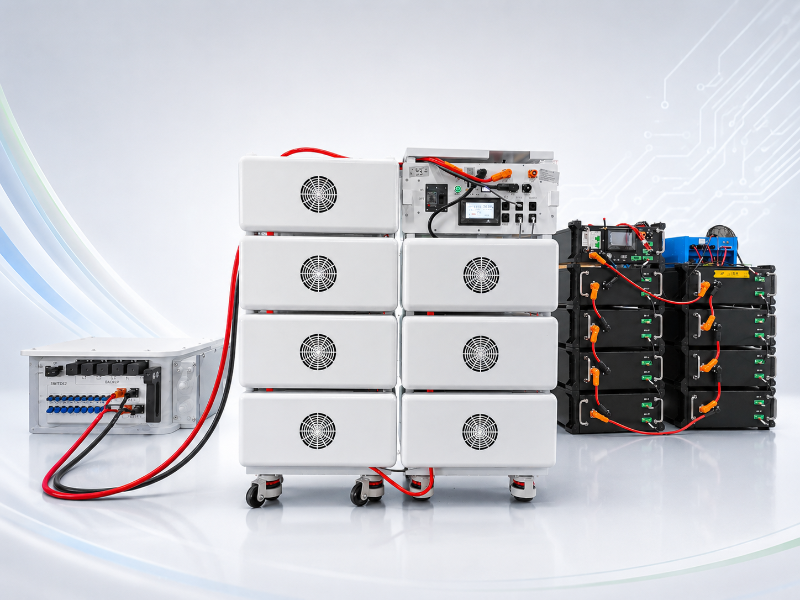
Under the same power output, a 48V system operates with a lower current, which reduces stress on wiring and connected equipment. For homes equipped with solar panels, 48V LiFePO4 batteries can work more effectively with inverters and provide reliable power storage. These systems are also easier to upgrade when additional battery capacity is needed later.
Which Battery Voltage Is Suitable for Different Home Applications?
Every household has different energy needs, so battery voltage should not be selected by simply copying another user’s setup. Some homes only need backup power during outages, while others want to reduce dependence on the power grid. These different goals require different energy storage solutions.
- Small backup power systems can use lower-voltage batteries.
- Average household storage systems may consider 24V solutions.
- High-power homes are better suited for 48V systems.
- Off-grid homes require more stable energy storage configurations.
For households that only need occasional backup power, a smaller battery system may be enough. For homes that rely on solar energy storage every day or need to support multiple appliances, 48V LiFePO4 batteries are usually a better choice. The selection should also consider inverter power, battery capacity, and actual daily electricity consumption.
Common Issues People Overlook When Choosing Home Energy Storage Battery Voltage
When purchasing energy storage batteries, many users only compare price and capacity while ignoring factors that affect long-term operation. Battery voltage influences not only current performance but also future maintenance and system upgrades.
- Ignoring voltage compatibility between devices.
- Focusing only on capacity while overlooking output capability.
- Failing to consider future battery expansion needs.
- Ignoring long-term battery operating costs.
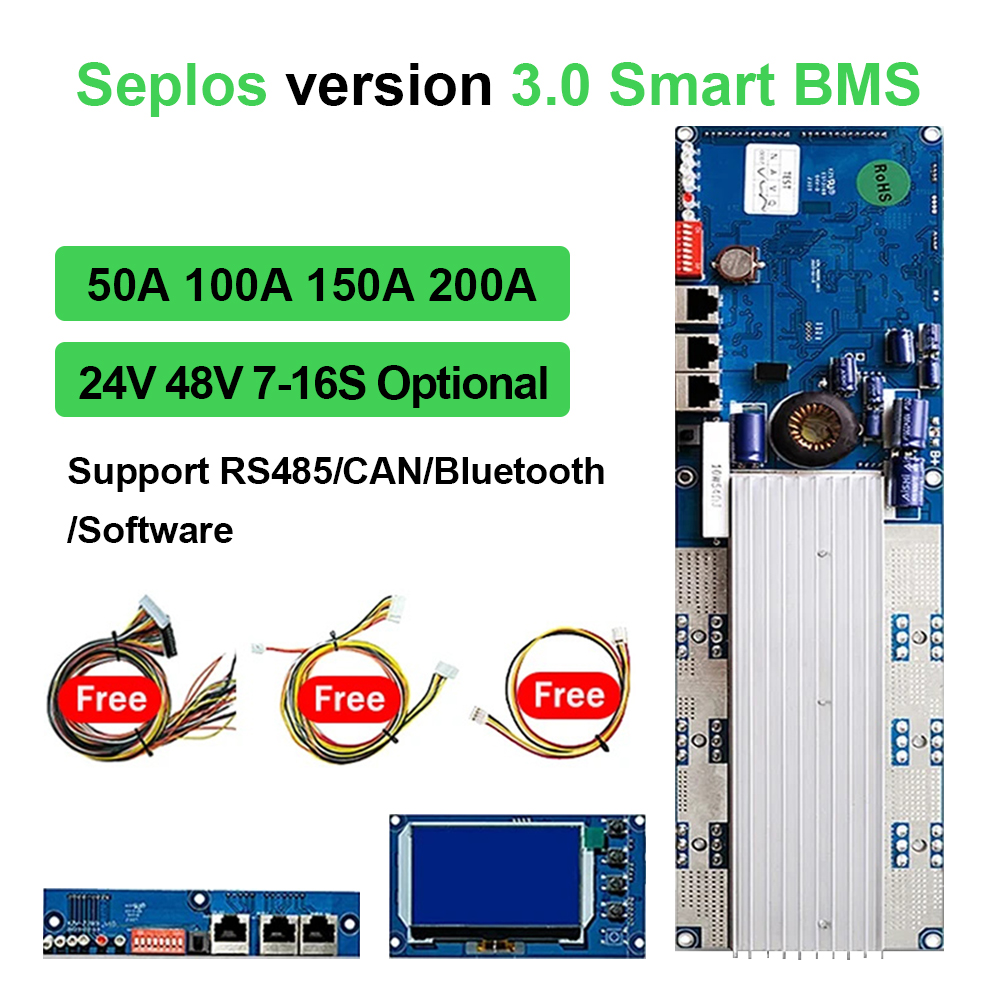
- Not checking the performance of the battery management system.
A home energy storage system needs to operate reliably for many years, so battery selection should not only focus on short-term cost. Choosing the right voltage solution can reduce compatibility issues and make future capacity expansion easier. LiFePO4 batteries are becoming more widely used in home energy storage because of their stable performance. With proper voltage design, the entire system can operate more efficiently.
There is no single battery voltage that is perfect for every home energy storage system. The right battery voltage depends on household electricity usage, equipment requirements, and future plans. For homes that need long-term energy storage and solar integration, 48V LiFePO4 batteries are a common choice. Selecting the correct voltage solution can improve the overall user experience and help the battery deliver better performance and value.