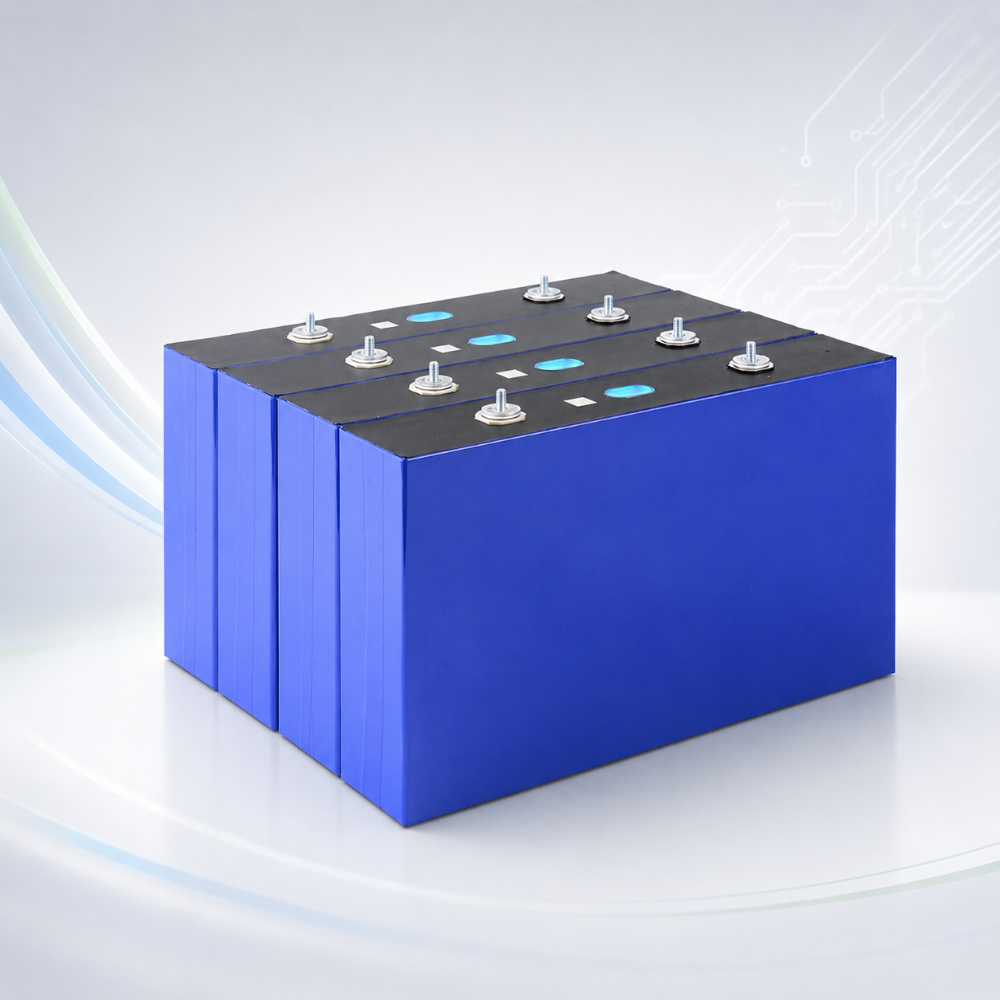
Many users experience the same issue when using lithium batteries: the battery voltage drops quickly shortly after being fully charged, and the operating time becomes shorter than before. When seeing the battery voltage decrease so fast, many people wonder whether the battery capacity is insufficient or if the battery has been damaged. In fact, battery voltage changes are affected by multiple factors, including battery type, operating environment, charging and discharging methods, and internal battery condition. Even LiFePO4 batteries, which are known for high stability and long cycle life, may experience abnormal voltage drops if they are not used properly.

What Causes Battery Voltage to Drop Quickly?
During normal operation, battery voltage naturally decreases as energy is consumed. However, if the voltage drops much faster than before, it may indicate problems with the battery condition or usage environment.
- Battery aging reduces capacity.
- The actual power consumption of the equipment increases.
- The battery is under high load for a long time.
- Internal battery wear or damage occurs.
As batteries are used over time, the internal materials gradually change, reducing their ability to store energy. When battery capacity decreases, the battery may still show a full charge, but it will provide less usable power, causing the voltage to drop faster during operation. In addition, if connected devices consume more power, the battery experiences greater output pressure, which can also accelerate voltage decline.
Why Does LiFePO4 Battery Voltage Drop Quickly?
LiFePO4 batteries are widely used in home energy storage, electric vehicles, and industrial equipment because of their high safety, stable performance, and long cycle life. However, like all batteries, they can experience performance problems due to aging or improper usage.
- Long-term deep discharge affects battery condition.
- Low temperatures reduce battery performance.
- Cell consistency becomes worse over time.
- The battery management system may malfunction.
LiFePO4 batteries generally have a stable voltage curve and do not normally experience large voltage fluctuations. If the battery voltage suddenly drops, it may be related to voltage differences between individual cells. A battery pack contains multiple cells that need to remain balanced. If some cells lose performance, the overall output capability of the battery pack will also be affected.
What Are the Signs of a Fast Battery Voltage Drop?
Changes in battery voltage directly affect the user experience. When battery performance declines, users often notice shorter operating times or unstable power output.
- The equipment runs for a much shorter time.
- The battery level indicator drops unusually fast.
- The device shuts down easily under high power loads.
- The battery reaches low power shortly after charging.
Under normal conditions, a battery should provide relatively stable output during operation. If a device works normally at the beginning but suddenly loses power after running for a while, it may be caused by reduced battery capacity or weaker voltage output ability. For energy storage systems, abnormal battery conditions may also affect the normal operation of inverters and other connected devices.
How Can You Reduce the Problem of Fast Battery Voltage Drop?
When battery voltage drops abnormally, you do not always need to replace the battery immediately. Checking usage habits and equipment conditions first may help solve the problem. In many cases, improving charging and discharging management can extend battery performance.
- Avoid long-term deep discharge.
- Maintain proper charging habits.
- Regularly check battery voltage.
- Choose battery specifications that match the equipment power requirements.
During daily use, avoid keeping the battery at a very low power level for long periods and make sure the charger matches the battery specifications. For energy storage products such as 48V LiFePO4 batteries, it is also important to check whether the BMS (Battery Management System) is operating properly. Proper usage and regular inspections can reduce unnecessary battery wear and help maintain stable performance.
Battery voltage drop speed is related to battery condition, operating environment, and equipment load. Under normal conditions, battery voltage gradually decreases during discharge. However, if the voltage drops too quickly or battery life becomes noticeably shorter, further inspection is needed. Although LiFePO4 batteries offer excellent stability and long service life, proper charging and discharging methods are still important. Monitoring battery voltage changes can help users identify potential problems earlier and improve overall battery efficiency.