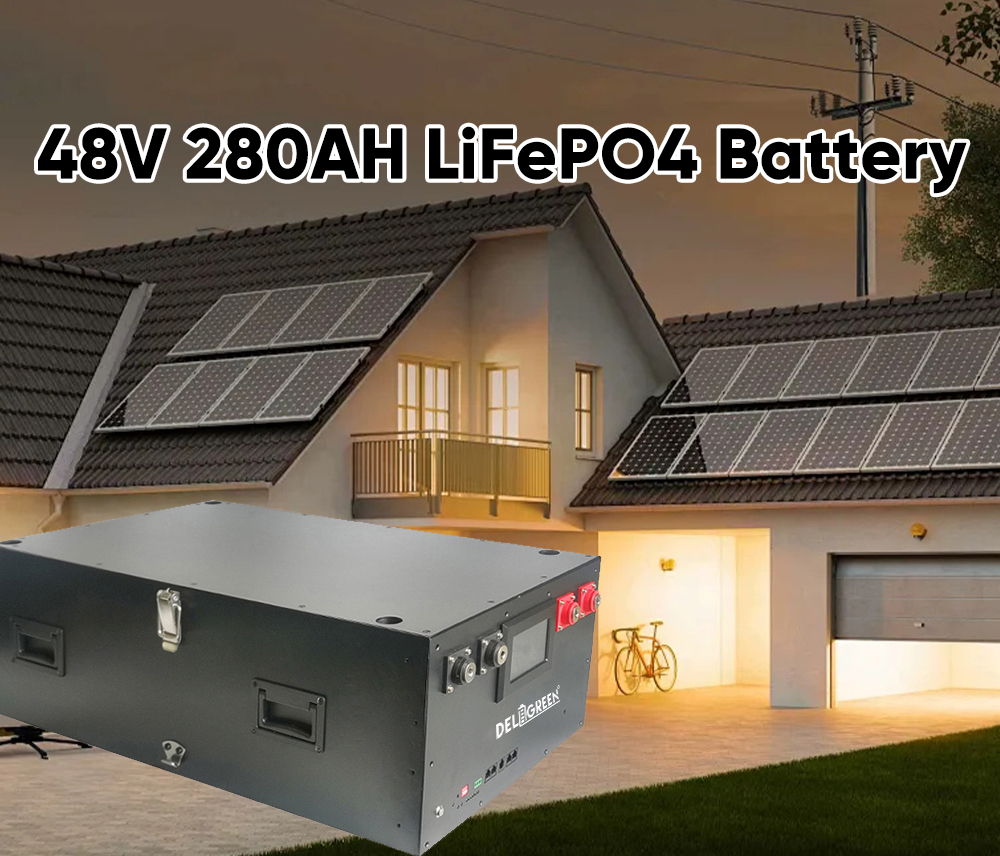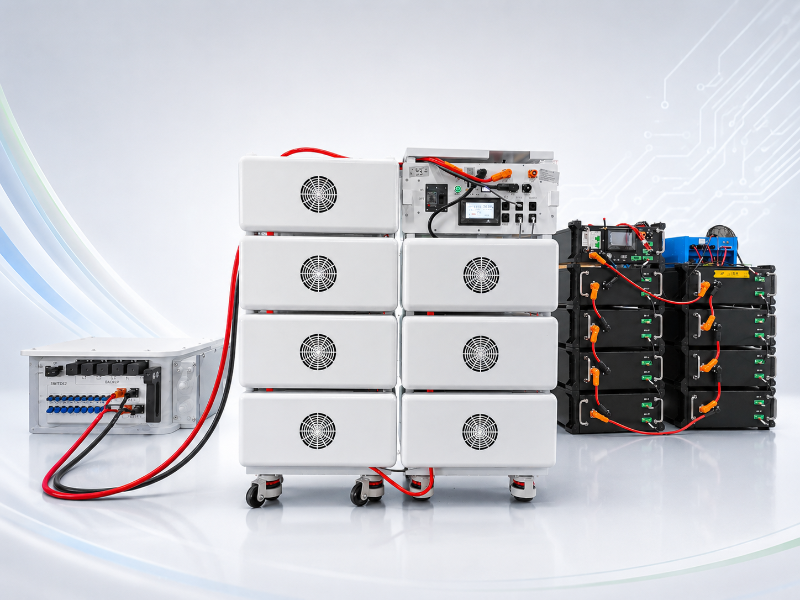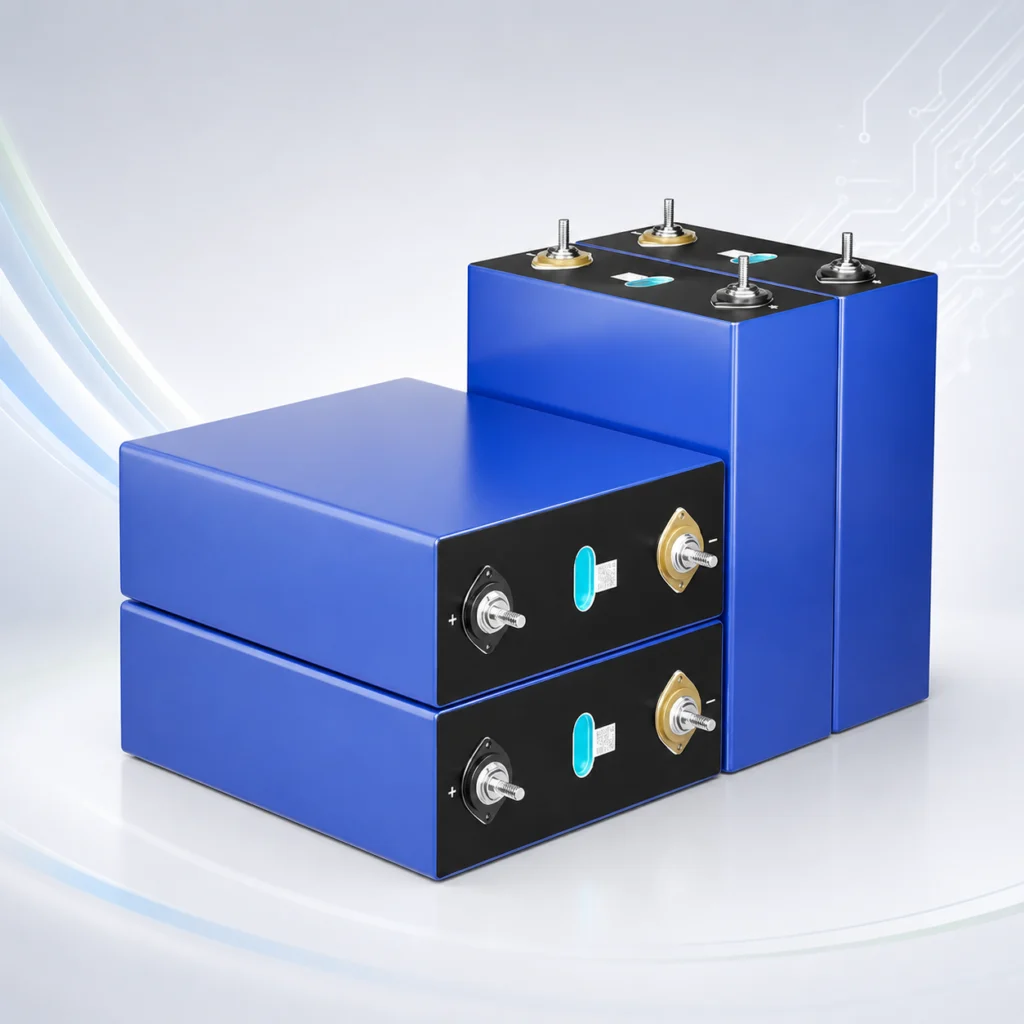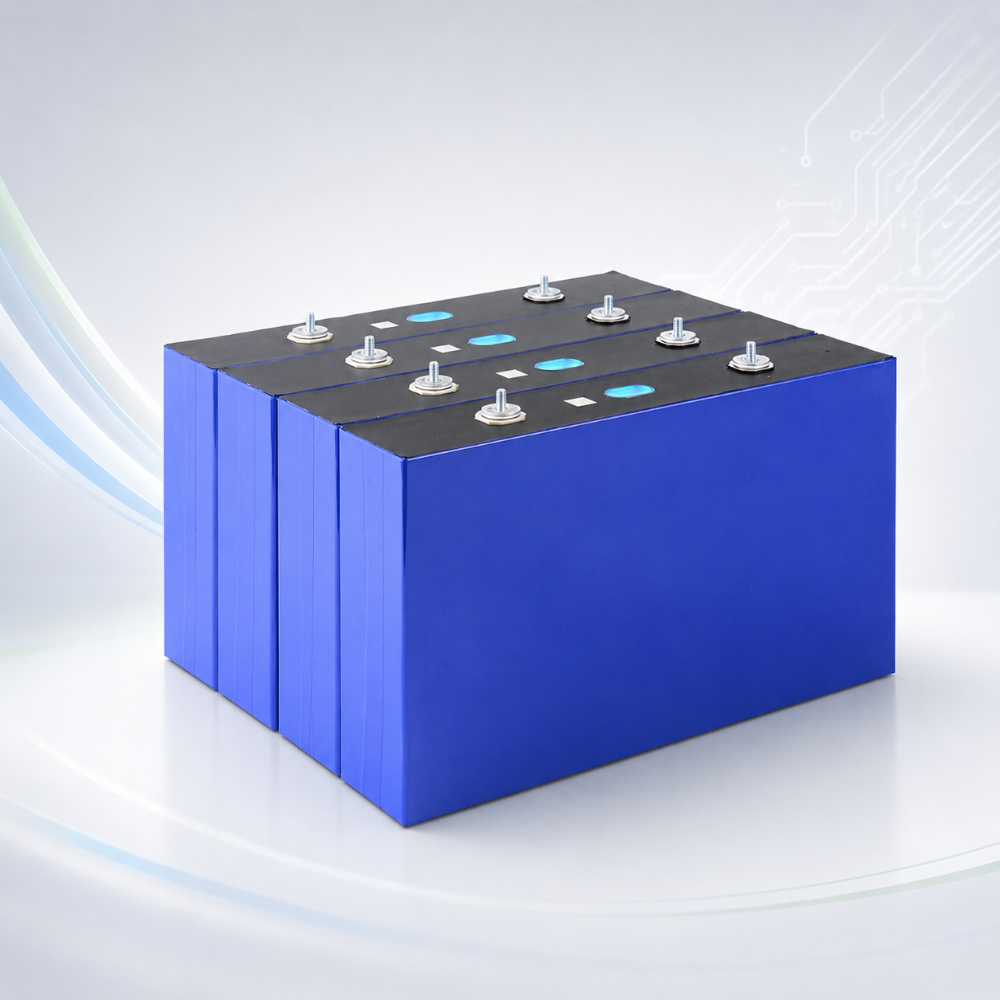
As demand for residential energy storage, commercial energy storage, and small-scale industrial energy storage continues to grow, rack-mounted energy storage systems have become a common solution due to their modular design, convenient capacity expansion, centralized management, and efficient maintenance. A rack-mounted energy storage system using lithium iron phosphate (LiFePO4) batteries typically consists of battery modules, a Battery Management System (BMS), battery racks, an energy storage inverter, power distribution equipment, and a communication system. Proper installation not only affects battery charging and discharging efficiency but also influences heat dissipation, operational stability, and future maintenance. When installing rack-mounted LiFePO4 energy storage batteries, it is important to confirm the installation environment, rack load capacity, electrical connections, protection equipment, and system communication requirements in advance to ensure safe and reliable operation.
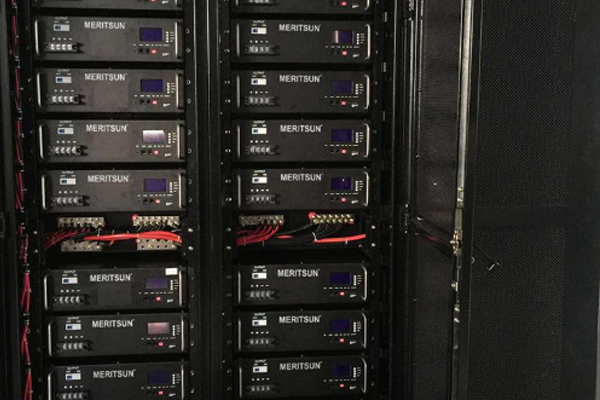
Plan the Installation Location and Environmental Conditions Properly
Before installing a rack-mounted energy storage system, the installation location should be selected according to equipment dimensions, weight, cooling requirements, and future maintenance needs. The installation area should be dry, well ventilated, and clean, while avoiding prolonged exposure to high temperatures, excessive humidity, standing water, direct sunlight, or heavy dust. Although LiFePO4 batteries have good thermal stability, prolonged exposure to unsuitable environmental conditions can still affect battery performance and service life. Sufficient clearance should be maintained around the rack to allow proper airflow and provide convenient access for cable inspection and equipment maintenance. When multiple rack-mounted battery systems are installed in parallel, appropriate spacing between racks should also be planned to prevent excessive heat accumulation. The load-bearing capacity of the floor should be confirmed in advance because several battery modules can create a significant concentrated load. For commercial and industrial energy storage projects, the installation area should also be planned according to applicable fire protection, power distribution, and equipment management requirements.
What Should Be Considered When Installing the Rack and Battery Modules?
The rack is the primary structure supporting the battery modules, and its stability directly affects the operating safety of the entire energy storage system. During installation, the rack should be selected according to the dimensions, weight, and mounting method of the battery modules, and installation should follow the manufacturer’s requirements.
- Confirm the Rack Load Capacity:The rack must be capable of supporting the long-term weight of all battery modules, accessories, and related equipment. When multiple batteries are installed together, the total weight should be calculated in advance, and the floor and rack should be confirmed to have sufficient load-bearing capacity.
- Keep Battery Modules Secure:After battery modules are placed in the rack, they should be securely fixed in their designated positions to prevent movement during transportation, vibration, or long-term operation. Appropriate spacing should be maintained between modules to prevent pressure on the battery enclosure and ensure proper heat dissipation.
- Arrange Battery Modules Properly:Rack-mounted batteries are often installed in multiple vertical layers. The modules should be arranged according to their weight, cable length, and maintenance requirements to reduce cable crossing and make future inspection and replacement easier.
- Reserve Sufficient Maintenance Space:Adequate maintenance clearance should be provided at the front, rear, and sides of the rack according to the system design. This allows technicians to conveniently inspect terminals, communication cables, protective devices, and battery modules.
A stable rack structure and properly installed battery modules improve equipment stability while making future maintenance and capacity expansion more convenient.
Electrical Connections and Safety Protection Must Meet System Requirements
Electrical connections in rack-mounted energy storage systems involve battery DC circuits, inverters, distribution equipment, and protection devices. Installation should strictly follow the equipment specifications and professional electrical design requirements. The number of batteries connected in series or parallel must match the system’s rated voltage, capacity, and maximum charging and discharging current. The connection configuration should never be changed arbitrarily. Before connecting the battery terminals, the positive and negative polarity must be confirmed to prevent damage caused by reverse connection. Power cable cross-sectional area should be selected according to the operating current and cable length, while terminals must be properly crimped and secured to reduce contact resistance and the risk of overheating. Circuit breakers, fuses, and other protective devices should be installed according to system design requirements so that abnormal overcurrent or short-circuit conditions can be safely interrupted. For systems using multiple LiFePO4 batteries in parallel, battery modules should have compatible models, rated parameters, and communication methods. Batteries with significantly different performance characteristics should not be operated in parallel for extended periods. Installation involving high-voltage DC circuits or large-capacity energy storage equipment should be completed by qualified and experienced professionals. Users should not modify electrical circuits or protection parameters without authorization.
BMS Communication and Energy Storage Inverter Connections Must Be Correct
Rack-mounted LiFePO4 energy storage systems normally use a BMS to monitor and manage battery operating conditions while communicating with the energy storage inverter. After installation, the communication protocol, interface type, and parameter settings between the battery and inverter must be confirmed as compatible. Common communication methods include CAN and RS485. The BMS can continuously collect battery voltage, current, temperature, and state-of-charge information while providing protection against overcharging, over-discharging, overcurrent, and high-temperature conditions.
- Check Communication Interfaces:Before connecting communication cables, confirm the communication interfaces and port definitions on both the battery and inverter. Follow the manufacturer’s wiring diagram to prevent communication failures caused by incorrect connections.
- Configure the Correct Battery Parameters:The inverter should be configured according to the battery’s rated voltage, capacity, charging and discharging current, and BMS communication requirements. Incorrect parameters may affect normal charging and discharging control, so configuration should follow the manufacturer’s specifications.
- Check Communication Status:After the system starts, check the battery SOC, voltage, temperature, and alarm status through the inverter display or monitoring platform to confirm that BMS data is being transmitted correctly.
- Test Protection Functions:After installation and commissioning, professional testing procedures should be used to verify protection functions for overvoltage, undervoltage, overcurrent, abnormal temperature, and communication failures. Dangerous testing methods such as intentional short circuits should never be used.
Correct communication configuration allows the BMS and inverter to work together effectively, providing more stable charging and discharging control and battery protection.
Post-Installation Inspection and Routine Maintenance
After installation is completed, the rack-mounted energy storage system should undergo a comprehensive inspection and trial operation to confirm that the mechanical structure, electrical connections, communication system, and cooling conditions are all functioning properly. During inspection, technicians should confirm that the rack is securely fixed, battery modules are stable, power and communication cables are correctly connected, and terminals show no signs of overheating or loosening. Circuit breakers, fuses, and other protection devices should also be checked against system design requirements. After the system enters normal operation, battery SOC, voltage, current, temperature, and BMS alarm records should be monitored regularly to identify abnormal conditions at an early stage. The installation area should remain clean and dry, and objects should not be stacked around the rack because they may restrict airflow and affect heat dissipation. Long-term energy storage systems should be inspected according to the manufacturer’s maintenance requirements, while software updates, battery module replacement, and electrical repairs should be handled by qualified professionals. When selecting high-quality LiFePO4 batteries, users should also consider cell consistency, cycle life, BMS performance, rack compatibility, and after-sales technical support. Proper installation, professional commissioning, and regular maintenance allow rack-mounted energy storage systems to fully utilize their large capacity, flexible expansion, and convenient management capabilities while providing stable and reliable power support for residential, commercial, and industrial energy storage applications.