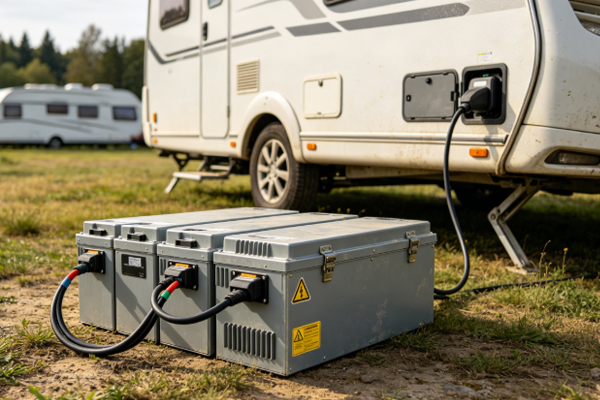
After a battery has been used for a period of time, many users want to know its actual condition, whether the power level is normal, and whether the battery needs to be replaced. Testing battery voltage is one of the simplest ways to check battery status. Whether it is a car battery, energy storage battery, or a common LiFePO4 battery, battery voltage is an important factor for evaluating performance. However, measuring voltage is not just about connecting the probes and reading the number. Different battery types and testing conditions can affect the final result. Learning the correct testing method can help avoid incorrect judgments caused by improper measurements.

What Do You Need Before Testing Battery Voltage?
Before measuring battery voltage, you need to prepare the right tools and confirm the battery type and voltage range. Different batteries have different rated voltage levels. If the multimeter setting is incorrect, the measurement result may not be accurate.
- Prepare a digital multimeter.
- Confirm the battery rated voltage.
- Check the battery appearance and condition.
- Ensure a safe testing environment.
Common lithium batteries are available in different battery voltage levels, such as 12V, 24V, and 48V. Before testing, you should know the approximate voltage level of the battery. When using a multimeter, select the DC voltage mode (DCV) and choose a measurement range higher than the battery’s rated voltage. For example, when testing a 48V LiFePO4 battery, selecting the correct voltage range helps ensure more accurate results.
How to Use a Multimeter to Measure Battery Voltage Correctly?
Using a multimeter to test battery voltage is not complicated. The key points are selecting the correct mode and connecting the probes properly. During measurement, the positive and negative terminals must be connected correctly, otherwise the display may show abnormal values or a negative reading.
- Connect the red probe to the positive terminal.
- Connect the black probe to the negative terminal.
- Select the DC voltage measurement mode.
- Read the voltage value after the display stabilizes.
Set the multimeter to DC voltage mode, then touch the probes to the positive and negative battery terminals and wait for the reading to become stable. For a 48V LiFePO4 battery, the voltage may be higher than the rated voltage when fully charged, which is normal and does not mean the battery has a problem. The measurement result should be evaluated together with the battery model, current charge level, and actual usage condition.
How Can You Judge Whether a Battery Is Working Properly Through Voltage?
After measuring the voltage, many users ask: Is this voltage normal? In fact, battery voltage changes during charging and discharging, so it does not stay at a fixed value. To judge battery condition, you need to consider the battery type and its normal operating range.
- Voltage significantly below the standard value may require checking the battery level.
- Abnormal full-charge voltage may indicate charging problems.
- Rapid voltage drops during use may require battery inspection.
- Large voltage differences between cells may require balance checking.
Taking LiFePO4 batteries as an example, voltage varies during full charge, normal operation, and low battery conditions. If a battery consistently shows low voltage, rapid power loss, or charging issues, there may be problems with the battery cells, BMS (Battery Management System), or wiring connections, requiring further inspection.
What Should You Pay Attention to When Testing Battery Voltage?
Although measuring battery voltage with a multimeter is relatively simple, some details are easy to overlook. Incorrect operation may affect the measurement results or even damage the battery and testing equipment.
- Do not allow the positive and negative probes to touch each other directly.
- Do not force testing on a damaged battery.
- Confirm the multimeter setting before measurement.
Safety is very important when testing battery voltage. Especially for lithium battery systems above 48V, although the voltage is not as dangerous as high-voltage power systems, incorrect operation can still cause short circuits. If the battery casing is swollen, leaking, or the terminals appear abnormal, stop using it and inspect the battery first.
Proper battery voltage testing helps users better understand battery condition. When measuring battery voltage with a multimeter, the results should be evaluated together with the battery type, rated voltage, and actual operating conditions. For LiFePO4 batteries used in home energy storage, electric vehicles, and industrial equipment, stable voltage performance indicates better operating conditions. Learning basic testing methods not only makes daily maintenance easier but also helps identify potential problems early and extend battery service life.