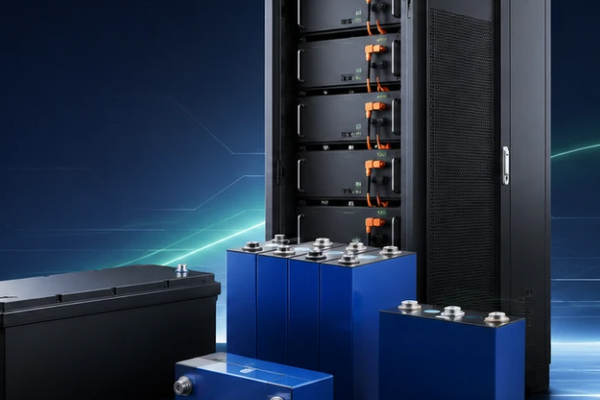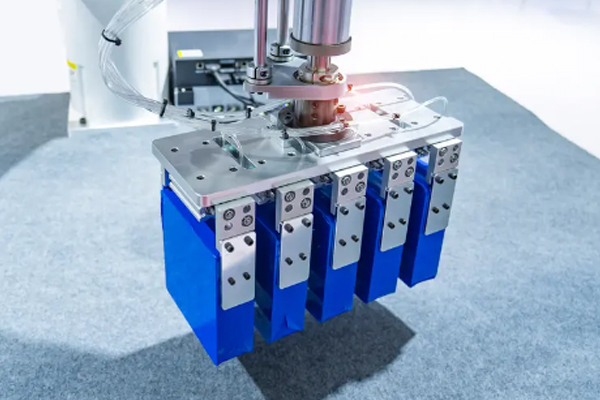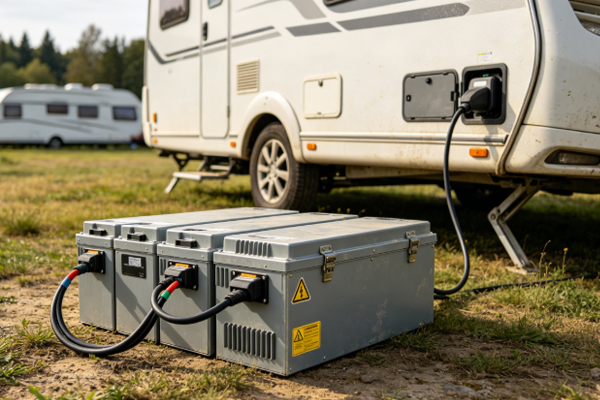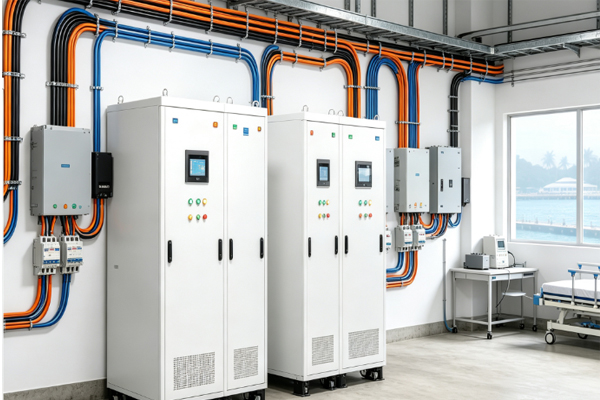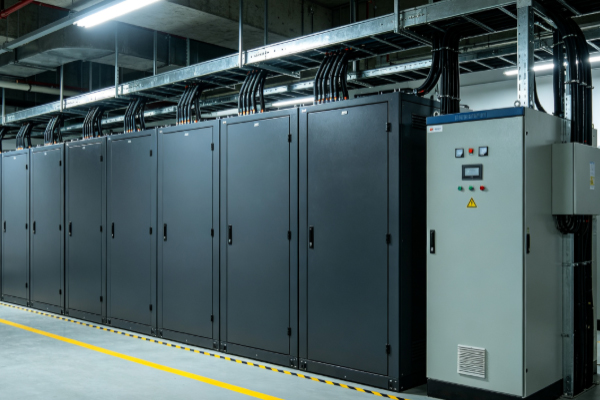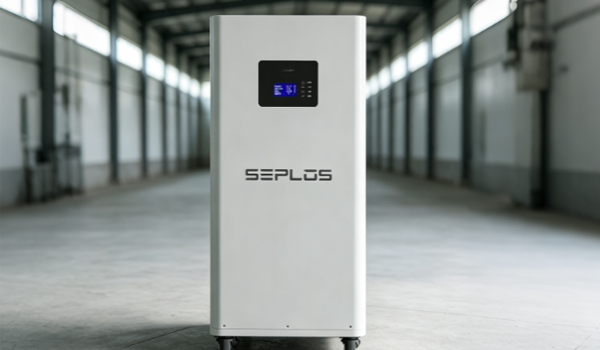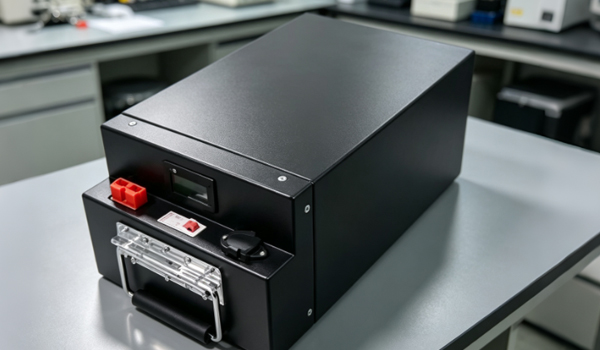
School teaching buildings accommodate a large number of daily educational activities. Classroom lighting, multimedia equipment, air conditioning, network terminals, smart access control, fire protection, and security systems all require a stable electricity supply. With the continued development of smart campuses, the number of electrical devices used in teaching buildings continues to increase, placing greater pressure on conventional power supply systems during peak electricity consumption, unexpected power outages, and energy management. The School Teaching Building Energy Storage System Solution uses LiFePO4 batteries as the core energy storage equipment. By storing electricity during low-demand periods, working with photovoltaic generation, balancing peak loads, and providing emergency power, the system creates a more flexible energy supply structure for teaching buildings.
The system can be configured according to the actual load characteristics of a teaching building and coordinated through Battery Management Systems, Energy Storage Power Conversion Systems, and Energy Management Systems. During normal grid operation, the storage batteries can charge according to preset strategies and release stored electricity during periods of high demand, helping reduce peak loads. When the grid becomes unstable or unavailable, the system can provide backup electricity for important equipment according to predefined load priorities. LiFePO4 batteries offer good cycle performance and thermal stability, making them suitable for educational facilities that require long-term operation, convenient maintenance, and reliable energy management.
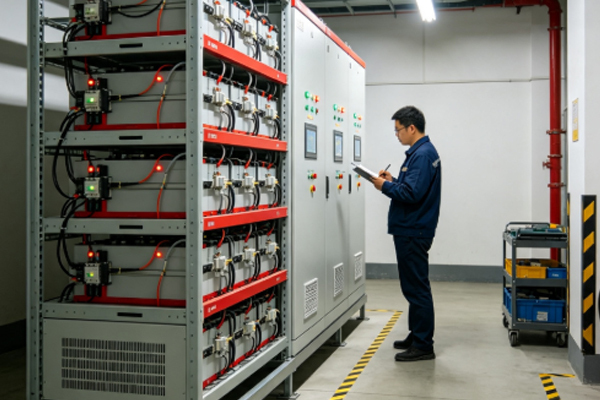
Energy Storage Systems Improve Energy Efficiency in Teaching Buildings
Electricity consumption in teaching buildings usually follows recognizable time-based patterns. For example, classroom lighting, air conditioning, and teaching equipment may operate simultaneously during class periods, while loads may decline during lunch breaks and nighttime hours. Energy storage systems can respond to these changes by storing electricity during low-demand periods and releasing it when needed, improving the utilization of available electrical resources. Compared with simply increasing grid capacity, energy storage can actively regulate power flows and improve energy flexibility while also working together with campus photovoltaic systems.
Peak and Off-Peak Energy Storage Regulates Teaching Building Loads
Teaching buildings often experience concentrated electricity consumption during class hours. Multiple classrooms may operate lighting, air conditioning, projectors, computers, and other equipment at the same time, creating significant instantaneous loads. LiFePO4 energy storage systems can charge during periods of lower electricity demand or lower electricity prices and discharge during peak consumption periods, helping reduce pressure on the grid.
Peak and off-peak energy storage can provide the following benefits:
- Low-load charging: Charges the battery during periods of lower demand and prepares stored energy for later use.
- High-load discharging: Releases stored electricity during periods of concentrated teaching activities to reduce grid demand.
- Intelligent strategy control: Automatically adjusts charging and discharging schedules according to preset times, electricity prices, and load data.
- Peak load reduction: Uses stored energy to share part of the high-demand electricity requirement and improve energy flexibility.
Appropriate peak and off-peak control can smooth the electricity consumption curve of teaching buildings and increase the practical value of the energy storage system.
Combining Photovoltaic Power with Energy Storage for Green Teaching Buildings
Many schools have large rooftops or available building spaces suitable for solar photovoltaic installations. Electricity generated by the photovoltaic system can first supply real-time teaching building loads, while surplus electricity can be stored in LiFePO4 batteries for later use when solar output is insufficient or electricity demand increases. This configuration reduces the limitations caused by the intermittent nature of solar generation and increases the proportion of clean energy consumed within the campus.
| System Component | Main Function | Teaching Building Application |
| LiFePO4 Battery | Stores electrical energy | Daily energy storage and backup |
| Energy Storage Converter | Converts electrical energy | Connects batteries with AC loads |
| Photovoltaic Modules | Generates clean electricity | Supports daytime power supply |
| BMS | Manages battery status | Safety monitoring and protection |
| EMS | Manages energy scheduling | Coordinates storage and loads |
The coordinated operation of photovoltaic generation and energy storage improves solar energy utilization while establishing a more flexible green energy system for teaching buildings.
Teaching Building Energy Storage Applications and Intelligent Power Management
The teaching building energy storage system can be used not only for daily energy regulation but also for detailed management based on the operating patterns of different campus devices. By collecting electricity load, battery status, photovoltaic generation, and grid operation data, the Energy Management System can coordinate energy storage equipment. Critical loads such as servers, network switches, access control systems, surveillance equipment, and fire protection systems can be assigned higher power supply priorities, allowing limited stored energy to be distributed more efficiently.
Stable Energy Support for Various Teaching Equipment
Teaching buildings contain many types of electrical equipment. Some devices have relatively high power requirements, while others require a high degree of power continuity. The energy storage system can establish load priorities based on equipment characteristics and apply different energy supply strategies under different power conditions.
Common application equipment includes:
- Smart teaching equipment: Supports interactive teaching terminals, projectors, electronic whiteboards, and similar devices.
- Network equipment: Provides stable electricity for switches, routers, and communication terminals.
- Air conditioning and lighting: Can help handle part of the peak load when sufficient storage capacity is available.
- Security equipment: Supports surveillance, access control, and alarm systems.
- Office equipment: Provides energy for teacher workstations, printers, and other office devices.
Setting appropriate power supply priorities for different equipment makes the storage system better suited to the actual electricity requirements of teaching buildings.
Intelligent EMS Platform Optimizes Energy Scheduling
The Energy Management System is an important component for intelligent operation of teaching building energy storage. The EMS can connect energy storage converters, BMS systems, photovoltaic equipment, and campus distribution systems to collect information about electricity consumption, battery charging and discharging, and system operating conditions in real time. Administrators can view energy performance through a visual management platform and adjust operating strategies according to class schedules, weather conditions, and historical electricity consumption data.
Intelligent energy management reduces the need for manual operation while helping schools understand daily changes in teaching building electricity consumption. The system can also record historical operating data to support future capacity expansion, equipment maintenance, and energy planning. When battery conditions become abnormal or operating parameters move outside preset ranges, the system can issue alerts so that administrators can respond promptly.
Energy Storage Combines Daily Energy Savings with Emergency Power
Teaching building energy storage systems can operate using a combination of daily energy regulation and emergency power support. Under normal grid conditions, the batteries charge and discharge according to energy management strategies, supporting peak and off-peak regulation and storing photovoltaic electricity. When the grid becomes unavailable, the system can switch to backup power mode according to predefined load priorities and provide continuous electricity for critical equipment. This approach improves daily utilization of the storage system while preventing the batteries from remaining in simple standby mode for extended periods.
During capacity planning, battery size can be determined according to critical load power, expected backup duration, and equipment startup requirements. Network rooms, surveillance systems, and access control equipment generally require a higher priority for continuous power, while ordinary teaching equipment can be adjusted according to the remaining battery capacity. A tiered power supply strategy allows limited stored energy to provide greater practical value.
High-Performance LiFePO4 Batteries Support Long-Term Teaching Building Operation
Teaching building energy storage equipment is generally expected to operate for many years. Battery cycling capability, safety protection, expansion capacity, and operational stability can all affect system performance. LiFePO4 batteries provide good cycle performance and thermal stability and can be expanded through modular configurations. Combined with comprehensive BMS, electrical protection, and temperature management systems, they can establish a more reliable operating environment for campus energy storage.
Battery Performance Meets Frequent Energy Storage Requirements
Teaching building energy storage systems may undergo regular charging and discharging according to daily electricity management strategies, so batteries need reliable cycle performance. LiFePO4 batteries are suitable for frequent charging and discharging applications and can maintain stable operation under appropriate charging voltage, depth of discharge, and temperature conditions.
| Performance Indicator | Teaching Building Energy Storage Characteristics |
| Battery Type | LiFePO4 Battery |
| Cycle Performance | Suitable for periodic charging and discharging |
| Thermal Stability | High |
| Capacity Expansion | Supports modular configuration |
| Battery Management | Intelligent BMS monitoring |
| Energy Scheduling | Centralized EMS control |
| Application Modes | Peak regulation, photovoltaic storage, backup power |
Stable battery performance can reduce maintenance pressure during system operation and provide continuous support for long-term energy management in teaching buildings.
Modular Design Facilitates Future Capacity Expansion
School teaching equipment and building functions may continue to expand as campus development progresses, so the maximum storage capacity does not necessarily need to be installed during the initial stage. A modular LiFePO4 battery system allows schools to add storage modules according to future electricity requirements. This design improves upgrade flexibility and enables schools to adjust capacity based on actual energy consumption data.
During future expansion, the condition of the existing battery system, energy storage converter capacity, distribution conditions, and available installation space should be evaluated to ensure compatibility between new and existing equipment. Proper modular design reduces upgrade complexity and gives the energy storage system stronger adaptability throughout its service life.
Intelligent Energy Storage Supports Smart Campus Energy Development
A smart campus is not limited to digital teaching equipment; it also includes intelligent energy management. Teaching building energy storage systems can continuously collect energy data through BMS and EMS platforms and connect with campus energy management systems to provide centralized monitoring of battery status, photovoltaic generation, building loads, and grid conditions. Administrators can use real-time data to adjust storage strategies, improving energy management transparency and controllability.
As green campus energy development continues, LiFePO4 energy storage systems can operate together with photovoltaic generation, smart distribution equipment, and load management systems. The School Teaching Building Energy Storage System Solution can support daily energy savings, peak load regulation, renewable energy utilization, and critical load power supply, creating a more efficient, stable, and intelligent energy infrastructure for teaching buildings while providing reliable support for future green energy development in smart campuses.